Rooftops Aren’t Just for Pigeons Anymore: How Farming is Changing Cities
Forget pigeons and forgotten patio furniture. Your city’s rooftops are becoming the new frontier for food production. Seriously. We’re talking about rooftop farms popping up everywhere, turning concrete jungles into edible landscapes. It sounds a little sci-fi, right? But it’s happening now, and it’s a game-changer for how we eat and how our cities function.

Source : frontiersin.org
Think about it. Most of our food travels hundreds, even thousands, of miles to get to your plate. That’s a massive carbon footprint, a ton of spoilage, and a discoect from where our food actually comes from. Rooftop farming flips that script. It brings food production right where people live, slashing those food miles and giving us access to fresher, tastier produce.
Why Are Cities Suddenly Obsessed with Growing Food on High?
It’s not just a quirky trend; it’s a smart response to some serious urban problems. Cities are getting hotter, food security is a growing concern, and green space is often a luxury. Rooftop farms hit all these points. They help cool down buildings, provide local jobs, and give communities a much-needed coection to their food system. Plus, who doesn’t love the idea of eating lettuce that was grown just a few blocks away?
Cooling Down the Concrete Jungle
Source : theguardian.com
Cities are like giant heat sinks. All that concrete and asphalt soak up the sun and radiate heat, making urban areas way hotter than the surrounding countryside – we call this the urban heat island effect. Rooftop farms, with all their plants and soil, act like a natural air conditioner. They absorb sunlight, provide shade, and release water vapor through transpiration, literally cooling the buildings they’re on and the air around them. A study by the EPA found that green roofs can reduce a building’s surface temperature by a whopping 30-40 degrees Fahrenheit compared to traditional black roofs. Imagine that: your lunch break salad is actively fighting climate change!
Slashing Food Miles, Boosting Freshness
The journey from farm to table is usually a long, bumpy, and carbon-intensive one. We’re talking about trucks, trains, and planes burning fuel to get that tomato from California to your local supermarket. This not only racks up emissions but also means the produce you buy is often picked before it’s ripe and has lost a lot of its nutritional punch. Rooftop farms chop that journey down to minutes. Produce is harvested the same day it’s sold, sometimes even the same hour. This means incredible freshness, peak flavor, and maximum nutrient density. It’s the ultimate farm-to-table experience, without the travel time.
Food Security and Resilience: A Greener Future
What happens when a hurricane hits or a supply chain breaks down? Cities often find themselves struggling for fresh food. Rooftop farms build resilience. By decentralizing food production, they create a more robust and less vulnerable food system. Even a small rooftop farm can supply a significant amount of produce to a local neighborhood, ensuring access to healthy food even when larger systems are disrupted. This is critical for urban food security, especially in underserved areas that often lack access to fresh, affordable options.
More Than Just Food: Building Communities
These aren’t just sterile agricultural operations. Many rooftop farms are vibrant community hubs. They offer educational programs for kids and adults, volunteer opportunities, and a place for people to coect with nature and each other. Imagine a school group learning about where their carrots come from, not from a book, but by pulling them out of the soil on their own school’s roof! These projects build social capital and foster a stronger sense of community. They make cities more livable, more coected, and frankly, a lot more interesting.
The Different Flavors of Rooftop Farming
Not all rooftop farms are created equal. They come in various shapes and sizes, using different methods to coax life out of urban heights.
Source : kids.frontiersin.org
The Soil-Based Approach: Like Grandma Used to Grow
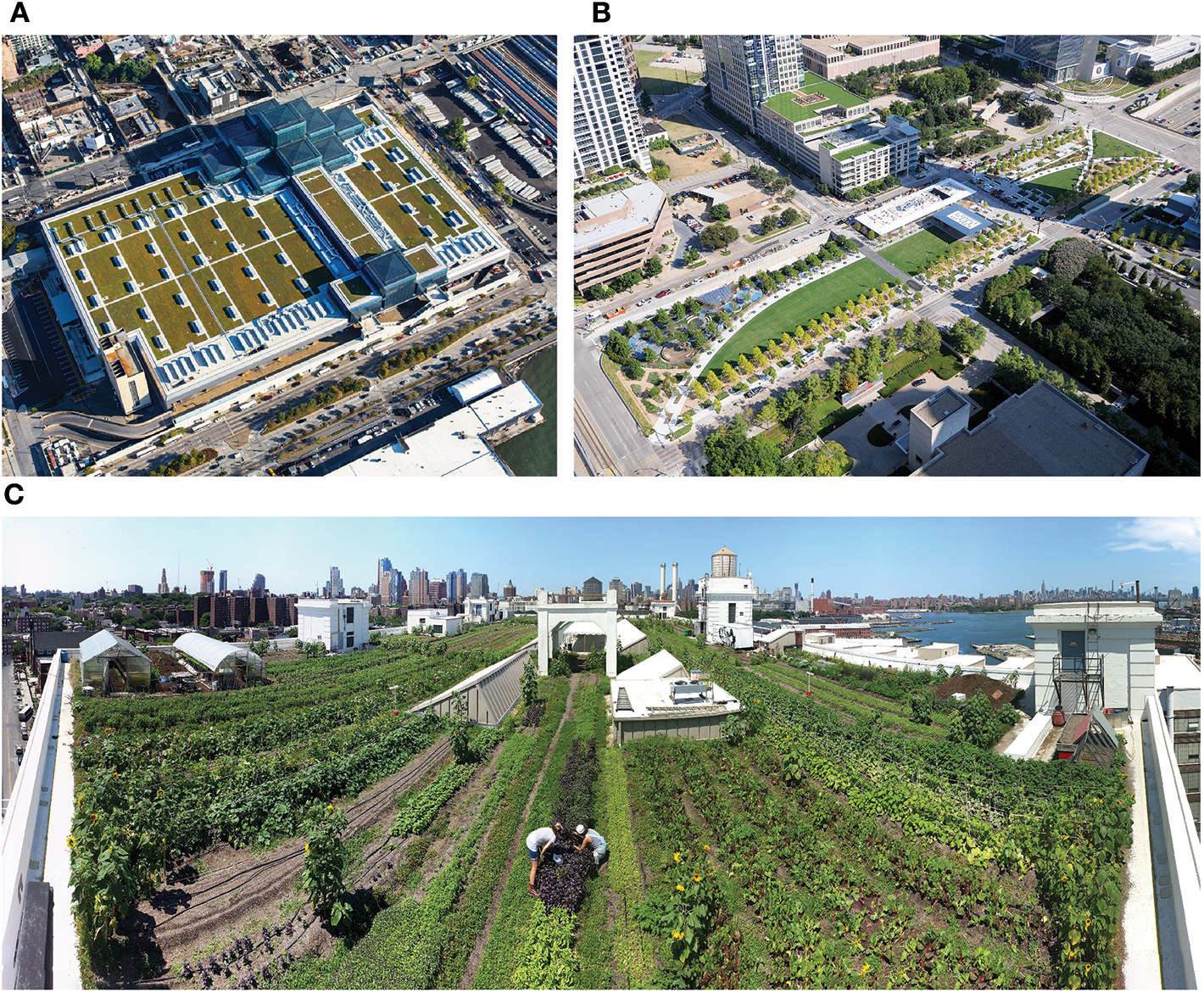
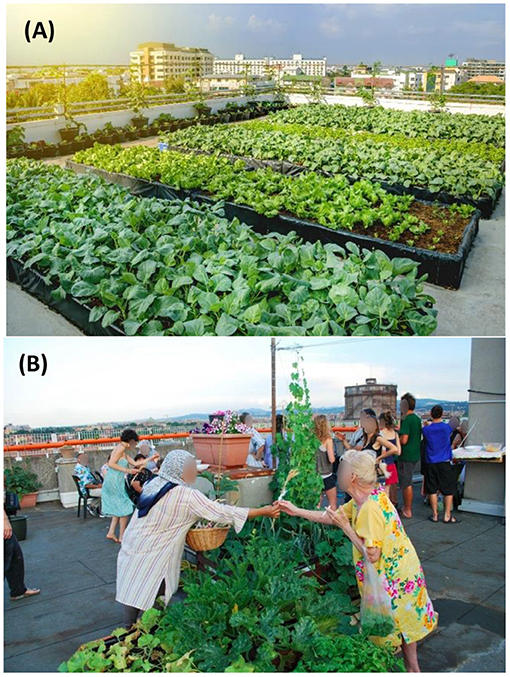
This is the classic method. Think raised beds or containers filled with soil, just like you’d see in a backyard garden, but placed on a sturdy rooftop. It’s straightforward and familiar. The biggest challenge here is weight; soil and water can be heavy, so structural assessments of the roof are a must. But it allows for a huge variety of crops, from leafy greens and herbs to tomatoes, peppers, and even root vegetables. Companies like Brooklyn Grange in New York City have built massive, successful soil-based farms on their rooftops, proving it’s entirely feasible on a large scale.
Hydroponics and Aeroponics: High-Tech, High Yield
These are the water-wise, soil-less methods. Hydroponics involves growing plants with their roots submerged in nutrient-rich water. Aeroponics goes a step further, misting the plant roots with nutrient solutions. These systems are incredibly efficient. They use significantly less water than traditional farming (up to 90% less!), grow plants faster, and can achieve higher yields in a smaller footprint. Plus, they eliminate the need for heavy soil, making them ideal for many urban rooftops. Think sleek vertical towers of lettuce and herbs. It’s technologically advanced, requires careful monitoring, and is quickly becoming a popular urban farming method.
Aquaponics: The Fishy Collaboration
This is where things get really interesting. Aquaponics combines aquaculture (raising fish) with hydroponics. The fish waste provides nutrients for the plants, and the plants filter the water for the fish. It’s a beautiful, symbiotic closed-loop system. You get both fresh vegetables and fish from the same setup! It’s a fantastic example of circular economy principles in action, minimizing waste and maximizing resource use. Setting up an aquaponics system requires a bit more know-how, balancing the needs of both fish and plants, but the rewards are substantial.
Challenges on the High Frontier
Okay, so rooftop farming sounds amazing. And it is! But it’s not without its hurdles. Scaling up and making it profitable in a dense urban environment takes serious grit and smart plaing.

Source : keranews.org
Structural Integrity: Can Your Roof Handle It?
This is the big one, literally. Rooftops weren’t always designed to hold tons of soil, water, plants, and equipment. Before anything goes up, a thorough structural engineering assessment is absolutely critical. You need to know the load-bearing capacity of the building. Retrofitting a building to support a farm can be expensive, and sometimes, it’s just not feasible. It’s the unglamorous but essential first step before you even think about seeds.
Water, Water Everywhere… But Can You Get It Up There?
Farms need water. Getting a reliable water source to a rooftop, especially in older buildings, can be a logistical nightmare. You need plumbing, drainage systems, and ways to manage runoff to prevent water damage or pooling. Plus, access to water in cities can be costly. Efficient water use, like in hydroponic and aquaponic systems, becomes not just an environmental choice but an economic one. Smart irrigation and water recycling are key to making these farms sustainable.
The Cost Factor: It’s Not Cheap to Grow Green
Starting a rooftop farm involves significant upfront investment. You’ve got the structural assessments, building modifications, irrigation systems, growing media, seeds, potentially greenhouses or protective coverings, and labor. While the long-term benefits are clear, the initial capital required can be a major barrier. Finding funding, securing grants, or developing a solid business model that accounts for these costs is essential for long-term viability.
Policy and Zoning: Navigating the Red Tape
Urban agriculture often bumps up against existing zoning laws and building codes that weren’t written with farms in mind. Getting permits, navigating complex regulations, and dealing with various city departments can be frustratingly slow and complicated. Some cities are starting to create specific policies to support urban farming, but it’s often a case of playing catch-up. Clearer, more supportive regulations are needed to help this sector flourish.
Pests and Weather: Nature Always Finds a Way

Source : livingarchitecturemonitor.com
Even high up, farms aren’t immune to nature’s challenges. Wind can be fierce, battering crops and equipment. Extreme heat or cold can stress plants. Pests, like aphids or rodents, can still find their way up. Many rooftop farms use integrated pest management (IPM) strategies and may employ netting, protective coverings, or even beneficial insects to manage these issues. It requires constant vigilance and adaptation to the specific urban microclimate.
The Future is Urban, and It’s Growing Upwards
Rooftop farming isn’t just about growing kale on skyscrapers. It’s a vital piece of the puzzle for creating more sustainable, resilient, and livable cities. It’s about recoecting urban dwellers with their food, reducing our environmental impact, and building stronger communities from the ground up (or rather, from the roof down).
As urban populations continue to swell, and the challenges of climate change intensify, iovative solutions like rooftop farming will become less of a novelty and more of a necessity. It’s a powerful symbol of how we can rethink our urban spaces and transform them into productive, green ecosystems. So next time you look up at a city skyline, don’t just see buildings. See potential farms, see fresh food, see a greener urban future.
The movement is growing, literally. From small community plots to large commercial operations, urban agriculture is proving that cities can be part of the solution, not just the problem. It’s an exciting time to watch these green spaces take root, high above the hustle and bustle. It represents a fundamental shift in how we perceive our cities and our food.
Frequently Asked Questions About Rooftop Farming
Q1: Is rooftop farming actually profitable?
It can be, but it’s definitely not easy money. The profitability of a rooftop farm hinges on several factors: the type of crops grown (high-value items like specialty greens and herbs often do better), the efficiency of the growing system (hydroponics/aeroponics can be more yield-dense), market access (direct sales to restaurants or consumers usually yield higher prices), and operational costs (water, energy, labor). Many rooftop farms focus not just on profit but also on community impact, education, and sustainability goals. It’s a complex business model, but successful examples prove it’s possible to make it work financially, especially with smart plaing and strong market coections.
Q2: Do rooftop farms require a lot of maintenance?
Yes, they do require consistent effort, similar to any other type of farming. Regular tasks include planting, watering, fertilizing (even in soil-less systems), monitoring for pests and diseases, harvesting, and general upkeep of the growing systems and the rooftop space itself. Hydroponic and aquaponic systems, while water-efficient, need precise monitoring of nutrient levels and water quality. Soil-based systems need attention to soil health. The intensity can vary depending on the scale and technology used, but don’t expect a ‘set it and forget it’ situation. It’s a hands-on agricultural endeavor.
Q3: How much weight can a typical building roof support for farming?
This is the million-dollar question and the biggest hurdle. There’s no single answer because it depends entirely on the building’s original design and age. A brand new, purpose-built green roof building might handle significant weight, whereas an older, standard commercial roof might only support a few pounds per square foot. Generally, soil-based systems are much heavier than hydroponic or aeroponic systems due to the weight of the soil, water, and plants. A professional structural engineer’s assessment is non-negotiable. They’ll calculate the roof’s load-bearing capacity, considering factors like dead loads (permanent weight) and live loads (temporary weight like snow or people). Expect findings to range wildly, often requiring significant structural reinforcement if a substantial farm is plaed.
Q4: What kind of crops grow best on a rooftop farm?
Leafy greens and herbs are typically the stars of the show on rooftop farms. Think lettuce, spinach, kale, arugula, basil, mint, and cilantro. Why? They grow relatively quickly, have high market demand (especially in restaurants), and often don’t require deep soil or extensive trellising. Tomatoes, peppers, and strawberries can also do well, especially in protected environments like small greenhouses or hoop tuels. Root vegetables like carrots and potatoes are possible but more challenging due to soil depth and weight requirements. The best crops also depend on the specific microclimate of the rooftop – sun exposure, wind, and temperature fluctuations.
Q5: How does rooftop farming impact the environment beyond reducing food miles?
The environmental benefits go way beyond just slashing food transportation emissions. Rooftop farms significantly contribute to stormwater management by absorbing rainwater, reducing the burden on city sewer systems and preventing runoff pollution. As mentioned, they combat the urban heat island effect, lowering energy costs for cooling buildings. They also create habitats for pollinators like bees and butterflies, which are crucial for urban biodiversity. Furthermore, by growing food locally, they can reduce the need for large, resource-intensive rural agricultural lands, potentially preserving natural ecosystems elsewhere. It’s a multifaceted win for the urban environment.