Voice-Activated Faucets: The Ultimate Hygiene Hack?
Look, we’ve all been there. Hands covered in raw chicken goo, or maybe just really sticky jam. You need to wash your hands, but you’re faced with the age-old dilemma: do you touch the faucet handle and make a mess, or do you risk leaving those grimy fingerprints all over the place? It’s a small thing, right? But in the grand scheme of keeping your kitchen clean, it’s a pain. Enter the voice-activated faucet. It sounds like something out of a sci-fi movie, but these things are real, and they might just be the hygiene upgrade your kitchen desperately needs. No touching required – just your voice.

Source : amazon.com
Why Your Kitchen Needs a Smart Tap
Let’s cut to the chase. Why would anyone pay extra for a faucet you can talk to? It’s not just about convenience, though that’s a huge part of it. It’s about cleanliness. Think about it: every time you turn on a traditional faucet, you’re potentially spreading germs. That’s why touchless faucets have become so popular. But voice control takes it a step further. You don’t even need to wave your hand; you just tell it what to do. It’s a level of sanitation that’s hard to beat.
Imagine you’re prepping a big meal. You’ve got your hands full, maybe kneading dough or chopping onions. Do you want to stop, wipe your hands, and then touch the faucet? Heck no. With a voice-activated faucet, you just say, “Delta, dispense 1 cup of water.” Boom. Done. It’s that simple. This is why kitchens, especially those that see a lot of action, are prime candidates for this kind of tech. We’re talking about serious germ reduction right where you need it most.
The Hygiene Factor: How It Really Works
The core benefit here is simple: reduced cross-contamination. When you’re cooking, especially with raw meats or poultry, the risk of spreading bacteria is sky-high. A traditional faucet handle can become a breeding ground for all sorts of nasties. Even a touchless faucet, which activates when it senses your hand, still requires you to get close. Voice control, however, means you can activate the faucet from a distance. You can be washing your hands, then rinse them without ever touching the faucet itself. It’s like having a silent kitchen assistant dedicated to keeping things clean.

Source : cascadashowers.com
Some systems allow you to set specific measurements. “Dispense 4 ounces.” “Fill this pot with 2 quarts.” This isn’t just cool; it means you can get water without fumbling. No more touching the handle with soapy hands to get a trickle, then blasting it when you want more. It’s a smooth, clean operation every single time. Plus, let’s be honest, it feels pretty futuristic. You’re basically telling your kitchen what to do. Pretty neat, right?
Getting Started with Voice Control Faucets
So, you’re sold. You want this futuristic hygiene magic in your kitchen. What now? Well, it’s not as complicated as you might think. Brands like Delta have really pushed the envelope here. Their voice-activated faucets integrate with smart home systems, meaning you can control them with simple voice commands. You can find their offerings and learn more at Delta Faucet’s voice-activated section. They’ve really made it user-friendly.
The Home Depot is another great place to look. They’ve got a wide selection of pull-down kitchen faucets that come with voice control options. It’s worth browsing their voice control faucet selection to see what fits your style and budget. Moen also offers some seriously slick smart faucets that include voice capabilities. You can explore their smart faucet collection here: Moen smart faucets. These aren’t just novelties; they’re genuinely useful upgrades for any kitchen.
The Downside? Let’s Talk Realistically
Okay, nothing’s perfect. While the hygiene benefits are awesome, there are a couple of things to keep in mind. First, the cost. Smart faucets generally cost more than their traditional counterparts. We’re talking a few hundred dollars extra, sometimes more, depending on the features. Is it worth it for the hygiene factor? For some, absolutely. For others, it might be a luxury they can live without.

Source : amazon.com
Then there’s the tech aspect. These faucets often need to coect to your Wi-Fi and might require a hub or a smartphone app. If you’re not super tech-savvy, this could be a bit of a headache. Setup can sometimes be tricky, and like any smart device, there’s always a small chance of glitches or coectivity issues. You’re relying on technology to work, and sometimes, technology just… doesn’t. It’s important to consider if you’re ready for that kind of integration.
What About Those Touchless Faucets?
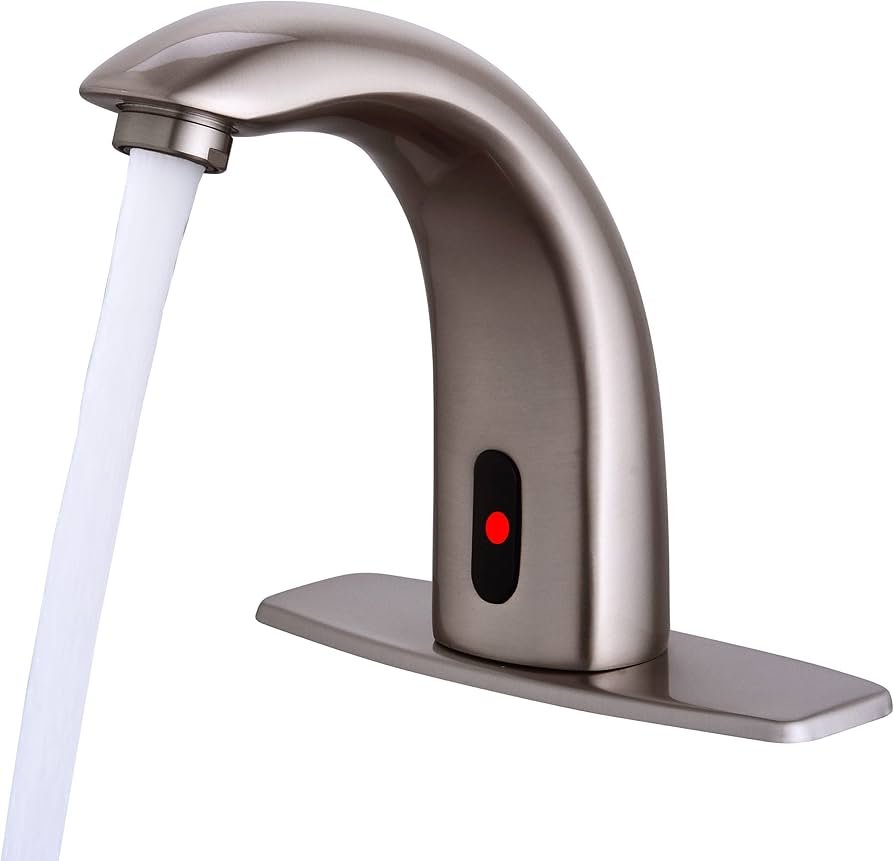
You might be thinking, “Why not just get a touchless faucet?” Good question. Touchless faucets are definitely a step up from manual ones. They use motion sensors to turn water on and off. Wave your hand under the spout, and voilà, water flows. It’s great for avoiding direct contact with the handle when your hands are dirty. You can get a pretty clean wash without spreading germs all over the place.
But here’s the thing: you still have to get your hands close to the faucet. Sometimes, you need to be precise about where you place your hands for the sensor to pick it up. And what if you just need a tiny bit of water, or you want to rinse something without directly putting your hands under the stream? You might end up waving your hands around, potentially getting the sensor area dirty. It’s good, but voice activation offers an even greater level of separation.
The Real Disadvantages of Smart Taps
So, let’s circle back to the smart taps, specifically the voice-activated ones. Besides the price tag and potential tech hiccups, what else? Well, sometimes the voice recognition isn’t perfect. You might have to repeat yourself. “Dispense water!” “I said, DISPENSE WATER!” It can be a bit frustrating if you’re in a hurry. And if you have multiple people in the house who aren’t used to it, they might just default to touching it anyway, defeating the purpose.
Source : amazon.com
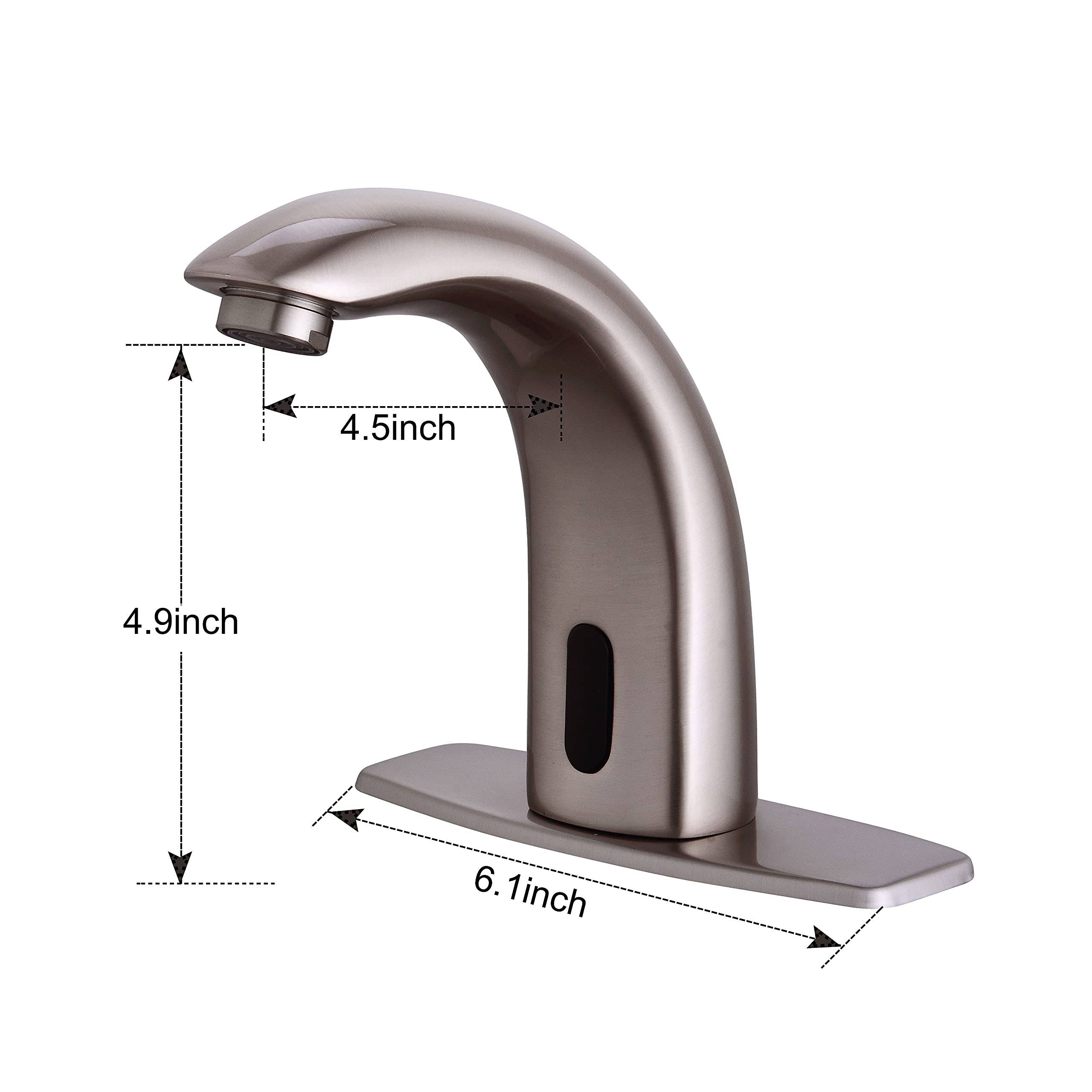
There’s also the power source. Many smart faucets need batteries or need to be plugged in, meaning you’ll need an outlet nearby or have to deal with changing batteries periodically. It’s another thing to maintain. And honestly, sometimes you just want a faucet that works without needing an update or a firmware check. It’s a trade-off: convenience and hygiene versus simplicity and reliability of a basic faucet. You’ve got to weigh what matters most to you.
FAQ: Your Burning Questions Answered
What are the disadvantages of smart taps?
Honestly? They can be pricey, sometimes way more than a standard faucet. You’re also dealing with technology, which means potential glitches, Wi-Fi issues, or the need for battery changes. Plus, voice recognition isn’t always perfect – you might end up repeating yourself. It adds a layer of complexity that a simple faucet just doesn’t have. But for ultimate kitchen hygiene, many find it worth the hassle.
What are the disadvantages of touchless faucets?
Touchless faucets are great, but you still need to get your hands pretty close to activate them, which means the sensor area can sometimes get dirty. You might also find yourself doing a bit of hand-waving to get the water to start or stop precisely when you want it. They’re better than manual faucets for hygiene, sure, but they don’t offer the same hands-off distance that voice-activated models do.

Source : amazon.com
Are voice-activated faucets really worth the extra cost for a home kitchen?
That’s the million-dollar question, right? If you’re a serious home cook, someone who really values top-notch hygiene, or you just love playing with smart home tech, then yeah, probably. The ability to control your faucet without touching it, especially when your hands are covered in food, is a game-changer for cleanliness. But if you’re on a tight budget or prefer simpler gadgets, you might be happy with a good old-fashioned manual or even a basic touchless faucet.
How do I clean a voice-activated faucet?
Cleaning them is usually just like a regular faucet. You’ll want to use a soft cloth and mild soap or a cleaner recommended by the manufacturer. Avoid abrasive cleaners, as they can damage the finish. For the tech parts, like the speaker or sensor areas, just give them a gentle wipe. Make sure the faucet is off before you start cleaning, obviously! It’s not rocket science, just keep it clean and sparkling.
Can I install a voice-activated faucet myself?
It depends. If you’re comfortable with basic plumbing and have some DIY experience, you might be able to tackle it. Many come with pretty clear instructions. However, these are smart devices, so they might involve coecting to power or Wi-Fi during installation. If you’re unsure, or if you want to make sure it’s done right, calling a professional plumber is always the smartest move. Getting the installation perfect ensures it works flawlessly.
Frequently Asked Questions
-
What are the disadvantages of smart taps?
Honestly? They can be pricey, sometimes way more than a standard faucet. You’re also dealing with technology, which means potential glitches, Wi-Fi issues, or the need for battery changes. Plus, voice recognition isn’t always perfect – you might end up repeating yourself. It adds a layer of complexity that a simple faucet just doesn’t have. But for ultimate kitchen hygiene, many find it worth the hassle.
-
What are the disadvantages of touchless faucets?
Touchless faucets are great, but you still need to get your hands pretty close to activate them, which means the sensor area can sometimes get dirty. You might also find yourself doing a bit of hand-waving to get the water to start or stop precisely when you want it. They’re better than manual faucets for hygiene, sure, but they don’t offer the same hands-off distance that voice-activated models do.
-
Are voice-activated faucets really worth the extra cost for a home kitchen?
That’s the million-dollar question, right? If you’re a serious home cook, someone who really values top-notch hygiene, or you just love playing with smart home tech, then yeah, probably. The ability to control your faucet without touching it, especially when your hands are covered in food, is a game-changer for cleanliness. But if you’re on a tight budget or prefer simpler gadgets, you might be happy with a good old-fashioned manual or even a basic touchless faucet.
-
How do I clean a voice-activated faucet?
Cleaning them is usually just like a regular faucet. You’ll want to use a soft cloth and mild soap or a cleaner recommended by the manufacturer. Avoid abrasive cleaners, as they can damage the finish. For the tech parts, like the speaker or sensor areas, just give them a gentle wipe. Make sure the faucet is off before you start cleaning, obviously! It’s not rocket science, just keep it clean and sparkling.
-
Can I install a voice-activated faucet myself?
It depends. If you’re comfortable with basic plumbing and have some DIY experience, you might be able to tackle it. Many come with pretty clear instructions. However, these are smart devices, so they might involve coecting to power or Wi-Fi during installation. If you’re unsure, or if you want to make sure it’s done right, calling a professional plumber is always the smartest move. Getting the installation perfect ensures it works flawlessly.