Mobile Gaming Tournaments: The New King of Esports?
Forget those hulking PCs and fancy gaming chairs for a sec. Let’s talk about the real revolution happening right under our noses: mobile gaming tournaments. Yeah, I said it. The tiny screen is starting to eat the big screen’s lunch, and the esports world is noticing. For years, PC has been the undisputed champ, the place where the serious pros duked it out. But things are changing, and fast. The question isn’t if mobile will overtake PC, but when. And frankly, we might already be there.

Source : kevurugames.com
The PC Throne Is Wobbling
Look, I’ve been around the block. I’ve seen trends come and go. But this shift? This feels different. PC gaming tournaments have always been the gold standard. Think massive crowds, huge prize pools, legendary players. It’s what we picture when we hear “esports.” But ask yourself, how many people actually have a top-tier gaming PC gathering dust? Not many. Most of us? We’ve got a smartphone. It’s always with us, it’s powerful, and it’s gotten ridiculously good at gaming. This accessibility is a huge deal. It’s democratizing competitive gaming in a way PC never could.
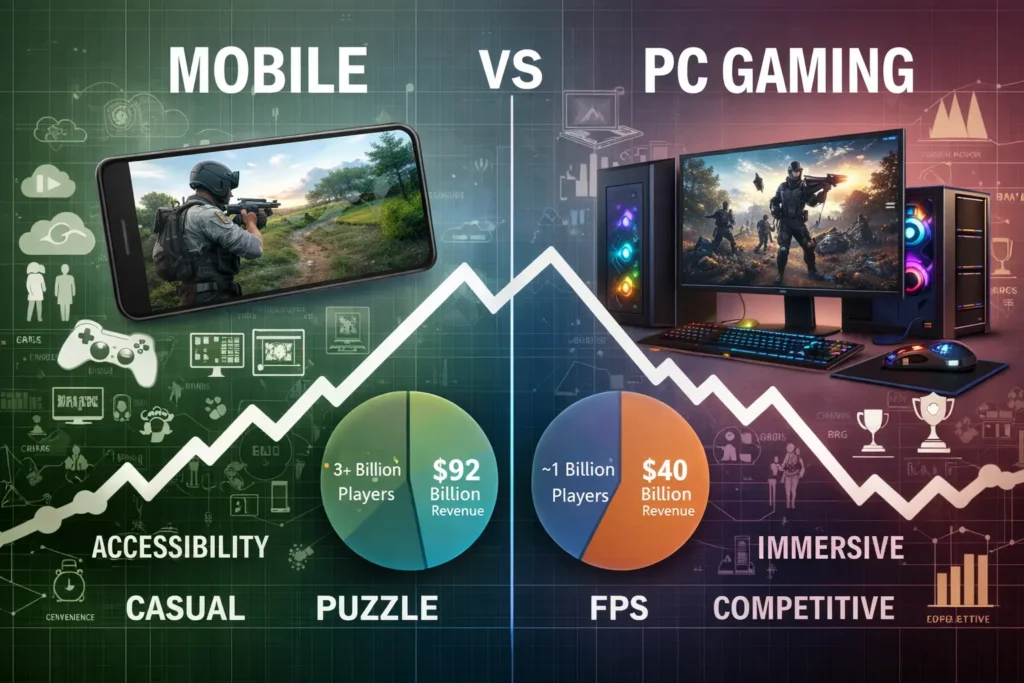
The numbers don’t lie. The mobile gaming market is absolutely booming. We’re talking billions in revenue, dwarfing PC and console combined. And with that massive player base comes a natural hunger for competition. Developers are noticing, pouring resources into creating polished, competitive mobile titles. Games like PUBG Mobile, Garena Free Fire, and Call of Duty: Mobile aren’t just casual time-killers anymore; they’re legitimate esports titles with dedicated followings and serious prize money.
Why Mobile is Stealing the Show

Source : reddit.com
Let’s break down why this is happening. First off, convenience. You can’t exactly lug your gaming rig to the bus stop, can you? But your phone? It’s already in your pocket. This means more people can play, practice, and compete, anytime, anywhere. This constant availability builds a larger, more engaged community. It’s not just for hardcore gamers who can dedicate hours in a basement; it’s for the office worker on their lunch break, the student between classes. This broad appeal is unmatched.
Then there’s the cost factor. Building a competitive PC setup? It’ll cost you a small fortune. High-end graphics cards alone can run upwards of $1000. Mobile gaming, on the other hand? Most people already own a capable smartphone. Even dedicated gaming phones are often a fraction of the cost of a decent PC rig. This lower barrier to entry means more players can jump into the competitive scene. You don’t need to be rich to play or compete. This is a massive advantage for mobile.
And the games themselves? They’re getting incredibly sophisticated. Developers are pushing the limits of mobile hardware, creating stuing visuals and complex gameplay mechanics that rival PC titles. We’re seeing console-quality experiences on our phones. Plus, the free-to-play model dominates mobile, meaning you can often try out the biggest titles without spending a dime. This further lowers the barrier to entry and expands the potential player pool for tournaments.
The Tournament Transformation
So, how does this translate to tournaments? It’s simple: more players means a bigger audience, and a bigger audience means more money and more opportunities. Mobile esports events are drawing massive viewership numbers, often rivaling or even surpassing their PC counterparts. Look at the Asian market – mobile esports is already the dominant force there. And what happens in Asia often sets the trend globally. We’re talking about millions of viewers tuning in to watch Free Fire or Mobile Legends championships. It’s absolutely wild.
Prize pools are ballooning too. While PC esports still holds some of the largest individual tournament prizes, the sheer volume of mobile tournaments, from grassroots community events to massive global championships, means more money is being distributed across a wider range of players. For many aspiring esports athletes, mobile offers a more accessible path to earning a living playing games. Think about the sheer number of amateur leagues and collegiate competitions springing up. It’s a vibrant ecosystem.
The infrastructure is catching up, too. Dedicated mobile esports arenas are being built, and streaming platforms are prioritizing mobile content. Companies are pouring sponsorships into mobile teams and tournaments because that’s where the eyeballs are. It’s a self-fulfilling prophecy: more investment leads to better production, which attracts more viewers, which attracts more investment. It’s a virtuous cycle for mobile.

Source : kevurugames.com
Challenges and the Road Ahead
Now, is it all smooth sailing? Of course not. PC gaming still holds an edge in certain genres, especially complex strategy games or those requiring extreme precision and customization. The tactile feel of a mouse and keyboard, or a dedicated controller, is hard to replicate perfectly on a touchscreen. Input lag can still be an issue, and the physical limitations of a phone screen present challenges. Developing for mobile also has its own unique set of hurdles, but the core advantage is just how many devices are already out there.
Battery life remains a concern for extended gaming sessions, although newer phones are improving rapidly. And while game libraries are vast, the depth and complexity found in some PC-only titles are still unmatched. However, the gap is closing. Cloud gaming services are starting to bridge the gap, allowing PC-quality games to be streamed to mobile devices, though this often requires a stable, high-speed internet coection. The core argument remains: the sheer number of people who can access and play competitive mobile games is simply staggering. Mobile gaming vs PC gaming is a complex debate, but the trajectory is clear.
Ultimately, the rise of mobile gaming tournaments isn’t about killing PC gaming. It’s about expanding the entire esports pie. It’s bringing competitive gaming to the masses in a way never before possible. PC will always have its dedicated fanbase and its specific genres, but the sheer accessibility, growing complexity, and massive player base of mobile mean it’s no longer a question of ‘if’ but ‘when’ it becomes the dominant force in esports. The future is mobile, folks. Get ready for it. The online gaming world is transforming before our eyes, and smartphones are leading the charge.
FAQs About Mobile Gaming’s Rise
Will mobile gaming ever truly surpass PC gaming in terms of tournament viewership?
Honestly? It’s already happening in many regions, especially Asia. Given the sheer number of smartphone users globally compared to dedicated PC gamers, and the lower barrier to entry for both playing and spectating, it’s not a matter of if but when mobile viewership will consistently outstrip PC for most major esports titles. The accessibility is just too powerful a force. We’re seeing massive online audiences.
Are mobile games as competitive as PC games?
For many genres, absolutely. While some niche PC genres might still demand the precision of a mouse and keyboard, titles like battle royales, MOBAs, and card games are incredibly deep and competitive on mobile. Developers are pouring resources into balancing and competitive integrity. Many mobile games offer features like aim assist to level the playing field, making them accessible yet still skill-based. It’s evolving rapidly.
Source : whimsygames.co
How much does it cost to get into mobile esports compared to PC esports?
Significantly less. You likely already own a decent smartphone capable of playing many popular titles. Even a dedicated gaming phone is often cheaper than a mid-range gaming PC. Entry into tournaments is often free or has a very low buy-in. Compare that to the thousands of dollars you might spend on a high-end PC rig and peripherals, and mobile is the clear wier for affordability. It’s a game-changer for accessibility.
Are mobile esports tournaments as prestigious as PC esports tournaments?
They’re rapidly gaining prestige. While PC esports has a longer history and some iconic tournaments, mobile esports events are now attracting massive prize pools, global viewership, and major brand sponsorships. The scale of mobile events, especially in Asia, is already immense. As the games mature and production values increase, the prestige gap is closing fast. It’s about where the players and viewers are.
What are the biggest mobile games driving the tournament scene?
The heavy hitters include titles like PUBG Mobile, Garena Free Fire, Call of Duty: Mobile, Mobile Legends: Bang Bang, and Clash Royale. These games boast enormous player bases and have well-established competitive circuits with significant prize pools and dedicated fan followings. They represent the cutting edge of mobile competition, showcasing intense skill and strategy that captivates millions. You can learn more about mobile vs. PC gaming to see the trends.
Frequently Asked Questions
-
Will mobile gaming ever truly surpass PC gaming in terms of tournament viewership?
Honestly? It’s already happening in many regions, especially Asia. Given the sheer number of smartphone users globally compared to dedicated PC gamers, and the lower barrier to entry for both playing and spectating, it’s not a matter of if but when mobile viewership will consistently outstrip PC for most major esports titles. The accessibility is just too powerful a force. We’re seeing massive online audiences.
-
Are mobile games as competitive as PC games?
For many genres, absolutely. While some niche PC genres might still demand the precision of a mouse and keyboard, titles like battle royales, MOBAs, and card games are incredibly deep and competitive on mobile. Developers are pouring resources into balancing and competitive integrity. Many mobile games offer features like aim assist to level the playing field, making them accessible yet still skill-based. It’s evolving rapidly.
-
How much does it cost to get into mobile esports compared to PC esports?
Significantly less. You likely already own a decent smartphone capable of playing many popular titles. Even a dedicated gaming phone is often cheaper than a mid-range gaming PC. Entry into tournaments is often free or has a very low buy-in. Compare that to the thousands of dollars you might spend on a high-end PC rig and peripherals, and mobile is the clear wier for affordability. It’s a game-changer for accessibility.
-
Are mobile esports tournaments as prestigious as PC esports tournaments?
They’re rapidly gaining prestige. While PC esports has a longer history and some iconic tournaments, mobile esports events are now attracting massive prize pools, global viewership, and major brand sponsorships. The scale of mobile events, especially in Asia, is already immense. As the games mature and production values increase, the prestige gap is closing fast. It’s about where the players and viewers are.
-
What are the biggest mobile games driving the tournament scene?
The heavy hitters include titles like PUBG Mobile, Garena Free Fire, Call of Duty: Mobile, Mobile Legends: Bang Bang, and Clash Royale. These games boast enormous player bases and have well-established competitive circuits with significant prize pools and dedicated fan followings. They represent the cutting edge of mobile competition, showcasing intense skill and strategy that captivates millions. You can learn more about mobile vs. PC gaming to see the trends.