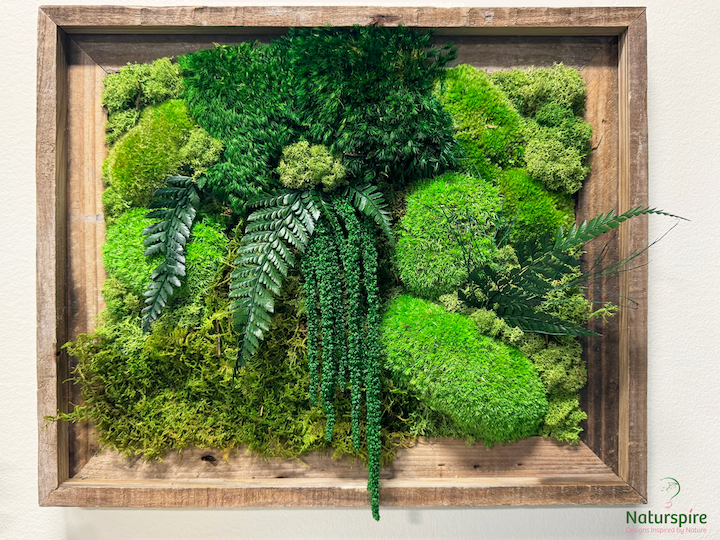
Living Walls and Moss Frames: Bring the Outdoors In
Alright, let’s talk about something seriously cool: bringing the outdoors inside. I’m not just talking about a sad little potted plant on your desk. I mean actual, legit nature on your walls. We’re diving deep into living walls and those stuing moss frames. Forget sterile, boring boxes. We’re making your space a breathing, vibrant sanctuary. Think less sterile office, more enchanted forest, right in your living room. It’s about time we ditched the concrete jungle vibe and embraced something a bit more… alive. Seriously, who wouldn’t want a slice of the wild inside their home? It’s not just decor; it’s a mood booster, an air purifier, and a downright conversation starter. So, let’s get into the nitty-gritty of making your own green oasis.

Source : coeindy.com
The Allure of Greenery Indoors
Look, we all feel it. That deep-down craving for green. Maybe it’s because we spend way too much time staring at screens, or perhaps it’s just in our DNA. Whatever the reason, there’s something incredibly grounding about being surrounded by plants. Living walls, those vertical gardens bursting with life, are like a breath of fresh air – literally. They’re not just pretty; they clean your air, boost your mood, and can even help with acoustics. It’s a total package deal for your well-being. And moss frames? They’re like miniature, preserved ecosystems you can hang anywhere. Instant wow factor, zero daily watering required. Seriously, these things are magic. We’re talking about taking your interior design from drab to fab with just a touch of nature’s artistry. It’s the ultimate hack for a more serene and stylish home.
Living Walls: More Than Just Pretty Plants
So, what exactly is a living wall? It’s basically a vertical garden. Think hydroponics or a soil-based system where plants grow right out of the wall structure. We’re talking ferns, succulents, air plants, maybe even some trailing vines. It’s a whole ecosystem you’re installing. The benefits? Oh boy, where do I start? They drastically improve indoor air quality by filtering out toxins. Studies even show they can reduce stress and boost concentration. Imagine walking into your home after a crazy day and being greeted by a lush, green spectacle. It’s like a mini-vacation every single day. Plus, they add a unique texture and depth to any room that a painting just can’t match. These aren’t your grandma’s fussy houseplants; these are statement pieces. They’re living art.

Source : themossshop.com
Types of Living Walls
You’ve got a few main players in the living wall game. There are the soil-based systems, which are pretty straightforward – plants grow in a soil medium attached to the wall. Then you have hydroponic setups, which use nutrient-rich water instead of soil. These can be super efficient but might require a bit more technical know-how. And don’t forget the popular pocket systems, where plants nestle into fabric pockets. Each has its own vibe, its own maintenance needs, and its own aesthetic. Thinking about your space, your commitment level, and the kind of look you’re going for will help you pick the right one. It’s not a one-size-fits-all situation, but that’s the beauty of it – you can tailor it to your exact needs.
Caring for Your Living Wall
Now, before you get visions of a jungle taking over your apartment, let’s talk care. It’s not hard, but it requires a bit of attention. Most living walls need a regular watering schedule – some systems self-water, others need a manual soak. You’ll also want to keep an eye on lighting; most plants need decent indirect light. Pruning is key to keeping it looking sharp, just like any garden. And feeding? A diluted liquid fertilizer every now and then usually does the trick. Think of it less as a chore and more as tending to your own personal slice of nature. It’s a rewarding ritual, honestly. You’re nurturing life, right there on your wall. It coects you to something bigger.
Moss Frames: The Low-Maintenance Marvels
Okay, okay, I hear you. Maybe a full-blown living wall sounds like a bit much. That’s where moss frames come in. These are absolute game-changers for people who want that natural vibe without the watering schedule. We’re talking preserved moss – think reindeer moss, sheet moss, mood moss – artfully arranged in a frame. It’s completely maintenance-free. No watering, no sunlight needed, just pure, unadulterated green goodness. You can find these gorgeous pieces everywhere. Check out the stuing collections at The Moss Shop – they have a ton of variety. These frames add texture, color, and a touch of organic elegance to any space. It’s like bringing a piece of a forest floor indoors, but without the creepy crawlies (we’ll get to that later). They’re perfect for accent walls, entryways, or even offices where keeping plants alive is, shall we say, a challenge.
The Magic of Preserved Moss
What makes preserved moss so special? It’s real moss that’s been treated with a non-toxic, biodegradable solution. This process keeps it soft, vibrant, and looking exactly like it did when it was living, but without any of the upkeep. It’s eco-friendly and lasts for years. You get all the visual benefits – the rich textures, the deep greens, the natural feel – without any of the plant-parent stress. Seriously, it’s the ultimate interior design hack. You get that biophilic design element, that coection to nature, without needing a green thumb. It’s a win-win. Think about the sheer artistry involved in creating these pieces. It’s not just slapping moss onto a board; it’s designing a miniature landscape. A true art form.

Source : themossshop.com
Where to Find Awesome Moss Art
You’re probably wondering where to snag one of these beauties. Like I said, The Moss Shop is a fantastic place to start. They have everything from small, individual frames to large, statement pieces. Another great spot for unique plant-based art, including moss frames, is Forest Homes. They focus on bringing natural elements into your home in stylish ways. Look for places that offer custom options if you have a specific size or color palette in mind. The key is finding a piece that speaks to you, that adds that natural, calming element you’re looking for. Don’t be afraid to explore different styles and sizes to find the perfect fit for your space.
Biophilic Design: Why We Crave Nature
So, why are we so obsessed with bringing nature indoors? It’s called biophilic design. Basically, it’s the idea that humans have an iate tendency to seek coections with nature. It’s why we love parks, beaches, and, you guessed it, plants in our homes. Surrounding ourselves with natural elements can reduce stress, improve cognitive function, and just make us feel plain happier. Living walls and moss frames are perfect examples of biophilic design in action. They tap into that deep-seated need for natural coection, making our living and working spaces more restorative and inspiring. It’s not just a trend; it’s a fundamental human need we’re finally addressing in our built environments. Think about it: when you feel stressed, where do you want to go? Probably somewhere green, right? This is that, but built-in.
Benefits Beyond Aesthetics
Let’s be clear: this isn’t just about making your place look pretty. The benefits are HUGE. For living walls, you’re getting improved air quality. Plants naturally filter out pollutants like formaldehyde and benzene. They also increase humidity, which can be a lifesaver in dry climates or during winter. This can help with dry skin, sore throats, and even reduce static electricity. For both living walls and moss frames, there’s a proven psychological boost. Reduced stress, improved mood, increased creativity. It’s like a natural antidepressant and productivity booster rolled into one. You’re investing in your health and happiness, not just your decor. It’s a smart move for your overall well-being.
Making Your Space ‘Biophilic’
You don’t need a full-scale living wall to embrace biophilic design. Even a few well-placed moss frames can make a difference. Think about incorporating natural light wherever possible, using natural materials like wood and stone, and bringing in plants. Even views of nature from your windows count! The goal is to create a coection between your indoor space and the natural world. It’s about creating an environment that feels calming, restorative, and grounding. Start small – maybe a single, beautiful moss frame to start. Or a small grouping of easy-care plants. Gradually add more elements as you get comfortable. It’s a journey, not a destination. A beautiful, green journey.

Source : themossshop.com
Living Walls vs. Moss Frames: Which is Right for You?
So, the big question: living wall or moss frame? It totally depends on your lifestyle and what you’re looking for. If you’re ready for a bit of a commitment, love the idea of a lush, evolving garden indoors, and want those top-tier air-purifying benefits, a living wall is your jam. You’ll need to dedicate some time to watering, light, and maybe occasional pruning. But the reward? A dynamic, breathing piece of nature. On the other hand, if you want that natural beauty with zero fuss, zero watering, and maximum aesthetic impact, a moss frame is your best bet. They’re perfect for busy people, renters, or anyone who wants to add a touch of green without the responsibility. Think of it as the difference between a pet and a stuing piece of art. Both bring joy, but one requires a lot more daily attention.
The Commitment Factor
Let’s be real about commitment. A living wall is like having a pet plant. It needs regular check-ins, water, and the right environment. If you travel a lot or just forget to water things (we’ve all been there!), a living wall might turn into a sad brown wall. Moss frames, though? They’re the low-maintenance friends. They sit there looking gorgeous, requiring nothing from you but occasional dusting. You can go on vacation for a month and come back to the exact same beautiful moss art. This low-fuss nature makes them incredibly appealing for many people. It’s about matching the ‘living’ element to your actual life.
Budget Considerations
Cost is always a factor, right? Living walls can be a significant investment upfront. You’ve got the structure, the plants, the irrigation system (if applicable), and installation. It can range from a few hundred to several thousand dollars, depending on size and complexity. Moss frames, on the other hand, are generally much more affordable. You can find smaller frames for under $100, and even larger, more elaborate pieces are often less expensive than a comparable-sized living wall installation. Of course, prices vary wildly based on the artist, the size, and the types of moss used. But generally, if budget is tight, moss frames offer a more accessible way to bring natural beauty indoors. It’s about finding that sweet spot between your budget and your desire for green.
Aesthetic Impact
Both options offer a huge aesthetic impact, just in different ways. A living wall is a vibrant, ever-changing statement. It adds a lushness and dynamism that’s unparalleled. It can completely transform a room. Moss frames offer a more controlled, artistic beauty. They provide texture, color, and a natural element that’s sophisticated and grounding. They can be arranged in a gallery wall, used as a single focal point, or even incorporated into other decor. A moss frame is like a beautiful painting of nature; a living wall is like nature itself, brought indoors. Both are incredibly impactful, just different flavors of awesome. Consider the overall style of your space and what kind of natural ‘vibe’ you’re aiming for.

Source : themossshop.com
Maintenance and Longevity
This is where the paths diverge significantly. Living walls, by their very nature, are alive. They grow, they need water, they need light. Their longevity depends entirely on the care they receive and the health of the plants. A well-maintained living wall can thrive for years, offering continuous beauty and benefits. However, a neglected one can quickly decline. Moss frames, with preserved moss, are incredibly long-lasting. As long as they’re kept out of direct, harsh sunlight and away from excessive moisture (which can cause mold), they can look great for a decade or more. They’re essentially static art pieces. The longevity of a moss frame is its superpower for those seeking lasting decor with minimal effort.
Troubleshooting Common Issues
Even with the best intentions, things can pop up. For living walls, common issues include pests (like fungus gnats – ugh!), nutrient deficiencies, or plants not thriving due to improper lighting or watering. Often, these are fixable with adjustments to care routines or targeted treatments. With moss frames, issues are rare but can include fading over long periods if exposed to direct sun, or slight shedding if handled roughly. The biggest ‘issue’ is avoiding moisture, which can damage the moss and backing. Honestly, compared to keeping houseplants alive, dealing with a moss frame is a breeze. It’s about understanding the very different needs of living vs. preserved nature.
The ‘Living’ Part of Living Walls
What does ‘living’ really mean here? It means these plants are actively growing, photosynthesizing, and transpiring. They’re part of a biological process happening in your home. This is fantastic for air quality and a sense of vibrancy. It also means they require ongoing care. You’re not just installing decor; you’re installing a mini-ecosystem. You’ll need to monitor moisture levels, ensure adequate light penetration, and occasionally prune or replace plants that aren’t performing well. It’s an interactive relationship with your wall. This dynamic aspect is what makes living walls so special and engaging for plant lovers.
Frequently Asked Questions
How do you keep an indoor moss wall alive?
Keeping a living moss wall alive is all about consistent care. You absolutely need to ensure it gets the right amount of moisture. Most systems have built-in irrigation, but you’ll need to monitor that and refill reservoirs. Lighting is key, too; even low-light plants need some indirect light to survive. Think about placement carefully. Feeding with a diluted liquid fertilizer every few weeks helps keep the plants healthy. And don’t forget to prune occasionally to keep its shape and prevent overgrowth. It’s not super hard, but it requires a routine. If you’re more about the look than the ongoing ‘life,’ a preserved moss frame is your best bet.
What are the disadvantages of moss walls?
Okay, let’s get real. Living moss walls can be a bit demanding. They require a consistent watering schedule, which means you need a reliable system or you need to be on top of manual watering. If you travel often or have a super busy schedule, this can be tough. They also need adequate indirect light; they won’t thrive in a dark corner. Installation can be pricey and complex, often requiring professional help. Plus, there’s always a small risk of pests or mold if conditions aren’t right. And let’s not forget, they can be heavy, so your wall structure needs to support the weight. So, disadvantages? Mostly the commitment and potential costs.
Do moss walls attract bugs?
This is a great question! For living moss walls, yes, there’s a possibility. Because they’re living, organic systems, they can sometimes attract small insects like fungus gnats or spider mites, especially if there’s consistently too much moisture. It’s not usually a major infestation, but it can happen. You manage it like you would any houseplant issue – with natural pest control methods. However, preserved moss frames? Generally, no. Since the moss is treated and not alive, it doesn’t provide a food source or habitat for bugs. You’re way less likely to have creepy crawlies with a moss frame. It’s one of the perks of going the preserved route!
Are moss walls expensive?
That depends entirely on whether you mean a living moss wall or a preserved moss frame. A full-scale, professionally installed living moss wall can be a significant investment, often ruing into the thousands of dollars, depending on the size, complexity, and system used. DIY kits are cheaper but still require a budget. Preserved moss frames, on the other hand, are generally much more budget-friendly. You can find smaller pieces for under $100, and even large, elaborate frames are typically a fraction of the cost of a living wall. So, while living walls can be pricey, there are definitely affordable ways to get that mossy aesthetic.
Can you put a moss wall in a bathroom?
A bathroom? Intriguing idea! For a living moss wall, it can actually be a great spot because bathrooms often have higher humidity, which many plants love. Just make sure there’s decent ventilation and indirect light. You don’t want it to get too damp, though. For preserved moss frames, bathrooms are generally fine, but I’d still keep them away from direct shower spray. Excessive moisture over long periods could potentially affect the preservation, though it’s usually not a major issue. Both can work, but consider the specific conditions of your bathroom. It’s all about the environment!