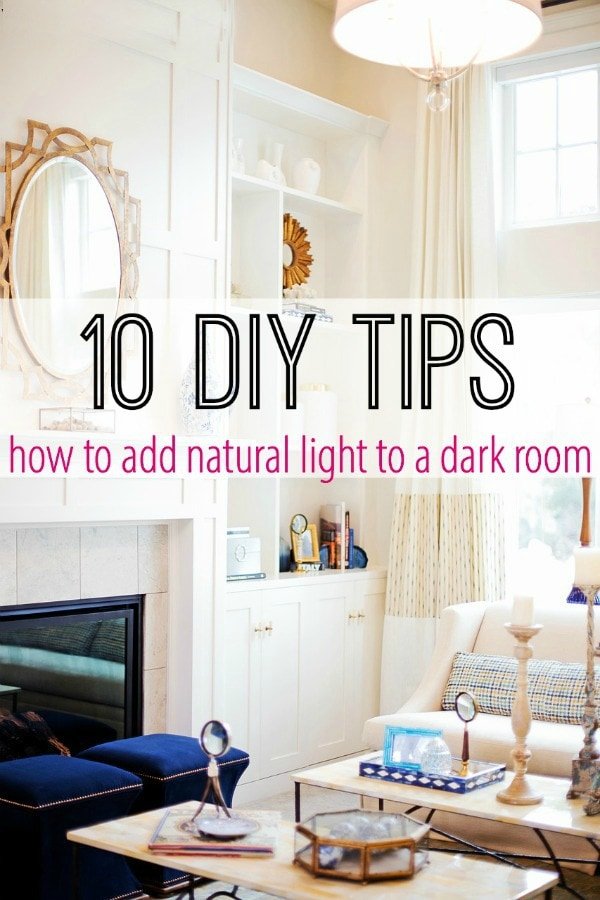
The Secret Life of a Dark Room: How to Make it Glow
So, you’ve got that one room. You know the one. The one that feels like a cave, no matter what you do. Maybe it’s that basement den, a windowless office, or just a corner of your house that the sun seems to actively avoid. It’s a bummer, right? But listen, don’t throw in the towel just yet. That gloomy space doesn’t have to stay that way. We’re going to pull back the curtains, metaphorically speaking, and dig into how to actually make dark spaces brighter using the magic of natural light. Forget those gloomy vibes; we’re aiming for an atmosphere that feels alive.
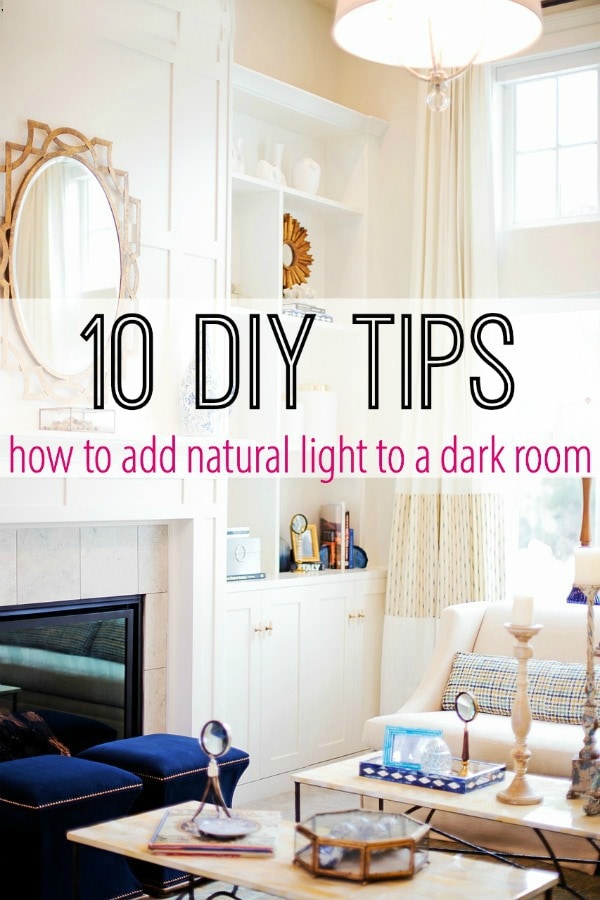
Source : courtneyssweets.com
Chase the Sun (Even When It’s Not There)
Okay, first things first. You can’t force sunlight where there isn’t any. But you can be super smart about how you let whatever light is there do its job. Think about how light bounces. It hits surfaces, right? So, what are you hitting it with?
Paint It Light
This is the oldest trick in the book, and for good reason. Dark walls suck up light like a sponge. Seriously. That deep navy or forest green, while gorgeous in a sun-drenched room, can make a dark space feel even more suffocating. You gotta go light. Think soft whites, pale grays, even a whisper of a pastel. These colors act like little mirrors, bouncing the available light around the room. It’s not just about making the walls brighter; it’s about giving the light something to play with. Go for a matte or eggshell finish, too. High gloss can be flashy, but it sometimes creates glare that’s more aoying than helpful. A good quality light paint color is your first weapon.
Mirror, Mirror, On the Wall
This is where things get really fun. Mirrors. They’re not just for checking your hair. They are, in essence, artificial windows. Place a strategically sized mirror opposite your main light source (even if it’s just a lamp) and watch the magic happen. It’s going to bounce that light right back into the room, making it feel significantly larger and, you guessed it, brighter. Think about angling them, too. You can bounce light deeper into a room. A large floor mirror can make a huge difference, or even a gallery wall of smaller mirrored frames. It’s about tricking the eye and making that dark space feel bigger.

Source : youtube.com
Reflective Surfaces Are Your Friend
It’s not just mirrors, though. Think about other things that reflect light. Shiny furniture finishes, metallic accents, even a well-placed glossy tile or a crystal lamp can help. These elements catch whatever light is available and throw it back into the room. You don’t need to go full disco ball, but incorporating a few of these elements can significantly impact the perceived brightness. Imagine a satin-finish cabinet door or a chrome side table. They’re subtle players, but they work hard. Consider a glossy finish furniture piece.
Let Us Shine a Light on Your Design
Sometimes, you just need more light. And no, I’m not just talking about lamps (though we’ll get to that). I’m talking about bringing the actual light in. This is where things like sun tubes or light tuels come into play. You’ve probably seen them. They’re basically a tube with highly reflective insides that captures sunlight on the roof and chaels it down into a room, even if there’s no attic space above. It’s like a direct skylight, but way more flexible. This is a serious game-changer for windowless rooms. You can get sunlight into any room, no matter how deep into the house it is. It’s a fantastic way to add natural light without a major renovation.
Window Treatments: Less is More
Got windows? Great. Now, don’t smother them. Heavy, dark curtains are light’s worst enemy. They just block everything. If you need privacy, opt for sheer fabrics, light-filtering blinds, or even shutters that you can open fully. The goal is to let as much natural light pass through as possible. Even in a room that doesn’t get much direct sun, maximizing what little it receives is key. Think about the direction your windows face, too. North-facing windows get cooler, softer light, while south-facing ones get brighter, warmer light. Understanding this helps you maximize window light.
Furniture Placement: Don’t Block the Path
This is a big one people often overlook. Where you put your furniture matters. Don’t shove a massive bookshelf right in front of the only window. Give that light a clear path to travel into the room. Arrange your furniture so it doesn’t obstruct the windows or create dark corners. Open, airy furniture can also help. Think pieces with legs that allow light to flow underneath, rather than solid, blocky items. It’s about creating an open flow for both light and air. Consider strategic furniture arrangement.

Source : houzz.co.nz
Flooring Matters
Your floor is a huge surface area. A dark, heavily patterned rug or dark wood can absorb a surprising amount of light. Lighter flooring, like pale wood, light-colored tile, or even a large, light-colored rug, can make a big difference. It reflects light upwards, helping to brighten the entire space. Think of it as contributing to that overall bounce effect. A light-colored floor can make a room feel airier.
Declutter Like Your Life Depends On It
Seriously, clutter is the enemy of light. Piles of stuff, whether on shelves, tables, or the floor, create shadows and make a room feel smaller and darker. Embrace minimalist tendencies. Keep surfaces clear. The less visual noise, the more light can travel and the more open the space will feel. It’s amazing how much brighter a room can feel just by tidying up. Less stuff means more light reflection.
Bring the Outdoors In (Carefully)
Plants can add life and color, but be strategic. Very dark, dense foliage can sometimes absorb light. Opt for plants with lighter green leaves or variegated patterns. Place them near windows or light sources where they can be seen and appreciated without becoming dark obstacles. A hanging plant near a window can add a touch of green without taking up precious surface space. It’s about adding life without adding shadow. Think live plants near windows.
Embrace Layers of Lighting
Okay, we talked about natural light, but let’s be real: you’re going to need artificial light, especially at night or on truly gloomy days. The key is layering. Don’t rely on a single overhead fixture. Use a combination of ambient (general), task (for specific activities), and accent (decorative) lighting. Think floor lamps, table lamps, sconces. Layering creates depth and allows you to control the mood. Smart bulbs can even be adjusted for color temperature, mimicking daylight. Good layered lighting is crucial for dark spaces.
Making it Work: Real-World Examples
Let’s talk about how this plays out. I had a client with a basement office. No windows. It was brutal. We went with extra-light grey walls, a huge strategically placed mirror opposite where her desk would be, and a long, light-colored rug. For lighting, we used two floor lamps and a bright desk lamp. The difference was night and day (pun intended). She said she could finally work down there without feeling claustrophobic. It wasn’t about making it feel like a sunroom, but about making it feel functional and pleasant. It’s about making the most of what you have, like how dealing with a windowless room is all about smart choices.
:max_bytes(150000):strip_icc()/112102-house9-project2-cotswoldbarn-9-OUK-65737630ae2f4306ae50c45ded7b781b.jpg)
Source : thespruce.com
Another example: a narrow hallway in an older house. It was perpetually dim. We painted it a crisp white, hung a series of smaller mirrors at eye level along one wall, and added a subtle wall sconce. Suddenly, it wasn’t a tuel of gloom anymore. It felt more open, more inviting. It just goes to show that even small changes can have a massive impact. It’s not about a magic bullet, but a series of thoughtful decisions. This is how you brighten a narrow hallway.
The Power of Reflective Art
Don’t forget your art! Heavy, dark paintings can contribute to the gloom. Opt for artwork with lighter palettes, metallic elements, or even framed photography that evokes open spaces. A piece with a glossy finish or a metallic frame can act like a mini-mirror, bouncing light around. Consider a mirrored mosaic piece or a painting with metallic accents. It’s another way to incorporate reflective surfaces subtly. Think about artwork with metallic accents.
Light-Colored Doors and Trim
Even the doors and trim matter. Dark doors and trim can chop up the space visually and absorb light. Painting them white or a very light color can help them recede and allow the walls to create a more continuous, brighter surface. If you have interior doors that don’t need to be imposing, consider painting them the same light color as the walls, or a crisp white. This creates a more seamless, expansive feel. It’s about keeping trim bright.
FAQ Section
How can I make a dark room feel brighter without expensive renovations?
Easy peasy. Focus on paint – super light, reflective colors. Get a bunch of mirrors; hang them opposite windows or light sources. Swap out dark furniture for lighter pieces. And declutter like crazy! Seriously, just getting rid of junk makes a huge difference. You’d be shocked how much light you can bounce around with just a few smart, cheap tricks. It’s all about smart, cheap tricks.
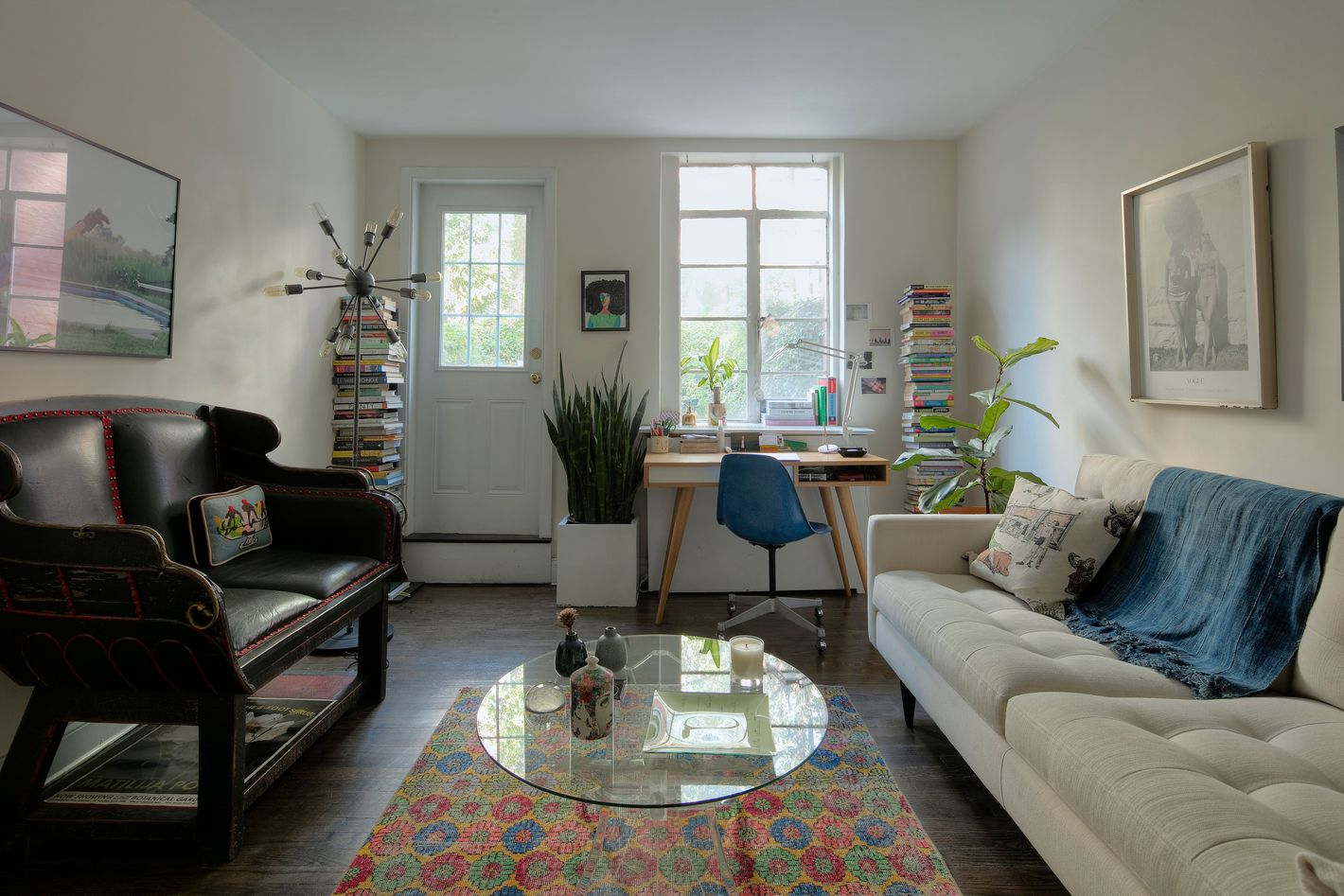
Source : nymag.com
What are the best paint colors for dark rooms?
Stick to the lightest end of the spectrum. Think crisp whites (like a true white, not creamy), very pale grays, soft off-whites, and even subtle, almost-off-the-charts pastels like a faint blush or a whisper of blue. The key is high reflectivity. Matte or eggshell finishes are usually best; they don’t create distracting glare. Avoid anything with a heavy undertone that might make it look dingy in low light. You want colors that truly reflect maximum light.
Can plants make a dark room darker?
They can, if you’re not careful! Big, dark, leafy plants can indeed absorb light and make a space feel heavier. But don’t give up on greenery! Opt for plants with lighter green leaves, variegated patterns (like a pothos with white or yellow streaks), or trailing plants that you can hang. Place them strategically near windows or light sources where they add life without creating deep shadows. Think of them as living decor that should help, not hinder. It’s about choosing the right plants.
What’s the deal with reflective surfaces? How much is too much?
Reflective surfaces are your secret weapon! Think mirrors, metallic finishes on furniture or decor, even glossy tiles. They bounce light around, making a room feel more open and airy. How much is too much? Well, you don’t want your room to feel like a funhouse. A few key pieces work wonders. A large statement mirror, some metallic accent pieces (like lamp bases or picture frames), maybe a satin-finish cabinet – these are great. It’s about strategic placement, not covering every surface. You’re aiming for subtle enhancement, not a blinding effect. It’s all about strategic reflective placement.
What kind of artificial lighting should I use in a dark room?
Layering is key! Don’t just rely on one ceiling light. Use a combination: ambient light (like a stylish floor lamp), task lighting (a good reading lamp or desk lamp), and accent lighting (maybe a small lamp on a shelf). Dimmers are your best friend, allowing you to control the intensity. Consider the color temperature of your bulbs, too – warmer tones (around 2700K) are cozy, while cooler tones (4000K+) can feel more like daylight, which is great for workspaces. You want flexible lighting options.
Frequently Asked Questions
-
How can I make a dark room feel brighter without expensive renovations?
Easy peasy. Focus on paint – super light, reflective colors. Get a bunch of mirrors; hang them opposite windows or light sources. Swap out dark furniture for lighter pieces. And declutter like crazy! Seriously, just getting rid of junk makes a huge difference. You’d be shocked how much light you can bounce around with just a few smart, cheap tricks. It’s all about smart, cheap tricks.
-
What are the best paint colors for dark rooms?
Stick to the lightest end of the spectrum. Think crisp whites (like a true white, not creamy), very pale grays, soft off-whites, and even subtle, almost-off-the-charts pastels like a faint blush or a whisper of blue. The key is high reflectivity. Matte or eggshell finishes are usually best; they don’t create distracting glare. Avoid anything with a heavy undertone that might make it look dingy in low light. You want colors that truly reflect maximum light.
-
Can plants make a dark room darker?
They can, if you’re not careful! Big, dark, leafy plants can indeed absorb light and make a space feel heavier. But don’t give up on greenery! Opt for plants with lighter green leaves, variegated patterns (like a pothos with white or yellow streaks), or trailing plants that you can hang. Place them strategically near windows or light sources where they add life without creating deep shadows. Think of them as living decor that should help, not hinder. It’s about choosing the right plants.
-
What's the deal with reflective surfaces? How much is too much?
Reflective surfaces are your secret weapon! Think mirrors, metallic finishes on furniture or decor, even glossy tiles. They bounce light around, making a room feel more open and airy. How much is too much? Well, you don’t want your room to feel like a funhouse. A few key pieces work wonders. A large statement mirror, some metallic accent pieces (like lamp bases or picture frames), maybe a satin-finish cabinet – these are great. It’s about strategic placement, not covering every surface. You’re aiming for subtle enhancement, not a blinding effect. It’s all about strategic reflective placement.
-
What kind of artificial lighting should I use in a dark room?
Layering is key! Don’t just rely on one ceiling light. Use a combination: ambient light (like a stylish floor lamp), task lighting (a good reading lamp or desk lamp), and accent lighting (maybe a small lamp on a shelf). Dimmers are your best friend, allowing you to control the intensity. Consider the color temperature of your bulbs, too – warmer tones (around 2700K) are cozy, while cooler tones (4000K+) can feel more like daylight, which is great for workspaces. You want flexible lighting options.