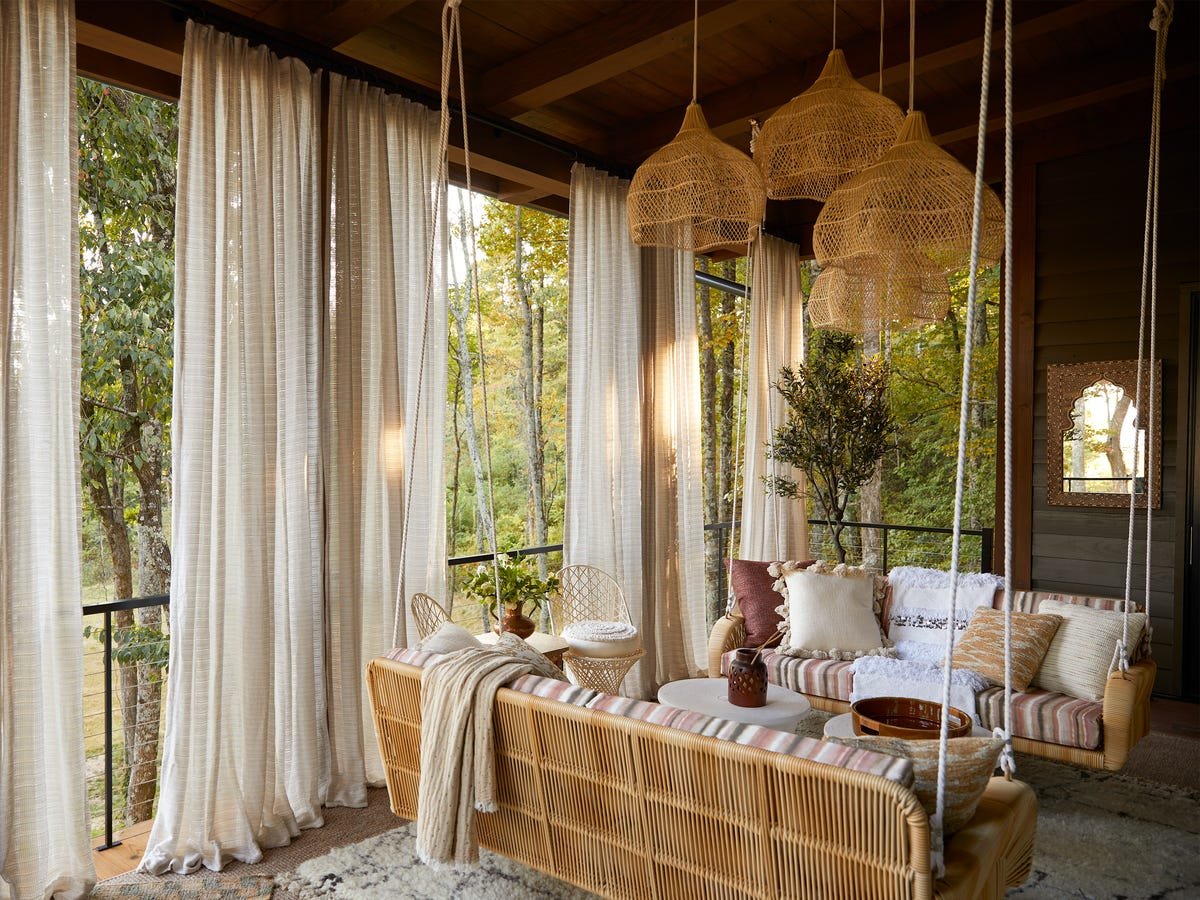
Biophilic Design: Bringing Nature Indoors, The Real Way
Forget those sad little succulents you bought on a whim. Biophilic interior design isn’t just about shoving a few plants into a corner and calling it a day. It’s a whole vibe, a philosophy that digs deep into our innate human need to connect with the natural world. Honestly, after the last few years we’ve had? Who isn’t craving a bit more green in their lives? We’re talking about creating spaces that don‘t just look good, but actually feel good. Think less sterile office, more serene forest bath. Let’s dig into how we can actually pull this off, without making our homes look like a jungle that got out of control.

Source : housebeautiful.com
Why We’re So Obsessed with Nature Indoors
It’s no accident that stepping outside into a park can instantly lower your blood pressure. We’re biologically wired for this stuff. For millennia, our ancestors lived and breathed the outdoors. Cities, screens, concrete jungles – they’re relatively new on the human timeline. Our brains and bodies are still catching up. That’s where biophilic design steps in. It’s about consciously bringing elements of nature – light, water, plants, natural materials – into the built environment. It’s not just a trend; it’s a return to something fundamental. Studies show this connection can boost creativity, reduce stress, and even improve our overall well-being. Pretty powerful, right?
It’s More Than Just Plants: Key Biophilic Elements
Okay, so plants are great. But biophilic design is a much broader conversation. It’s a whole toolkit of ways to mimic the sensory experiences we get from nature. We’re talking about more than just slapping a Pothos on your bookshelf. It’s about understanding the essence of nature and translating that into your living or working space. Let’s break down the core ingredients.
The Biophilic Design Hit List
Natural Light & Ventilation
This is huge. The OG. Big windows that let in loads of sunshine? That’s biophilic gold. We’re talking about maximizing daylight and making sure fresh air can actually circulate. Think about how much better you feel on a sunny day, even if you’re just sitting by a window. It’s about creating that connection to the outdoors, that sense of time passing with the sun’s movement. Forget relying solely on harsh overhead lights; let nature do the heavy lifting. Open windows, skylights, sun tubes – anything that brings the outside in, naturally.
Water Features
The sound of a trickling stream or a gentle fountain? Instantly calming, isn’t it? Water is a universal symbol of life and tranquility. Incorporating a small indoor fountain, a tabletop waterfall, or even just a tastefully placed fish tank can create a soothing ambiance. It adds a dynamic, sensory element that static objects just can’t replicate. The subtle movement and the gentle sound can completely change the feel of a room, creating a truly relaxing atmosphere.
Natural Materials & Textures
Wood grain. Rough stone. Soft wool. These are the textures our senses crave. Using materials like reclaimed wood, bamboo, cork, natural stone, or even woven fibers grounds a space. They bring an organic, tactile quality that synthetic materials often lack. Think a chunky knit throw, a live-edge wooden table, or a slate tile backsplash. These elements add visual interest and a sense of earthiness, connecting us back to the raw beauty of the planet. It’s about choosing materials that feel authentic and have a story to tell.
Biomorphic Forms & Patterns
Nature is full of incredible shapes and patterns – the spiral of a seashell, the branching of a tree, the honeycomb structure. Biomorphic design mimics these organic forms. Think curved furniture, repeating patterns inspired by leaves or waves, or even art that reflects natural geometry. It’s subtle, but these shapes tap into our subconscious appreciation for natural order and beauty. It makes spaces feel more harmonious and less rigidly geometric. You’ll start spotting these natural shapes everywhere once you know what to look for!
Views of Nature
Sometimes the simplest approach is the most effective. If you’re lucky enough to have a great view of trees, a garden, or even just the sky, make it the star. Position your furniture to take advantage of it. Keep windows unobstructed. If your view isn’t exactly breathtaking (no judgment!), consider bringing the outside in with large-scale nature photography or artwork. Even a well-tended balcony garden can serve as your personal nature escape. It’s about creating a visual link, a constant reminder of the world beyond your four walls. And hey, you can totally do biophilic design on a budget, check out these tips.
Color Palette Inspired by Nature
Think earthy tones: greens, browns, blues, sandy beiges. These colors are inherently calming and familiar. They create a sense of peace and balance. You don’t have to go full forest green everywhere, but incorporating these natural hues through paint, textiles, or decor can significantly impact the mood of your space. It’s about creating a palette that feels restorative and deeply connected to the outdoors.
Bringing Nature Indoors: Living Walls and Moss Frames

Source : coeindy.com
Look, you want to feel like you’re actually in nature, right? Not just looking at a picture. That’s where living walls come in. Forget a sad little potted fern. We’re talking about a whole vertical garden exploding with life right there in your living room. It’s a serious statement piece, and frankly, it’s good for your soul. Imagine waking up and seeing vibrant green instead of blank paint. Makes a difference, trust me.
The Lush Vertical Garden Experience
These aren’t just pretty. Living walls actively clean your air. Think of it as nature’s air filter, working overtime. Plus, the sound of a little trickle from the irrigation system? Surprisingly calming. It’s like a mini jungle spa, minus the humidity and the mosquitos. You get a real sense of peace just being around it.
Moss Frames: Art That Breathes
Not ready for a full-blown wall jungle? No worries. Moss frames are your answer. They’re basically framed pieces of art made from preserved moss, lichen, and other natural elements. They require zero maintenance – no watering, no sunlight needed. Yet, they bring that undeniable organic texture and color into your space. It’s like having a piece of the forest on your wall, no green thumb required. Seriously cool stuff.
Integrating Water Features for Calm
And don’t forget the sound. A small, well-placed indoor water feature can totally transform a room’s vibe. That gentle bubbling? It’s a natural white noise machine, drowning out the annoying street sounds or the hum of the fridge. It creates a sensory experience that’s hard to beat. You can find everything from sleek, modern tabletop fountains to more elaborate wall-mounted pieces. Pick what fits your style, but trust me, the sound is pure zen.
Best Low-Maintenance Plants for Smart Apartments
:strip_icc()/houseplants-you-cant-kill-Final-180244527c60405fb9668911dab14857.jpg)
Source : bhg.com
Okay, let’s be real. Most of us don’t have hours to dedicate to plant care. We’re busy. We forget. And then we’re left with a crispy brown disappointment. But that doesn’t mean you have to live in a plant-free zone. Plenty of killer plants thrive on neglect. These are the guys you want for your apartment, especially if you’re rocking smart home tech that monitors everything but your watering schedule.
The Indestructible Snake Plant
Seriously, the snake plant is a superhero. It can handle low light, infrequent watering (like, once a month if you’re really bad), and generally just looks sleek and modern. Its upright leaves add a nice architectural element. Plus, it’s known for its air-purifying qualities. So, it’s basically doing you a solid while looking cool.
ZZ Plant: The Almost-Impossible-to-Kill Option
If the snake plant is a superhero, the ZZ plant is its indestructible sidekick. It tolerates extremely low light conditions and can go for weeks without water. Weeks! Its glossy, dark green leaves are super attractive. Honestly, if you manage to kill a ZZ plant, you might want to reconsider your life choices (just kidding… mostly).
Pothos: Easy Care and Great Growth
You see pothos everywhere for a reason. It’s super forgiving. You can hang it, let it trail from a shelf, or even grow it in water. It tells you when it’s thirsty by drooping a bit (how convenient!). Give it a drink, and it perks right back up. They come in a few different varieties, too, so you can mix and match.
Table: Low-Maintenance Plant Guide
| Plant Type | Light Needs | Watering Frequency | Special Notes |
|---|---|---|---|
| Snake Plant (Sansevieria) | Low to bright indirect | Monthly (or less) | Air purifier, very tolerant |
| ZZ Plant (Zamioculcas zamiifolia) | Very low light tolerant | Every 2-3 weeks | Glossy leaves, drought-tolerant |
| Pothos (Epipremnum aureum) | Low to bright indirect | When soil is dry (weekly/bi-weekly) | Trailing vine, easy to propagate |
| Spider Plant (Chlorophytum comosum) | Bright, indirect | Weekly | Produces “pups,” non-toxic |
Designing with Natural Light in Dark Spaces
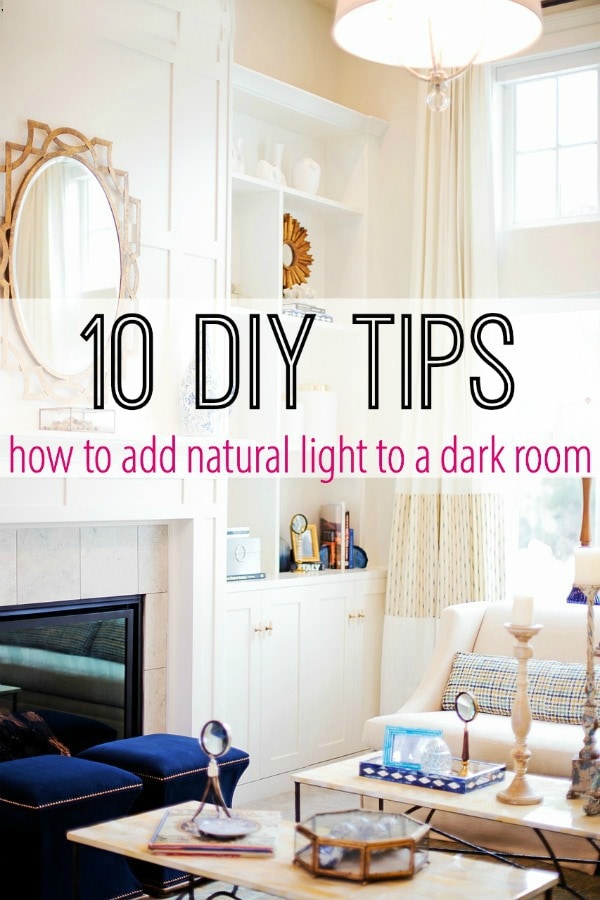
Source : courtneyssweets.com
We all want more natural light. It makes spaces feel bigger, airier, and frankly, way more pleasant to be in. But what if your place is basically a cave? Don’t despair. You can trick your brain into thinking you’ve got more sunlight than you actually do. It’s all about smart choices with colors, finishes, and strategic placement.
The Magic of Light Paint Colors
This is the most obvious one, but it’s crucial. Stick to light paint colors. Think whites, creams, pale grays, and soft pastels. They reflect light instead of absorbing it. Dark colors just suck up all the ambient light, making the room feel smaller and gloomier. You don’t have to go stark white, but keep it bright and airy. A warm off-white can make a world of difference.
Mirror, Mirror on the Wall
Mirrors are your best friend in a dark room. Strategically place a large mirror opposite a window, or on a wall that gets even a sliver of light. It’ll bounce that light around, instantly making the space feel brighter and larger. It’s like creating your own extra window. Plus, it adds a decorative element. Win-win.
Sheer Fabrics: Let the Light In
Ditch those heavy, light-blocking curtains. Opt for sheer or semi-sheer window treatments. Think linen or lightweight cotton drapes. They still offer privacy but allow natural light to filter through. You get that soft, diffused glow instead of harsh sunlight, which can actually be more pleasant. It’s about softening the light, not blocking it entirely.
Glossy Finishes and Reflective Surfaces
Consider incorporating glossy finishes. A lacquered coffee table, a metallic accent lamp, or even furniture with a slightly shiny finish can help bounce light around. It’s not about making your whole place look like a disco ball, but strategically using reflective surfaces can amplify the available light. Think subtle sheen, not blinding glare.
Organic Textures: Rattan, Cork, and Bamboo Resurgence

Source : dreamstime.com
Forget stark minimalism for a second. The real buzz is around textures that feel warm, natural, and a little bit imperfect. Think about things that grew. Rattan, cork, and bamboo are making a huge comeback, and for good reason. They bring an earthy, tactile quality to spaces that makes them feel instantly more inviting and lived-in.
Rattan: The Woven Wonder
Rattan furniture has this amazing bohemian-chic vibe. Think peacock chairs, woven side tables, or even just rattan accents on upholstery. It’s lightweight, durable, and adds an instant touch of natural texture. It works everywhere – from a laid-back living room to a chic patio setup. It feels global and artisanal, all at once.
Cork: Sustainable and Stylish
Cork is having a moment, and it’s totally deserved. It’s sustainable, naturally insulating, and has this warm, earthy tone. You’re seeing it everywhere – cork flooring, wall tiles, even furniture pieces. It’s got a soft texture and a unique look that adds character without being overwhelming. Plus, it’s great for acoustics!
Bamboo: Versatile and Eco-Friendly
Bamboo is the ultimate renewable resource. It grows like crazy and can be used for just about anything. Flooring, furniture, decorative screens, even light fixtures. Its clean lines and natural color make it super versatile. It can lean modern, minimalist, or totally tropical, depending on how you use it. Super durable too.
Embracing Natural Imperfections
The beauty of these materials is their natural variation. A knot in the wood, a slight difference in weave – these aren’t flaws, they’re character. They tell a story. Embrace these organic imperfections. They’re what make your space feel unique and authentic, not mass-produced. It’s about bringing the outside in, in all its beautiful, unpolished glory.
The Psychological Benefits of Indoor Water Features

Source : fountainland.com.au
Okay, we touched on this briefly, but let’s dive deeper. People are drawn to water. It’s a primal thing. Think about the sound of the ocean, or a peaceful lake. Bringing that element indoors, even on a small scale, has some seriously profound effects on our minds. It’s not just about aesthetics; it’s about well-being.
Stress Reduction and Calmness
The gentle sound of moving water is incredibly stress-reducing. It masks jarring noises and creates a soothing auditory backdrop. Studies have shown that the sound of water can lower cortisol levels, the stress hormone. It taps into that ancient part of our brain that associates water with life and peace. Having a small fountain in your office or bedroom can genuinely make you feel more relaxed.
Improved Focus and Productivity
Ever notice how you can concentrate better with some soft background noise? A calming water feature can do just that. It provides a consistent, unobtrusive sound that can help block distractions and improve focus. It’s like white noise, but way more pleasant and natural. So, if you’re working from home, a little trickle could actually boost your output.
Aesthetic Appeal and Biophilic Connection
Beyond the psychological stuff, let’s be honest: indoor water features look cool. They add a dynamic visual element to a room. They catch the light, create subtle movement, and just add a certain je ne sais quoi. They’re a tangible connection to nature, reminding us of rivers, rain, and the life-giving power of water. It’s a simple way to inject a bit of the wild into your curated space.
Frequently Asked Questions
-
What's the main idea behind biophilic design?
Look, it’s pretty simple. Biophilic design is all about bringing the outdoors in. Think more plants, natural light, and materials like wood and stone. It’s about making our indoor spaces feel more coected to nature, which honestly just makes us feel better. It’s not just about looking pretty; it’s about how it makes you feel, boosting your mood and reducing stress. Pretty cool, right?
-
How can I add plants to my home easily?
Easy peasy. Start small! A couple of potted plants on a windowsill or a hanging plant in a corner can make a big difference. You don’t need a jungle overnight. Think snake plants or ZZ plants – they’re practically unkillable. Or go for herbs in the kitchen. It adds a splash of green life and even a nice smell. Plus, they help purify the air, which is a nice bonus.
-
Is natural light really that important in biophilic design?
Absolutely! Natural light is a massive part of biophilic design. It regulates your sleep cycles, boosts your mood, and just makes a space feel more alive and open. Try to maximize it. Use sheer curtains instead of heavy drapes, arrange your furniture so it doesn’t block windows, and maybe even consider a skylight if you’re feeling ambitious. Good daylight is free and makes everything look better.
-
What kind of materials should I use for a biophilic look?
Stick with what Mother Nature gave us. Think natural wood – unfinished or lightly treated is best. Stone, like a slate tile or a marble countertop, adds a great texture. Even things like bamboo, cork, and natural fibers like cotton, wool, and linen work wonders. Avoid anything that looks super synthetic or plasticky. You want that authentic, earthy feel.
-
Does biophilic design actually help with stress?
Yeah, it totally does. There’s a bunch of research on it. Just being around nature, even indoors, has been shown to lower stress hormones like cortisol. Studies show people in spaces with natural elements report feeling calmer and more focused. So, bringing in those plants, natural light, and earthy textures isn’t just a trend; it’s seriously good for your mental wellbeing.