The Dumb Phone Revolution: Reclaiming Your Sanity in a Hyper-Connected World
Yeah, I get it. Your phone feels like an extension of your hand. Notifications pinging constantly, endless scrolls blurring your vision. It’s exhausting, right? We’re drowning in digital noise, and honestly, it’s messing with our heads. But what if I told you there’s a way back? A rebellion brewing against the tyranny of the smartphone. It’s called the dumb phone revolution, and it might just be the smartest move you make this year. Forget the FOMO; let’s talk about JOMO – the joy of missing out.
Source : katiecouric.com
Think about it. When was the last time you were truly present? Not checking emails during dinner, not scrolling through social media while your kids are telling you about their day. Our brains are getting rewired for distraction, and our mental health is paying the price. We’re chasing likes and fleeting validation instead of genuine connection. This isn’t just a trend; it’s a desperate cry for help from our overstimulated nervous systems. And the solution? It’s surprisingly simple, yet incredibly profound.
Why We’re Drowning in Digital Overload
Look, smartphones are amazing tools. They connect us, inform us, entertain us. But let’s be real: they’ve also become our masters. Every app is designed to grab your attention, to keep you hooked. It’s a carefully crafted addiction. We spend hours glued to screens, missing out on real life happening all around us. It’s like living in a casino, but instead of chips, you’re betting your time and your peace of mind. The constant barrage of information, the pressure to be always “on” – it’s a recipe for burnout.
Remember when you could just sit and think? Or have a conversation without someone glancing at their screen? That feels like a distant memory now. We’ve traded depth for breadth, genuine connection for a thousand shallow digital acquaintances. This constant hyper-connectivity taxes our mental energy. It’s why anxiety and depression rates are skyrocketing. We’re more connected than ever, yet paradoxically, we’ve never felt more alone.
The Rise of the Dumb Phone Movement
So, what’s the escape hatch? Enter the dumb phone. No, not your grandpa’s flip phone (though some are making a comeback!). We’re talking about phones that do the basics: calls, texts, maybe a simple camera. It sounds radical, I know. But people are realizing that ditching the super-smartphone isn’t about going backward; it’s about moving forward to a better life. It’s about reclaiming control from algorithms designed to exploit your attention span.
This isn’t just for tech curmudgeons. We’re seeing artists, entrepreneurs, parents – people from all walks of life – making the switch. They’re tired of the endless notifications and the compulsive checking. They want to be present. They want to read books, have meaningful conversations, and actually look up at the stars. It’s a conscious choice to opt out of the digital rat race. It’s about intentional living, plain and simple.
Meet the New Wave of Minimalist Tech
These aren’t your old Nokia brick phones (although, seriously, those things were indestructible). Today’s dumb phones are sleek, sometimes even stylish. Think devices like the Punkt MP02 or the Light Phone II. They’re designed with intention, focusing on core communication and offering a digital detox. They strip away the distracting apps and endless notifications, leaving you with just what you need.
What’s the appeal? It’s the freedom. Freedom from the dopamine hits of social media likes. Freedom from the constant urge to check your email. Freedom to simply be. For many, it’s a profound shift. As one enthusiast put it, “It’s like I can finally hear myself think again.” This movement isn’t about rejecting technology; it’s about using tech mindfully, ensuring it serves us, not the other way around.
Why a Dumb Phone Might Be Your Smartest Investment
Let’s break down the real wins. It’s not just about less screen time; it’s about better quality time. Imagine reclaiming 2-3 hours a day. What would you do with that? Learn a new skill? Spend more time with loved ones? Just… breathe? That’s the power of the dumb phone. It gives you back your most precious resource: your time and attention.
And the benefits go deep. Reduced anxiety. Improved focus. Better sleep. A stronger sense of self. It’s a holistic approach to well-being. You’re not just changing your phone; you’re changing your relationship with technology and, by extension, with yourself and the world around you. It’s about intentionality. It’s about choosing your focus. It’s about finally putting yourself first.
The Core Benefits: A Quick Rundown
1. Reclaim Your Time
Seriously, this is huge. Those hours spent scrolling? Gone. Put them towards hobbies, family, or just chilling. It’s a massive productivity boost you won’t find anywhere else.
2. Sharpen Your Focus
Without constant pings and pop-ups, your brain can finally settle. You’ll find yourself concentrating better on tasks, and those tasks will get done faster. It’s undivided attention, finally.
3. Boost Your Mental Health
Less comparison on social media, less overwhelm from news feeds. This leads to significant drops in anxiety and stress. It’s a calming effect you can feel immediately.
4. Deepen Real-World Connections
When your phone isn’t the center of attention, you’re free to engage with people in front of you. Real conversations. Real eye contact. It’s about present relationships.
5. Sleep Like a Baby
Blue light messing with your melatonin? Constant digital stimulation keeping you wired? A dumb phone removes that barrier, paving the way for restorative sleep.
The move to a simpler phone isn’t about deprivation; it’s about liberation. It’s a radical act of self-care in an age of constant distraction. Ready to ditch the digital clutter and embrace a more present, focused, and fulfilling life? The dumb phone movement is calling. Will you answer? You can read more about why disconnecting is the ultimate act of modern rebellion right here.
Why Gen Z is Switching to Dumb Phones in 2026

Source : youtube.com
The “Unplugged” Aesthetic is Trending
Forget the latest foldable phone, man. The real flex in 2026? It’s a flip phone. Seriously. Gen Z’s ditching their smartphones like yesterday’s avocado toast. Why? Because the endless scroll is just… played out. They’re craving something real, something tangible. This whole “unplugged aesthetic” isn’t just a phase; it’s a full-blown rebellion against the digital noise. Think vintage vibes, a simpler time. They’re not chasing clout online; they’re building it offline. It’s a quiet power move, you know? Like, “Yeah, I could be online 24/7, but I choose not to.” That’s a statement.
Escaping the Algorithm Trap
These kids are smart. They see how algorithms shape their thoughts, their moods, even their friendships. It’s exhausting. They’re tired of being fed content designed to keep them hooked, not happy. So, they’re opting out. A dumb phone means you control your time, not some sneaky code. It’s about reclaiming their brains, their focus. They want to experience life without a constant digital interruption, to actually be present. It’s a conscious decision to break free from the digital hamster wheel.
The “Dumb Phone Renaissance” is Real
It’s wild, but these phones are making a comeback. Nokia 3310s and flip phones are popping up everywhere. It’s not just about nostalgia; it’s about functionality. Need to text? Done. Need to make a call? Easy. Need to doomscroll for hours? Nope. This is the dumb phone renaissance, and it’s driven by a generation that’s figured out that more tech doesn’t always mean more happiness. They’re learning that true connection doesn’t happen through a screen. It’s a smart move for a generation that’s anything but dumb.
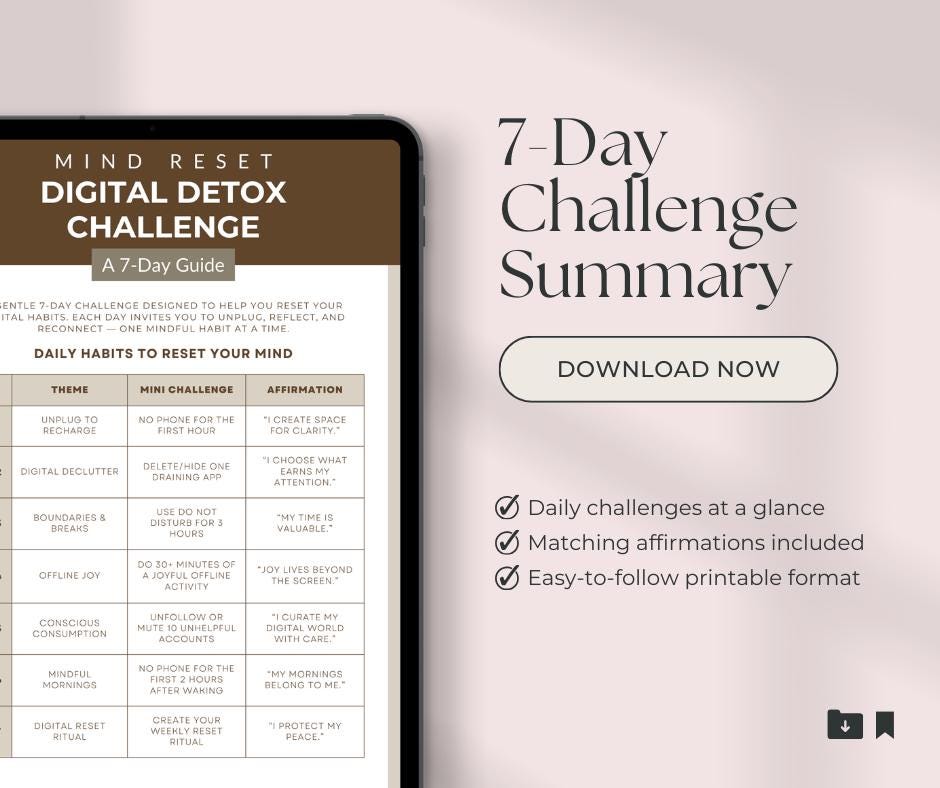
The 7-Day Digital Detox Challenge for Burnout Recovery
Source : etsy.com
Day 1: The Great Unplugging
Alright, Day 1. You did it. You actually turned off your smartphone. Feels weird, right? Like a phantom limb. Your thumb’s twitching, wanting to reach for that glowing rectangle. Resist! Your mission today is simple: no screens after dinner. Seriously. This is where the real work begins. Go read a book. Talk to your roommate. Stare at the ceiling. Whatever. Just don’t look at a screen. It’s tough, I know, but this initial shock is crucial for shaking off the digital cobwebs. You might even hear yourself think again.
Days 2-3: Reconnecting with Reality
Okay, you survived the first night. High five. Now, let’s really dive in. For days two and three, you’re doubling down. Set strict time limits for any essential device use – think work emails, maybe a quick check-in with family. The rest of your time? That’s for actual living. Go for a walk without your phone. Cook a meal from scratch. Dust off that old hobby you’ve been neglecting. The goal is to remind yourself that life exists beyond notifications. Reconnect with your senses; what do you see, hear, smell? It’s a sensory reboot.
Days 4-6: Embracing the Quiet
This is where things start to feel… different. Less frantic. You might actually be looking forward to your evenings. Continue with your screen-free evenings and limited daytime usage. Maybe try a digital-free activity entirely. Go to a park. Visit a museum. Have a face-to-face conversation with a friend. You’ll notice a change in your focus. The urge to constantly check your phone will lessen. This quiet is a digital detox gift, allowing your brain to actually process things. It’s a much-needed pause.
Day 7: Reflection and Reintegration
You made it! A full week. Now, the crucial part: how do you bring this back into your life without falling off the wagon? Reflect on how you felt. What did you miss? What didn’t you miss at all? Plan your reintegration. Maybe you decide to keep your phone on airplane mode during dinner or designate certain hours as sacred screen-free time. This isn’t about going back to your old habits. It’s about building healthier tech habits moving forward, incorporating the peace you’ve found.
Apps That Actually Help Restrict Your Screen Time
Source : canopy.us
The “Digital Nanny” Approach
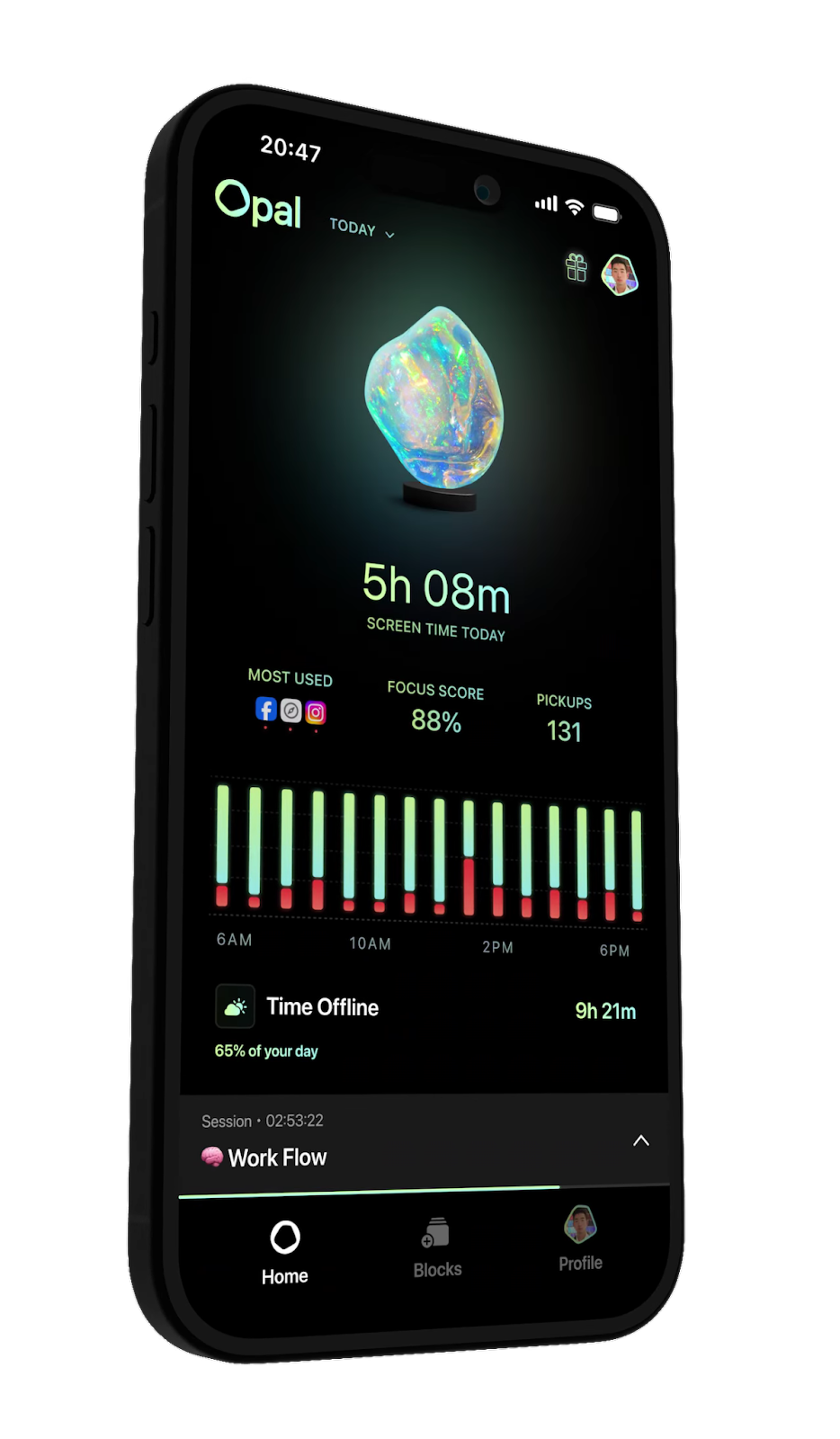
Look, we all know the struggle is real. Your phone is a portal to infinite distractions. But what if you could get an app to act like a digital nanny? There are some solid options out there that go beyond just telling you how much time you’ve spent scrolling. Apps like Freedom and Cold Turkey are no joke. They can block specific websites or even your entire internet connection for set periods. It’s like putting your phone in timeout, but you’re the one setting the rules. This is a serious tool for anyone fighting the good fight.
Setting Up Digital Boundaries
It’s not just about blocking; it’s about creating healthy boundaries. Apps like Forest gamify the process. You plant a virtual tree, and if you leave the app before your timer is up, your tree dies. It’s surprisingly effective! Another great one is Screen Time (built into iOS and Android, by the way). You can set daily limits for specific apps, schedule downtime, and even restrict content. It’s about building discipline, and these tools are your trainers. You’re not just limiting use; you’re building better habits.
When All Else Fails: Dumb It Down!
Sometimes, the best app is no app. If you’re really struggling, consider a dedicated dumb phone for your off-hours. Seriously. It’s the ultimate screen time restriction. But if you want to stick with your smartphone, try simplifying it. Delete the social media apps that suck you in the most. Turn off all non-essential notifications. Move distracting apps off your home screen. Treat your phone like a tool, not a toy. This approach is all about intentional phone use, making every tap count.
| App Name | Primary Function | Platform(s) | Cost |
|---|---|---|---|
| Freedom | Website & App Blocker | Windows, Mac, iOS, Android | Paid (Subscription) |
| Cold Turkey | Extreme Website & App Blocker | Windows, Mac | Paid (One-time Purchase) |
| Forest | Focus Timer & Gamified Blocking | iOS, Android | Paid (One-time Purchase) |
| Screen Time (iOS/Android) | Built-in Usage Monitoring & Limits | iOS, Android | Free |
| AppBlock | App & Website Blocker with Profiles | Android, iOS | Freemium (Paid for advanced features) |
Navigating the Anxiety of Hyper-Connectivity

Source : willingness.com.mt
The Constant “FOMO” is Real
Let’s be honest, this constant connection is making us anxious. It’s that nagging feeling, the fear of missing out – FOMO. You see everyone else’s curated highlight reel online and feel like your own life is falling short. It’s a direct result of being hyper-connected. Every notification, every ping, is a subtle reminder that something exciting might be happening without you. This digital treadmill keeps us running, always checking, always comparing. It’s exhausting.
Reclaiming Your Peace of Mind
So, how do you combat this digital dread? It starts with boundaries. You don’t need to be available 24/7. Set clear times when you won’t check emails or social media. Turn off notifications for non-essential apps. Seriously, turn them off. That constant barrage is a major source of anxiety. Mindful scrolling is key – be intentional about why you’re picking up your phone. Are you bored? Anxious? Or genuinely looking for something specific? Recognizing the trigger is half the battle.
The Power of Actual Human Connection
This might sound radical, but the best way to combat hyper-connectivity anxiety is through… actual, in-person connection. Schedule meetups. Call a friend instead of texting. Have conversations where you’re not glancing at a screen. It’s a powerful antidote. The subtle cues of body language, the shared laughter – these things can’t be replicated online. Prioritizing real-world interactions is crucial for your mental well-being. It grounds you. It reminds you what truly matters beyond the digital noise.
How to Establish Tech-Free Zones in Your Home
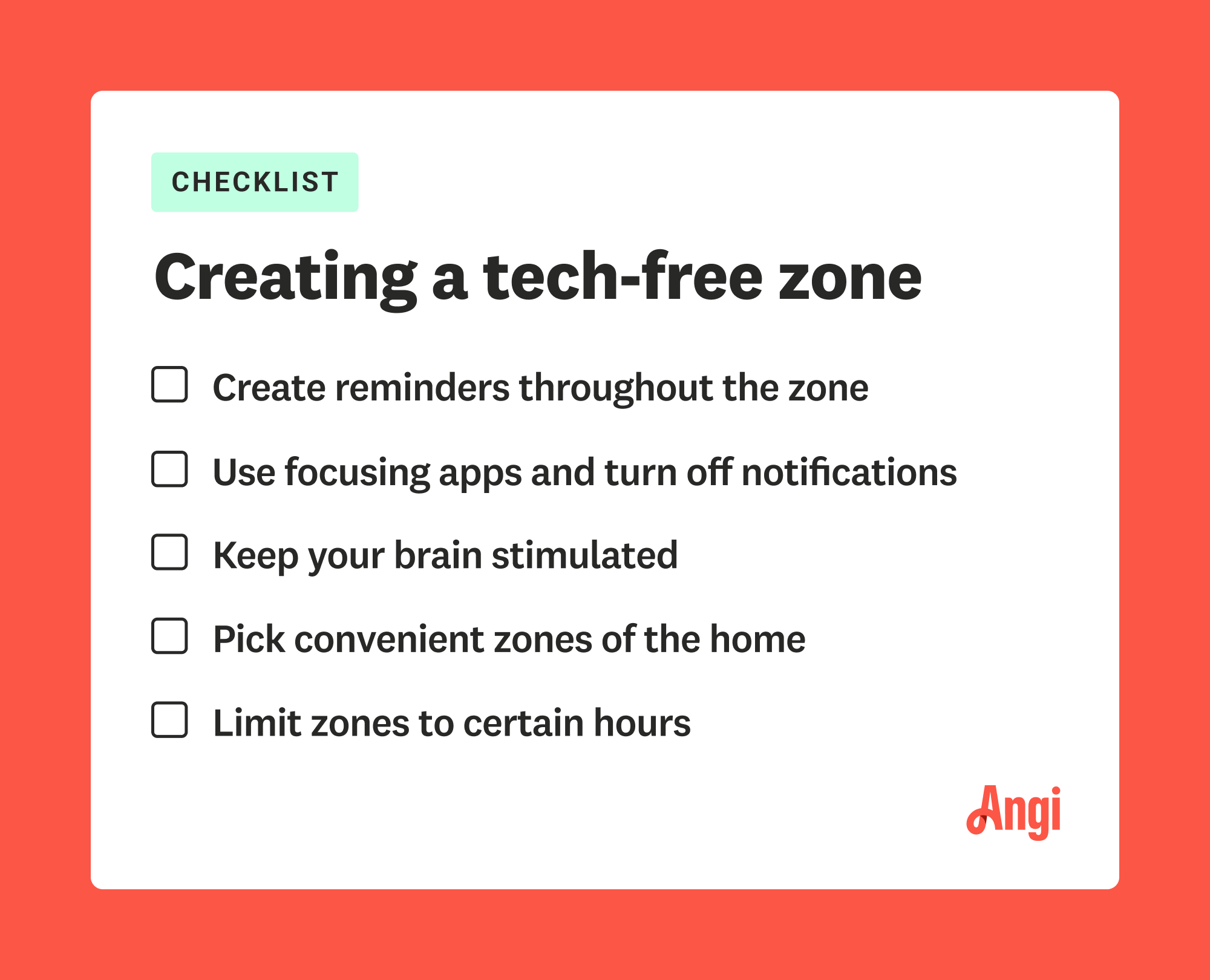
Source : angi.com
The “No-Phone” Bedroom Rule
This is non-negotiable if you want better sleep. Your bedroom should be a sanctuary, not another place to scroll through endless feeds. Implement a strict “no-phone zone” rule for your bedroom. Charge your phone elsewhere – the kitchen, the living room. Use a good old-fashioned alarm clock. This single change can dramatically improve sleep quality and reduce that nagging urge to check your phone first thing in the morning or last thing at night. It’s a simple yet powerful shift.
Designating “Sacred” Tech-Free Times
Beyond physical zones, create tech-free times. Dinner is a prime candidate. Put all devices away, out of sight. Engage with the people you’re eating with. Have real conversations. Another good one? The hour before bed. Use this time for reading, journaling, or just chatting with your partner. These designated digital-free moments help you disconnect from the online world and reconnect with the real one. It’s about intentionality; you’re actively choosing to be present.
Making Tech-Free Zones Inviting
It’s not enough to just say “no phones here.” Make those zones appealing! In the living room, have books, board games, or a puzzle readily available. In the bedroom, invest in nice linens, a good lamp for reading, maybe some calming art. The idea is to create an environment that naturally draws you away from screens and towards more fulfilling activities. Think of it as creating a tech oasis. When you make these spaces more attractive than your phone’s glow, you’ll naturally spend more time there.
Frequently Asked Questions
-
Are dumb phones really making a comeback?
Yeah, they totally are. It’s not just a fad. People are tired of the constant notifications and the endless scroll. Think about it – you can actually have a conversation without your phone buzzing every two seconds. Plus, the battery life is insane compared to smartphones. It’s a breath of fresh air for a lot of folks looking to discoect.
-
What are the main benefits of switching to a dumb phone?
The biggest win? Your mental health. Seriously. You’ll find you’re more present in your life. Less anxiety, better sleep – you name it. You’re not tethered to an inbox or social media feeds. It’s about regaining control of your time and attention. And hey, they’re way cheaper and more durable too, which is a nice bonus.
-
Can I still use essential apps like maps or messaging on a dumb phone?
It depends on the dumb phone, honestly. Some basic models are super stripped down – just calls and texts. But there are newer ‘smart-lite’ or ‘feature phones’ that let you do a bit more. You might get basic messaging, maybe even some simplified versions of maps. Don’t expect the full app store experience, though. It’s a trade-off for digital peace.
-
What's the 'digital wellness' angle here?
Digital wellness is all about managing your relationship with technology so it doesn’t control you. The ‘dumb phone revolution’ is a direct response to that. By ditching the smartphone, you’re actively reducing digital noise. You reclaim focus, cut down on comparison culture fueled by social media, and generally feel less overwhelmed. It’s a practical way to achieve better mental balance.
-
How do I transition to a dumb phone without feeling completely lost?
Start slow. Maybe use your dumb phone for a weekend or evenings first. Keep your smartphone handy but out of sight. Figure out what you really miss. If it’s navigation, find a cheap GPS device. If it’s texting, accept that it’ll be slower. Tell your friends and family – they’ll understand. It’s a conscious choice to simplify, and that’s a powerful thing.