VPNs in 2026: Why Basic Encryption Just Isn’t Cutting It Anymore
Let’s be real. You probably clicked on this because you’ve heard the whispers, seen the headlines: VPNs are dying. Obsolete. The digital equivalent of a fax machine in 2026. And honestly? There’s a kernel of truth in there. But here’s the kicker: It’s not that VPNs are dead, it’s that the old way of thinking about VPNs is. If you’re still just looking for basic encryption to hide your cat videos from your ISP, you’re already behind. Seriously, the threat landscape has shifted so hard, your standard VPN is about as useful as a screen door on a submarine.
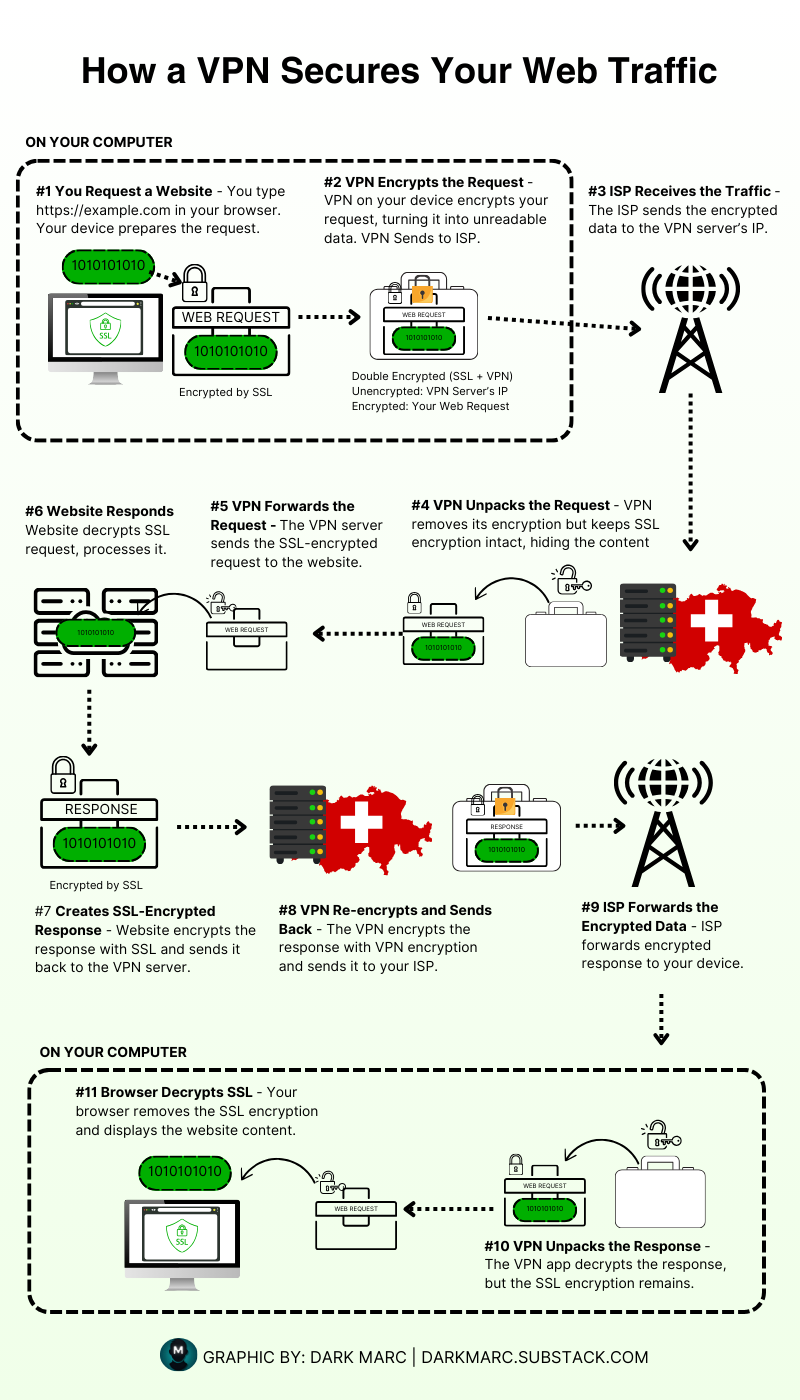
Source : darkmarc.substack.com
We’re talking about a world where hackers aren’t just smash-and-grab artists anymore. They’re sophisticated. They’ve got AI doing the heavy lifting. And the biggest bogeyman? Quantum computing. Yeah, that sci-fi stuff? It’s coming, and it’s going to laugh at the encryption methods we’ve relied on for decades. Think of your current VPN encryption like a really strong padlock on a shed. Now imagine someone showing up with a blowtorch that can melt that padlock like butter. That’s the quantum threat. It’s not here tomorrow, but the clock is ticking, and smart folks are already preparing. NordVPN, for instance, is aiming for some seriously advanced security milestones in 2026, pushing beyond what we thought was possible. It’s all about cryptographic agility – being able to switch up your defenses before the bad guys even know what hit them.
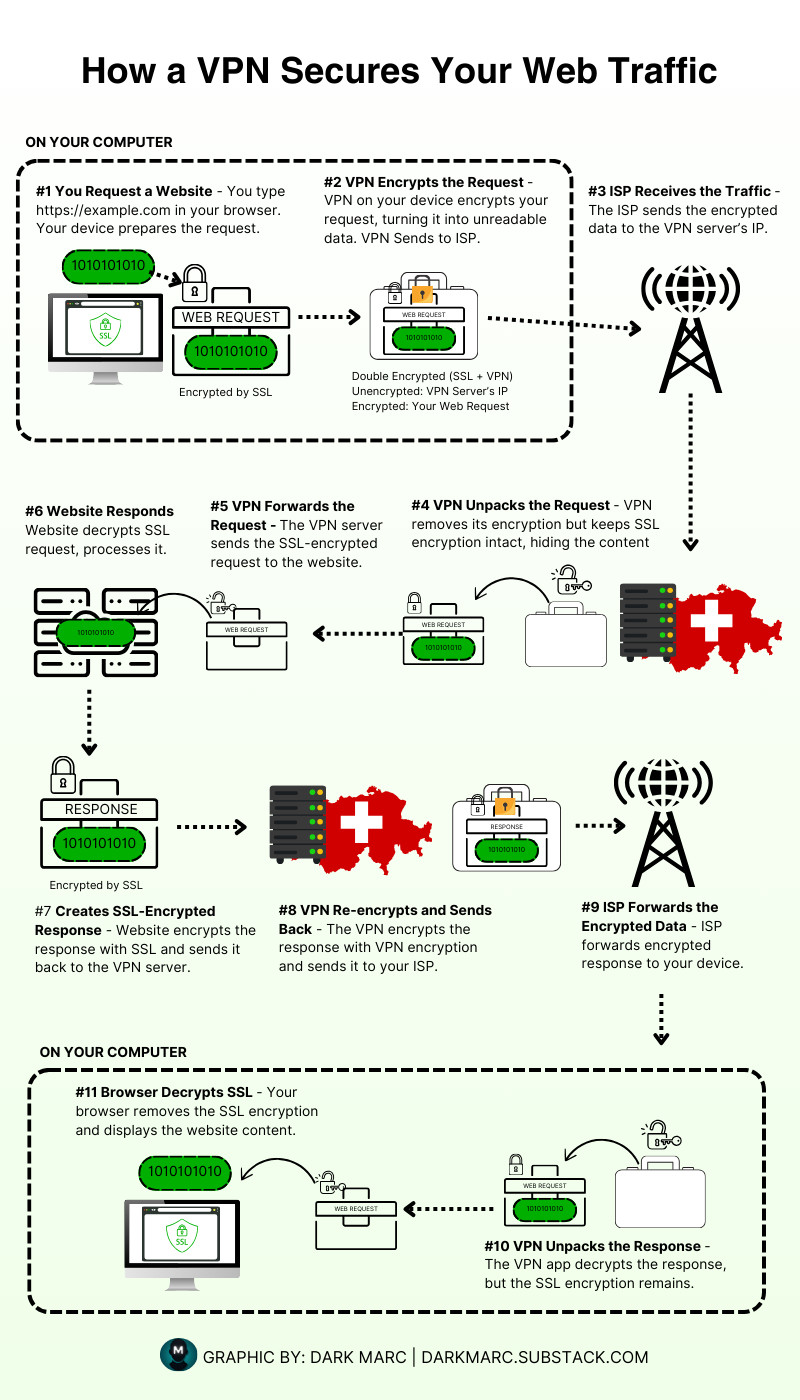
Source : darkmarc.substack.com
So, what’s the big deal? Why is your everyday VPN, the one you probably downloaded for free or a few bucks a month, suddenly not enough? It boils down to a few key things. First, the sheer volume and sophistication of cyberattacks are through the roof. It’s not just about hiding your IP address anymore; it’s about protecting yourself from advanced persistent threats (APTs) and zero-day exploits. These are the ghosts in the machine, the attacks that slip through the cracks of traditional security. Your average VPN just doesn’t have the ammo to fight that.
The Old Guard Isn’t Guarding Much Anymore
Remember when a VPN was just a magic tuel? You hopped in, your traffic was supposedly secret, and you were good to go. Cute, right? That mentality is what’s making VPNs seem obsolete. The architecture itself is often the problem. Think about it: most VPNs are still built on older network models. They create a perimeter, a bubble. But the modern world isn’t a bubble. It’s a sprawling, intercoected mess where your data is zipping around everywhere, from cloud servers to your smart fridge. This traditional VPN model? It’s got huge architectural flaws that patches just can’t fix. It’s like putting a fresh coat of paint on a house with a crumbling foundation. It looks nice for a bit, but the whole thing is still going to fall down.

Source : windowspost.com
What went wrong between, say, 2024 and 2026? Well, hackers got smarter. They learned to exploit the very things that were supposed to protect you. They figured out how to bypass basic VPN protocols, how to track users even when they thought they were hidden. The push for cloud services and remote work only made things more complicated. Suddenly, your ‘secure’ network wasn’t just in your office; it was everywhere. And trying to slap a VPN on that chaotic sprawl? It’s like trying to herd cats with a laser pointer. The result? Your online privacy is basically disappearing faster than free donuts at a cop convention. As folks at PCMag point out, your online privacy is disappearing fast, and a simple VPN might not be enough to save it in 2026. We need something that adapts, something that doesn’t just hide you but actively protects you from the new wave of digital threats.
Beyond Basic Encryption: What’s Really Needed?
So, if basic encryption and a simple tuel aren’t cutting it, what is the answer? It’s about moving towards what the smart folks call Zero Trust Architecture (ZTNA). Instead of assuming everything inside your network is safe, ZTNA assumes nothing is safe. Every single request, from every device, to every resource, is authenticated and authorized. It’s like having a bouncer at every single door inside your building, not just at the main entrance. This is a massive shift from the old VPN mindset. It’s not about building a perimeter; it’s about verifying identity and access at every single step.
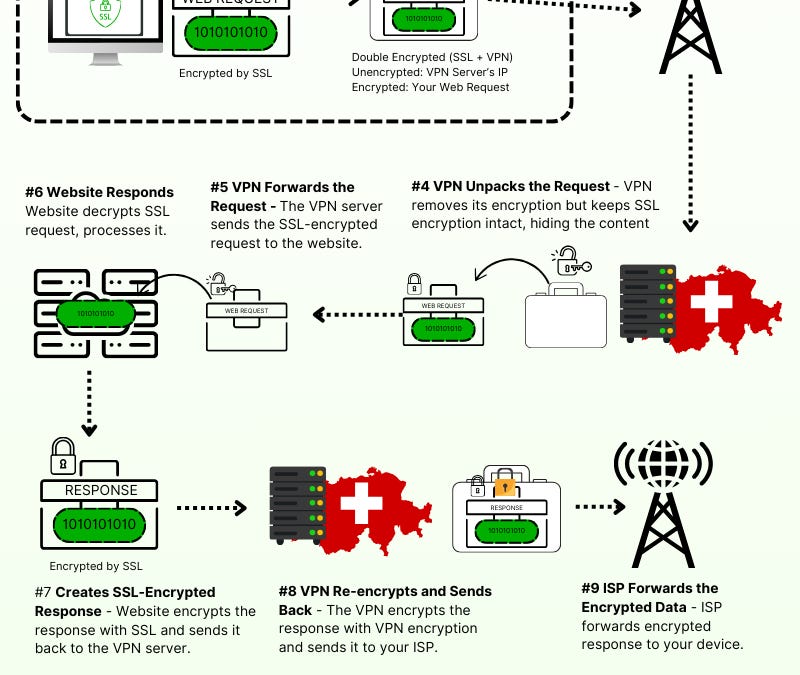
Source : astrill.com
Think about it like this: A traditional VPN gives you a key to the entire castle. ZTNA gives you a specific key that only opens the door to the room you’re supposed to be in, and only when you’re supposed to be there. And even then, it’s constantly checking if you’re still the right person to be in that room. This is crucial because the idea of a clear ‘inside’ and ‘outside’ to your network is basically gone. Your ‘network’ is now wherever your users and data are. That could be a coffee shop in Paris, a home office in Boise, or a server farm in Singapore. You need security that travels with the user, not security that sits at a fixed point.
And what about this whole post-quantum encryption thing? It’s not just a buzzword. It’s the next frontier. We’re talking about encryption algorithms that can withstand the brute-force power of quantum computers. Companies like NordVPN are already exploring this, aiming for what they call world-first security milestones in 2026. They’re looking at what’s called ‘cryptographic agility,’ which basically means building systems that can easily swap out encryption methods as new threats emerge. It’s like having a Swiss Army knife for encryption, ready for any challenge. This isn’t just about staying ahead of quantum computers; it’s about building a future-proof security infrastructure that can adapt to any unknown threat that comes down the pipe.
The Future is Agile, Not Static
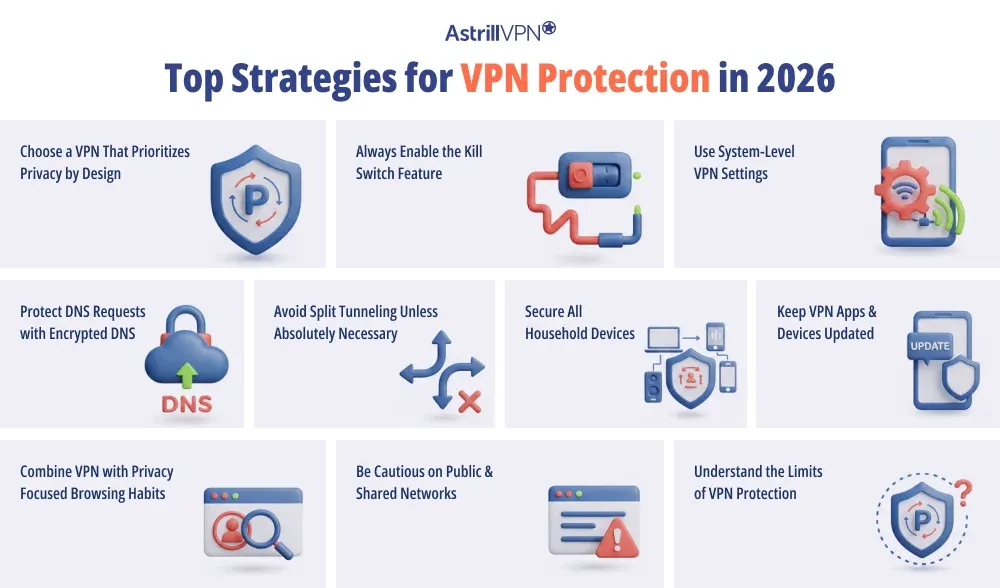
Source : astrill.com
The key takeaway here is that the future of secure coectivity isn’t about a single, static solution. It’s about dynamic security. It’s about systems that can adapt, evolve, and respond in real-time. This means a combination of things: strong identity verification, granular access controls, and, yes, advanced encryption that’s ready for whatever the quantum age throws at us. It’s about building resilience into your digital life, not just a basic shield.
So, are VPNs obsolete? Not entirely. But the clunky, one-size-fits-all VPNs of yesteryear? Yeah, they’re on their way out. What you need now is a smarter, more adaptive approach. You need solutions that understand the new threat landscape and are built for the complexities of modern digital life. Forget just hiding. Start thinking about active defense. It’s time to upgrade your digital bodyguard before the digital monsters show up.
Frequently Asked Questions
Are VPNs becoming obsolete?
It’s not that they’re completely obsolete, but the traditional VPN is dying. The simple, basic encryption and tuel model just doesn’t cut it against today’s sophisticated threats and the looming quantum computing danger. Think of it like this: a flip phone can still make calls, but you wouldn’t rely on it for everything in 2026, right? You need more advanced, adaptive security solutions that go way beyond basic privacy. The focus is shifting towards things like Zero Trust Architecture (ZTNA) and post-quantum cryptography.
Does the FBI recommend VPNs?
The FBI’s stance on VPNs is nuanced, but generally, they recommend them for specific purposes, particularly for securing remote access to sensitive networks. However, they emphasize that not all VPNs are created equal. The key is choosing a reputable provider with strong security protocols and a clear no-logs policy. For general everyday browsing to hide activity from your ISP, a VPN is useful, but for law enforcement recommendations, it’s usually within the context of corporate or government network security and data protection, not just personal privacy against the world.
What is post-quantum cryptography and why does it matter for VPNs?
Post-quantum cryptography (PQC) refers to encryption algorithms designed to be secure against attacks from both classical and quantum computers. Right now, much of our online security relies on encryption methods that a powerful enough quantum computer could break relatively easily. This is a huge deal for sensitive data like financial transactions, government secrets, and personal information transmitted via VPNs. Companies are working to integrate PQC into their systems to ensure that data remains secure even when quantum computers become a reality. It’s about future-proofing your digital security.
How does Zero Trust Architecture (ZTNA) differ from traditional VPNs?
This is a big one. Traditional VPNs work on a ‘trust but verify’ model – once you’re inside the network perimeter, you’re generally trusted. ZTNA operates on a ‘never trust, always verify’ principle. It requires strict identity verification for every user and device trying to access any resource, regardless of location. Instead of a broad access pass like a VPN, ZTNA grants minimal, specific access based on the user’s role and the context of the request. It’s far more granular and secure, especially in today’s distributed work environments where the traditional network perimeter has dissolved. Think of it as having a security guard at every single door, not just the front gate, and they check your ID every single time.
Are there privacy risks with using a VPN?
Absolutely, and this is why basic encryption isn’t enough. The biggest risk comes from the VPN provider itself. If a VPN provider keeps logs of your activity (even if they claim not to), that data could be compromised, sold, or handed over to authorities. Free VPNs are particularly notorious for this, often acting as malware distributors or data miners. Furthermore, even with a reputable VPN, there are always potential vulnerabilities. Advanced attackers might find ways to deanonymize users, or your coection could drop, exposing your real IP address. That’s why advanced security features like kill switches and leak protection are non-negotiable, and why looking into providers with a proven track record and rigorous audits is critical.