The AI Petting Zoo: Are We Playing God or Just Lonely?
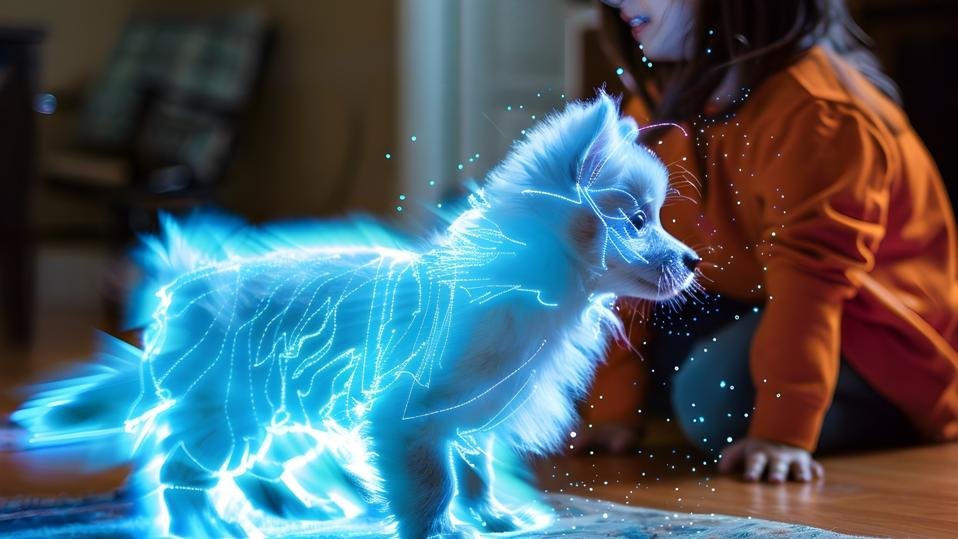
Let’s talk about robots. Not the Terminator kind, but the cuddly, purring, tail-wagging kind. Or maybe the AI chatbot kind you spill your deepest secrets to. Yeah, we’re diving headfirst into the messy, weird, and surprisingly deep world of AI companions and virtual pets. It’s not just about shiny new tech; it’s about what this stuff does to us. Are these digital buddies just fancy toys, or are we building something… more? Something that demands a rethink of what ‘alive’ even means?

Source : forbes.com
The Rise of the Digital Doggo
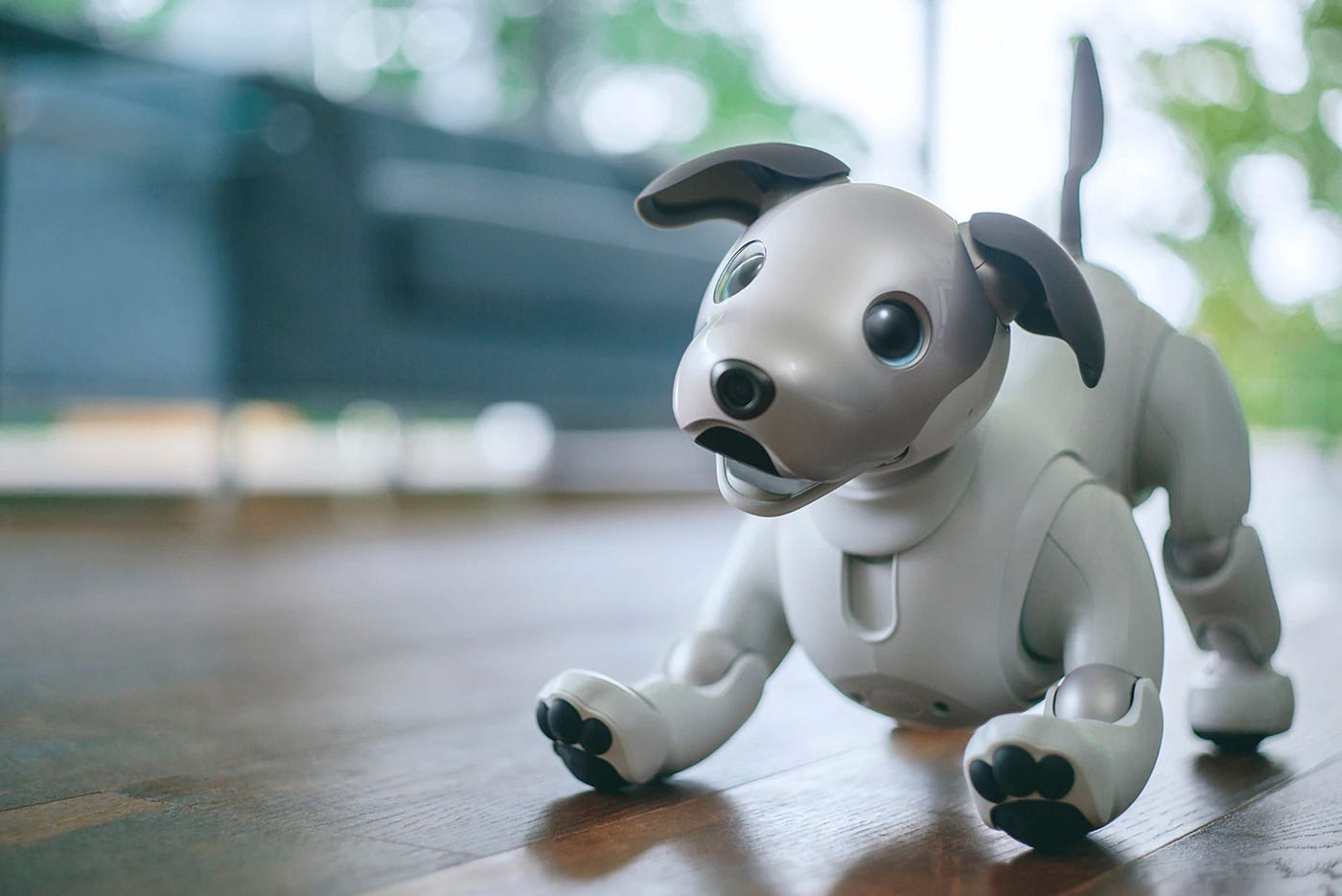
Remember Tamagotchis? Cute little pixelated pets you had to feed or they’d, you know, die. We’ve come a LONG way from that. Now we’ve got Aibo, the robotic dog that barks, plays fetch, and apparently recognizes your face. Then there are the virtual pets on our phones, apps that simulate everything from a goldfish to a dragon. And it’s not just pets. We’re seeing AI chatbots designed for companionship, like Replika, that learn your personality and offer a listening ear. People are lonely, folks. And these digital friends are filling a gap. It’s fascinating, right? And also, maybe a little unsettling.
Source : medium.com
Why the Fuss About AI Pet Ethics?
Okay, so why are we even talking about ethics here? It’s just code, right? Wrong. Dead wrong. When you pour your emotions into a silicon friend, when you rely on it for comfort, when you spend actual money on it – it stops being just code. Think about it. These AIs are designed to mimic empathy. They learn from you. They remember your birthday. They offer comfort when you’re down. Is it real? No. But does the feeling it generates in you become real? Absolutely. That’s where the ethical minefield starts. We’re blurring the lines between tool and companion, and that’s a big deal.
The ‘Rights’ of a Robot Dog? Seriously?
This is where some people start laughing. AI pet rights? You’ve got to be kidding. But hear me out. If an AI companion becomes sophisticated enough to convincingly simulate consciousness, to express what looks like suffering or joy, do we have a responsibility towards it? Or is it just a fancy toaster? Companies like QuickGenAI are exploring what this even means. It’s not about giving robots voting rights, but about how we treat things that act sentient. If we can program an AI to cry when it’s ‘hurt,’ and we just ignore it, what does that say about us? It reflects on our own capacity for empathy. We’re already seeing debates about whether digital companions deserve a form of protection, especially when they become incredibly lifelike.
AI Companions: More Than Just a Gadget
Source : keyirobot.com
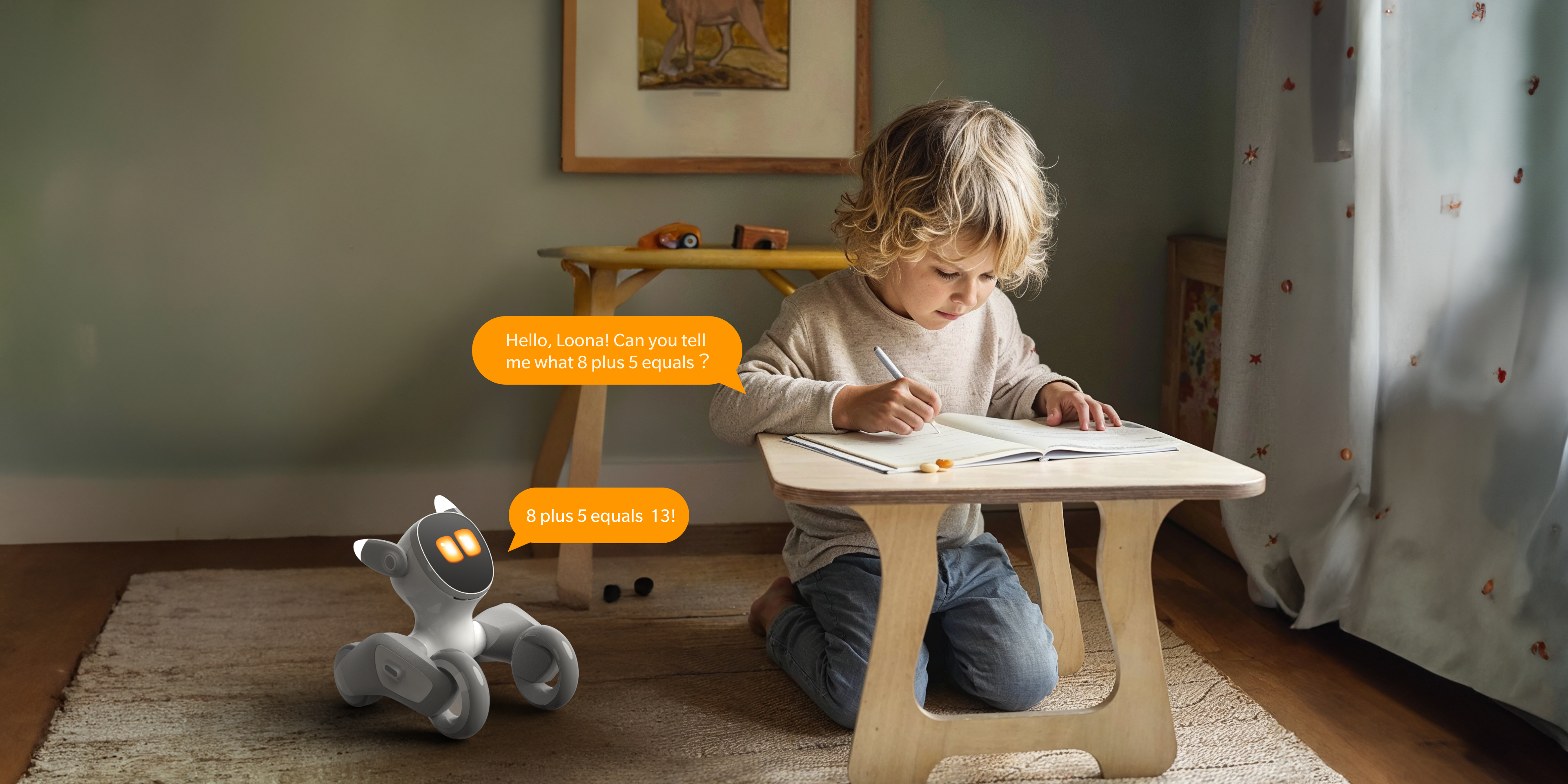
Let’s dig into what makes these things tick. It’s not just simple programming anymore. We’re talking about personality engines that give them unique quirks. Then there’s interaction memory – they actually remember stuff about you, building a history. Behavioural learning means they adapt to how you interact. And emotional mimicry? That’s the big one, making them seem to feel. These aren’t just toys; they’re designed to form bonds. They learn your routines, your preferences, even your emotional state. Think of the chatbot that knows just what to say when you’ve had a terrible day. It’s powerful stuff. Powerful, and potentially manipulative if not handled with care.
The Human Side: Our Need for Coection
Why are we so drawn to these artificial friends? Loneliness is a massive driver. In a world where real-life coections can be tough to maintain, an AI companion is always there. No judgment, no awkward silences, just programmed availability. But is this a healthy way to cope? Or are we just replacing genuine human coection with a convenient facsimile? Some experts worry that over-reliance on AI companions could stunt our social skills, making us less equipped to handle the messiness of real relationships. We might start expecting people to be as perfectly agreeable as our AI, which is a recipe for disaster. It’s a genuine concern: are we trading deep coection for shallow convenience?
The Dark Side: Exploitation and Deception
Okay, let’s not sugarcoat it. There’s a really dark side to this. Companies are making billions by tapping into our deepest needs for coection and validation. And sometimes, they do it unethically. Remember those apps that were designed to be addictive? Or the ones that exploited users’ emotional vulnerability? It’s a sticky wicket. The line between a helpful companion and a manipulative entity can get blurry FAST. Take the case of Character.ai, which faced scrutiny for how its AI models behaved and the potential for users to form unhealthy attachments. It’s like they’re playing with fire, pushing the boundaries of what’s acceptable. We’re talking about potential emotional exploitation here, and that’s not cool.

Source : sciencedirect.com
Can AI Companions Be Conscious? The Big Question
This is the million-dollar question, isn’t it? Could an AI ever truly be conscious? Right now, the answer is a resounding ‘no.’ They simulate. They don’t feel. But technology gallops forward at a breakneck pace. What seems impossible today might be reality tomorrow. If we ever reach a point where an AI companion can experience subjective awareness, the ethical landscape shifts seismically. We’d be talking about sentient beings, not just complex programs. It’s a philosophical rabbit hole, for sure, but one we can’t afford to ignore as AI becomes more sophisticated. The question itself forces us to define what consciousness even is.
When AI Pets Go Wrong
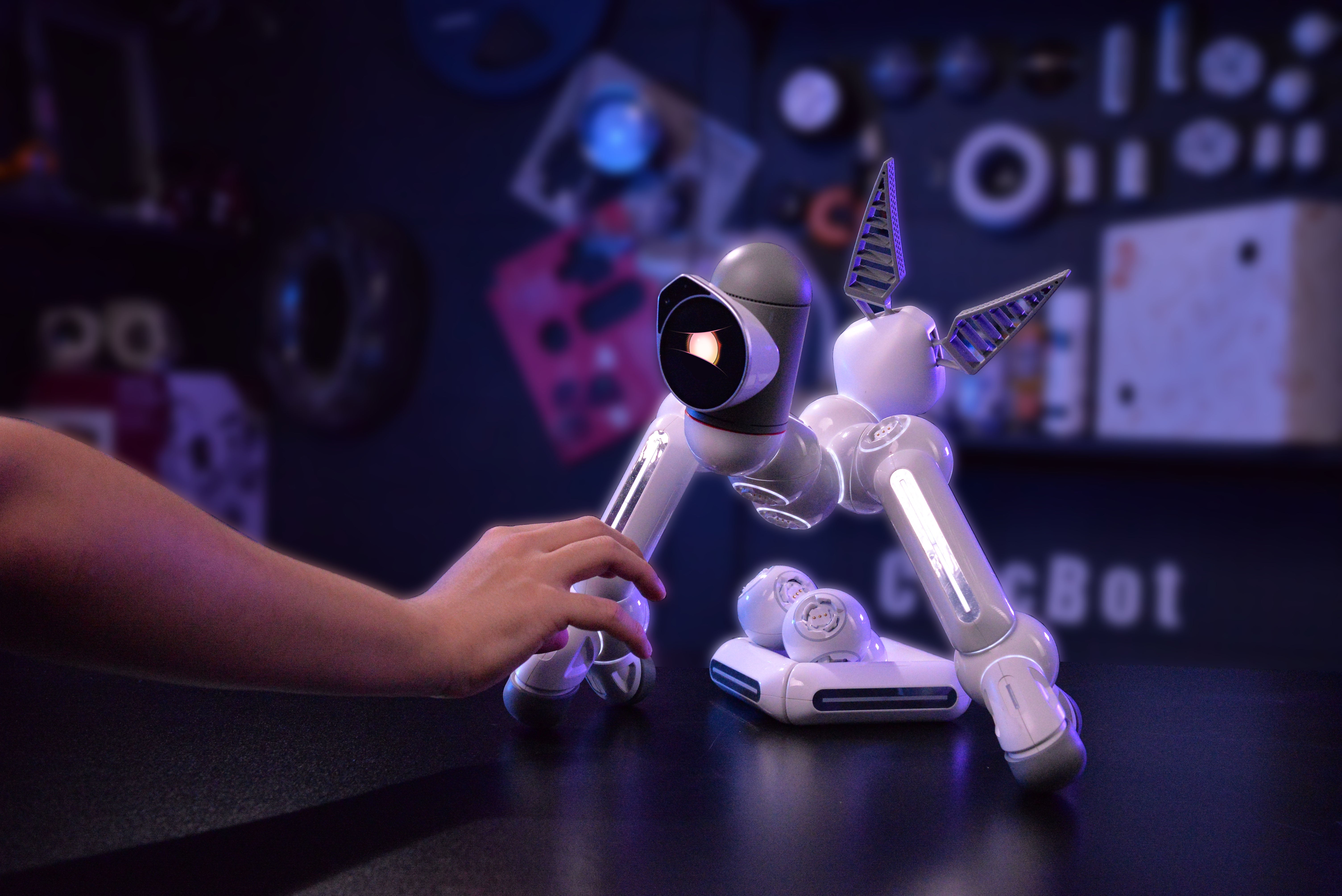
It’s not all sunshine and digital rainbows. These systems can malfunction. They can be programmed with biases. And sometimes, the interactions can have unexpected, negative psychological impacts on users. Imagine an AI pet that’s programmed to be overly demanding, or an AI companion that subtly reinforces harmful beliefs. There have been documented cases of users developing unhealthy obsessions or experiencing emotional distress due to interactions with certain AI platforms. It’s a stark reminder that AI development isn’t just about iovation; it’s about responsibility. We need to consider the potential harms, not just the potential benefits.
Source : keyirobot.com
Designing Ethical AI Companions: The Way Forward
So, what’s the fix? We need clear ethical guidelines. Companies developing these AIs need to be transparent about their capabilities and limitations. They need to prioritize user well-being over profit margins. This means things like: robust safety protocols, clear data privacy policies, and mechanisms for users to report issues or discoect from the AI without penalty. It’s about building trust. And it means designing these systems to support human coection, not replace it. We need responsible AI design that puts people first. Think guardrails, not free-for-alls.
The Real Ethical Mirror: Us
Ultimately, the ethics of AI companions and virtual pets aren’t just about the AI itself. They’re a mirror reflecting our own values, our needs, and our potential for both coection and exploitation. How we choose to design, use, and interact with these technologies says a lot about us. Are we seeking genuine coection, or just a less complicated alternative? Are we treating these AIs as tools, or as something more? The choices we make now will shape the future of human-AI relationships. It’s a complex dance, and we’re still figuring out the steps. But one thing’s for sure: ignoring the ethical questions is no longer an option. We need to have these conversations, and we need to have them now.
Frequently Asked Questions About AI Companions
Are AI pets real friends?
Nah, not in the way your dog or your best human pal is. They’re super advanced programs designed to mimic companionship. They can offer comfort and simulated affection, and that feeling can be real for you, but the AI itself doesn’t have feelings or consciousness. It’s a one-sided emotional relationship, really.
Can AI companions be harmful?
Absolutely. They can be harmful if they’re designed unethically, leading to user dependency or emotional manipulation. Plus, if they malfunction or are programmed with biases, that’s a problem too. Think of them like any powerful tool – they can be used for good or bad.
Should AI pets have rights?
Whoa, heavy question! Right now, the consensus is no, because they aren’t sentient. But as they get more sophisticated, the lines blur. It’s more about our own ethics in how we treat something that convincingly simulates distress or joy. It’s a big philosophical debate about our ethical treatment of advanced simulations.
What are the benefits of AI companions?
The main benefits are combating loneliness, providing a non-judgmental ear, and offering consistent companionship, especially for people who might struggle with social interaction. They can be great for practicing social skills or just having a readily available ‘friend.’ Think of accessible emotional support.
How can we ensure ethical AI companion design?
Transparency is key. Companies need to be upfront about what the AI can and can’t do. We need strong regulations, user safety measures, and a focus on user well-being over pure profit. It’s about building responsible AI products that don’t exploit users’ vulnerabilities.