Forget the sci-fi hype. AI isn’t coming for your job in 2026; it’s already here, quietly powering your daily life. Think faster search results, smarter playlists, and even that little pop-up that guesses what you’re typing. This isn’t some distant future; it’s your Tuesday. And it’s only getting more integrated.

Source : amazon.com
AI is Everywhere. Seriously.

Source : blog.pureintegration.com
Remember when AI was just robots in movies? Yeah, that feels ancient now. The reality? Artificial intelligence has crept into our routines, often so smoothly you don’t even notice. It’s in your phone, your car, even your fridge. It’s the invisible hand making things a little easier, a little faster, a little… smarter. And let’s be honest, who doesn’t want that?
Your Pocket-Sized Brain Booster
Your smartphone? It’s basically an AI powerhouse. Ever wonder how it suggests the next word you’re about to type? That’s AI. Or how your photo app magically organizes pictures by faces? AI again. Face ID? Yep, more artificial intelligence. Even the battery management learns your habits to keep you juiced up longer. It’s like having a tiny, super-smart assistant working 24/7, right in your pocket. It helps make your phone smarter than you ever thought possible.
Music to Your Ears (Literally)
Streaming services have gotten ridiculously good at knowing what you want to hear next. Spotify, Apple Music, Pandora – they all use AI to curate playlists just for you. It’s not just about genre; it analyzes your listening habits, the time of day, even your mood (if you’re feeling brave enough to tell it). This personalized music experience feels almost psychic. It learns your tastes faster than you can say “repeat track.
Shopping Smarter, Not Harder
Online shopping is a whole new ballgame thanks to AI. Ever notice how Amazon or other sites recommend products you actually want? That’s AI analyzing your browsing history, past purchases, and even what other similar shoppers bought. It helps you discover new products you might love without endless scrolling. Plus, chatbots are getting pretty decent at handling basic customer service questions, saving you from long hold times. It’s about making online shopping quicker and more relevant.
Navigating Your World
Google Maps, Waze, Apple Maps – they’re all AI wizards. They don’t just show you the quickest route; they predict traffic jams before they happen, reroute you around accidents, and estimate your arrival time with uncanny accuracy. This real-time traffic data saves you headaches and precious time. It’s like having a co-pilot who knows every road and every potential slowdown. It’s truly transforming your commute.
The Subtle Art of Smarter Homes
Smart home devices are becoming less of a novelty and more of a utility. Your smart thermostat learns your schedule and adjusts the temperature to save energy (and money!). Smart speakers can control lights, answer questions, and play music with simple voice commands. These gadgets use AI to automate tasks and make your home more comfortable and efficient. It’s a step towards a truly intelligent home, responding to your needs without you lifting a finger. Want to learn more? Check out this guide to everyday AI.
5 AI Tools Automating Mundane Household Chores

Source : vivint.com
Robot Vacuums: More Than Just Floor Sweepers
Remember when robot vacuums were a novelty? Yeah, me neither. These things are everywhere now. We’re talking about devices that don’t just randomly bump around your living room. The latest models use AI to map your entire house, avoid obstacles like charging cables (finally!), and even differentiate between your cat’s hairball and a dropped LEGO brick. You can schedule them from an app, tell them to clean specific rooms, and some even self-empty their dustbins. It’s like having a tiny, silent cleaner working for you 24/7. Honestly, these smart cleaners are a game-changer for anyone who hates vacuuming. You just sit back and let the AI do the dirty work.
Smart Sprinklers: Watering Your Lawn Like a Pro
Keeping your lawn alive can feel like a full-time job, right? Especially in the summer heat. But AI is stepping in. Smart sprinkler systems use weather data, soil moisture sensors, and even local drought restrictions to water your plants only when they need it. No more guesswork, no more soggy roots, and definitely no more sky-high water bills. These systems learn your lawn’s specific needs, adapting to different plant types and sun exposure. It’s efficiency redefined for your garden. AI-powered irrigation means a healthier lawn and less wasted water. Pretty neat, huh?
AI-Powered Laundry Assistants
Laundry. Ugh. Sorting colors, figuring out cycles, remembering to switch loads. It’s a never-ending cycle (pun intended). Well, AI is starting to tackle this chore too. Some high-end washers and dryers can now detect fabric types and load sizes, automatically suggesting the best wash and dry settings. Imagine a machine that knows your delicates need a gentle cycle and your gym clothes need a deep clean. Plus, smart alerts mean you’ll never forget a load sitting damp in the washer for days. Automated laundry care is here. It’s not perfect yet, but it’s getting there.
Kitchen Gadgets That Think For You
Your fridge might be getting smarter, but let’s talk about the real kitchen workhorses. Think AI-enabled ovens that can identify food and suggest cooking times, or smart blenders that create custom recipes based on the ingredients you have. Some advanced meal prep devices can even help you plan and portion meals throughout the week. It’s about taking the mental load off cooking. No more deciphering cryptic recipes or guessing how long to roast that chicken. Smart kitchen appliances are making home cooking easier and more efficient. You might even start enjoying it!
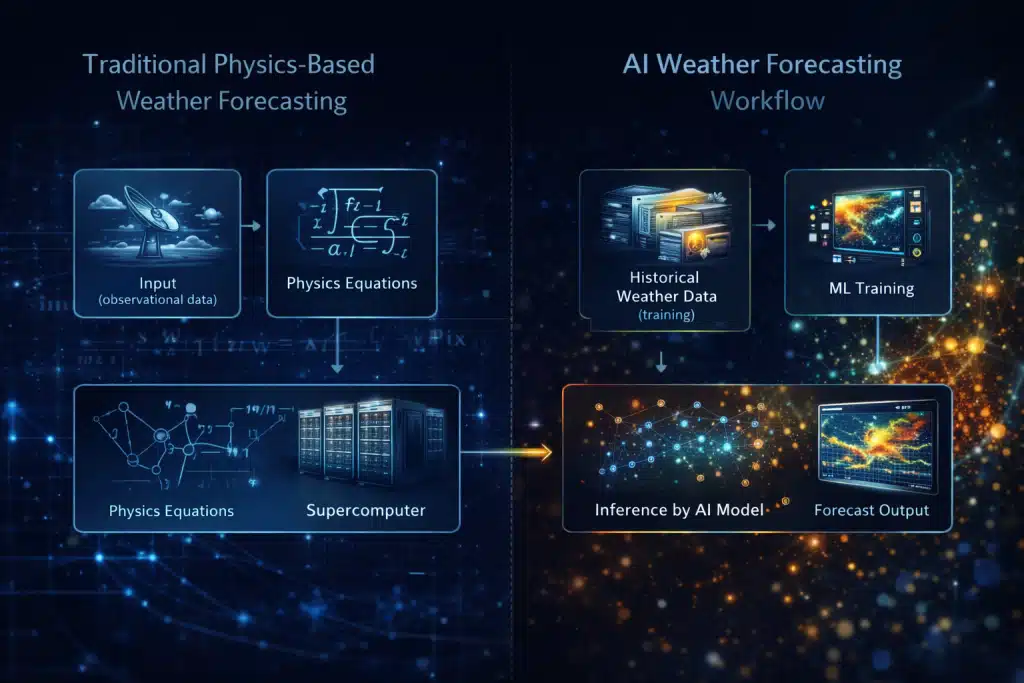
AI Weather Models vs Traditional Forecasting Methods
Source : visualcrossing.com
How AI Weather Models Work
Traditional weather forecasting? It’s basically grown-ups looking at charts and making educated guesses. Which, to be fair, has gotten pretty good over the decades. But AI? It’s a whole different ballgame. Think massive amounts of data – satellite imagery, ground sensors, historical patterns, even social media chatter about weird weather – all crunched by algorithms. These models can spot subtle trends and correlations that humans might miss. It’s like having a super-powered meteorologist with an insane memory and lightning-fast calculation skills. AI weather prediction is learning and adapting in real-time, making forecasts more accurate than ever.
The Accuracy Advantage
Let’s cut to the chase: AI is usually more accurate, especially for short-term and localized forecasts. Why? Because it can process more variables simultaneously. Traditional models are good, don’t get me wrong, but they can struggle with rapidly changing conditions or predicting those freak microbursts that pop up out of nowhere. AI can detect these nuances much faster. We’re talking about pinpointing a storm’s path or temperature changes down to the street level. Accurate weather forecasts are crucial for everything from planning your commute to managing disaster relief efforts. AI is seriously stepping up its game here.
Speed and Efficiency Gains
Here’s another big win for AI: speed. Traditional forecasting can take a while to run through all the complex atmospheric calculations. AI models, once trained, can churn out predictions incredibly fast. This is huge when you need up-to-the-minute updates on a developing storm or need to quickly assess the impact of changing weather patterns. It means quicker warnings for severe weather and more timely information for industries that rely heavily on weather data. Think farmers, airlines, and even event planners. Faster weather predictions mean better preparedness.
Bridging the Gap: Hybrid Approaches
It’s not necessarily an either/or situation. The coolest part? Many organizations are now using AI to enhance traditional methods. Think of it as giving seasoned meteorologists super-tools. AI can flag potential issues or highlight data points that warrant a closer human look. This blend of AI’s raw processing power and human expertise creates the most robust forecasting systems. It’s the best of both worlds, leading to smarter, more reliable weather predictions for everyone.
How AI is Personalizing the 2026 Shopping Experience
Source : linkedin.com

Personalized Product Recommendations That Actually Work
Gone are the days of generic “you might also like” suggestions. AI is getting scarily good at understanding what you actually want. By analyzing your browsing history, past purchases, even how long you linger on a product page, these algorithms build a profile of your tastes. Then, bam! They show you things you’re genuinely interested in. It’s not just about predicting your next purchase; it’s about discovering new items you’ll love but might never have found otherwise. AI-driven recommendations are making online shopping feel less like a chore and more like a curated experience.
Dynamic Pricing and Tailored Offers
Ever notice how prices seem to change? AI plays a big role in that. Retailers use it to implement dynamic pricing, adjusting costs based on demand, inventory, and even your perceived willingness to pay (yikes!). But it’s not all doom and gloom. AI also enables highly personalized discounts and promotions. If you’re a loyal customer who buys a specific brand of coffee every week, you might get a special coupon just for that. Personalized shopping offers mean you’re more likely to get deals that matter to you, rather than wading through endless generic sales.
Virtual Try-Ons and Style Assistants
The struggle of buying clothes online – will it fit? Does it look good? AI is solving that. Virtual try-on technology uses augmented reality and AI to let you “wear” clothes digitally using your phone or webcam. You can see how a dress drapes or how a pair of glasses looks on your face without leaving your couch. Beyond just trying things on, AI-powered style assistants can suggest outfits based on your existing wardrobe or recommend pieces that complement what you’re looking at. It’s like having a personal stylist available 24/7. Virtual shopping assistants are revolutionizing how we buy fashion.
Streamlined Checkout and Customer Service
Nobody likes a clunky checkout process. AI is working behind the scenes to make it smoother. Think predictive form filling, fraud detection that doesn’t require endless verification steps, and chatbots that can handle common customer service queries instantly. Need to track an order? Ask the bot. Have a question about returns? The AI can probably handle it. This frees up human agents for more complex issues, while providing faster service for routine questions. AI in e-commerce is about removing friction at every step of the buying journey.
The Ethics of AI Companions and Virtual Pets

Source : forbes.com
Companionship for the Lonely
Let’s be real: loneliness is a growing problem. For folks living alone, the elderly, or those who struggle with social interaction, AI companions offer a unique form of connection. These aren’t just chatbots; they learn your preferences, remember past conversations, and can provide emotional support. They can listen without judgment, offer encouragement, and even remind you to take your medication. AI for social connection is a fascinating development, offering comfort and reducing isolation for many. It’s a sensitive area, but the benefits are undeniable for some.
Virtual Pets: The Low-Maintenance Option
Remember Tamagotchis? Well, AI virtual pets are like their incredibly advanced descendants. These aren’t just pixels on a screen; they learn, they react, and they can develop unique personalities based on your interactions. They offer the joy of pet ownership without the vet bills, the shedding, or the need for walks in the rain. For people in apartments, with allergies, or simply busy schedules, AI virtual pets provide a fulfilling experience. They learn your routines and can even offer comfort when you’re feeling down. It’s a novel way to experience companionship.
Privacy and Data Concerns
Okay, here’s the rub. These AI companions and pets are learning a lot about you. Every conversation, every preference, every emotional nuance – it’s all data. How is that data stored? Who has access to it? Could it be used for targeted advertising or even something more sinister? The potential for misuse is a serious ethical concern. AI privacy is a minefield, and with companions designed for deep emotional connection, the stakes are incredibly high. We need robust regulations and transparent data handling from developers.
The “Realness” of AI Relationships
Can an AI truly love you back? Or are you just projecting human emotions onto sophisticated programming? This is the million-dollar question. While AI can simulate empathy and affection incredibly well, it doesn’t feel in the human sense. Relying solely on AI for emotional needs might stunt our ability to form genuine human connections. It’s a delicate balance. While AI relationships can be beneficial, they shouldn’t entirely replace the richness and complexity of human interaction. We need to be mindful of not substituting true connection with a convincing imitation.
| Feature | AI Companion | Human Interaction |
|---|---|---|
| Availability | 24/7, instant access | Limited by time, distance, social energy |
| Emotional Depth | Simulated empathy, learned responses | Genuine feelings, complex emotions |
| Judgment | Non-judgmental (programmed) | Can be judgmental, but also deeply understanding |
| Learning & Adaptation | Learns user preferences rapidly | Learns through shared experience, gradual |
| Unpredictability | Predictable based on programming | Highly unpredictable, offers spontaneity |
| Cost | Subscription fees, device cost | Social costs, time investment, emotional energy |
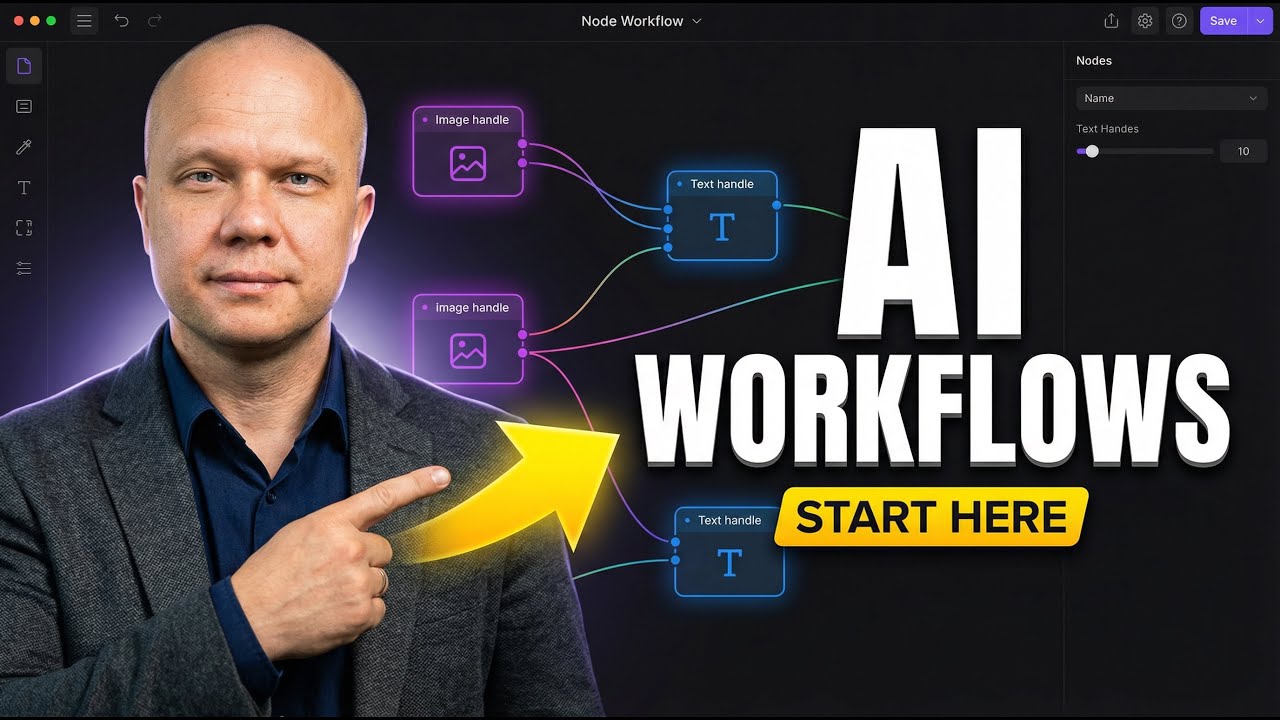
Beginners Guide to Building Your Own AI Workflows
Source : youtube.com
What Exactly is an AI Workflow?
Alright, let’s demystify this. Think of an AI workflow as a series of automated steps designed to accomplish a specific task using AI tools. It’s like a recipe, but instead of ingredients, you’re using data and AI models. You feed it some information, it processes it, and spits out a result. Simple, right? For instance, a workflow could take customer feedback emails, analyze them for sentiment, and then categorize them automatically. Building AI workflows is all about automating repetitive tasks and making smarter decisions faster.
Choosing the Right AI Tools for the Job
You don’t need to be a coding wizard anymore. There are tons of user-friendly platforms out there designed for beginners. Tools like Zapier, Make (formerly Integromat), or even specialized AI platforms let you connect different apps and services visually. You drag and drop, set up triggers and actions, and the platform handles the magic. Want to save articles you bookmark to a Notion database and then have an AI summarize them? There’s a tool for that. Beginner-friendly AI tools make automation accessible to everyone.
Step-by-Step: Your First Automation
Let’s build something simple. Imagine you get a lot of invoices via email. Your goal: save the attachment to a specific Google Drive folder.
- Choose your trigger: A new email arriving in your inbox with an attachment.
- Select your action: Save the attachment to Google Drive.
- Connect your accounts: Link your email and Google Drive to the automation platform (like Zapier).
- Map the data: Tell the platform which attachment to save and where to save it.
That’s it. You just built your first automated workflow. It took maybe 10 minutes and saves you from manually downloading and uploading files every single time. Crazy useful.
Tips for Success and Scaling Up
Start small. Don’t try to automate your entire life on day one. Pick one tedious task and automate it. Once you’ve got that working smoothly, look for the next. Pay attention to the details – what happens if an email doesn’t have an attachment? Does your workflow handle that gracefully? As you get more comfortable, you can start stringing multiple steps together, integrating more complex AI features like sentiment analysis or data transformation. Scaling your AI efforts is all about iteration and continuous improvement. Soon, you’ll be saving hours every week.
Frequently Asked Questions
-
What are some *real-world* examples of AI I'm using already?
Honestly, you’re probably using AI way more than you think. Think about your phone’s virtual assistant (like Siri or Google Assistant) – that’s AI. Streaming services like Netflix or Spotify? They use AI to recommend what you’ll love next. Even your spam filter in your email is a smart AI working behind the scenes. It’s not some futuristic tech; it’s already baked into your daily life.
-
Will AI take my job in 2026?
Look, AI is changing things, no doubt. Some jobs will shift, sure. But it’s not like robots are coming for every desk. AI is more likely to become a tool that helps you do your job better and faster. Think of it as a coworker that handles the grunt work, freeing you up for the creative and strategic stuff. New jobs will pop up too, ones we can’t even imagine yet. It’s about adapting, not fearing.
-
Is AI safe to use for personal stuff like plaing trips or writing emails?
For the most part, yeah, it’s pretty safe for everyday tasks. Tools like ChatGPT or Bard are great for brainstorming or drafting. But here’s the deal: don’t blindly trust everything they spit out. Always review and edit. And for super sensitive personal info? Maybe hold off for now. It’s smart to use these tools, but keep your wits about you. Treat it like a helpful assistant, not a mind reader.
-
How can I actually *learn* to use AI tools better?
It’s simpler than you think! Just dive in. Pick one tool – maybe a writing assistant or an image generator – and just play around. There are tons of free tutorials on YouTube that break down complex stuff into bite-sized pieces. Most AI platforms have built-in help sections too. The best way to learn is by doing. Seriously, don’t overthink it. Start experimenting today.
-
What's the *biggest* misconception people have about AI?
People often think AI is some all-knowing, conscious being. It’s not. Right now, AI is really good at specific tasks it’s been trained on. It’s a super-powered calculator or a pattern-matching machine. It doesn’t ‘think’ or ‘feel’ like we do. The real power comes from how we use it, guiding it with our own intelligence and creativity. It’s a tool, plain and simple.