Fingerprint vs Retina Scaers for Smart Locks: Who Wins?
Let’s cut to the chase. You’re thinking about upgrading your home security, or maybe your office. You’ve heard about biometric locks – the fancy ones that scan you instead of needing a key. But then you hit a wall: fingerprint or retina? It’s not as simple as you’d think. Forget the sci-fi movies; we’re talking real-world tech here. Which one actually keeps you safer? Which one won’t drive you nuts with daily use? I’ve dug into this, and frankly, one is a clear wier for most people. But hey, no judgment. Let’s break down the gritty details so you can make the smart call.
Source : butterflymx.com
The Underdog: Fingerprint Scaers
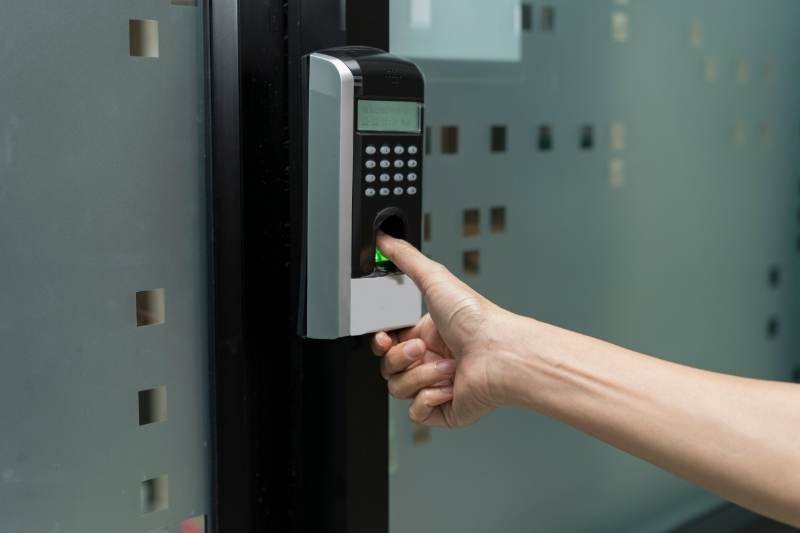
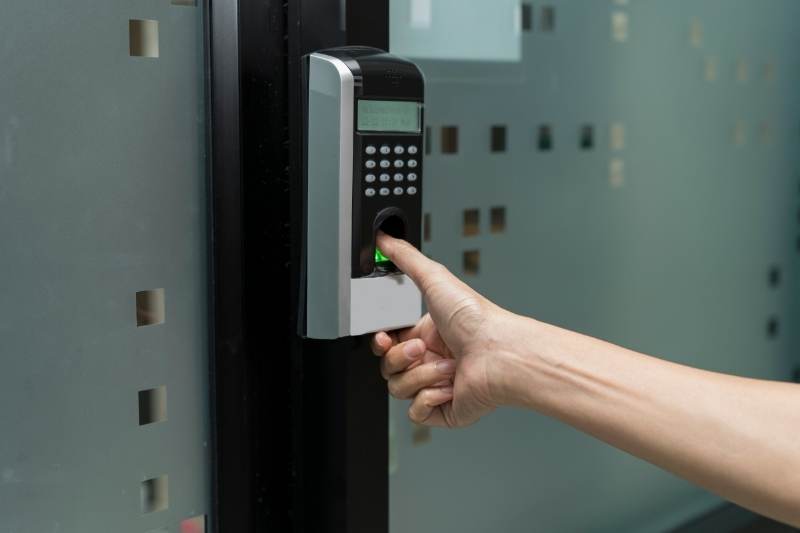
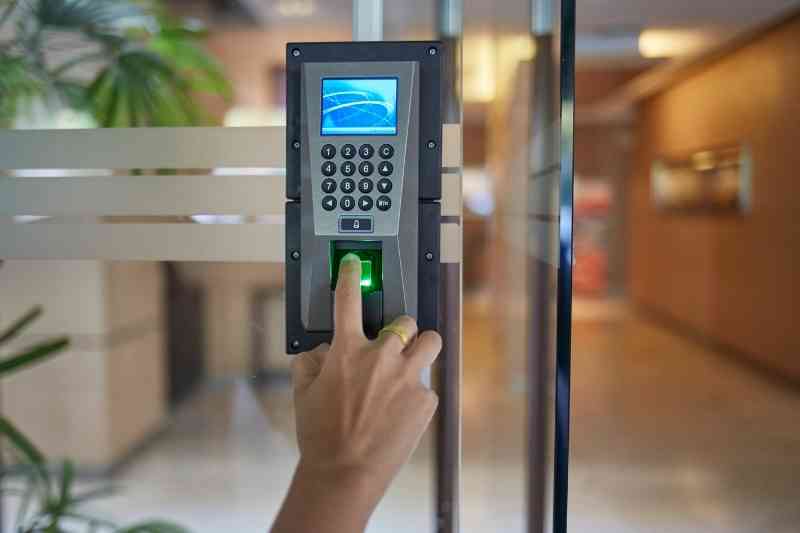
For years, fingerprint scaers have been the go-to for that futuristic vibe. Think of your smartphone. That’s the same tech, basically. It works by mapping the unique patterns of ridges and valleys on your fingertip. Capacitive sensors, optical sensors, ultrasonic sensors – they all do the same thing: create a digital map of your print. It’s pretty cool when it works. And usually, it does. You touch the scaer, it whirs for a second, and bam – door opens. Easy, right?
But let’s be real. Your fingers aren’t always pristine. Ever tried to unlock your phone with a greasy hand after cooking? Or when it’s freezing cold and your skin is all dry and cracked? Yeah, that’s the snag. Fingerprint scaers can be finicky. Moisture, dirt, cuts, even just wearing gloves – these things can throw a wrench in the works. You end up standing there, swiping your finger like you’re trying to start a stubborn lawnmower. Frustrating doesn’t even begin to cover it. And that’s a big deal when you’re just trying to get inside your own house.
Still, for smart lock convenience, they’re tough to beat. Most modern fingerprint locks use 3D scaing now, which is way better than the old flat ones. They can read the ridges and valleys more accurately, even if your finger is a bit grubby. Plus, they’re generally way cheaper than their eye-scaing cousins. Think about it: a solid fingerprint lock might set you back a few hundred bucks. You get decent security and that instant access feel. For everyday use at home, it’s often good enough. You can find some great options that offer both keypad and fingerprint access, giving you a backup if your print fails.
Source : butterflymx.com
The High-Tech Champ: Retina Scaers
Now, let’s talk retina scaers. This is the stuff of spy movies, and honestly, it feels that way. Instead of your fingerprint, it scans the unique pattern of blood vessels at the back of your eye. Yeah, the back of your eye. It uses near-infrared light to map these patterns. Think about it: this pattern is incredibly stable throughout your life. It doesn’t change from dirt, dryness, or a paper cut. This makes it theoretically way more accurate and secure. For high-security areas, like banks or military bases, this is the gold standard. You want to know, with absolute certainty, who’s coming and going. A retina scan pretty much guarantees that.
The accuracy is insane. We’re talking about near-perfect identification. The chances of a false match? Astronomical. It’s virtually impossible for someone to spoof your retina. Unlike a fingerprint, which can be lifted or replicated (and yes, people try), your unique vascular pattern stays yours. This is the ultimate in biometric security. If your top priority is locking down an area like Fort Knox, retina scaing is where it’s at. No ifs, ands, or buts. It provides a level of confidence that fingerprints just can’t match.
But here’s the catch, and it’s a big one: the user experience. To scan your retina, you have to get really close to the scaer. Like, uncomfortably close. You need to position your eye just right, hold still, and focus on a specific point. Do this in the dark? After a long day when your eyes are tired? In a rush? It’s a pain. Many systems require you to remove your glasses too, which, let’s be honest, is a non-starter for a huge chunk of the population. It’s not exactly the quick, seamless entry you want when you’re juggling groceries or wrangling kids. This whole process can take longer than a fingerprint scan, especially if you’re not used to it.
And the cost? Forget about it for your average front door. Retina scaers are astronomically expensive. We’re talking thousands, even tens of thousands of dollars, for commercial-grade systems. For a residential smart lock? You’re unlikely to find one. If you did, it would be a niche, ultra-premium product. The technology is complex, requires precise calibration, and frankly, it’s overkill for most homes. While it offers superior identity verification, the price tag alone puts it out of reach for the vast majority of consumers looking for a home security upgrade.
Fingerprint vs. Retina: The Showdown
Okay, let’s lay it all out. Fingerprint scaers are generally more affordable, easier to use for quick entry, and widely available. They’re perfect for home users who want a step up from traditional locks without breaking the bank or dealing with fussy procedures. Think of it like this: a fingerprint lock is your reliable sedan – it gets the job done, comfortably and efficiently, most of the time. It’s the practical choice for the everyday driver.
Retina scaers, on the other hand, are the hypercar. They offer unparalleled security and accuracy, but at a steep price and with a user experience that can be, shall we say, less than convenient. They’re the piacle of biometric authentication, but are they right for your front door? Probably not. They’re overkill for most residential applications. You’re paying a premium for security you likely don’t need at home, and you’re sacrificing ease of use. For a business needing top-tier security or a government facility, sure. But your average homeowner? It’s like using a military-grade laser cutter to slice a tomato.
Source : opticsiris.com
Here’s the kicker: the technology is always evolving. While retina scaing is accurate, advancements in ultrasonic fingerprint sensors are closing the gap in terms of spoofing resistance. These new sensors can read the unique contours and even the subtle ridges under your skin, making them much harder to fake than older optical scaers. So, while retina might seem like the ultimate defense, modern fingerprint tech is getting seriously good.
What About Iris Scaers? (A Close Cousin)
Wait, aren’t eye scaers the same thing? Not quite. While retina scaing looks at the pattern of blood vessels at the back of your eye, iris scaing focuses on the complex, random patterns in the colored part of your eye – the iris itself. Think of it like the intricate lines on a fingerprint, but on your iris. These patterns are formed early in life and remain stable. Iris scaers use near-infrared light to capture these patterns.
The advantage here? Iris scaing is generally faster and less intrusive than retina scaing. You don’t need to get as close, and it often works with glasses on. It’s still incredibly accurate, way more so than fingerprints, and much harder to spoof. Many experts consider iris recognition technology to be the most accurate biometric identifier available today. It’s a fantastic middle ground – offering near-retina-level security with a much better user experience. You can learn more about the general principles of biometric authentication at biometric access control systems.
However, like retina scaers, iris scaers are still significantly more expensive than fingerprint readers. While the price is coming down, they haven’t reached the mass-market affordability of fingerprint locks. You’re still looking at a premium product. The complexity of the technology and the need for precise optics mean they’ll likely remain more expensive. So, while they offer a compelling blend of security and usability, the cost is still a major barrier for most homeowners.
Real-World Considerations for Smart Locks
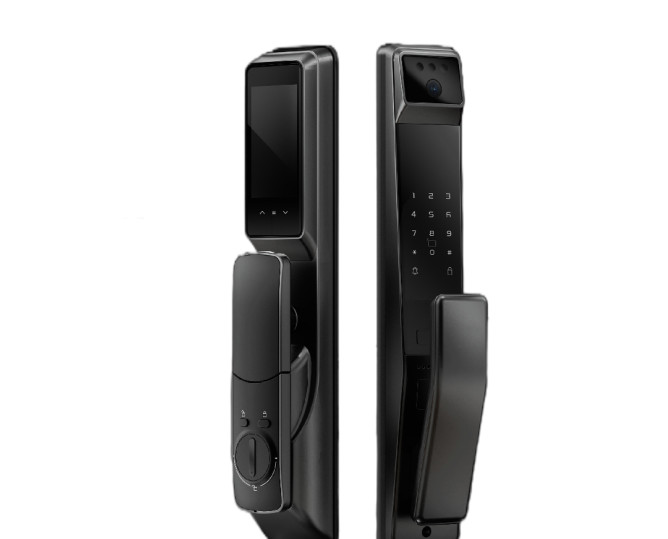
Let’s get practical. You’re not installing a research lab in your hallway. You need a smart lock that works, day in and day out. Fingerprint scaers have won the popularity contest for a reason. They’re integrated into countless devices, the tech is mature, and the price is right. You can find fingerprint smart locks from reputable brands that offer reliable performance, app control, and even remote access via Wi-Fi or Bluetooth. Installation is usually straightforward, often a DIY job if you’re comfortable with a screwdriver.
Consider the environment. Your front door gets exposed to the elements. Rain, snow, extreme heat, dust – fingerprint scaers have to cope with all of it. While many are weather-sealed, constant exposure can still degrade performance over time. A wet finger won’t scan. A dusty sensor might struggle. Retina and iris scaers, being less sensitive to surface conditions, theoretically handle this better. But again, the cost and complexity are the trade-offs. For most homes, a well-built, weather-resistant fingerprint lock is the sensible choice. Just make sure you check the IP rating if it’s going to be exposed.

Source : amazon.com
And what about backups? Because let’s face it, no biometric system is 100% foolproof, 100% of the time. Most fingerprint locks come with a backup – a keypad, a physical key override, or an app. This is crucial. If your fingerprint scaer fails (and it will, occasionally), you still need a way in. Some advanced systems even offer multi-factor authentication, combining a fingerprint with a PIN code or an app. This really ramps up security. It’s like having two locks instead of one. A lot of people don’t realize how important that backup is until they’re locked out in a downpour.
Which One Should YOU Choose?
For the vast majority of people looking for a smart lock upgrade for their home, a fingerprint scaer is the way to go. It hits the sweet spot: good security, impressive convenience, and an accessible price point. You get that cool factor without the hassle or the eye-watering cost of iris or retina scaing. Look for models with good reviews, reliable performance in various conditions, and a solid backup entry method. Companies are constantly improving these, making them more accurate and durable. It’s a practical investment in your home’s security and convenience.
If you’re managing a high-security facility, a data center, or any place where absolute certainty of identity is paramount, then yes, you should absolutely be looking at iris or retina scaers. The security they offer is unmatched. However, for the typical homeowner, it’s simply not worth the expense or the potential usability headaches. You’re better off putting that money into other security measures. Honestly, for most of us, the added security benefits just don’t justify the cost and the inconvenience. Explore options like fingerprint vs iris scaers to see what suits your specific needs, but lean towards fingerprint for home use.
Think about your daily routine. Do you want to fumble with a scaer inches from your face, maybe taking off glasses, every single time you come home? Or do you want to just touch a sensor for a second and walk in? For me, the choice is obvious. Fingerprint scaers offer a fantastic blend of modern security and everyday usability that simply can’t be beaten at the consumer level right now. They’ve evolved considerably, and the best ones are incredibly reliable. Get a good one, and you’ll wonder how you ever lived without it.
Frequently Asked Questions (FAQs)
Are eye scaers better than fingerprints?
For pure, unadulterated accuracy and spoofing resistance? Yes, eye scaers are technically better than fingerprints. Retina and iris scans capture incredibly unique patterns that are extremely difficult, if not impossible, to replicate. Think of it as the difference between a detailed sketch and a high-resolution 3D scan. However, ‘better’ isn’t always ‘best’ for your specific needs. Fingerprint scaers are way more practical for everyday use on smart locks. They’re faster, cheaper, and generally less intrusive. Unless you’re ruing a maximum-security facility, a good fingerprint scaer is usually the smarter, more convenient choice. It’s about finding the right balance for home security needs.
What are the drawbacks of fingerprint scaing?
The biggest drawbacks? They can be a bit picky about conditions. If your fingers are wet, greasy, dry, or cut, the scaer might struggle to read them. This means you could be standing there trying multiple times to get in, which is super aoying, especially if you’re in a hurry or the weather’s bad. Also, while much harder to fake than older tech, fingerprint scaers can be spoofed by sophisticated attackers. They’re generally less secure than iris or retina scans, though still a huge upgrade over traditional locks. Lastly, wear and tear over time can degrade the sensor’s performance, though high-quality sensors are quite durable.
What are the disadvantages of retina scaing?
Oh, there are a few big ones for the average person. First, the cost is astronomical. Retina scaers are incredibly expensive, putting them way out of reach for most homeowners. Second, usability is a pain. You have to get really close to the scaer, hold your eye steady, and often remove glasses. It’s not a quick, casual scan like a fingerprint. This makes it impractical for daily entry. Lastly, while super secure, the privacy concerns around storing such detailed biological data can be a hurdle for some. It’s overkill for most residential applications.
Can fingerprint scaers be tricked?
Yes, but it’s getting harder. Older, cheaper fingerprint scaers (the flat optical kind) could sometimes be tricked with a gummy fingerprint mold or a high-resolution photo. However, modern ultrasonic fingerprint sensors used in many high-end smartphones and some smart locks are much tougher. They can read the unique contours and even the subtle ridges under your skin, making them incredibly difficult to spoof. So, while no system is 100% unhackable, the best fingerprint tech today offers a very high level of security for smart door locks.
Are iris scaers more secure than fingerprint scaers?
Generally speaking, yes. Iris scaers offer superior security compared to fingerprint scaers. The intricate patterns of the iris are formed early in life and are incredibly stable and unique, making them much harder to replicate or spoof than fingerprints. While advanced fingerprint sensors are closing the gap, iris recognition is still considered one of the most accurate and secure biometric identification methods available. It’s a top-tier choice for high-security applications.