5 Easy Swaps to Reduce Microplastics in Your Home
Alright, let’s cut to the chase. We’re drowning in plastic. Seriously. It’s in our food, our water, and yep, even in our bodies. Microplastics are these tiny little nasties, less than 5 millimeters long, that come from, well, everything plastic. They break down from bigger plastic items – think water bottles, synthetic clothes, even car tires. And guess what? They’re everywhere. The good news? You can actually do something about it, right in your own home. We’re talking simple, easy-peasy swaps that don’t require you to go live in a yurt (unless you want to, no judgment). We’ll look at 5 easy swaps that’ll help slash the amount of plastic floating around your living space. No complex science, just practical stuff. Ready?
Source : apartmenttherapy.com
Ditch the Plastic Food Containers, Embrace Glass
First up: your kitchen cabinets. If they’re stuffed with plastic food containers, it’s time for an intervention. These guys are notorious for leaching chemicals, especially when they’re heated or scratched. Remember that time you microwaved last night’s leftovers in that cheap plastic tub? Yeah, those chemicals likely ended up in your dier. It’s a big source of microplastic contamination in our food. So, what’s the fix? Glass is king. Seriously, get yourself some good quality glass containers. They don’t leach, they don’t scratch as easily, and they look way classier. Plus, you can actually see what’s inside without having to guess. Brands like Pyrex are old faithfuls, but there are tons of great options out there. Some even come with bamboo lids, which feel super natural. You can even find great deals on glass containers if you shop around. Think about it: no more weird plastic smell clinging to your food. Just clean, fresh leftovers. It’s a simple switch, but the impact on reducing your household’s microplastic footprint? Huge.

Source : reddit.com
Swap Plastic Utensils for Wood or Silicone
Next on the chopping block: your utensil drawer. Those plastic spatulas, spoons, and whisks? They’re silently shedding plastic bits into your food every single time you stir that sauce or flip those pancakes. It’s especially bad if they’re scratched or old. Think about it – you’re literally scraping plastic into your meals. Yikes. The fix is ridiculously simple. Go for wood or silicone. Wooden utensils are fantastic. They’re natural, durable, and don’t leach chemicals. Just give them a quick wash and dry, and they’re good to go. Silicone is another wier. It’s heat-resistant, flexible, and generally considered safe. Look for food-grade silicone. You can find beautiful wooden spoon sets or colorful silicone utensil kits that’ll make your cooking experience feel a little more elevated (oops, I mean better!). Trust me, making this switch feels good. It’s like giving your kitchen a mini-makeover while also doing your body a favor. No more plastic dust in your pasta sauce, folks.
Say Goodbye to Plastic Wrap and Bags
Plastic wrap. The clingy nightmare. You use it once, and then it’s straight into the trash, where it’ll likely live for centuries. Same goes for those flimsy plastic sandwich bags. They’re convenient, sure, but they’re a massive source of single-use plastic waste. And guess what? Those tiny plastic fragments can end up in your food, especially if you’re wrapping oily or acidic foods. It’s a real problem. So, what’s the alternative? Reusable options are the name of the game here. Think beeswax wraps. They’re these amazing cloths coated in beeswax, jojoba oil, and tree resin. You use the warmth of your hands to mold them around food or over bowls. They create a seal, keep food fresh, and you can wash and reuse them hundreds of times. Pretty cool, right? Silicone food covers are another great option – they just stretch over bowls and plates. For packing lunches, reusable silicone bags or even just small glass containers work wonders. It takes a little getting used to, but ditching the disposable plastic wrap is one of the most satisfying swaps you can make. You’ll save money in the long run, too. It’s a win-win.
Rethink Your Cutting Boards: Wood’s the Way

Source : youtube.com
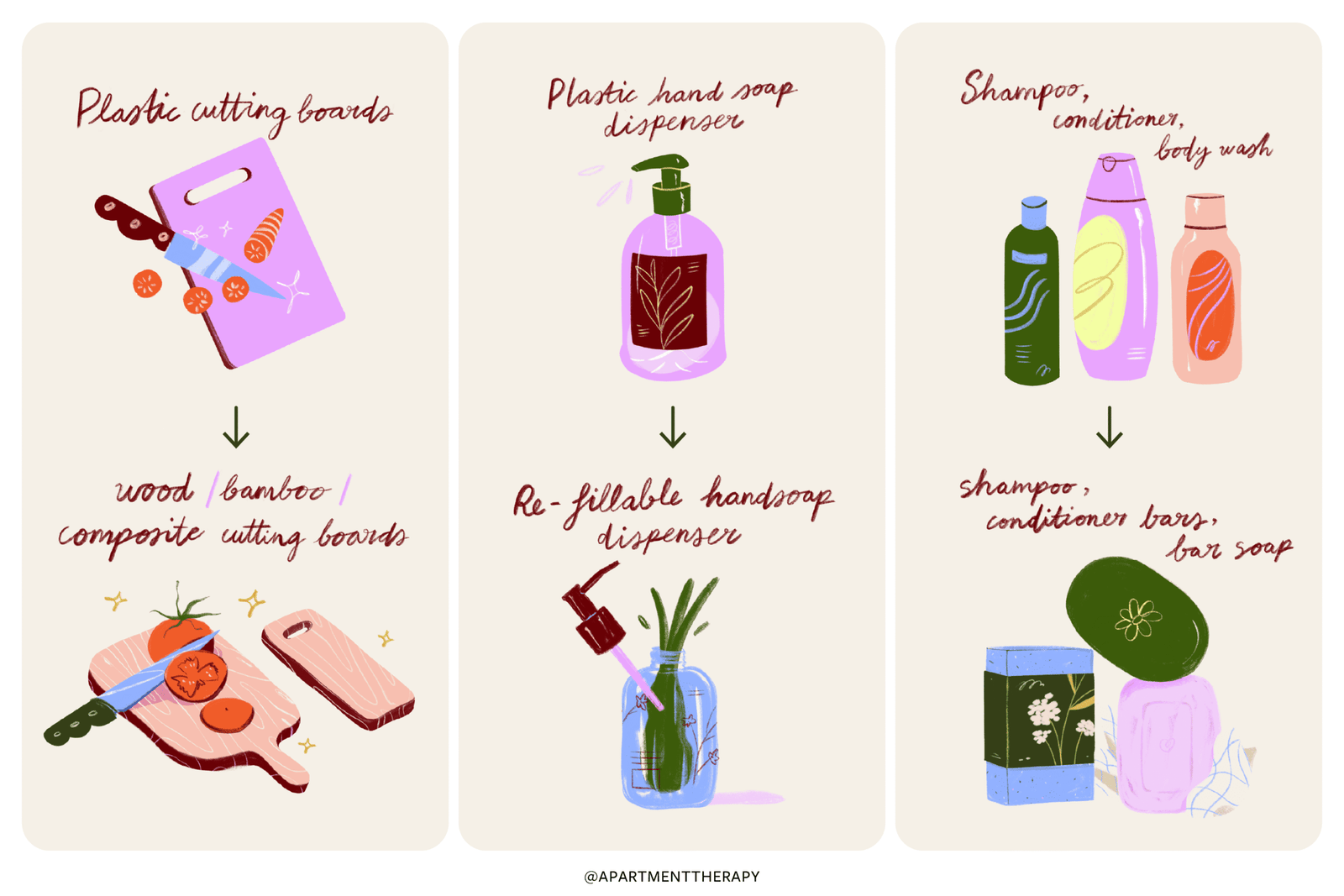
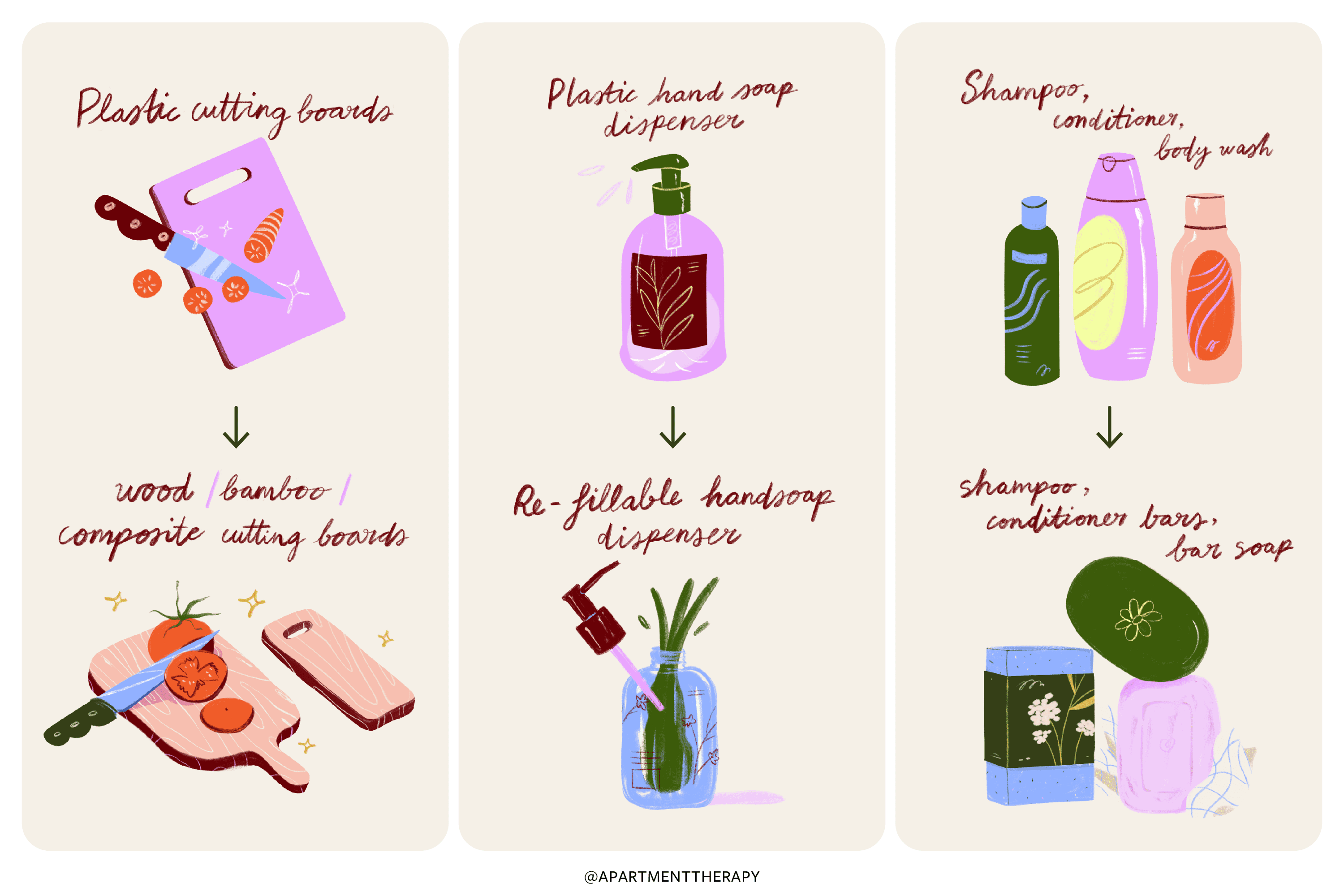
Let’s talk cutting boards. Those plastic ones might seem harmless, but every time you chop veggies or slice meat, you’re creating tiny scratches. And guess what fills those scratches? Microplastics. Over time, these plastic particles can make their way into your food. Plus, plastic cutting boards are magnets for bacteria if not cleaned properly. It’s a double whammy. So, what’s a better alternative? Embrace the natural beauty and function of wooden cutting boards. Bamboo and wood are fantastic choices. They’re durable, naturally antimicrobial (to a certain extent), and they don’t shed plastic into your food. When you cut on wood, you’re essentially cutting into the wood fibers, not releasing micro-particles. It’s a much cleaner way to prep your meals. You’ll want to maintain them properly – oiling them regularly – but that’s a small price to pay for healthier food prep. Honestly, a good wooden board just feels better to use. It’s got that solid, natural feel that plastic can’t match. Plus, they look gorgeous in the kitchen. Check out simple swaps for a healthier kitchen; it might inspire you. This small change makes a big difference.
Filter Your Water, Filter Your Life
You know what’s scary? That tap water you’re drinking might be full of microplastics. They get into our water systems from all sorts of places – sewage treatment plants, industrial waste, you name it. Bottled water isn’t much better, often containing even more microplastics from the plastic bottles themselves. So, how do you combat this invisible invader? Water filters are your best friend. Look for filters specifically designed to remove microplastics. Pitcher filters like Brita or PUR can help, but for serious microplastic removal, you might want to consider a filter that attaches directly to your faucet or even a whole-house system. Reverse osmosis systems are also highly effective. It’s about ensuring the water you’re hydrating with is actually, you know, pure. Reducing your reliance on bottled water is also key. Investing in a good quality reusable water bottle (glass or stainless steel, obviously!) and filling it up from a filtered tap is a massive step. Think about it – you’re drinking gallons of water every week. Making sure that water is clean is non-negotiable. It’s one of the most critical areas to tackle microplastics. Your body will thank you.
Beyond the Kitchen: Easy Home Swaps
Look, the kitchen is a major hotspot for microplastic culprits, but the battle doesn’t end there. Your entire home is probably a plastic party waiting to happen. But don’t panic! Small changes outside the kitchen can make a huge difference too. Take your laundry, for instance. Synthetic fabrics like polyester, nylon, and acrylic – basically, most activewear and fleece – shed tiny plastic fibers every time you wash them. These fibers go right down the drain and into our waterways. The fix? Try to incorporate more natural fibers like cotton, linen, wool, and hemp into your wardrobe. When you do wash synthetics, consider using a filter bag for your washing machine or a washboard designed to catch microfibers. Another easy win is in your personal care products. Many scrubs, toothpastes, and body washes contain tiny plastic beads called microbeads. They’re baed in some places now, but still linger. Look for products with natural exfoliants like sugar, salt, or ground seeds instead. You can find tons of simple plastic swaps for your home that go way beyond just food. It’s about being mindful of the materials we bring into our lives and asking, ‘Is there a better way?’ Embracing these non-kitchen swaps is key to a truly plastic-reduced life.

Source : youtube.com
The Big Picture: Why This Matters
So, we’ve talked about containers, utensils, wrap, boards, and water. Easy stuff, right? But why is this such a big deal? Because microplastics aren’t just a minor aoyance; they’re a growing environmental and health crisis. They’re polluting our oceans, harming wildlife, and, as we’ve seen, ending up in our bodies. Scientists are still figuring out the long-term health effects, but early research suggests potential links to inflammation, hormonal disruption, and other issues. It’s not something we can just ignore. By making these simple swaps, you’re not just cleaning up your own home; you’re contributing to a larger movement. You’re sending a message to manufacturers that we demand better, more sustainable options. You’re reducing the demand for single-use plastics. It’s about taking control of your environment, one small change at a time. Think of it as decluttering your life, not just of physical objects, but of harmful invisible particles. This is about taking personal responsibility for our planet and our health. It’s totally doable.
Wrapping It Up (Not in Plastic!)
Making the switch away from microplastics doesn’t have to be overwhelming. Start small. Pick one swap that resonates with you. Maybe it’s ditching the plastic wrap or investing in a glass container set. Once that feels normal, tackle another. Before you know it, you’ll have a significantly cleaner, healthier home environment. These changes aren’t just about avoiding plastic; they’re about embracing a more mindful, sustainable way of living. It’s about making conscious choices that benefit you, your family, and the planet. So go ahead, make that swap. Your future self – and the planet – will thank you. It’s time to take back our homes from the plastic invasion. Let’s make our living spaces truly clean.
Frequently Asked Questions
-
What exactly are microplastics and why should I care about them in my home?
Microplastics are tiny plastic particles, less than 5mm long, that come from the breakdown of larger plastic items. You should care because they’re found everywhere – in our food, water, and even the air. They can leach harmful chemicals and are increasingly linked to health concerns. Reducing them in your home is about protecting your family’s health and the environment. It’s a real health concern.
-
Are glass food containers truly better than plastic ones for avoiding microplastics?
Absolutely! Glass containers are a fantastic alternative because they don’t leach chemicals or shed microplastic particles into your food, especially when heated or scratched, which plastic does. They’re durable, easy to clean, and a much safer bet for storing and reheating your meals. Think of it as a superior food storage solution.
-
How do wooden or silicone utensils help reduce microplastics compared to plastic ones?
Plastic utensils are notorious for scratching and degrading over time, releasing tiny plastic fragments into your food. Wood and silicone are inert materials that don’t break down or leach plastic. Wooden utensils are natural and durable, while food-grade silicone is heat-resistant and flexible. Making this switch means you’re avoiding adding plastic to your meals.
-
What are the best alternatives to plastic wrap and single-use plastic bags?
The best alternatives are reusable ones! Beeswax wraps are amazing for covering bowls or wrapping food – they’re washable and reusable. Silicone food covers that stretch over bowls work great too. For packing lunches, reusable silicone bags or small glass containers are perfect. Ditching disposable plastic is a huge environmental win.
-
Besides the kitchen, what are other key areas in my home where I can easily reduce microplastics?
Great question! Your laundry is a big one – synthetic fabrics shed microfibers. Opt for natural fibers when possible and use microfiber-catching laundry bags. Also, check your personal care products! Many scrubs and toothpastes contain microbeads (tiny plastic bits). Look for natural exfoliants instead. Reducing plastic in your daily routines matters a lot.