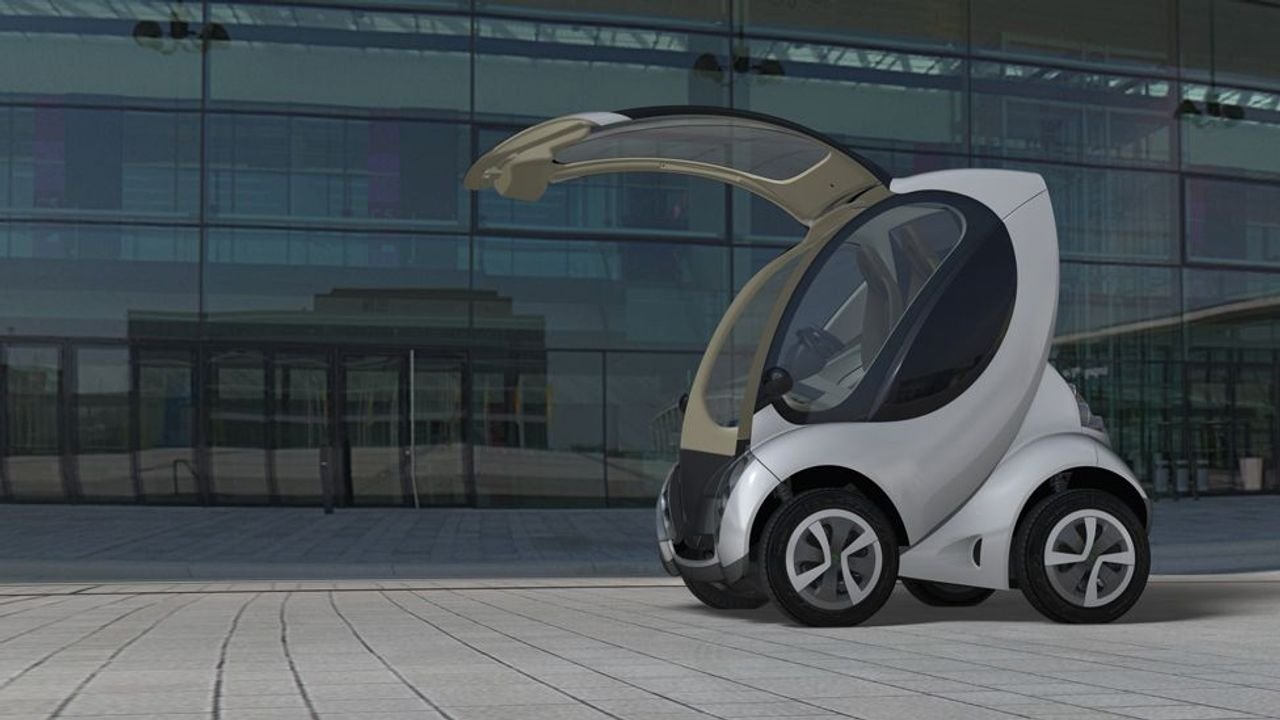
The Foldable Revolution: How Tiny Wheels Are Changing Our Cities
Forget the gridlock. Forget the endless search for parking. The way we move through our cities is getting a serious makeover, and it all folds up neatly.
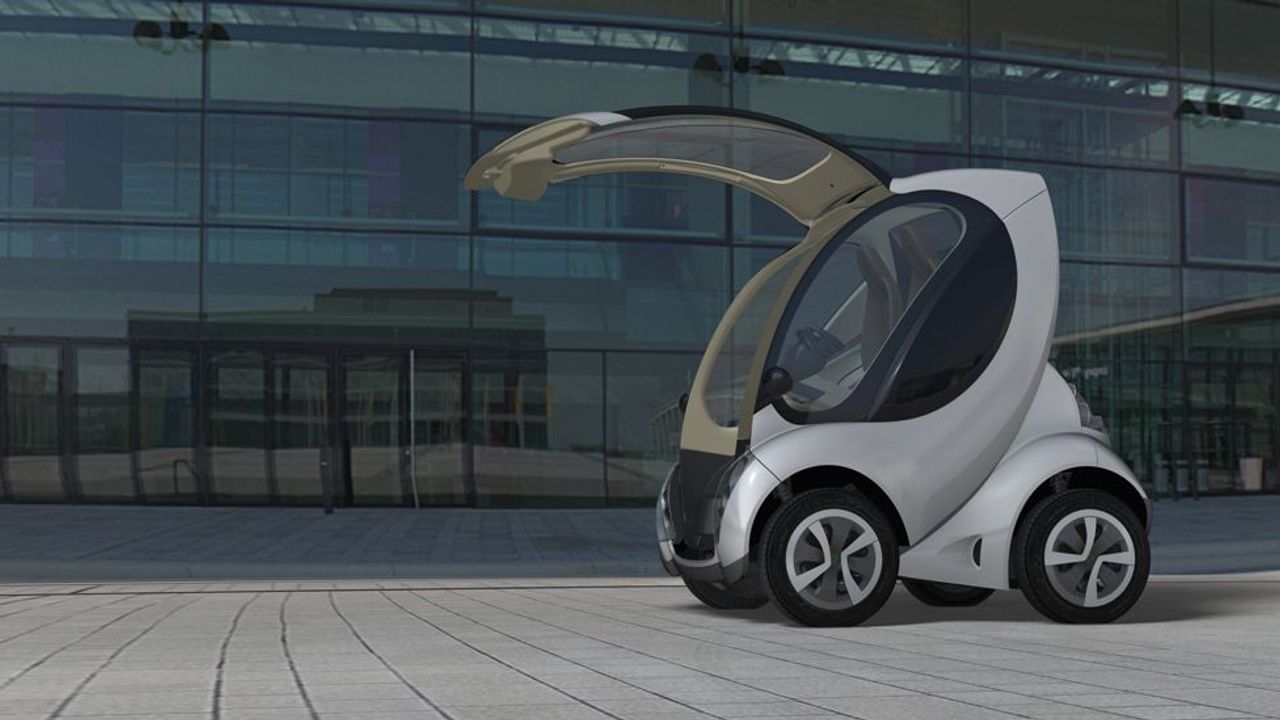
Source : bbc.com
Seriously. Think about it. The daily commute. It’s a pain. Always has been. But now? There’s a smarter way. A way that sidesteps the traffic jams and the packed-like-sardines public transport. We’re talking about folding commuter vehicles. These aren’t your grandpa’s clunkers. They’re sleek, they’re electric, and they fit right into your life. Or, more accurately, they fit under your desk, in a closet, or even on the train beside you.
This whole foldable movement? It’s not just a trend. It’s a full-blown revolution in urban mobility. And it’s happening fast. More and more people are ditching their cars for something smaller, more agile, and frankly, way more fun.
Why the Sudden Obsession with Foldable Rides?
It’s simple, really. Our cities are bursting at the seams. Space is a premium. Time is even more of one. Traditional commuting methods just aren’t cutting it anymore. They’re slow, they’re expensive, and they’re a massive headache. Cars clog the streets, parking is a nightmare (and costs a fortune), and public transit? Well, we’ve all had those experiences, right?
Enter the foldable vehicle. These things are designed for modern life. They tackle the biggest pain points head-on. Need to hop on a bus or train for part of your journey? No problem. Just fold it up. Live in a tiny apartment? These foldies take up next to no space. Worried about gas prices? Most of them run on electricity, making them super cheap to operate.
It’s about reclaiming your time and your sanity. It’s about making the daily grind a little less grindy. And a lot more convenient. This isn’t just about getting from A to B; it’s about enjoying the journey. Or at least, not hating it.

Source : nytimes.com
The Big Players: E-Bikes, E-Scooters, and Beyond
When we talk about foldable commuter vehicles, a few key types come to mind. The most popular, hands down, is the folding electric bike. These bad boys offer the familiar feel of cycling, but with a sweet electric assist that makes hills disappear and long distances feel like a stroll in the park. They’re versatile, relatively fast, and great for covering a few miles without breaking a sweat. You can check out why folding electric bikes are becoming the preferred choice for so many.
Then you’ve got folding electric scooters. Think of the Bird or Lime scooters you see everywhere, but personal, portable, and ready when you are. They’re super compact, incredibly easy to use, and perfect for those short hops, especially for the ‘last mile’ commute from the train station to your office. They represent the future of urban commuting, no doubt about it.
But it doesn’t stop there. We’re seeing iovations like foldable electric skateboards and even tiny, collapsible electric unicycles (though those are definitely for the more adventurous!). The core idea remains the same: maximum portability, minimum hassle.
The Tangible Benefits: More Than Just a Fold
Okay, so they fold. Big deal, right? Wrong. The benefits go way beyond just saving space. Let’s break it down:
1. Cost Savings: Ditch the Gas Guzzler
This is a huge one. Owning a car in the city? It’s an expensive proposition. Insurance, gas, maintenance, parking tickets… it all adds up. A folding electric bike or scooter? The upfront cost is a fraction of a car, and the ruing costs are practically peies. Charging an e-bike costs next to nothing compared to filling a gas tank. Think of the money you’ll save each month. It’s significant.
2. Time Efficiency: Beat the Clock
Remember those traffic jams? Yeah, they’re gone. On a folding bike or scooter, you can often take dedicated bike lanes, cut through pedestrian areas (where allowed, of course), and generally zip around obstacles that bring cars to a standstill. Plus, no more circling the block for parking. Park it right outside your door, or even take it inside. You get back precious minutes, maybe even hours, every week. It’s a real game-changer for anyone living in a dense urban environment. People are realizing that more adults are choosing folding electric bikes for their daily travel because of this time savings.
3. Environmental Impact: Go Green, Stay Clean
Let’s face it, our planet needs a break. Cars are major polluters. Switching to an electric foldable vehicle significantly reduces your carbon footprint. Especially if your electricity comes from renewable sources. It’s a small change you can make that has a collective big impact. Think cleaner air for everyone. It’s a win-win.
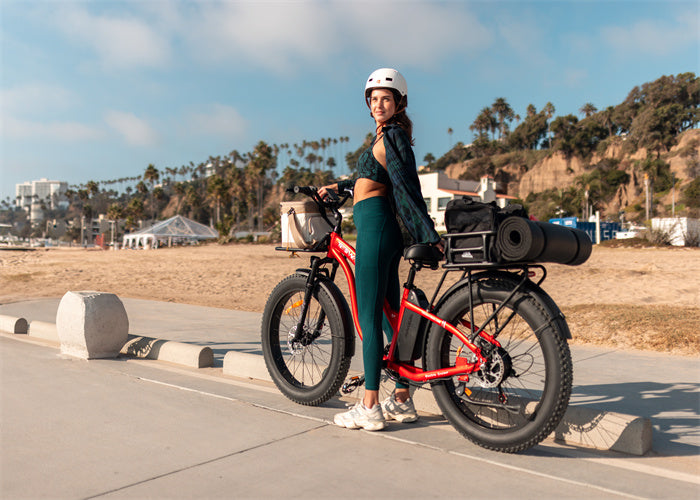
Source : teswaybike.com
4. Health and Wellbeing: Get Moving!
Even with the electric assist, riding a bike or scooter gets you moving. It’s not the same as being strapped into a car. You’re exposed to the elements (in a good way!), you get some exercise, and you start your day feeling more energized. It beats sitting in traffic, feeling stressed. Plus, the mental boost from a bit of fresh air and movement is undeniable.
5. Space Saving: The Ultimate Urban Dweller’s Dream
This is where the ‘folding’ part really shines. Apartments are getting smaller, and storage space is virtually non-existent. A full-sized bike is a pain to store. A folding electric vehicle? It tucks away neatly. Under your desk at work, in a small hallway closet, or even in the trunk of your car if you need to transport it further. It solves a huge problem for city dwellers.
Navigating the Foldable Landscape: What to Look For
So, you’re sold. You’re ready to join the foldable revolution. But where do you start? It can be a bit overwhelming with all the options out there. Here’s a quick rundown of what matters:
Weight and Foldability
This is key. If it’s too heavy, you won’t want to carry it up the stairs or onto the train. If the fold mechanism is clunky or takes too long, you’ll dread using it. Look for something that feels sturdy but is light enough for your needs. Test the fold – can you do it in under 30 seconds? Does it lock securely when folded?
Battery Life and Range
How far do you need to go on a single charge? Check the manufacturer’s stated range, but remember that real-world conditions (hills, rider weight, wind) will affect it. Make sure the range meets your daily commute needs, with a little buffer. And consider charging time – do you need a quick top-up or can it charge overnight?
Motor Power and Speed
This depends on your terrain and how fast you want to go. If you have lots of hills, you’ll want a more powerful motor. Check the legal speed limits for e-bikes and e-scooters in your area. Don’t get something that’s going to get you a ticket.
Build Quality and Durability
You want something that’s going to last. Look for reputable brands with good reviews. Check the materials used – aluminum frames are common and offer a good balance of strength and weight. Good brakes are non-negotiable. Test ride if possible, or at least watch detailed video reviews.

Source : nytimes.com
Portability Features
Does it have a handle to carry it when folded? Does it stay folded on its own? Some models have features like integrated carrying straps or even wheels that allow you to roll the folded unit like a small suitcase. Little things that make a big difference.
The Future is Foldable (and Electric)
The trend is clear. As cities get denser and commuting challenges mount, foldable electric vehicles are becoming not just a novelty, but a necessity. They offer a practical, affordable, and eco-friendly solution to the urban mobility puzzle.
We’re moving towards a future where personal, portable electric transport is the norm. Think integrated transport hubs, more dedicated micro-mobility lanes, and city plaing that prioritizes these efficient, small-footprint vehicles. It’s an exciting time to be a commuter!
So, next time you’re stuck in traffic or dreading the train, take a look at the world of folding commuter vehicles. Your commute – and your sanity – might just depend on it. Ready to make the switch?
Frequently Asked Questions About Folding Commuter Vehicles
Q: Are folding electric bikes really practical for commuting?
A: Absolutely! They’re incredibly practical for urban commutes. You can easily navigate traffic, park them almost anywhere (even indoors), and the electric assist makes hills and longer distances a breeze. Plus, they save you a ton on gas and parking. It’s why many people prefer folding bikes for their daily trips.
Q: How much do folding commuter vehicles typically cost?
A: Prices vary a lot. You can find basic folding scooters for a few hundred dollars, while high-end folding electric bikes can go for $2,000 or more. A good middle-ground for a decent quality folding e-bike or scooter usually falls between $800 and $1,500. It’s a solid investment in your commute.
Q: What’s the difference between a folding e-bike and a folding e-scooter?
A: Great question! A folding e-bike is essentially a regular bicycle that folds, often with pedals and a seat, powered by an electric motor. A folding e-scooter is more like a standing scooter, with handlebars and a platform to stand on, also with electric power. E-bikes generally offer more range and a more comfortable ride for longer distances, while e-scooters are typically more compact and quicker for very short trips. They are both great for city travel.
Q: Is it legal to ride folding electric vehicles on public roads?
A: This is where it gets tricky and depends heavily on your location. E-bikes usually have specific classifications (like Class 1, 2, or 3) that determine where they can be ridden (bike lanes, roads, etc.) and their speed limits. E-scooters often fall into a grey area or have specific regulations in cities regarding sidewalk riding and road use. Always check your local laws before you ride! Ignorance isn’t a defense, and you don’t want to face unexpected legal trouble.
Q: How much maintenance do these foldable vehicles require?
A: Generally, they require less maintenance than a car, but more than a traditional non-electric bike. You’ll need to keep tires inflated, check brakes regularly, and keep the folding mechanisms clean and lubricated. If it’s electric, you’ll eventually need to consider battery health. Most of the maintenance is pretty straightforward, but for complex issues, a local bike shop specializing in e-mobility is your best bet. Proper care ensures long-term vehicle reliability.