Ditching Fossil Fuels: Your Guide to a Renewable Energy Career
Alright, let’s cut to the chase. You’re thinking about jumping ship from the old-school energy sector, maybe oil and gas, maybe something totally different, and diving headfirst into the renewable energy world. Smart move. The planet needs it, your conscience might need it, and frankly, the job market is screaming for people like you.
Source : energy.gov
This isn’t some fluffy, feel-good piece. This is your roadmap. We’re going to talk about what’s really involved, how your existing skills might actually be gold in disguise, and where you can start looking for that dream job. Forget the jargon, forget the corporate speak. This is real talk for real people ready to make a real change.
Why Now is the Absolute Best Time to Switch
Let’s be blunt: the writing’s on the wall for fossil fuels. Climate change isn’t some future problem anymore; it’s here. And the world is finally waking up. That means huge investments are pouring into solar, wind, geothermal, you name it. What does that mean for you? Jobs. Lots and lots of jobs. We’re talking about careers that aren’t just about making a paycheck, but about building a future. It’s not just a trend; it’s a fundamental shift in how we power our lives.
Think about it. Every solar panel installation, every wind turbine erected, every electric vehicle charging station built – that’s all fueled by people. People with skills. People like you. The growth potential in this sector is astronomical. While other industries might be stagnant or even shrinking, renewables are exploding. It’s like getting in on the ground floor of something massive, something that actually matters.
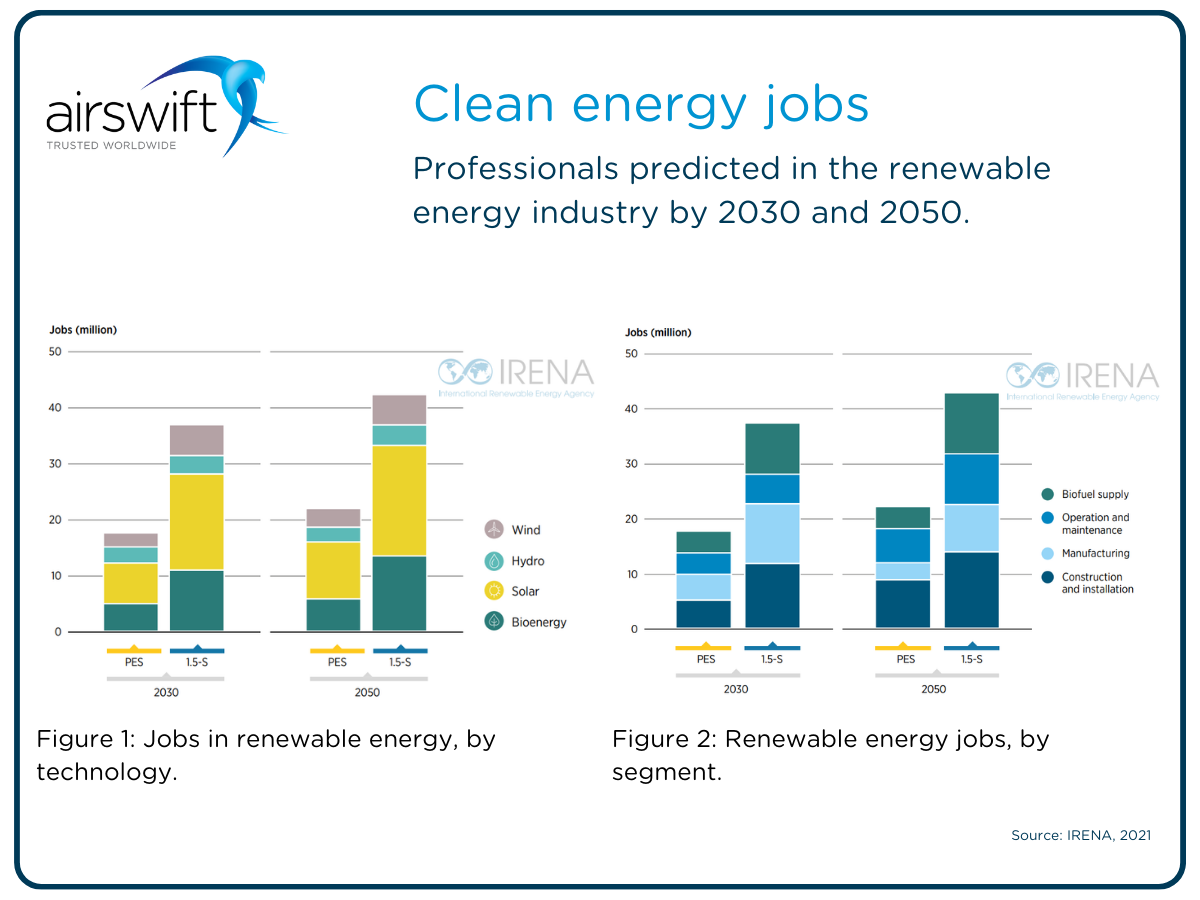
And it’s not just about saving the planet. These are often stable, well-paying jobs. We’re talking about manufacturing, installation, engineering, project management, sales, policy, maintenance – a whole universe of opportunities. The sector is crying out for talent, and they’re willing to pay for it. So, if you’re looking for a career that’s both rewarding and secure, renewable energy is where it’s at.

Source : progressiverecruitment.com
Your Skills Are More Valuable Than You Think
Okay, so maybe you’ve spent years working with pipelines, or managing complex logistics, or maybe you’re a whiz with spreadsheets in an office setting. You might be thinking, “How on earth does that translate to a solar farm?” Relax. Your experience is hugely transferable. Seriously.
Let’s break it down. If you understand project management in oil and gas, guess what? You understand project management. The principles are the same: timelines, budgets, safety protocols, stakeholder management. The specific industry changes, but the core skills? Totally transferable. Think about a site manager on a drilling rig. They know safety inside and out, how to coordinate large teams, how to deal with unexpected problems on the ground. Those are skills that are absolutely essential for building and maintaining a large-scale solar or wind project. It’s about applying that existing expertise in a new context.
What about engineers? If you’re an electrical engineer who’s been designing power grids for traditional sources, switching to designing grids for renewables is a natural step. You’ll need to learn some new specifics, sure, but your foundational knowledge is solid gold. Same goes for mechanics, technicians, even folks in sales and marketing. You know how to sell, how to communicate value, how to build relationships. That’s universal.
Don’t underestimate your soft skills either. Problem-solving, critical thinking, adaptability – these are what employers are really looking for. The renewable sector is new and evolving fast. They need people who can think on their feet, who aren’t afraid of a challenge, and who can learn quickly. So, before you dismiss your current role as irrelevant, think about those core competencies. You might be surprised at how much marketable value you actually hold.
Mapping Your Path: Where to Start
So, you’re convinced. You’re ready to make the leap. But where do you actually begin? It can feel a bit overwhelming, right? Like standing at the bottom of a mountain. But we’ll break it down.
1. Self-Assessment: What Do You Actually Want to Do?
First things first. What part of renewable energy genuinely excites you? Is it the hands-on work of installing solar panels? Maybe it’s the complex engineering behind wind turbines. Perhaps you’re more interested in the policy side, shaping the future of energy regulations. Or maybe you see yourself in the business development or finance side, making the deals happen. There are a ton of different roles. Knowing what you’re aiming for makes the search way more focused. You don’t want to just wander into it. Get specific. Ask yourself: what kind of problems do I want to solve? What kind of impact do I want to make? Define your goals.
2. Skill Gap Analysis: What Do You Need to Learn?
Watch: How to Break Into Clean Energy (Step-by-Step Blueprint)
Once you know your target, look at the job descriptions. What skills or certifications keep popping up that you don’t have? Don’t panic. This is where upskilling comes in. Maybe you need a specific certification for solar installation, or a basic understanding of grid technology, or proficiency in certain software. Lots of organizations offer short courses or workshops. Check out resources like Get Into Energy for info on various careers. Explore career paths in this growing field. It’s about identifying those key missing pieces and finding targeted ways to fill them.
Consider online courses through platforms like Coursera, edX, or even specialized industry training programs. Many companies in the renewable sector offer their own training or apprenticeships once you’re in the door, but having some foundational knowledge beforehand can give you a serious edge. Remember, it’s not about starting from zero; it’s about building on your foundation.
3. Networking: Talk to People!
This is HUGE. Seriously, don’t skip this. The energy sector, even the new renewable part of it, runs on coections. Go to industry events (virtual or in-person), join professional organizations, and coect with people on LinkedIn. Reach out to folks who are already doing what you want to do. Ask them about their journey. Most people are happy to share their experiences and offer advice. You never know where a conversation might lead. It could be a job lead, a mentorship opportunity, or just invaluable insight into the industry. People want to help others succeed, especially when they’re passionate about the field. Make sure you’re not just asking for a job; ask for advice, for information. Be genuine. A strong professional network can open doors you never even knew existed.
Attend webinars, join online forums, follow companies you admire on social media. Engage in conversations. The goal is to become a familiar face (or username) in the community. Let people know you’re serious about making the transition. You’d be surprised how many opportunities arise simply because someone remembered your name or your interest. It’s about planting seeds and nurturing relationships. Your next big break could come from a casual coffee chat.
4. Job Searching: Target Your Efforts
Okay, you’ve got your target, you’ve addressed skill gaps, and you’ve started building your network. Now, it’s time to hit the job boards. But don’t just blindly apply everywhere. Tailor your resume and cover letter to each job. Highlight the transferable skills you identified earlier. Use keywords from the job description. Show them you understand their needs and how your background makes you a perfect fit. Check out industry-specific job boards in addition to the big ones. Resources from the U.S. Department of Energy, like Guidance on Clean Energy Careers, can be incredibly helpful. Be persistent. Finding the right role might take time, but a focused approach increases your odds dramatically. Don’t get discouraged. Keep refining your approach. Targeted applications get noticed.
Remember that the renewable energy sector is diverse. You’ve got huge utility companies, smaller specialized firms, manufacturing plants, installation crews, research institutions, and even non-profits. Each has a different culture and hiring process. Don’t be afraid to reach out to HR departments directly if you can’t find a specific opening listed, especially if you’ve already made a coection within the company. Sometimes, the best way to get your foot in the door is by creating the opportunity yourself. Persistence and a clear value proposition are key.
The Top Sectors in Renewable Energy to Consider
The world of renewables is vast. Let’s zoom in on some of the biggest players and hottest areas right now.
Source : sanjuancollege.edu
Solar Power: Shining Bright
This is probably the most obvious one, right? Solar is booming. We’re talking utility-scale solar farms, commercial rooftop installations, and even residential systems. The jobs range from manufacturing the panels and inverters to installing them on roofs and land, to the engineers who design the systems and the salespeople who sell them. Project managers are crucial for overseeing the massive construction projects. The demand for solar installers alone is projected to grow significantly. It’s a hands-on field with clear career progression.
Think about the supply chain too. Someone has to mine the silicon, manufacture the components, transport them, and maintain the finished products. Even if you’re not directly installing panels, there are roles in logistics, quality control, and operations management. The technology is also constantly improving, creating needs for R&D and technical support. It’s a sector with incredible momentum.
Wind Energy: Catching the Breeze
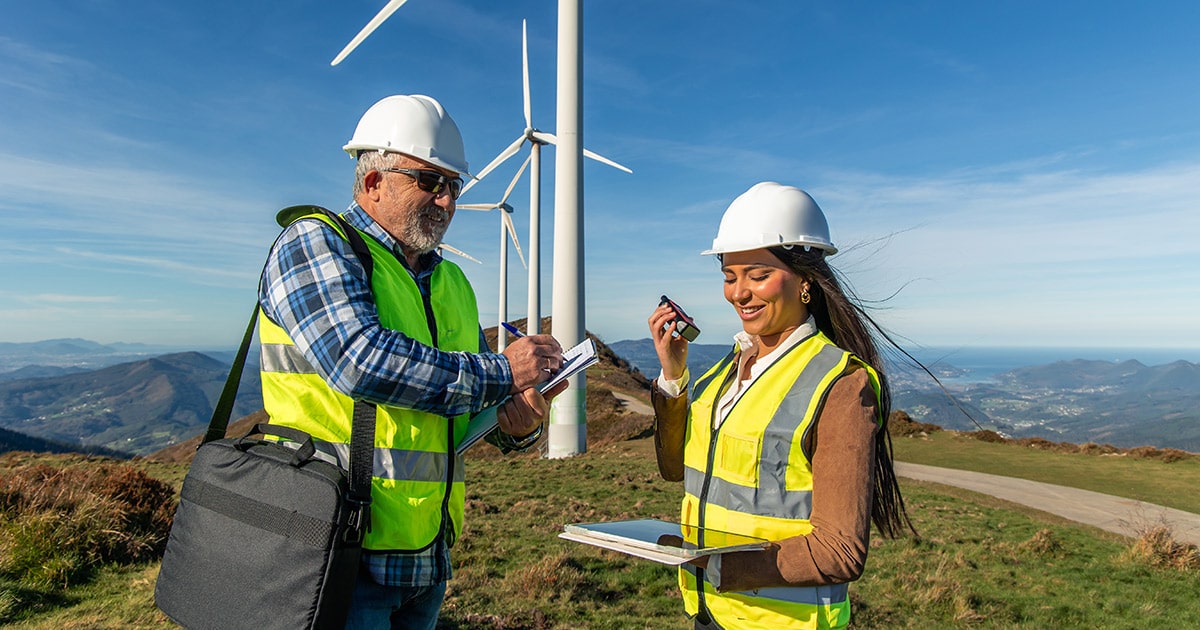
Wind power is another massive segment. This includes both onshore and offshore wind farms. Offshore is particularly exciting, with huge investments being made. Jobs here involve manufacturing enormous turbine components (blades, towers, nacelles), transporting them (which is a major logistical feat!), installing them on land or out at sea, and then maintaining them. Turbine technicians, often working at great heights or on vessels offshore, are in high demand. Specialized skills are needed, often involving mechanical and electrical expertise.
The engineering roles are critical here, from designing more efficient turbines to figuring out the best placement for farms. Environmental consultants also play a key role in assessing the impact of these projects. It’s a field that requires heavy machinery, complex logistics, and a deep understanding of physics and engineering. The scale of these projects is mind-boggling, offering complex and rewarding challenges.
Energy Storage: The Grid’s New Best Friend
Renewables like solar and wind are intermittent – the sun doesn’t always shine, and the wind doesn’t always blow. That’s where energy storage, primarily batteries, comes in. This sector is exploding as we need ways to store excess energy and release it when demand is high or supply is low. Jobs are in the manufacturing of battery components and systems, the engineering of storage solutions, the installation and integration of these systems into the grid or buildings, and the software development needed to manage them. Battery technology is a huge growth area.
Think about grid-scale battery farms, residential battery backup systems, and batteries for electric vehicles. All of this requires a workforce with skills in chemistry, electrical engineering, software development, and installation. It’s a critical enabling technology for a fully renewable grid, and the opportunities are multiplying rapidly.
Geothermal and Hydropower: Reliable Baseload
While solar and wind get a lot of the headlines, geothermal (heat from the earth) and hydropower (water flow) are also vital. Geothermal involves drilling and power plant operation, requiring skills similar to the oil and gas industry but for a different resource. Hydropower involves managing dams and water resources, often requiring civil engineering and environmental expertise. These are often stable, consistent power sources, complementing the variable nature of solar and wind. They represent mature technologies but still require skilled persoel for operation, maintenance, and upgrades.
Source : airswift.com
These sectors might be smaller in terms of new job growth compared to solar and wind, but they offer long-term stability and require specialized knowledge. Opportunities exist in plant operations, maintenance, engineering, and environmental management. They form an essential part of a diversified clean energy portfolio.
Grid Modernization & Smart Technology
As we integrate more renewables and electric vehicles, our old power grids need a serious upgrade. This includes building out transmission lines, developing smart grid technologies, cybersecurity, and advanced software for managing energy flow. This sector needs electrical engineers, software developers, data analysts, and project managers. It’s about creating a smarter, more resilient energy infrastructure. Think of it as the digital nervous system for the future energy landscape. Opportunities abound in areas like demand-response management, predictive maintenance, and grid optimization software. This is where the future of energy infrastructure is being built.
Navigating the Transition: Real-World Advice
Switching careers is never a walk in the park. Here’s some no-nonsense advice based on what works.
Be Patient, But Persistent
Rome wasn’t built in a day, and neither is a new career. You might not land your dream job on day one. You might need to take an entry-level position or a role that isn’t quite what you envisioned initially. That’s okay. Use it as a stepping stone. Gain experience, learn the ropes, and prove your worth. The key is to stay focused on your long-term goal and keep putting one foot in front of the other. Don’t get discouraged by initial setbacks. Every conversation, every application, every interview is a learning opportunity. The energy sector values reliability and dedication, so show them you’ve got it.
Embrace Continuous Learning
The renewable energy field is evolving at lightning speed. What’s cutting-edge today might be standard tomorrow. Commit to lifelong learning. Stay updated on new technologies, industry trends, and policy changes. Read industry publications, follow thought leaders, and consider further training or certifications as needed. Your willingness to learn and adapt is one of your greatest assets. Companies want employees who are proactive about their professional development. Seek out mentorship opportunities – experienced professionals can offer invaluable guidance and insights into navigating the fast-paced nature of the industry. Never stop being curious.
Highlight Your ‘Why’
In your resume, cover letter, and interviews, make sure you articulate why you’re making this transition. What’s driving you? Is it a passion for sustainability? A desire to contribute to a cleaner future? A belief in the economic opportunities? Coecting your personal motivations to the mission of the company you’re applying to can make a huge difference. It shows you’re not just looking for a job, but this job. It adds a layer of genuine enthusiasm that robotic applications just can’t replicate. Employers want to hire people who are passionate about the work, not just collecting a paycheck.
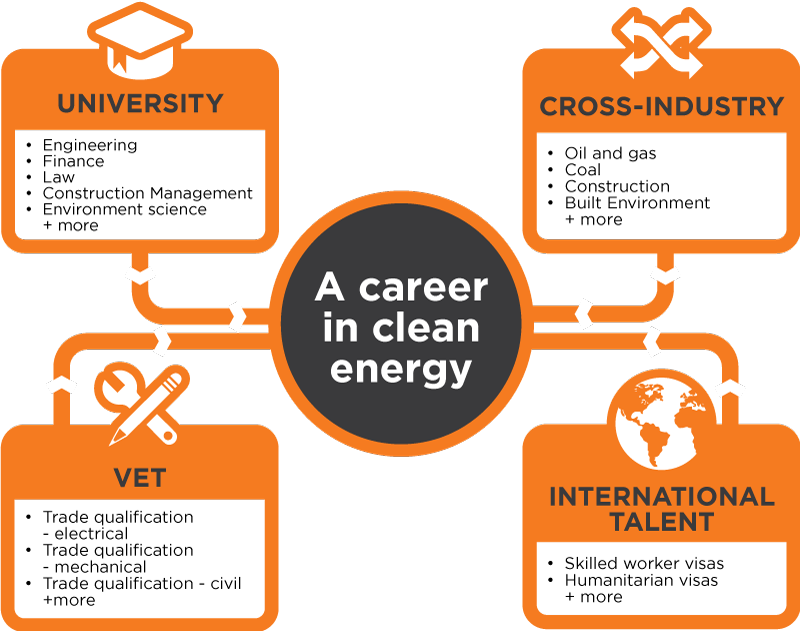
Source : cleanenergycouncil.org.au
Consider a Phased Transition
If you can’t make a complete jump immediately, could you transition gradually? Maybe start by taking on a project related to sustainability in your current role. Or perhaps take a part-time course while still employed. Some people even volunteer for renewable energy organizations on weekends to build experience and network. A phased approach can reduce financial risk and allow you to test the waters before fully committing. It’s about making the change manageable and sustainable for your personal circumstances. This can also provide valuable experience and references that strengthen your future job applications.
Tailor Your Application Materials
I can’t stress this enough. A generic resume sent everywhere won’t cut it. For each application, customize your resume and cover letter to match the specific job requirements and company values. Use the language they use. If they talk about “grid resilience,” use that term. If they emphasize “community engagement,” highlight your experience there. Show them you’ve done your homework and that you’re a perfectly aligned candidate. This takes more effort, yes, but it drastically increases your chances of getting an interview. Think of it as a sales pitch; you need to tailor it to your specific customer.
Don’t just list your duties; showcase your accomplishments. Use quantifiable results whenever possible. Instead of saying “Managed projects,” say “Managed 5 renewable energy projects simultaneously, delivering them an average of 10% under budget and on time.” This kind of detail makes your experience tangible and demonstrates your impact. It’s the difference between a potential employee and a proven asset.
The Future is Green, and It Needs You
Making a career transition is a big decision. But moving into the renewable energy sector? That’s not just a career move; it’s a move towards a more sustainable future. Your skills are needed. Your passion is valuable. The opportunities are real and growing every single day. Don’t wait for the future to happen; be a part of building it. Start exploring, start learning, and start coecting. Your clean energy career awaits.
Frequently Asked Questions
Which country is 100% clean energy?
That’s a great question, and honestly, it’s a bit of a moving target. As of now, no single country runs entirely on 100% renewable energy 24/7, 365 days a year. However, some places are incredibly close and have achieved 100% renewable electricity generation for extended periods. For instance, Iceland famously relies heavily on geothermal and hydropower, often meeting its electricity needs with renewables. Other countries like Costa Rica have also had years where they ran almost entirely on renewables. The goal is ambitious, and many nations are working towards it, but achieving it consistently across all energy use (not just electricity) is the real challenge. Keep an eye on places like Scotland and Norway; they’re making massive strides.
Does Elon Musk believe in renewable energy?
Oh, absolutely. You’d have to be living under a rock not to see that. Elon Musk is arguably one of the biggest proponents of renewable energy and sustainable technology globally. His companies, Tesla and SolarCity (now part of Tesla), are built around this very idea. Tesla produces electric vehicles, solar panels, and battery storage solutions – all key components of a renewable energy future. His vision is all about accelerating the world’s transition to sustainable energy. He’s not just a believer; he’s actively trying to engineer that transition himself.
What are the biggest challenges in transitioning to renewable energy jobs?
Honestly, the biggest hurdles often come down to a few things. First, transferring skills can be tricky if you don’t properly identify how your existing experience applies. People sometimes doubt their own relevance. Second, there’s a learning curve. New technologies mean new skills are needed, so upskilling and training are crucial, and sometimes that takes time and money. Finally, the job search itself can be competitive, especially for highly sought-after roles. Persistence and good networking are key to overcoming this. Don’t underestimate the power of coections.
How long does it take to transition a career into renewables?
It really varies. If you have highly transferable skills, like project management or engineering in a related field, you might find a new role relatively quickly – maybe a few months to six months. If you need significant retraining or certifications, or if you’re changing fields entirely, it could take longer, perhaps 6 to 18 months or more. Some people opt for a phased transition, taking courses part-time while still working. The key is to have a plan and be realistic about the timeline. Don’t rush the process; focus on building a solid foundation for your new career path.
Are renewable energy jobs stable and well-paying?
Yes, generally they are, and the outlook is strong. As the world shifts away from fossil fuels, the renewable energy sector is experiencing massive growth and investment. This translates into job security and competitive salaries, especially for skilled positions in areas like engineering, installation, and project management. While entry-level or less specialized roles might have lower starting pay, the potential for growth and advancement is significant. Think about long-term career prospects; this is where future energy jobs will be.