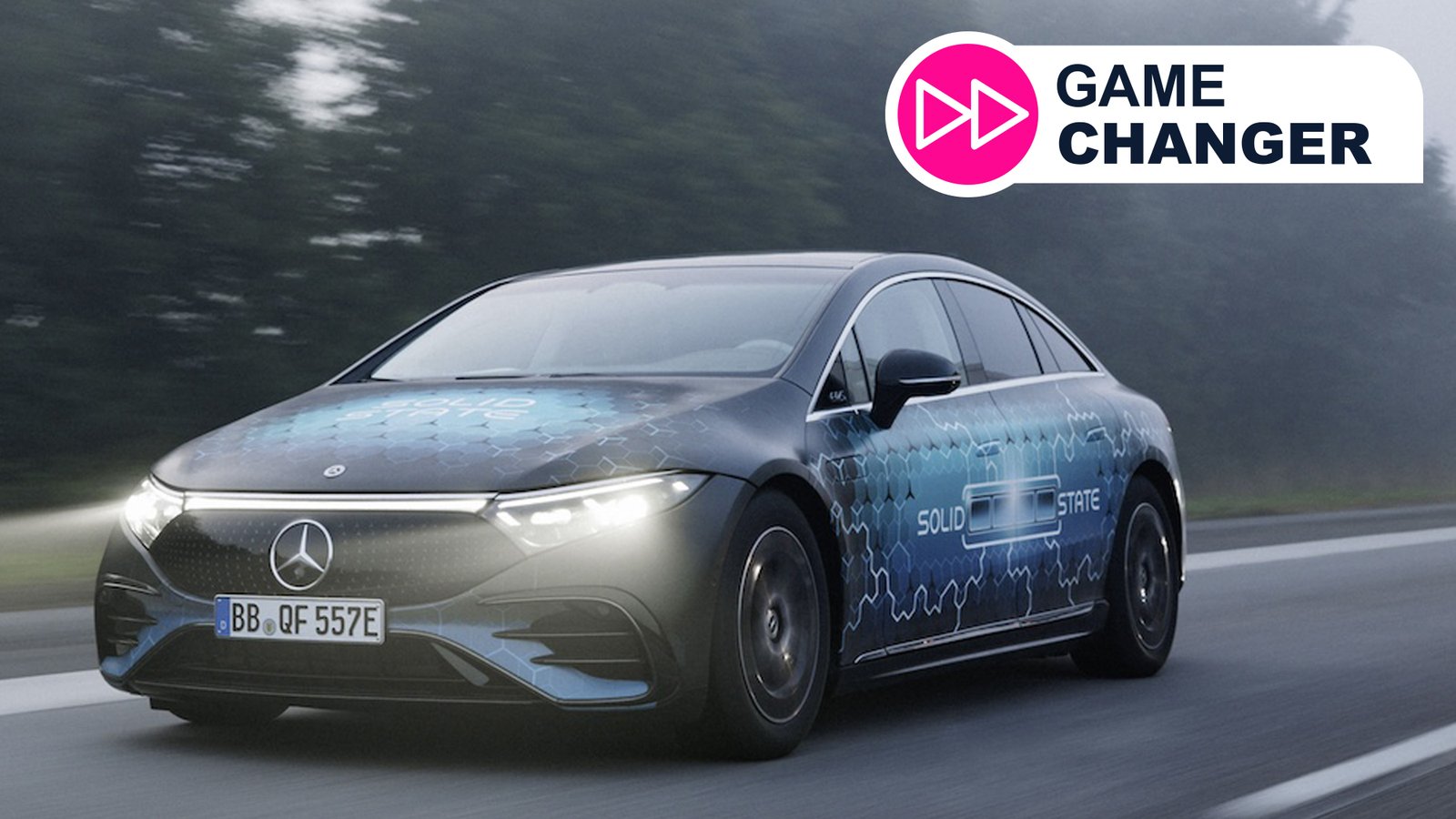
Solid-State Batteries: The Tech Finally Solving EV Range Anxiety
Let’s cut the chase. You’re probably here because you’re sick of hearing about electric vehicles and that nagging worry: “Will I run out of juice before I get home?” Yeah, range anxiety is a real drag. For years, it’s been the big, ugly roadblock holding back mass adoption of EVs. But what if I told you the answer isn’t just bigger lithium-ion packs, but a completely different beast altogether? Enter the solid-state battery. This isn’t just an upgrade; it’s a revolution waiting to happen. We’re talking about batteries that are safer, last longer, charge faster, and crucially, go further on a single charge. Forget those weekend road trip jitters. This is the tech that’s poised to finally kill the gas pump for good.
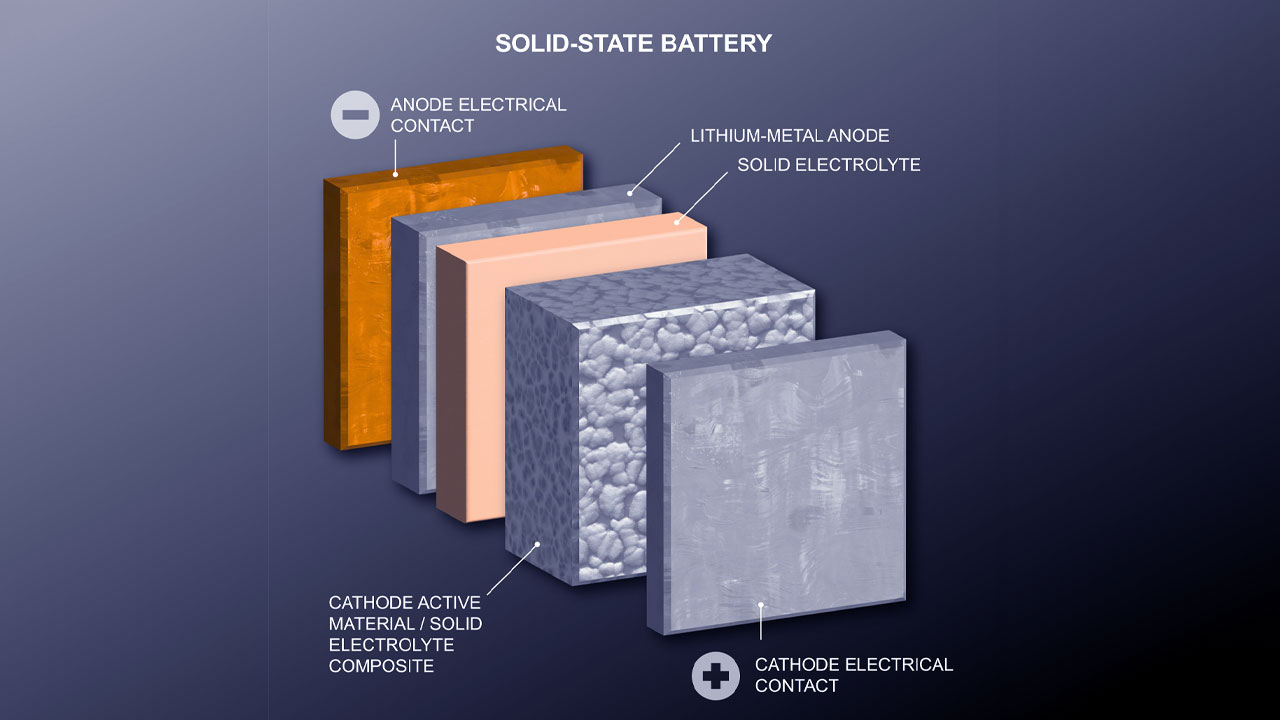
So, what exactly is this magic sauce? Unlike the lithium-ion batteries you find in your phone or current EVs, which use a liquid or gel electrolyte to shuttle ions between the anode and cathode, solid-state batteries use a solid material. Think of it like swapping out a leaky old garden hose for a solid, super-efficient pipe. This seemingly small change has massive implications. It means you can pack more energy into the same space, ditch flammable liquid electrolytes for safer solid ones, and even use materials like pure lithium metal for anodes, which are way more energy-dense.
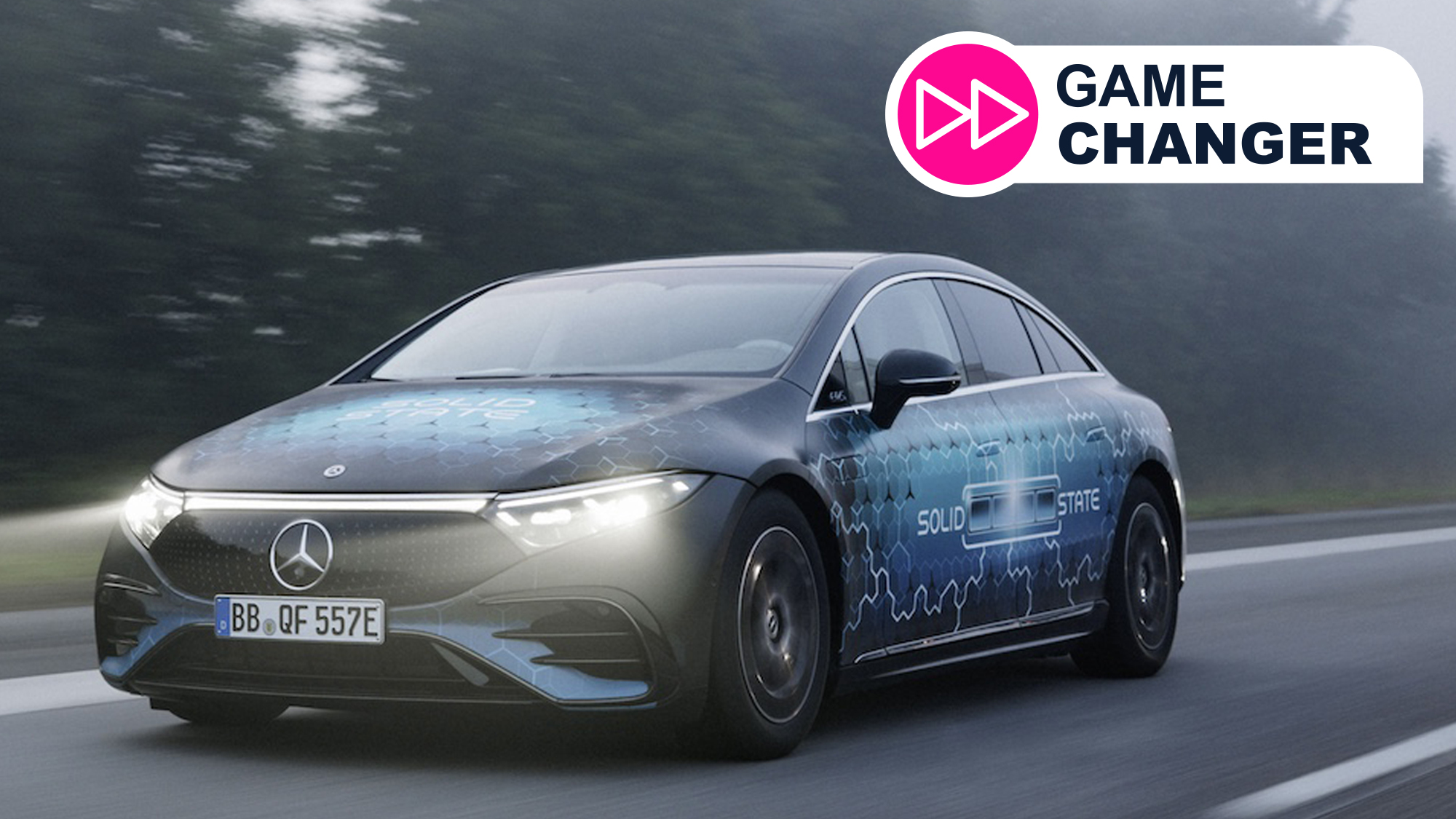
Source : techradar.com
The Problem: Why Current Batteries Suck (Sort Of)
Look, current lithium-ion batteries have been a triumph. They power our lives! But they’re not perfect. The liquid electrolyte is a fire hazard. Seriously, remember those exploding phone incidents? Plus, as they age and go through charge cycles, they degrade. You lose capacity. That means your brand-new EV won‘t have the same range in three years. And charging? It can still take ages, turning a quick pit stop into a long coffee break. These aren’t deal-breakers for everyone, but for mass appeal? They’re significant hurdles. It’s like having a super-fast sports car that needs a 3-hour refueling stop.
Engineers have been trying to squeeze more juice out of the same old tech for years. They’ve tweaked chemistries, improved battery management systems, and added more cells. It’s like putting a bigger engine in a car with a tiny gas tank. You go a bit further, sure, but the fundamental limitations remain. The energy density – how much energy you can pack into a given volume or weight – is hitting a ceiling. And safety? Always a concern with volatile liquids.
The Solid-State Solution: Game Changer Incoming
This is where solid-state batteries truly shine. By replacing that messy liquid electrolyte with a solid one, you achieve a trifecta of benefits. First, safety. No more flammable goo means dramatically reduced fire risk. Think of it like switching from nitroglycerin to, well, a rock. Second, energy density. Because you can use different, more potent materials (like lithium metal anodes) and pack them tighter without worrying about the electrolyte gassing out or leaking, you get way more miles per pound. We’re talking potential increases of 30-50% or even more. Suddenly, that 300-mile EV becomes a 400 or 500-mile cruiser.
And charging? Oh boy. Because the solid electrolyte is more stable and can handle higher voltages, and the interface between electrodes and electrolyte is cleaner, you can push way more current into the battery during charging. This means slashing charging times from hours to minutes. Imagine pulling into a station and being fully charged in the time it takes to grab a coffee and use the restroom. That’s the promise. It fundamentally changes the EV ownership experience, making it as convenient, if not more so, than filling up a gas tank.
Digging Deeper: What’s Actually Inside?
Okay, enough hype, let’s get technical for a sec. There are a few main flavors of solid electrolytes being developed:

Source : citaevcharger.co.uk
- Oxide Ceramics: These are typically based on perovskites or garnets. They’re super stable and non-flammable, but can be brittle and a bit tricky to manufacture at scale. Think of them as super-hard, but also kind of fragile.
- Sulfides: These are often more flexible and conductive than oxides, which is great for ion movement. However, they can react with moisture in the air, releasing nasty-smelling gases (hydrogen sulfide, anyone?). So, you need careful handling.
- Polymers: These are more like flexible plastics. They’re easier to work with and can be made into thin films. The downside? They often need to be heated to achieve good conductivity, which adds complexity.
The choice of electrolyte material is critical because it dictates the battery’s performance, safety, and cost. Each has its own set of engineering challenges to overcome before we see them everywhere. It’s a bit like choosing the right ingredients for a complex recipe; get it wrong, and the whole dish is ruined.
The Range Anxiety Killer: How it Works
So, how does this translate to killing range anxiety? It’s simple physics and chemistry. Higher energy density means more stored energy. More stored energy in the same-sized battery pack means your car can travel farther. Period. If a current EV has a 75 kWh battery offering 300 miles of range, a solid-state battery of the same 75 kWh could potentially offer 400-450 miles. That extra 100-150 miles? That’s the psychological barrier shattered. Suddenly, long commutes, spontaneous road trips, and destinations further off the beaten path are all within easy reach without constantly scaing for charging stations.
It’s not just about the raw distance, though. It’s also about the confidence that comes with it. Knowing you have that buffer, that you don’t need to plan your entire journey around charging stops, is liberating. It makes the EV feel less like a special-use vehicle and more like a true, everyday replacement for a gasoline car. This level of freedom is what’s been missing, and solid-state is finally delivering it.
Beyond Range: The Other Big Wins
While beating range anxiety is the headline act, solid-state batteries bring other crucial advantages to the table. Let’s talk about lifespan. Because the solid electrolyte is more stable and less prone to the degradation seen in liquid electrolytes (like dendrite formation or cracking), these batteries could last much, much longer. We’re talking about batteries that might outlast the car itself. Imagine a car that, after 10 years and 200,000 miles, still has 90% of its original battery capacity. That’s huge for resale value and sustainability.
Then there’s charging speed, which we touched on. The ability to charge faster means an EV becomes far more practical. No more waiting hours for a charge. We’re looking at potential charge times comparable to filling a gas tank – think 10-15 minutes for a significant charge. This accessibility is key to making EVs convenient for everyone, not just early adopters with the luxury of time. It’s about making the switch effortless.
The Roadblocks: Why Aren’t They Everywhere Yet?
If solid-state is so great, why aren’t manufacturers slapping them into cars right now? Good question. There are significant hurdles. Manufacturing them at scale is a huge challenge. Creating those thin, uniform layers of solid electrolyte and integrating them with electrodes in a high-volume, cost-effective way is incredibly complex. Think of trying to build a perfect, microscopic sandwich millions of times a day without any defects. It’s tough.
Cost is another massive factor. Current lithium-ion batteries, despite their flaws, are produced in massive quantities, driving down costs significantly. Solid-state technology is still relatively new and expensive to produce. Early versions will likely be pricey, making the initial cost of an EV equipped with them much higher. Researchers are making huge strides, but getting the cost per kilowatt-hour down to competitive levels is paramount. It’s a classic chicken-and-egg problem: manufacturers need scale to reduce cost, but they need lower cost to justify scaling up.
Material stability and interface issues also persist. While solid electrolytes are safer, ensuring a stable, long-lasting interface between the solid electrolyte and the electrodes (especially the anode) is critical for performance and longevity. Dendrites (tiny lithium spikes) can still sometimes form and pierce the solid electrolyte, causing short circuits, though it’s far less likely than with liquid electrolytes. It’s an ongoing engineering battle.
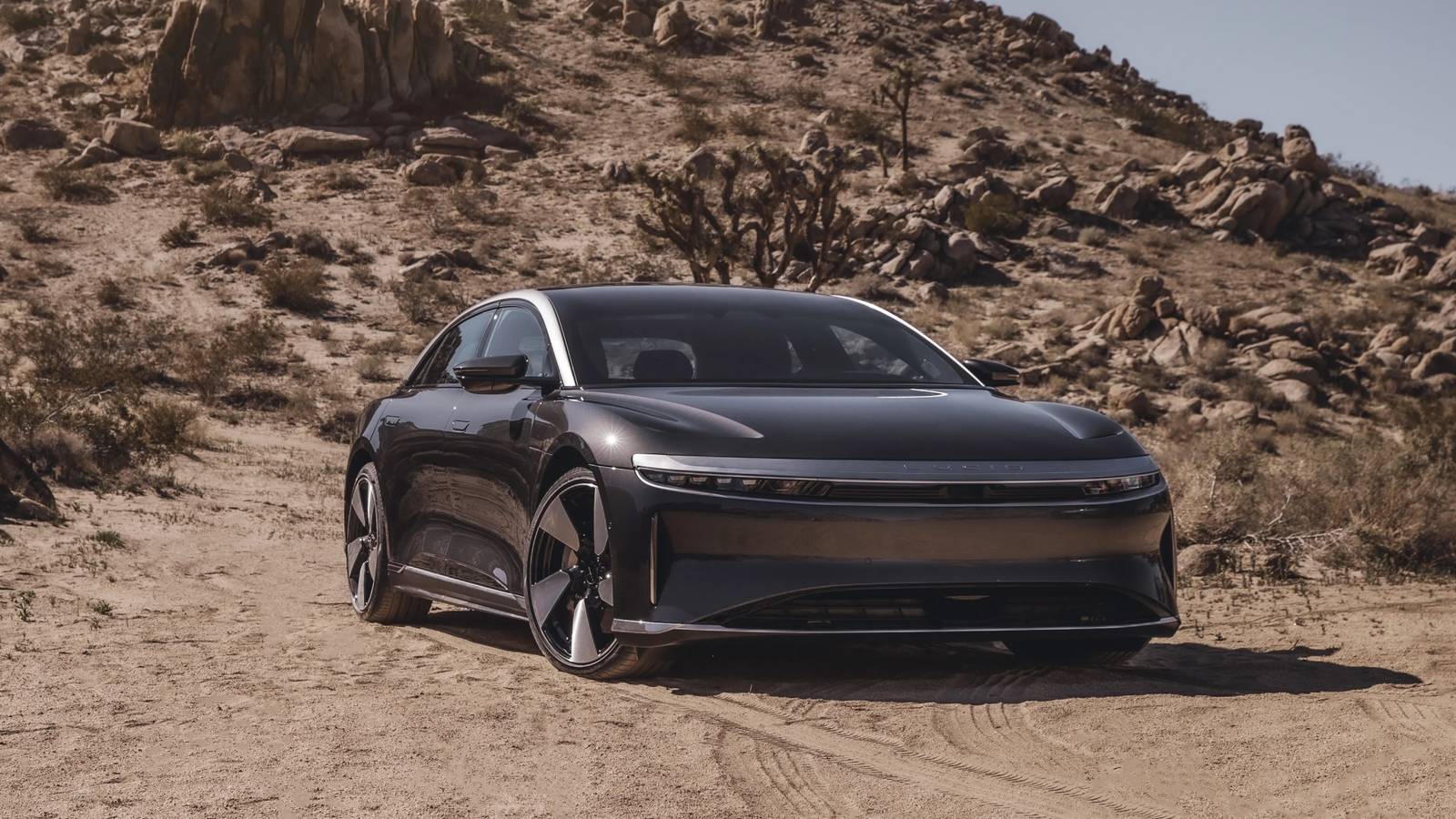
Source : topspeed.com
Who’s Leading the Charge? (Spoiler: It’s a Race!)
The race to commercialize solid-state batteries is intense. Major automakers like Toyota, BMW, Volkswagen, and General Motors have poured billions into R&D and partnerships with battery startups. Companies like QuantumScape, backed by Volkswagen, and Solid Power, working with Ford and BMW, are making significant progress. Then there are the Japanese giants like Panasonic (a long-time Tesla partner) and Japanese automakers like Nissan and Toyota, who have been working on this tech for decades. Samsung is also in the mix. Even smaller startups are emerging with iovative approaches.
It’s a global effort, with significant investment coming from both established players and venture capitalists. Keep an eye on companies like Factorial Energy and Sila Nanotechnologies, too. They’re all vying for the chance to be the first to bring a truly mass-market, viable solid-state battery to consumers. The prize? Dominance in the next generation of electric vehicles. It’s a high-stakes game, and the wier will likely redefine the automotive industry.
The Timeline: When Can You Actually Buy One?
So, when will your next car have one of these super-batteries? It’s not as simple as a flick of a switch. Most analysts expect to see solid-state EVs appearing in limited, high-end models first, likely starting around 2025-2027. Think luxury performance cars or specialized vehicles where the higher initial cost can be absorbed. Widespread adoption in mass-market vehicles, like your average sedan or SUV, is more likely to happen in the 2030s. This phased approach allows manufacturers to refine the technology, scale up production, and bring down costs incrementally.
It’s a marathon, not a sprint. Building the manufacturing infrastructure, training the workforce, and ensuring reliability across millions of vehicles takes time. However, the pace of iovation is accelerating. We’re seeing breakthroughs reported frequently. For instance, recent research highlights advancements that could speed up the process significantly. Check out this exploration into advanced battery materials that might offer a glimpse into the future of energy storage: battery material research. The momentum is undeniable.
Impact on the EV Market: More Than Just Miles
The impact of solid-state batteries on the EV market will be profound. It’s not just about solving range anxiety; it’s about making EVs truly compelling for everyone. Imagine EVs becoming cheaper to own over their lifetime due to longer battery life and reduced degradation. Imagine charging times becoming so short that they’re no longer a consideration. This will accelerate the transition away from fossil fuels dramatically.
Furthermore, the increased energy density could lead to lighter, more efficient vehicle designs. Or, it could mean smaller, more affordable battery packs delivering the same range as today’s heavier, more expensive ones. This has ripple effects across the entire automotive supply chain and manufacturing process. It could even enable entirely new types of electric vehicles, from long-haul electric trucks that can compete directly with diesel, to compact, affordable urban commuters.
The Environmental Angle: A Greener Future?
From an environmental standpoint, solid-state batteries hold immense promise. Longer lifespans mean fewer batteries need to be produced, reducing the mining of raw materials like lithium, cobalt, and nickel, and lowering the associated environmental impact. And because they’re generally considered safer and potentially easier to recycle (though recycling processes need development), they contribute to a more sustainable energy ecosystem.
The potential to power vehicles with cleaner electricity, coupled with batteries that last longer and have a reduced manufacturing footprint, paints a much greener picture for the future of transportation. It’s a critical step towards decarbonizing a major global industry. This shift is essential for meeting climate goals. Learn more about the ongoing developments in this field: advancements in battery tech.
Source : motorwatt.com
What About Other Battery Tech?
It’s easy to get caught up in the solid-state hype, but other battery technologies are also evolving. Lithium-sulfur, sodium-ion, and even improved versions of current lithium-ion batteries (like silicon anodes) are all being developed. Sodium-ion, for instance, is interesting because sodium is much more abundant and cheaper than lithium. However, these technologies generally face their own set of challenges regarding energy density, lifespan, or charging speed compared to the ultimate promise of solid-state.
While these alternatives might find niche applications or serve as stepping stones, the consensus among many researchers and industry leaders is that solid-state technology represents the most significant leap forward for mainstream EV adoption. It’s the ‘holy grail’ that many are betting on. For example, groundbreaking work continues at institutions like Harvard, pushing the boundaries of what’s possible. You can read about some of these exciting developments here: Harvard’s EV battery breakthrough.
The Bottom Line: Get Ready for the Solid-State Revolution
Solid-state batteries aren’t science fiction anymore. They are a tangible technology rapidly moving from the lab to the production line. While challenges remain in manufacturing, cost, and scaling, the potential benefits – significantly longer range, faster charging, enhanced safety, and longer lifespan – are too massive to ignore. This is the technology that will finally make EVs practical, desirable, and accessible for the masses, effectively ending range anxiety as we know it.
The transition won’t happen overnight. It’ll be a gradual rollout, starting with premium vehicles and slowly trickling down to more affordable options. But make no mistake: the future of electric vehicles is solid-state. And it’s coming sooner than you think. Get ready for a world where charging anxiety is a distant memory and EVs are simply the best cars on the road.
Frequently Asked Questions
-
Will solid-state batteries make my electric car go much further?
Absolutely! That’s the big win. Solid-state batteries pack way more energy into the same space compared to current lithium-ion batteries. Think of it as a bigger fuel tank. This means EVs equipped with them could travel 30-50% farther on a single charge. So, that 300-mile range could easily jump to 400 or even 500 miles. It’s the key to finally crushing EV range anxiety.
-
Are solid-state batteries safer than the ones in my current EV?
Yes, significantly safer. Current EV batteries use a liquid or gel electrolyte, which can be flammable. Solid-state batteries ditch that liquid for a solid material. This drastically reduces the risk of fires or thermal runaway. It’s like swapping out a volatile chemical for a stable mineral. This added safety feature is a major advantage for EVs.
-
How much faster will EVs charge with solid-state batteries?
Get ready for a huge leap! Because the solid electrolyte is more stable and can handle higher power, charging times are expected to plummet. We’re talking about potentially charging an EV in minutes, not hours. Imagine pulling up, grabbing a coffee, and being fully charged by the time you’re done. That’s the game-changer solid-state promises.
-
When can I actually buy an EV with a solid-state battery?
It’s not tomorrow, but it’s getting close. Expect to see them first in high-end electric vehicles around 2025-2027. Mass-market adoption in everyday cars will likely take longer, probably into the 2030s. Manufacturers need to scale up production and bring down costs, which takes time. But the technology is definitely moving out of the lab and onto the road.
-
Are solid-state batteries more expensive than current EV batteries?
Initially? Yes, they will be. Manufacturing solid-state batteries at scale is complex and costly right now. Early EVs using this tech will likely carry a higher price tag. However, the goal is to bring those battery costs down over time through improved manufacturing processes and economies of scale. Plus, their longer lifespan could make them cheaper to own in the long run.