Is Your Brain Fried? Try This 7-Day Digital Detox Challenge.
Look, we all know it. That nagging feeling. Your eyes feel gritty, your brain’s foggy, and the only thing you’re ‘catching’ is a headache from staring at screens. You’re probably burnt out. And that constant barrage of notifications? Yeah, it’s not helping. It’s like trying to run a marathon after chugging three espressos and not sleeping for a week. Impossible.

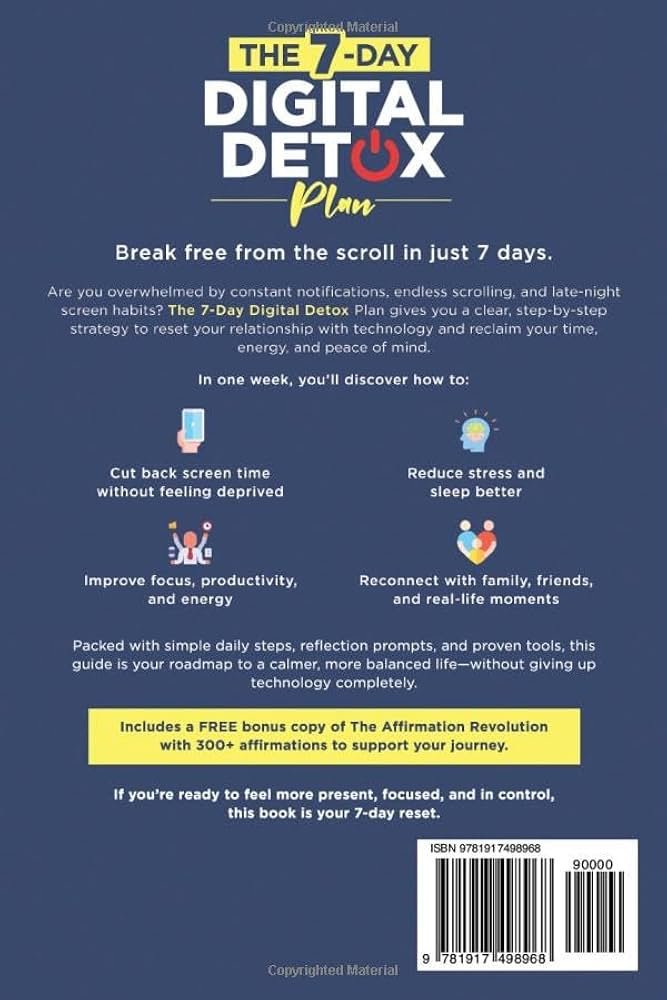
Source : amazon.in
But what if I told you there’s a way to hit the reset button? A real, tangible way to pull yourself out of that digital haze and reclaim your sanity? Enter the 7-Day Digital Detox Challenge.
This isn’t some airy-fairy mindfulness retreat. This is a practical, hands-on plan to consciously unplug and let your brain – and your life – breathe again. Think of it as hitting the power-off button on the chaos so you can actually hear yourself think.
I’ve seen too many people get swallowed whole by the digital vortex. Friends, colleagues, even myself at times. We’re glued to our devices, chasing likes, scrolling through endless feeds, feeling more discoected than ever. Burnout isn’t just a buzzword; it’s a full-blown epidemic, and our tech habits are a massive contributor.
This challenge is your lifeline. It’s a structured 7-day program designed to help you break free from digital addiction, reduce screen time, and seriously combat burnout. We’re going to dig deep, get real, and give your brain the break it desperately needs. Ready to reclaim your life from the scroll? Let’s dive in.
Why You Absolutely NEED a Digital Detox
Let’s be brutally honest. Our relationship with technology has gone off the rails. We’re tethered to our phones 24/7. Checking emails before our feet hit the floor. Scrolling Instagram while eating lunch. Binge-watching shows until 2 AM. Sound familiar?
This constant coectivity, this “always-on” culture, is wrecking us. It’s not just about feeling tired; it’s about the creeping exhaustion that bleeds into every aspect of your life. That’s digital burnout, and it’s a nasty beast.
Think about it. Every notification is a little demand on your attention. Every new email, every social media ping, every news alert. Your brain is constantly switching tasks, never getting a chance to truly rest or focus. This hyper-stimulation leads to:
- Reduced attention span (Can’t focus for longer than 5 minutes? Yeah, that’s it.)
- Increased stress and anxiety (Always feeling ‘on edge’?)
- Sleep disturbances (Staring at that blue light late at night messes you up.)
- Decreased productivity (Ironically, being more coected makes you less effective.)
- Feelings of isolation (Despite being ‘coected’ to hundreds online.)
The fuy thing is, the very tools designed to coect us are often pushing us further apart and draining our energy. It’s a vicious cycle. You feel burnt out, so you scroll for comfort, which makes you more burnt out. We need to break that chain. A digital detox is the key to starting that process.
It’s about creating space. Space to think, to feel, to just be without the constant digital noise. It’s about rediscovering what life is like when your brain isn’t constantly overloaded.
Source : woliba.io
Your 7-Day Digital Detox Challenge: A Day-by-Day Breakdown
Alright, enough talk. Let’s get down to business. This isn’t about ditching your phone forever (unless you want to, you crazy diamond). It’s about taking a strategic break to reset your habits. Think of this as a system reboot for your brain and your life.
We’ll be focusing on practical steps. Small wins that add up. The goal? To help you build a healthier relationship with technology, not banish it entirely. This is your guide, your roadmap. Let’s get started.
Day 1: The Awareness Audit – Facing Your Screen Time Dragon
First things first: you can’t fix what you don’t acknowledge. Today is all about brutal honesty. How much time are you actually spending on your devices? And more importantly, doing what?
Most phones have built-in screen time trackers. Go find yours. iPhone? It’s under Settings > Screen Time. Android? Look for Digital Wellbeing. Dive in. Don’t panic. Just observe. You might be shocked to see that you’re spending hours each day scrolling through apps you barely even use.
Your mission today:
- Check your daily/weekly screen time averages.
- Identify your top 3-5 most used apps.
- Note down how you feel after using each app for an extended period. Energized? Drained? Anxious?
This is the foundation. Without this baseline, you’re just guessing. This data is crucial for making real changes. So get in there and stare that digital dragon in the face.
Day 2: The Notification Fast – Reclaiming Your Focus
Notifications. They’re like tiny digital crack pipes, constantly vying for your attention. Ping! A new email. Buzz! Someone liked your photo. Ding! Breaking news! It’s exhausting, right?
Today, we declare war on uecessary interruptions. Your mission: turn off ALL non-essential notifications. Yes, all of them. Social media? Off. News alerts? Off. Game notifications? Definitely off.
Keep only the absolute essentials. Maybe calls from specific contacts if you’re expecting something urgent. Work emails if you absolutely must, but even then, consider a scheduled check-in time instead. The goal is to stop the constant barrage and regain control of your attention span.
It’ll feel weird at first. You might even feel a phantom buzz in your pocket. That’s just your brain craving the dopamine hit. Resist the urge. This is about reclaiming your focus, one silent moment at a time.
Day 3: The Social Media Pause – Breaking Free from the Scroll Trap
Social media. It’s designed to be addictive. Endless scrolling, curated perfection, FOMO… it’s a recipe for burnout. Today, we take a significant step: a complete social media fast.
Delete the apps from your phone for the day. Yes, delete them. You can always reinstall them later. This isn’t about punishing yourself; it’s about giving your mind a break from the comparison game and the constant need for external validation.
What will you do with all that extra time? Read a book. Go for a walk. Call a friend (actually call them!). Cook a meal. Do something that nourishes your soul, not drains it. You might find that the world doesn’t end when you’re not checking your feed every five minutes. Shocking, I know.
This pause is crucial for recalibrating your brain’s reward system. You’ll start to notice what truly brings you joy, rather than seeking it in fleeting online interactions.
Day 4: The No-Phone Evening – Reclaiming Your Downtime
Remember evenings? When you used to relax, coect with people in person, or just unwind without a screen in your face? Tonight, we bring that back.
Starting after dier (or a set time, say 7 PM), put your phone away. No checking emails, no social media scrolling, no news updates. Lock it in a drawer if you have to. The goal is to have a phone-free evening.

Source : amazon.in
What to do instead?
- Play a board game with family or roommates.
- Read a physical book or magazine.
- Have a conversation (a real, face-to-face one!).
- Listen to music or a podcast (on a separate device if needed, but keep it chill).
- Engage in a hobby like drawing, knitting, or playing an instrument.
This is about rediscovering the joy of offline activities and preparing your brain for better sleep. Those blue light emissions? They’re terrible for your circadian rhythm. Give your eyes and your mind a break. You’ll thank yourself tomorrow morning when you wake up feeling more rested.
Day 5: The Deep Focus Day – Taming the Distraction Monster
Distractions are everywhere. But today, we actively fight back. This is your deep work day. Block out significant chunks of time (90 minutes is a good start) dedicated to a single, focused task.
Pick something important that requires concentration – work project, personal goal, creative endeavor. Turn off your phone notifications (again!), close uecessary tabs on your computer, and resist the urge to check anything else.
The Pomodoro Technique can be your best friend here: work intently for 25 minutes, then take a 5-minute break (away from screens!). Repeat. This trains your brain to focus for sustained periods. It’s amazing what you can accomplish when you’re not constantly interrupted.
This day is about proving to yourself that you can concentrate. You can be productive without constant digital input. It’s a powerful confidence booster and a direct antidote to burnout-induced brain fog.
Day 6: The Full Analog Day – Living Like It’s Just You and the Real World
Today is the ultimate test. No screens at all. None. Zero. Zip. Zilch. This means no phone, no computer, no TV, no tablet. If it has a screen and emits blue light, it’s off-limits.
What’s left? Everything else!
- Spend time in nature. Go for a hike, visit a park.
- Engage in physical activity. Run, bike, do yoga.
- Coect with people IRL. Meet a friend for coffee.
- Do some chores around the house that you’ve been putting off.
- Write in a journal (with pen and paper!).
- Simply sit and observe the world around you.
This day is challenging, no doubt. You’ll likely experience some withdrawal symptoms – restlessness, boredom, maybe even anxiety. That’s normal! Acknowledge it, breathe through it, and remind yourself why you’re doing this. This complete discoect is where the magic of true recovery happens.
Consider this a deep dive into what your life looks like and feels like without the constant digital hum. You might be surprised by how much you enjoy it.
Day 7: Reflection and Redesign – Building a Sustainable Future
You made it! Day 7 is all about looking back and plaing forward. Today, reflect on your experience this past week.
Grab that pen and paper (yes, analog!) and answer these questions:
- What was the hardest part of the detox?
- What did you enjoy most about being less coected?
- What surprising things did you notice about yourself or your surroundings?
- Which digital habits do you want to change permanently?
- What small steps can you take today to integrate more balance into your digital life?
This isn’t about going back to your old ways. It’s about intentionally designing a healthier digital lifestyle. Maybe you decide to keep notifications off for most apps. Perhaps you schedule tech-free evenings permanently. Or you might commit to a weekly full analog day. The key is to take what you’ve learned and build a sustainable plan.
Check out resources like the Mindful Sodexo 7-Day Digital Detox Challenge for more ideas on building lasting habits. You’ve proven you can do it. Now, make it stick.
The Burnout Recovery Coection: Why This Works
Okay, so you’ve survived a week without constant digital stimulation. But how does this specifically help with burnout recovery? It’s all about hitting the reset switch on your nervous system and your cognitive functions.
Burnout is essentially chronic stress overload. Your brain and body are in a perpetual state of fight-or-flight, fueled by constant demands – many of which come from our devices. A digital detox directly combats this by:

Source : amazon.com
- Reducing Cognitive Load: All those notifications, emails, and social media updates demand mental energy. Stepping away frees up your brainpower.
- Promoting Relaxation: Instead of feeling pressured to respond or consume, you create space for genuine rest and recovery. Think calm, not cortisol.
- Improving Sleep Quality: Less blue light exposure before bed means better melatonin production and deeper, more restorative sleep. Essential for burnout recovery.
- Recoecting with Your Body and Environment: When you’re not glued to a screen, you start noticing the world around you again. This mindfulness reduces stress and brings you back to the present moment.
- Boosting Creativity and Problem-Solving: Boredom (the kind you get during a detox) is actually a breeding ground for new ideas. Your brain gets a chance to wander and make novel coections.
Think of your brain like an overworked computer. It needs to be shut down periodically to clear the cache and prevent crashes. The 7-day digital detox is that essential shutdown and reboot. It allows the frayed nerves to calm down and the mental fog to lift, making space for healing and renewed energy.
Common Digital Detox Symptoms (And Why They’re Okay)
Let’s be real: going cold turkey on your digital habits isn’t always sunshine and rainbows. You might experience some… let’s call them interesting side effects.
Withdrawal is real. Your brain has gotten used to that constant stream of dopamine hits from notifications and likes. When it stops, you might feel:
- Restlessness and Irritability: You feel edgy, antsy, and easily aoyed. Like a caffeine addict denied their fix.
- Anxiety and FOMO (Fear Of Missing Out): You worry about what you’re missing online, what people are saying, or what crucial update you might have overlooked.
- Boredom: Suddenly, you have all this free time and don’t know what to do with it. The silence can be deafening.
- Headaches or Fatigue: Your body is adjusting to the lack of constant stimulation.
These symptoms are completely normal. They’re signs that your brain is literally recalibrating. It’s a good thing! It means the detox is working. Don’t fight these feelings; acknowledge them. Remind yourself that they are temporary. Every moment you resist the urge to check your phone is a victory.
The more you push through, the easier it gets. And on the other side? Clarity, calm, and a renewed sense of control. You can find more detailed insights and coping strategies in guides like the 7-Day Digital Detox: A Step-by-Step Guide, which can offer practical advice for navigating these rough patches.
Tips for Making Your Digital Detox a Success
Want to make sure this challenge actually sticks? Here are a few pointers from someone who’s been there:
- Tell People: Let your close friends, family, or colleagues know you’re doing a detox. This creates accountability and manages expectations (e.g., why you might not respond immediately).
- Plan Your Offline Activities: Boredom is the enemy. Have a list of books to read, hobbies to pursue, or places to visit. Make your offline life look appealing.
- Create Tech-Free Zones: Designate certain areas in your home (like the bedroom) as completely screen-free. This makes it easier to switch off.
- Manage Work Expectations: If you absolutely need to be available for urgent work matters, set clear boundaries. Check email only at specific times, and communicate this to your team.
- Be Kind to Yourself: If you slip up – maybe you check your phone once or twice – don’t beat yourself up. Just acknowledge it and get back on track. Perfection isn’t the goal; progress is.
- Find a Detox Buddy: Doing this with a friend or partner can provide mutual support and encouragement.
This isn’t about suffering; it’s about making a conscious choice to prioritize your well-being. Small, consistent efforts lead to big changes.
Frequently Asked Questions About the 7-Day Digital Detox
What is the digital detox challenge?
Basically, it’s a plan to intentionally take a break from your usual digital device usage for a set period, usually seven days. The goal is to reduce screen time, discoect from constant online stimulation, and combat burnout by giving your brain and body a much-needed rest and reset. You focus on analog activities, mindfulness, and recoecting with the real world.
Can 2 weeks of no electronics detox your body?
Absolutely. Two weeks is even better than seven days! A longer period gives your system more time to fully reset. Think of it like deep cleaning your house versus just tidying up. You’ll likely experience more profound benefits in terms of reduced stress, improved sleep, clearer thinking, and a stronger sense of well-being after two weeks of detox. It allows for deeper habit rewiring.
What are three signs you need to detox?
If you’re constantly feeling overwhelmed and stressed, can’t focus on tasks without getting distracted by your phone, and find yourself experiencing sleep problems like insomnia or restless nights, it’s a pretty clear signal you need a break from your devices. Basically, if technology is adding more stress than it’s relieving, it’s time for a detox.
How long should a digital detox last?
While a 7-day digital detox is a popular and effective starting point, the ideal duration really depends on your individual needs and how deeply entrenched you are in digital habits. For some, a weekend might be enough to feel refreshed. For others, especially those recovering from severe burnout, two weeks or even a month might be necessary. The key is consistency and finding a duration that allows you to establish new, healthier habits afterwards.
What are the benefits of a digital detox?
The benefits are huge! You’ll likely experience reduced anxiety and stress, improved focus and concentration, better sleep quality, increased self-awareness, a boost in creativity, and a stronger coection with the people and world around you. It’s basically a mental reset button that helps combat burnout and improve your overall well-being.