The AI Revolution is Powering Up Our Cities’ EV Charging Networks
Forget those clunky charging stations you used to see. Cities are getting smart about how we juice up our electric rides, and guess who’s the mastermind behind it all? Artificial Intelligence. It’s not just about plugging in anymore; it’s about doing it seamlessly, efficiently, and in a way that doesn’t fry the local power grid. We’re talking about a complete overhaul, a real smart city upgrade.
Source : nature.com
Tired of Hunting for a Charger? AI Has Your Back.
Remember the early days of EVs? Range anxiety was a real killer. You’d drive around, desperately searching for a working charger, hoping it wasn’t already taken. It was a headache, pure and simple. But now? Things are changing, fast. AI is stepping in, and it’s making the whole experience way smoother. Think about it: no more circling the block like a lost tourist. AI helps figure out where chargers are needed most, and even predicts when they’ll be free.
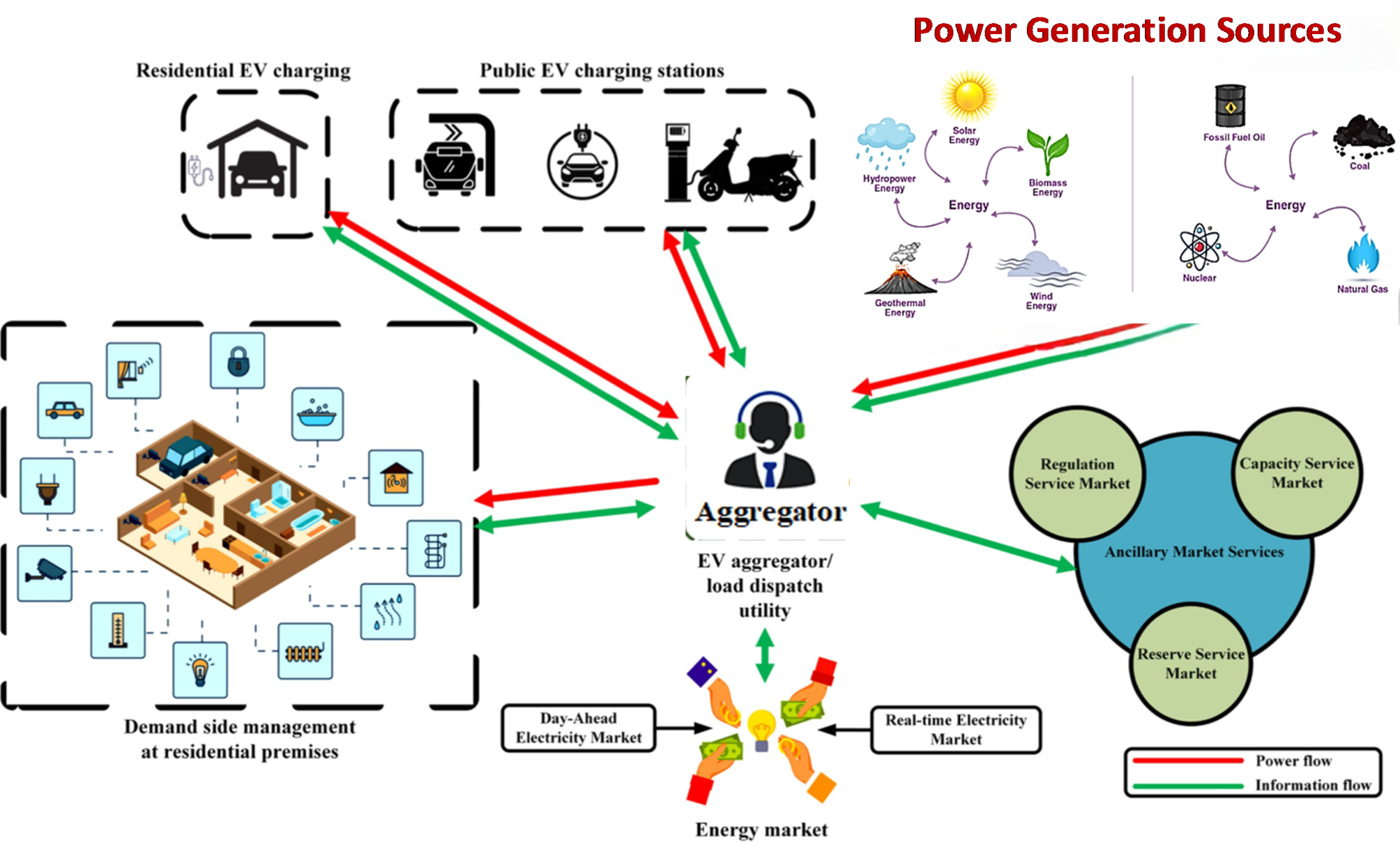
This isn’t some far-off sci-fi dream. Companies are already using AI to do some seriously cool stuff. They’re looking at traffic patterns, building usage, and even local events to figure out the best spots for new chargers. It’s all about putting them where people actually need them, when they need them. Plus, AI can help manage the flow of cars, so you’re not stuck waiting forever. That whole stressful hunt for a charger? It’s becoming a thing of the past, thanks to intelligent network plaing.
Source : nature.com
Balancing the Grid: AI’s Heavy Lifting
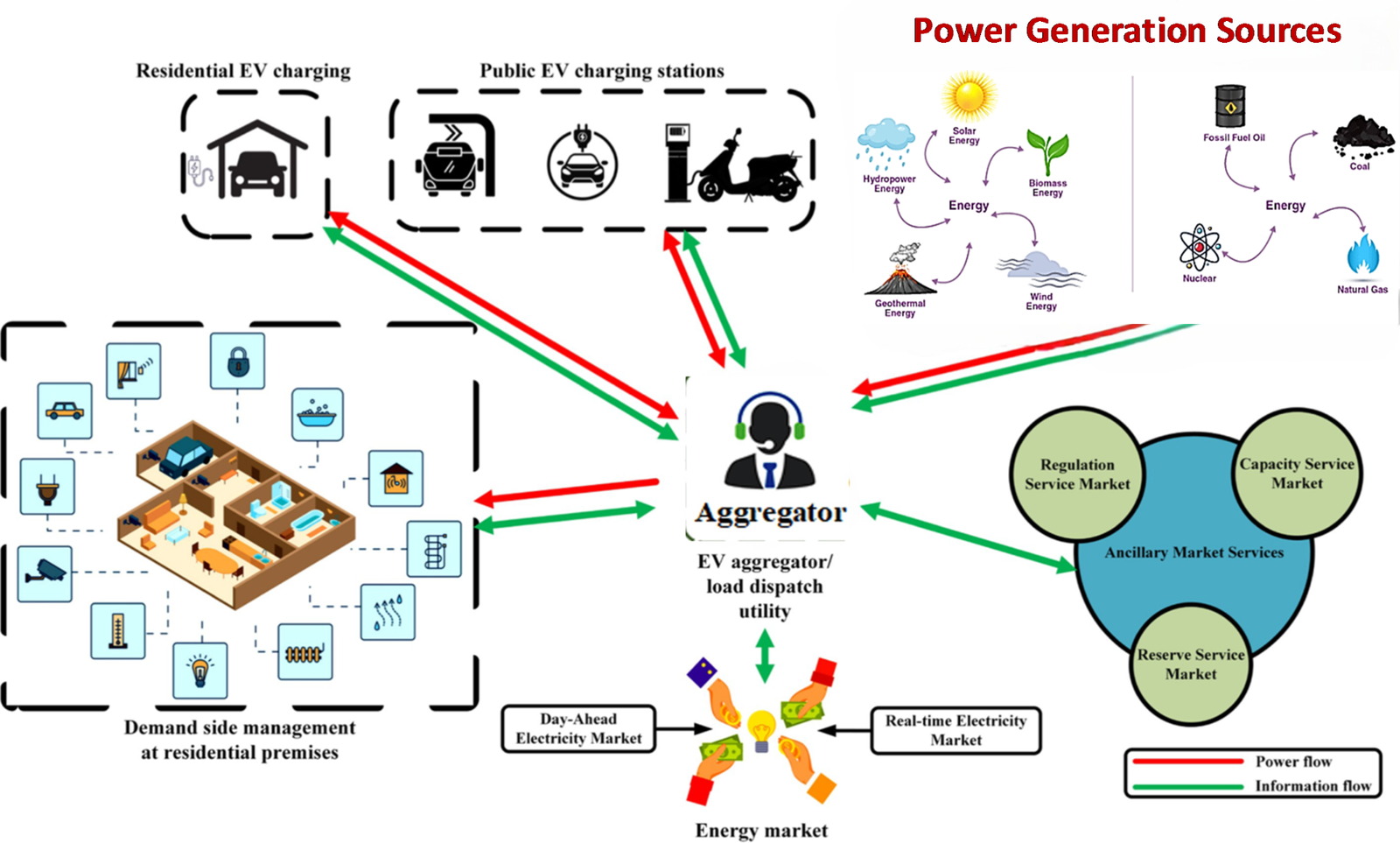
Okay, let’s get real. Every EV owner plugging in at the same time is a potential nightmare for the power grid. It’s like everyone in your apartment building deciding to run their washing machines and dryers all at 7 PM on a Saturday. The lights flicker, right? Cities have to deal with that on a massive scale when EVs become the norm. This is where AI truly shines. It’s the unsung hero keeping the lights on while we charge our cars.
AI can predict when demand for electricity will spike. Then, it can strategically manage charging times, staggering when different vehicles plug in. It’s not about stopping you from charging; it’s about smart scheduling. Imagine your car charging overnight when electricity is cheaper and the grid is less stressed, or during off-peak hours. This kind of load balancing prevents brownouts and keeps the whole system ruing smoothly. It’s a critical piece of the puzzle for making city-wide EV adoption a success without breaking the bank or the grid.
Predictive Maintenance: Fewer Broken Chargers, More Happy Drivers
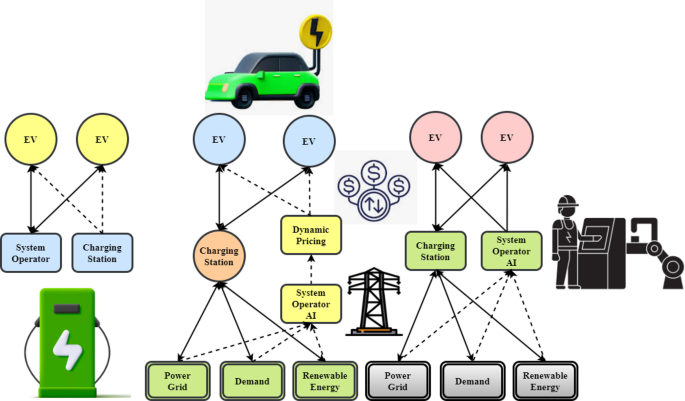
We’ve all been there: you pull up to a charging station, ready to power up, only to find it’s out of order. Frustrating, right? Especially when you’re low on battery. AI is tackling this head-on with predictive maintenance. Instead of waiting for a charger to break down, AI systems can monitor their performance in real-time. They analyze data like usage patterns, temperature, and error codes.
Source : nature.com
If a charger starts showing signs of trouble – maybe it’s ruing hotter than usual or experiencing minor glitches – the AI flags it. A maintenance crew gets alerted before it completely fails. This means fewer unexpected outages and a more reliable charging experience for everyone. It’s like having a mechanic constantly checking on your car, but for the entire charging network. This proactive approach ensures drivers can count on finding working chargers when they need them most, a huge win for user satisfaction and EV adoption.
Dynamic Pricing: Charging Smarter, Not Just Harder
Pricing is a big deal, especially when you’re trying to encourage people to switch to EVs and manage grid load. AI is making charging costs more flexible and, frankly, fairer. Through dynamic pricing, charging costs can adjust based on real-time factors. Think about it: electricity is cheaper when demand is low and more expensive when everyone’s trying to charge at once.
AI algorithms can analyze grid conditions, energy prices from the utility, and even local demand forecasts to set charging prices. This incentivizes drivers to charge during off-peak hours, helping to smooth out demand on the grid. It’s a win-win. Drivers can save money on their charging bills, and the city avoids costly grid upgrades needed to handle peak loads. This smart pricing strategy is key to making EV ownership both affordable and sustainable for a whole city. It also plays a role in how GM is using AI to expand America’s EV charging network.

Source : driivz.com
Optimizing Charger Placement: AI Knows Where to Build
Building out a charging network isn’t cheap. You don’t want to waste money installing chargers in places nobody will use them, or conversely, miss out on key areas with high potential demand. AI is a game-changer here, helping cities make smarter decisions about charger placement. It crunches vast amounts of data – think population density, traffic flow, commute patterns, existing infrastructure, and even socioeconomic factors.
By analyzing all this, AI can identify the optimal locations for new charging stations. This ensures a more equitable distribution, reaching underserved communities and maximizing convenience for drivers. It’s not just about throwing darts at a map; it’s a data-driven approach to building a truly functional and accessible network for all residents. This strategic deployment means less wasted investment and a faster, more effective rollout of charging infrastructure across the entire urban landscape. It’s about building for the future, intelligently.
The User Experience Revolution: Seamless Charging with AI
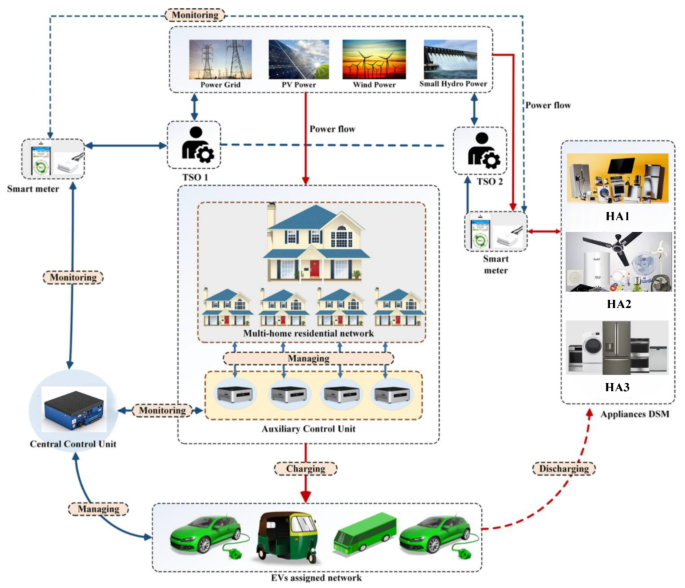
Let’s face it, the charging experience used to be a bit of a mess. Finding a station, dealing with different apps, payment issues – it was a chore. AI is changing all of that, making the whole process much more user-friendly. It’s about taking the friction out of EV charging, and AI’s impact is huge.
Source : nature.com
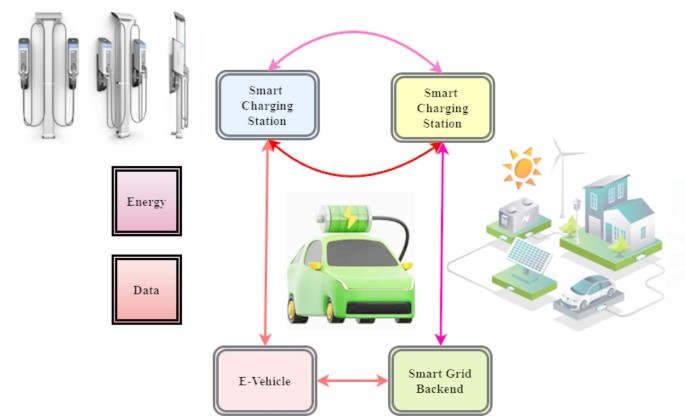
Think about personalized recommendations based on your usual routes and charging habits. Or apps that show you not just where chargers are, but their real-time availability and even predicted wait times. AI can streamline payment processes, perhaps even integrating with your car’s system for a truly contactless experience. Some systems can even learn your charging preferences and automatically optimize charging schedules for you. This focus on the user means more people will be comfortable and happy using EVs. It turns a potential hassle into a non-issue, a truly seamless charging journey.
AI and the Future of City EV Charging
The integration of AI into city-wide EV charging networks isn’t just a trend; it’s the future. It’s the engine driving efficiency, reliability, and user satisfaction. As cities continue to embrace electrification, AI will be the invisible hand guiding the development and operation of these critical infrastructures. The challenges of grid stability, accessibility, and user convenience are being met head-on with intelligent solutions.
We’re moving towards a future where charging your EV is as easy as charging your phone, but on a city-wide scale. This complex optimization, powered by AI, is fundamental to achieving our sustainability goals and creating truly smart, livable urban environments. The transition is happening now, and AI is ensuring it’s a smooth one. This technology is crucial for managing the complexities, as seen in discussions about AI’s transformative role.
Frequently Asked Questions About AI in EV Charging Networks
How does AI help manage the electricity grid when more EVs are charging?
Great question! AI acts like a super-smart traffic controller for electricity. It predicts when huge numbers of EVs will want to charge, which could overload the grid. Then, it intelligently schedules charging so cars plug in during off-peak hours when demand is low. This prevents those scary brownouts and keeps the whole system stable, making sure everyone can charge without issues.
Can AI actually predict when a charging station might break?
Absolutely. It’s all about predictive maintenance. AI constantly monitors the health of charging stations, looking for subtle signs of trouble like unusual temperature spikes or performance glitches. If it spots a potential problem before it happens, it alerts maintenance crews. This means fewer frustrating encounters with broken chargers and a much more reliable experience for drivers.
Will AI make charging my EV cheaper?
Often, yes! AI enables dynamic pricing. This means charging costs can change based on how busy the grid is. You’re usually charged less during off-peak hours when electricity is cheaper. It encourages drivers to charge when it’s best for the grid and for their wallets. It’s a smarter way to manage costs for everyone involved.
How does AI decide where to put new EV chargers in a city?
AI looks at a ton of data – like where people live, where they work, traffic patterns, and even things like income levels. Based on this analysis, it figures out the best locations for chargers. This ensures they’re put where they’re needed most, making charging accessible to more people and avoiding wasted money on underused stations.
Does AI improve the actual experience of using a charging station?
Definitely. AI is key to creating a smoother user experience. It helps apps show you real-time charger availability and wait times. It can streamline payments and even offer personalized charging recommendations based on your habits. The goal is to make charging as effortless as possible, removing all the usual headaches.