Don’t Toss That Gadget! Get More Bang for Your Buck AND Save the Planet.
Look, we all love that new tech smell. That shiny new phone, the latest laptop that promises to change your life. But let’s be real. Most of us don’t need the absolute latest and greatest. And buying new, all the time? It’s a serious drain on your wallet and, frankly, a dumpster fire for the environment. Seriously, the amount of e-waste we’re generating is insane. We’re talking about precious metals, toxic chemicals, all getting buried in landfills or shipped off to god-knows-where. It’s a mess.

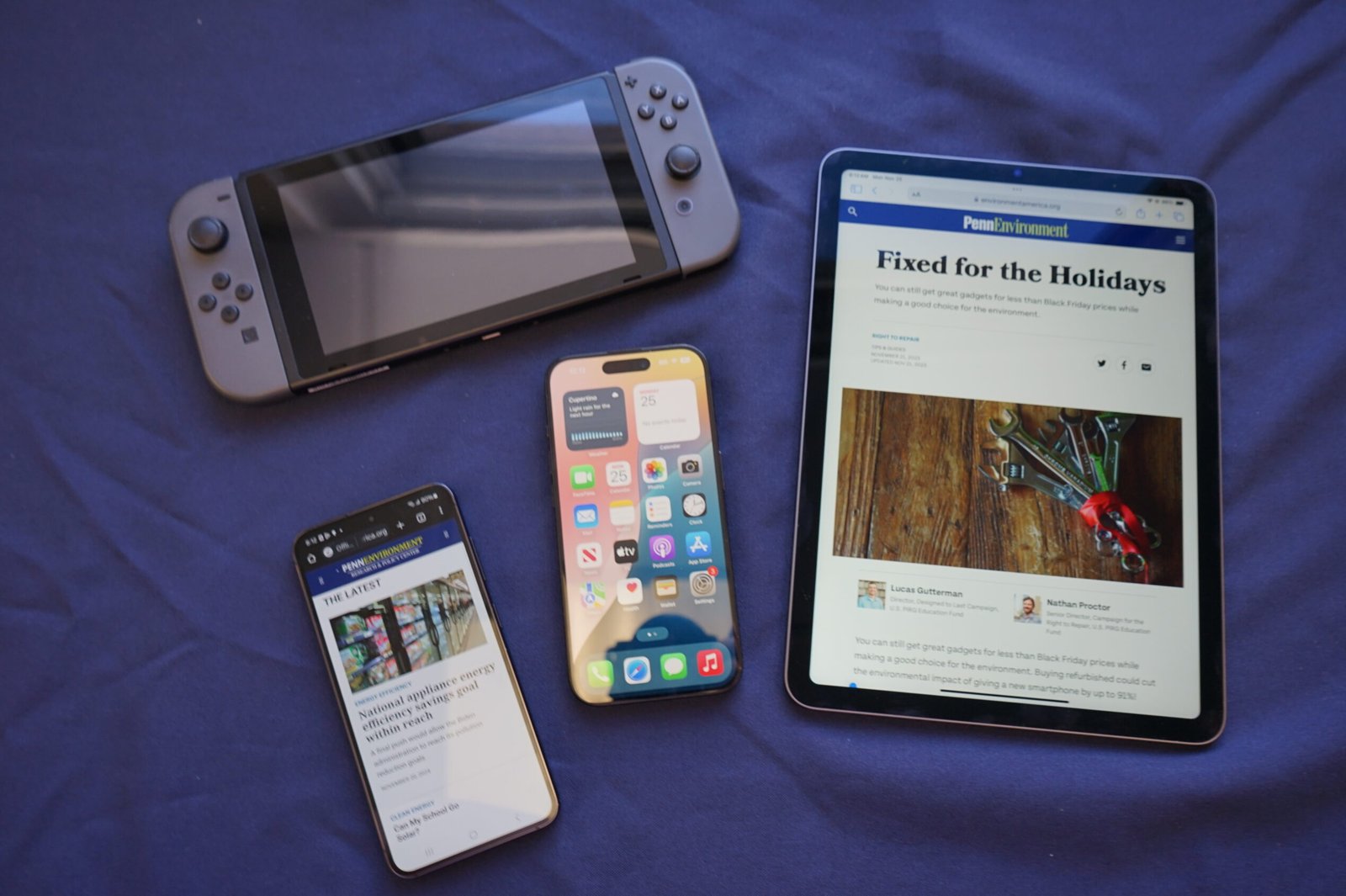
Source : alleghenyfront.org
But what if I told you there’s a way to get your hands on quality tech without the guilt? A way to keep more cash in your pocket and actually do something good for Mother Earth? Enter the world of refurbished tech. Yeah, I know. Some people hear ‘refurbished’ and picture a scratched-up, barely-working hand-me-down. Forget that image. We’re talking about professionally restored devices that work like new, often with warranties, and at a fraction of the original price. It’s a no-brainer, honestly. Think about it: saving money and reducing your carbon footprint. It’s a win-win.
Why Refurbished is the Smart Choice
Let’s get down to brass tacks. Why should you seriously consider going the refurbished route? It’s not just some niche trend; it’s a practical, responsible decision. First off, the price. You can score incredible deals on devices that would otherwise cost a fortune. We’re talking savings of 20%, 30%, sometimes even 50% or more. Imagine snagging that high-end laptop you’ve been eyeing for half the price. That’s money you can use for, you know, actual living. Rent, food, maybe even another gadget (but a refurbished one, obviously).
But it’s not just about your bank account. The environmental impact is huge. Every single new device manufactured consumes massive amounts of energy and resources. Think mining for rare earth minerals – it’s destructive. Then there’s the manufacturing process itself, often with significant carbon emissions. When you buy refurbished, you’re essentially giving a device a second life. You’re bypassing the need for a brand-new one to be made. That means less mining, less manufacturing pollution, and way less e-waste piling up. It’s a direct way to combat the growing problem of electronic waste.
The Real Cost of New Tech
Let’s pull back the curtain on that shiny new gadget. The journey from raw material to your hands is rarely pretty. It starts with digging deep into the earth for metals and minerals. This extraction process can devastate local ecosystems, pollute water sources, and often involves questionable labor practices. Then comes the manufacturing. Factories churn out components, consuming vast amounts of energy and water, and spewing out greenhouse gases. All this, just for a device that might be obsolete in two years.
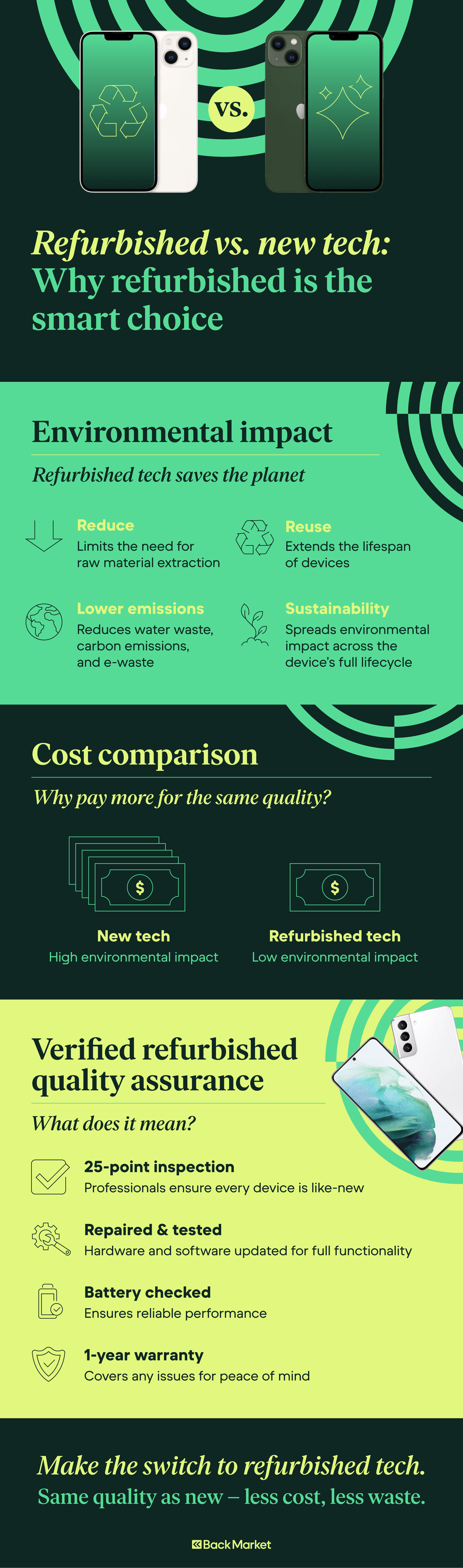
Source : backmarket.com
And what happens when you’re done with it? Too often, it ends up in a landfill. That’s where the real environmental nightmare begins. Electronics are packed with hazardous materials like lead, mercury, and cadmium. When they break down (or are improperly disposed of), these toxins leach into the soil and groundwater, poisoning ecosystems and potentially harming human health. It’s a global problem, and simply buying new keeps this destructive cycle spiing. We need to break it. Buying refurbished is one of the most accessible ways you can do that, right now.
What Exactly Is Refurbished Tech?
Okay, so ‘refurbished’ isn’t just a fancy word for ‘used.’ There’s a process involved. Think of it like this: a device is returned for some reason. Maybe it was a customer who changed their mind, a minor cosmetic blemish, or a small technical glitch. These units are then sent back to the manufacturer or a certified refurbisher. They get thoroughly inspected, cleaned, and any necessary repairs are made. They’re often upgraded with new parts, like batteries or storage drives, and then rigorously tested to ensure they meet original performance standards.
Crucially, many reputable refurbishers offer warranties, just like new products. This isn’t a flea market find where you’re taking a huge risk. You’re getting a device that’s been brought back to full working order, often looking and performing like new. Companies like Apple, Dell, and Amazon all have their own certified refurbished programs. You can also find great deals from specialized refurbishers. It’s about getting a quality product at a great price, with peace of mind. You’re not buying someone else’s problem; you’re buying a restored piece of tech.
Saving Your Wallet: The Financial Perks
Let’s get back to the money. Because, let’s face it, saving cash is a huge motivator. Buying refurbished can shave significant chunks off the price tag. A laptop that’s maybe a year or two old, but still perfectly capable, can be yours for hundreds less. Same goes for smartphones, tablets, even gaming consoles. Think about the last time you bought a new phone for over $1000. Ouch. Now imagine getting a similar model, maybe just one generation older, for $500-$600. That’s a huge difference. This applies to businesses too; outfitting an office with new computers can be incredibly expensive. Buying refurbished can cut those costs dramatically, freeing up capital for other investments. It’s just plain smart money.
And it’s not just about the initial purchase price. When you buy refurbished, you often get a device that’s already had its initial depreciation hit. New tech loses value the second you unbox it. Refurbished tech has already taken that initial hit, meaning its resale value later on might not drop quite as sharply. Plus, you’re more likely to find deals on older, but still capable, models. These devices are often more affordable to repair if something does go wrong down the line, compared to the super-complex, proprietary parts in the absolute newest models. It’s a long-term financial win.
Saving the Planet: The Environmental Upside
This is where refurbished tech truly shines. The environmental benefits are massive. Remember all that energy and those resources that go into making a new device? Buying refurbished means you’re actively choosing not to contribute to that demand. You’re extending the life of a perfectly good piece of technology. It’s like adopting a rescue pet instead of buying from a breeder; you’re giving something a loving home that might otherwise be discarded. This directly reduces the need for raw material extraction and the energy-intensive manufacturing processes.
Furthermore, you’re helping to combat the ever-growing mountain of e-waste. Globally, we generate millions of tons of electronic waste each year. Much of it isn’t recycled properly, if at all. It ends up in landfills, leaching toxic chemicals. By choosing refurbished, you’re diverting a device from that fate. You’re keeping it in the economy, in use, where it belongs. This practice supports a circular economy model, where resources are kept in use for as long as possible, extracting maximum value, then recovering and regenerating products and materials at the end of their service life. It’s the opposite of the ‘take-make-dispose’ linear model that’s trashing our planet.
Who Benefits from Refurbished? (Spoiler: You Do)
Honestly, almost everyone can benefit. Students, for instance. Need a reliable laptop for classes but don’t have a trust fund? Refurbished is your best friend. You can get a solid machine that runs your essential software without breaking the bank. Small businesses? Outfitting a team? Refurbished desktops and laptops can save you thousands, allowing you to invest that money elsewhere in your company. Need a backup phone in a pinch? Or maybe you just want a second tablet for the kids to use without constant worry? Refurbished tech makes these scenarios financially viable.

Source : uptradeit.com
Even tech enthusiasts can get in on the action. Want to try out a specific operating system or experiment with a development project without committing to a brand-new, expensive device? A refurbished machine is perfect. It’s lower risk, lower cost. It’s also a fantastic way for anyone to upgrade their tech more frequently without feeling the sting of rapid depreciation or the guilt of contributing to excessive waste. You get the tech you need, often with the performance you want, at a price that makes sense. It truly is a win-win situation for consumers.
Where to Find Quality Refurbished Gear
Okay, so you’re convinced. Where do you actually buy this stuff? The key is to stick with reputable sources. Buying from a random seller on an online marketplace can be risky. You want to buy from companies that specialize in refurbishment or from the original manufacturers themselves. Major brands like Apple, Dell, and HP all have dedicated refurbished sections on their websites. These devices are typically restored to factory standards and come with a warranty.
Then there are trusted third-party retailers. Companies like Amazon (look for ‘Renewed’ items), Best Buy (often sell ‘Open-Box’ or certified refurbished), and Newegg often have good selections. There are also specialist sites that focus solely on refurbished electronics. Some popular ones include Back Market, Gazelle, and Decluttr. Do your homework, read reviews, and always check the warranty information. A good warranty is your safety net. For a more in-depth guide on navigating this space, check out resources like Wirecutter’s sustainable tech guide. They’ve done the research, so you don’t have to.
What to Look For: Your Refurbished Checklist
So, you’re ready to shop. What should you keep an eye out for to ensure you’re getting a good deal and not a lemon? First, the seller’s reputation. Stick to well-known brands or established refurbishers. Check customer reviews. Are people generally happy? Do they mention reliable performance and good customer service?
Second, the warranty. This is non-negotiable. A minimum of 90 days is standard, but a year is even better. It tells you the seller stands behind their product. What does the warranty cover? Make sure you understand it. Third, the return policy. If you get the device and it’s not what you expected, or if it has an issue the warranty doesn’t cover, can you send it back? A solid return policy (30 days is pretty standard) gives you extra peace of mind. Don’t be afraid to ask questions about the device’s condition. Some cosmetic flaws are expected, but major damage should be disclosed.
Finally, compare prices. See what similar models are going for from different reputable sources. Don’t jump on the first deal you see without doing a little comparison shopping. It might seem like a lot to check, but trust me, taking these steps ensures you get a great piece of tech that works perfectly and won’t give you buyer’s remorse. It’s about making an informed purchase.
Common Myths About Refurbished Tech Busted
Let’s clear the air. There are a lot of misconceptions floating around about refurbished electronics. One big one? That they’re all heavily used or damaged. False. As we discussed, many refurbished units are returned for reasons other than defects – changed minds, cosmetic issues, or simply being overstock. They undergo rigorous testing and repair. Another myth: they don’t come with a warranty. Again, not true for reputable sellers. Most offer at least a 90-day warranty, and often longer. This is a key differentiator from buying used from an individual.
Some people think refurbished tech is somehow inferior in performance. This is usually not the case. These devices are tested to meet or exceed original specifications. While a brand-new device might have the very latest processor, a refurbished model from a year or two ago is often still incredibly powerful and perfectly suited for most everyday tasks. You’re not getting a slow, clunky machine; you’re getting a reliable device that’s been given a new lease on life. Don’t let these common myths hold you back from a smart purchase.
The Bigger Picture: A Circular Economy for Electronics
Source : plug.tech
Buying refurbished isn’t just a personal money-saving move; it’s a vote for a more sustainable future. It actively supports the idea of a circular economy. Instead of the old linear ‘take-make-dispose’ model that’s choking our planet with waste, a circular economy aims to keep resources in use. Products are designed to be durable, repairable, and eventually, their components are reused or recycled. Refurbishing fits perfectly into this vision. It’s about maximizing the value and lifespan of every electronic device.
Companies that offer refurbished options are essentially participating in this sustainable loop. They’re taking back products, restoring them, and putting them back into the hands of consumers. This reduces the demand for virgin materials and lessens the environmental burden of manufacturing new goods. Organizations are pushing for this shift. You can find resources and guides dedicated to this movement, like the information provided by PeEnvironment, advocating for greener electronics consumption. It’s part of a larger, necessary change.
Making the Switch: Your Action Plan
Ready to make the leap? Start small. Maybe your current phone is on its last legs. Instead of rushing to the carrier store for the newest model, check out certified refurbished options online. Or perhaps you need a second laptop for a specific project. Browse the refurbished sections of major tech brands or trusted retailers. Do your research, compare prices, and always prioritize sellers with good warranties and return policies.
Educate yourself and others. Talk to your friends and family about the benefits of buying refurbished. Share articles like this one! The more people who understand the value and the positive impact, the more the market for refurbished goods will grow. This, in turn, encourages more manufacturers to embrace refurbishment and sustainable practices. You have the power to make a difference with your purchasing decisions. It’s about being a conscious consumer.
A Final Word: Tech for Good
So, there you have it. Buying refurbished tech isn’t just about getting a deal, though that’s a huge perk. It’s about making a responsible choice. A choice that benefits your wallet and, more importantly, our planet. It’s about moving away from a disposable culture towards one that values longevity and resourcefulness. Next time you’re in the market for electronics, don’t overlook the refurbished option. You might be surprised at the quality, the savings, and the good feeling that comes with it. It’s time we all embraced smarter tech choices.
Frequently Asked Questions
-
Is refurbished tech really as good as new?
Absolutely! Reputable sellers inspect, repair, and test refurbished devices thoroughly. They often come with new parts and work just like new. Plus, many come with a warranty, giving you that same peace of mind. It’s not ‘used’ tech; it’s tech that’s been restored to top working condition.
-
How much money can I actually save buying refurbished?
You can save a ton! Depending on the device and its age, expect to save anywhere from 20% to 50% or even more compared to buying brand new. Imagine getting a high-end laptop for hundreds less. It’s a significant chunk of change that stays in your pocket, making quality tech affordable.
-
Does buying refurbished actually help the environment?
Massively! Every refurbished device you buy means one less new device needs to be manufactured. That saves on raw material extraction, energy consumption, and manufacturing pollution. It also diverts electronics from landfills, reducing toxic e-waste. It’s a direct way to support a more sustainable future.
-
Where are the best places to buy refurbished electronics?
Stick to reputable sources. Check the official websites of manufacturers like Apple or Dell. Also, trusted retailers like Amazon (‘Renewed’) and Best Buy (‘Open-Box’) are good bets. Specialized sites like Back Market or Gazelle are great too. Always look for a solid warranty and return policy.
-
What should I check for when buying refurbished?
First, the seller’s reputation – go with known names. Second, the warranty period; at least 90 days is standard, a year is better. Third, the return policy – can you send it back if it’s not right? Finally, compare prices from different vendors to ensure you’re getting a fair deal on a quality restored device.