Flexitarian Diet: Eat Less Meat, Feel Great (Seriously!)
Let’s cut to the chase. You’re here because you’ve heard about this ‘flexitarian’ thing. Maybe you’re tired of feeling sluggish after big meat meals, or perhaps you’ve seen friends ditching the steak and glowing. Whatever the reason, you’re curious. Good. This isn’t about rigid rules or giving up everything you love. It’s about eating more plants, feeling fantastic, and maybe even saving the planet a little. Think of it as a flexible vegetarian diet, hence the name. You get to choose when and if you eat meat. It’s freedom on a plate.
Source : gonutriworld.com
I’ve seen so many people get totally overwhelmed by diet changes. They jump in headfirst, swear off pizza, and then BAM! A week later, they’re stress-eating a whole cheese wheel. That’s not sustainable. The flexitarian approach is different. It’s built for real life, for people who have busy schedules, love food, and don’t want to feel deprived. We’re talking about making small, smart swaps that add up. It’s about progress, not perfection. So, ditch the guilt and let’s get into how you can totally rock this.
Why Even Bother with the Flexitarian Diet?
Okay, so why is everyone suddenly talking about eating less meat? It’s not just a fad, trust me. The science is pretty compelling. For starters, loading up on plant-based foods is just plain good for you. We’re talking better heart health, easier weight management, and even a reduced risk of certain diseases. This flexitarian diet guide lays it all out – it’s packed with nutrients your body craves.
But it’s not just about your personal health. Think bigger picture. Your food choices have an impact. Cutting back on meat production means less strain on our planet. Less water usage, fewer greenhouse gas emissions. It’s a simple way to contribute to a healthier environment, one meal at a time. Pretty cool, right? You get healthier, and the planet gets a little breather. Win-win.
Source : fielddoctor.co.uk
Ditching the All-or-Nothing Mindset
Here’s the deal: most diets fail because they’re too restrictive. They tell you what you can’t have, and all you can think about is that forbidden burger. The flexitarian diet flips that script. It’s all about adding more good stuff in. More colorful veggies, more hearty beans, more flavorful whole grains. You’re expanding your culinary horizons, not shrinking them. It’s about abundance, not scarcity.
I remember trying to go full vegetarian once. I lasted about three days. I missed the texture of chicken, the convenience of a quick sausage. The flexitarian way? It lets you keep those things if you want them. Maybe you have chicken on Mondays and Fridays, but the rest of the week is plant-based. Or maybe you just cut your portion sizes in half. It’s your journey. There’s no police force coming to check your fridge. It’s about what works for your lifestyle.
Getting Started: The Effortless Way
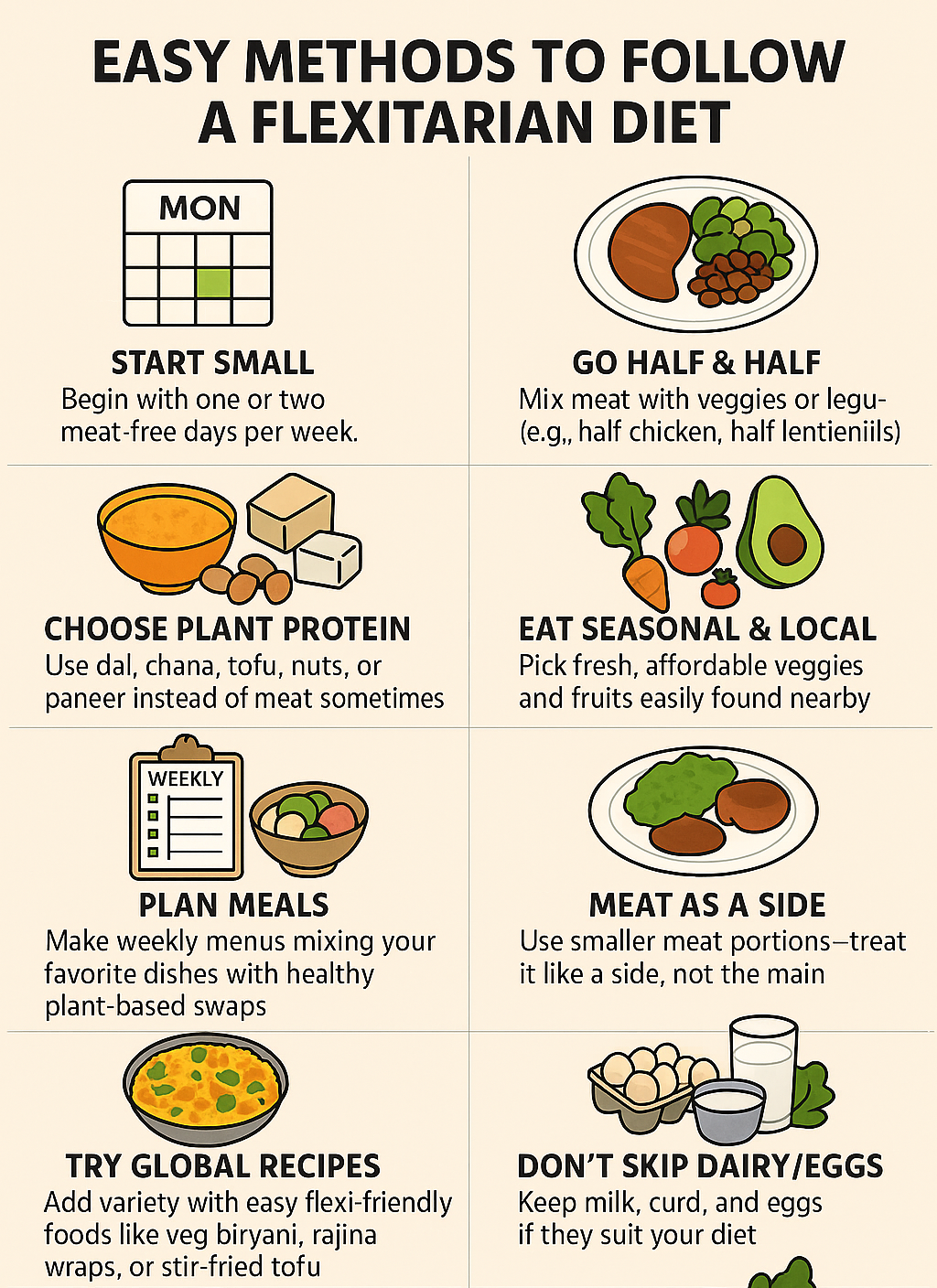
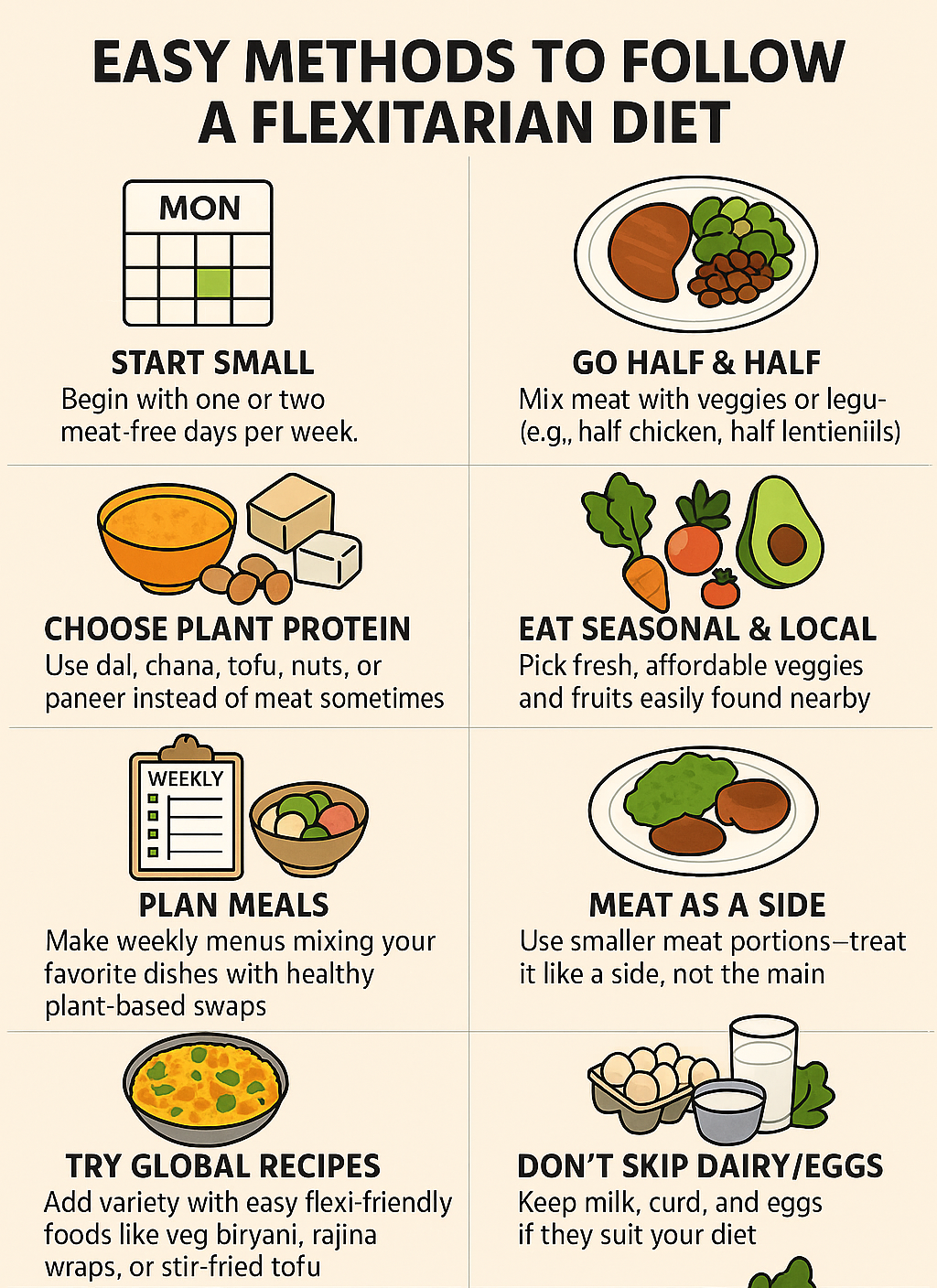
So, how do you actually do this without losing your mind? It’s simpler than you think. Start small. Don’t try to overhaul your entire eating pattern overnight. Pick one day a week to go meat-free. Make it Meatless Monday, or whatever day suits you. Cook a delicious lentil soup or a big veggie stir-fry. Get creative!
Once you’re comfortable with one meat-free day, add another. Or, start by tweaking your existing meals. If you usually have a huge steak, try pairing a smaller piece with a mountain of roasted vegetables. Or swap half the ground beef in your tacos for black beans. These small adjustments make a massive difference over time. It’s about finding that sweet spot, that balance you can maintain.
What’s Actually on the Plate?
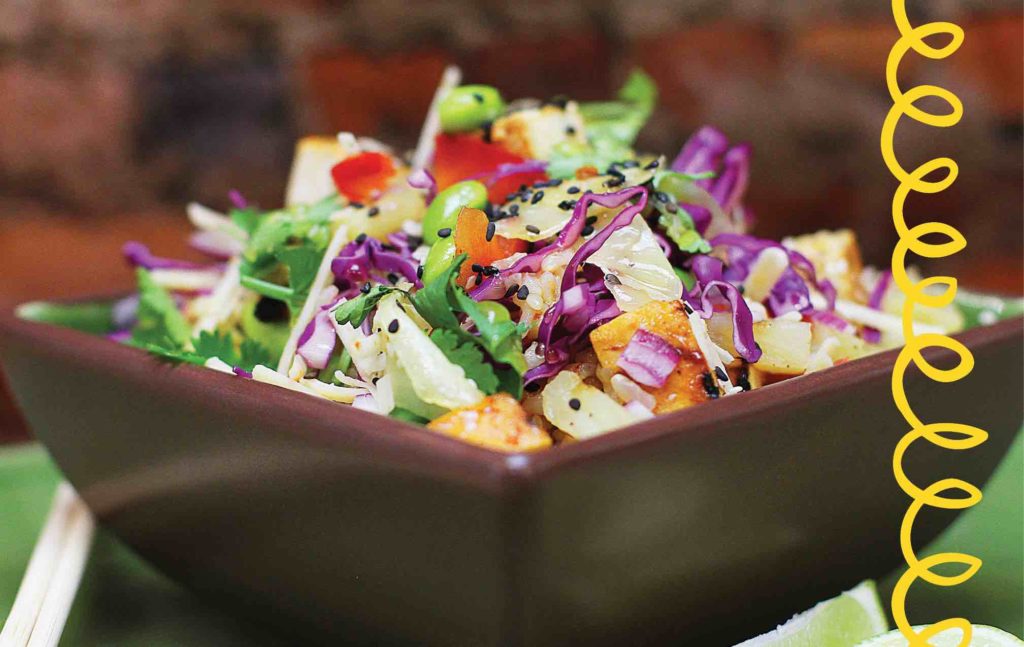
This is the fun part! The flexitarian diet is a celebration of plant-based foods. Think vibrant fruits and vegetables – all colors of the rainbow. Load up on whole grains like quinoa, brown rice, and oats. Beans, lentils, and chickpeas are your new best friends; they’re packed with protein and fiber. Don’t forget healthy fats from avocados, nuts, and seeds. You won’t be going hungry, I promise.
And yes, you can still have meat, fish, and poultry. The idea is to make them less central to your meals. Instead of a giant chicken breast being the star, it becomes more of a supporting actor. Maybe you have salmon twice a week, or a bit of lean ground turkey in your chili. It’s about savoring those animal products without overdoing it. This approach ensures you’re getting a wide range of nutrients. It’s a truly nourishing diet.
Source : vevanfoods.com
Navigating the Flexitarian Menu
Let’s talk meals. Breakfast is often the easiest place to start. Think oatmeal with berries and nuts, a smoothie packed with spinach and fruit, or scrambled eggs with a side of avocado toast. Easy, quick, and packed with goodness. You’re already setting yourself up for a successful day.
Lunches and diers offer more variety. A big salad with grilled chicken or chickpeas? Perfect. Lentil shepherd’s pie? Delicious. Black bean burgers? Absolutely. Even pasta dishes can be flexitarian – load them up with veggies and maybe add some lean ground turkey or keep it vegetarian with a rich tomato sauce. The key is making plants the foundation and adding animal protein strategically. It’s about building flavorful, satisfying meals.
Potential Pitfalls (and How to Dodge Them)
No diet is perfect, and the flexitarian way has a couple of things to watch out for. One common issue? Not getting enough protein or certain micronutrients if you lean too heavily on processed vegetarian options. Stuff like vegan cheese and highly processed meat substitutes aren’t always the healthiest choices. You need to be mindful of what you’re eating, even when it’s meat-free. Think whole foods first.
Another thing? Overdoing it on the ‘flex’ part. If you’re eating meat at every single meal, you’re probably not really embracing the spirit of the diet. Remember, the goal is to reduce, not just occasionally replace. Listen to your body. Are you feeling good? Are you getting enough energy? If not, it might be time to re-evaluate your balance. It’s a learning process, and adjusting is normal.
The Environmental Upside: Eating for Earth
We touched on this, but it’s worth hammering home. The environmental benefits of eating less meat are HUGE. Animal agriculture is a major contributor to greenhouse gas emissions, deforestation, and water pollution. By choosing plant-based meals more often, you’re directly reducing your environmental footprint. It’s a tangible way to make a difference. Trying out the flexitarian diet is a step towards sustainability.

Source : vevanfoods.com
Imagine millions of people making these small changes. The collective impact would be monumental. It’s not about everyone becoming a strict vegan overnight. It’s about widespread adoption of more conscious eating habits. This is where the flexitarian diet truly shines – it’s accessible, adaptable, and impactful. You can feel good about your food choices, both for your health and for the planet.
Flexitarian Diet: Busting the Myths
Let’s clear some things up. Myth #1: You’ll be constantly hungry. Nope. Filling up on fiber-rich plants, protein, and healthy fats keeps you satisfied for hours. Myth #2: It’s boring. Absolutely not. The world of plant-based cooking is incredibly diverse and flavorful. Think spices, herbs, global cuisines. Myth #3: It’s too complicated. As we’ve seen, starting small makes it incredibly simple. You don’t need a chef’s hat.
The truth is, the flexitarian diet is one of the most sustainable and enjoyable ways to eat healthier and be more environmentally conscious. It’s flexible, forgiving, and focused on adding delicious foods to your diet. It’s not about restriction; it’s about addition. It’s a positive eating pattern that works for almost anyone.
Making it Stick: Long-Term Success
The real key to any dietary change is making it last. For the flexitarian diet, that means finding meals you genuinely enjoy and that fit into your routine. Experiment with new recipes. Find a few go-to dishes that are quick and easy for busy weeknights. Build a repertoire of satisfying meat-free meals.
Don’t beat yourself up if you slip up. Had a steak dier? No big deal. Just get back on track with your next meal. It’s about the overall pattern, not isolated incidents. Celebrate your successes, no matter how small. Maybe you tried a new vegetable this week or skipped the bacon at breakfast. Every little bit counts. This is how you build lasting healthy habits.
FAQs: Your Flexitarian Questions Answered
Why is Ae Hathaway not vegan anymore?
Ae Hathaway, a well-known vegan advocate, has spoken about her decision to transition away from a strict vegan diet due to pregnancy and breastfeeding needs. She mentioned that during her pregnancies, she found herself craving dairy and eggs and decided to listen to her body, incorporating those foods back into her diet. It highlights how dietary needs can change, and flexibility is key. She still eats a predominantly plant-based diet, but is no longer strictly vegan. It’s a great example of how personal health needs can influence dietary choices.
Source : vevanfoods.com
What are the downsides of flexitarian?
While generally very healthy, the main potential downside to a flexitarian diet is ensuring you’re still getting enough key nutrients, especially if your ‘flex’ days include a lot of meat. Like any diet that reduces a food group, you need to be mindful. Some people might struggle to get enough iron, B12, or omega-3 fatty acids if they aren’t consciously choosing plant-based sources rich in these. Also, if someone isn’t careful, they might still consume a lot of processed foods on their ‘flex’ days, which isn’t ideal. It really comes down to making conscious food choices.
Is a flexitarian diet good for weight loss?
Absolutely! Many people find great success with weight loss on a flexitarian diet. By focusing on whole, plant-based foods – which are often lower in calories and higher in fiber – you naturally feel fuller for longer. This helps reduce overall calorie intake without feeling deprived. Plus, reducing your intake of processed meats and high-fat animal products can significantly cut down on unhealthy fats and calories. It’s a sustainable path to a healthier weight.
What are some easy flexitarian breakfast ideas?
Breakfast is a breeze on the flexitarian diet! You can start with classic oatmeal, but load it up with fresh berries, a sprinkle of chia seeds, and some chopped nuts for extra protein and healthy fats. Another great option is a smoothie – blend spinach (you won’t even taste it!), a banana, some almond milk, and a scoop of protein powder (plant-based or whey, your choice). Avocado toast on whole-grain bread, perhaps with a sprinkle of red pepper flakes and a side of scrambled eggs if you’re feeling like it, is also a fantastic and filling choice. These options are quick, nutritious, and set you up for success.
How many days a week should you be vegetarian on a flexitarian diet?
There’s no hard and fast rule here, and that’s the beauty of it! The ‘flexi’ part means you decide. Many people start by aiming for 2-3 vegetarian days per week and gradually increase it. Others might aim for 80% of their meals to be plant-based. The key is to find a balance that feels sustainable and enjoyable for you. It could be specific days, or just consciously choosing plant-based options for breakfast and lunch most days. It’s all about finding your personal rhythm.
Frequently Asked Questions
-
Why is Ae Hathaway not vegan anymore?
Ae Hathaway, a well-known vegan advocate, has spoken about her decision to transition away from a strict vegan diet due to pregnancy and breastfeeding needs. She mentioned that during her pregnancies, she found herself craving dairy and eggs and decided to listen to her body, incorporating those foods back into her diet. It highlights how dietary needs can change, and flexibility is key. She still eats a predominantly plant-based diet, but is no longer strictly vegan. It’s a great example of how personal health needs can influence dietary choices.
-
What are the downsides of flexitarian?
While generally very healthy, the main potential downside to a flexitarian diet is ensuring you’re still getting enough key nutrients, especially if your ‘flex’ days include a lot of meat. Like any diet that reduces a food group, you need to be mindful. Some people might struggle to get enough iron, B12, or omega-3 fatty acids if they aren’t consciously choosing plant-based sources rich in these. Also, if someone isn’t careful, they might still consume a lot of processed foods on their ‘flex’ days, which isn’t ideal. It really comes down to making conscious food choices.
-
Is a flexitarian diet good for weight loss?
Absolutely! Many people find great success with weight loss on a flexitarian diet. By focusing on whole, plant-based foods – which are often lower in calories and higher in fiber – you naturally feel fuller for longer. This helps reduce overall calorie intake without feeling deprived. Plus, reducing your intake of processed meats and high-fat animal products can significantly cut down on unhealthy fats and calories. It’s a sustainable path to a healthier weight.
-
What are some easy flexitarian breakfast ideas?
Breakfast is a breeze on the flexitarian diet! You can start with classic oatmeal, but load it up with fresh berries, a sprinkle of chia seeds, and some chopped nuts for extra protein and healthy fats. Another great option is a smoothie – blend spinach (you won’t even taste it!), a banana, some almond milk, and a scoop of protein powder (plant-based or whey, your choice). Avocado toast on whole-grain bread, perhaps with a sprinkle of red pepper flakes and a side of scrambled eggs if you’re feeling like it, is also a fantastic and filling choice. These options are quick, nutritious, and set you up for success.
-
How many days a week should you be vegetarian on a flexitarian diet?
There’s no hard and fast rule here, and that’s the beauty of it! The ‘flexi’ part means you decide. Many people start by aiming for 2-3 vegetarian days per week and gradually increase it. Others might aim for 80% of their meals to be plant-based. The key is to find a balance that feels sustainable and enjoyable for you. It could be specific days, or just consciously choosing plant-based options for breakfast and lunch most days. It’s all about finding your personal rhythm.