
App-Based Pelvic Floor Therapy Triumphs: Take Back Control From Your Couch!
Let’s be real, folks. Talking about your pelvic floor isn’t exactly dier party chatter. But here’s the deal: if you’re dealing with leaks, pain, or just that general ‘something’s not right down there’ feeling, ignoring it is a recipe for disaster. For ages, the go-to fix was trekking to a clinic, sitting in waiting rooms, and having potentially awkward chats. Not exactly convenient, right? Well, buckle up, because technology’s stepped in, and app-based pelvic floor therapy is shaking things up. And honestly? It’s about damn time.

Source : triumphpelvichealth.com
Think about it. We manage our finances, our fitness, even our dating lives through apps. Why should pelvic health be any different? The convenience factor alone is huge. No more scheduling around work or relying on a babysitter. You can do it anytime, anywhere. Early mornings? Lunch break? While the kids are finally napping? You got it. This isn’t just about making things easier; it’s about making effective treatment accessible to everyone, not just those who can physically get to a clinic.
The Old Way vs. The New Way
Remember those days? You’d book an appointment, maybe drive an hour, sit there feeling self-conscious, and then get homework that felt… well, like homework. It worked, sure, for some. But the barriers? So high. Travel, cost, time, and let’s not forget the sheer mental energy it took to even go. It’s no wonder so many people put it off or gave up entirely.
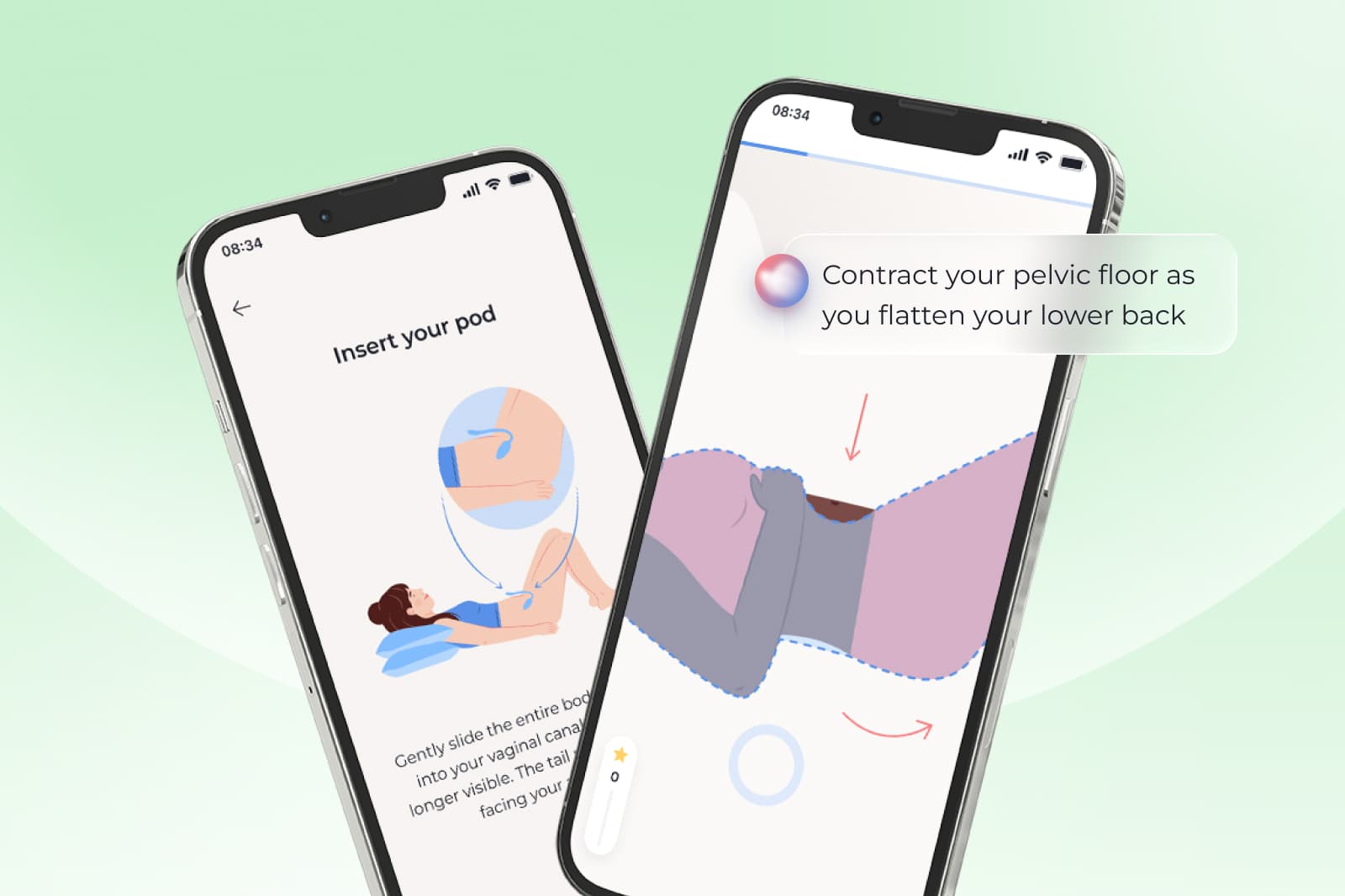
Now? Imagine this: You download an app. It guides you through simple, effective exercises. Maybe it uses your phone’s camera to check your form (fancy, right?). It tracks your progress, sends you reminders (gentle nudges, not nagging!), and even gamifies the whole thing to keep you motivated. It feels less like a chore and more like a personalized fitness routine for your most important muscles. This shift is what pelvic health revolution is all about.

Source : triumphpelvichealth.com
So, Do Kegel Apps Really Work?
Yeah, they totally can. But here’s the catch: not all apps are created equal. You can’t just download some random game and expect miracles. You need an app that’s built on solid science, ideally designed or approved by actual pelvic floor physical therapists. Think of it like choosing a workout app – you wouldn’t use one that teaches you karate moves if you want to run a marathon, right?
The trick is that these apps often break down complex exercises into manageable steps. They provide visual cues, biofeedback (sometimes!), and consistent guidance. This helps you understand how to contract and relax those crucial muscles correctly. Unlike just blindly doing Kegels, an app can teach you the nuance. It’s about quality over quantity, ensuring you’re doing the right thing. Plus, the consistency they encourage? That’s key for building strength and endurance down there. A study even showed that mobile app-based training can be effective for conditions like stress urinary incontinence. Pretty solid evidence, if you ask me.
Does Virtual Pelvic Floor Therapy Actually Deliver?
Absolutely. Virtual pelvic floor therapy is essentially taking the expertise of a physical therapist and delivering it through digital means. This could be through video calls, secure messaging, or integrated within an app. It’s not just a fancier version of an app; it often involves direct interaction with a professional, even if it’s remote.
The beauty of this approach is the personalized guidance you get without the physical barriers. A therapist can assess your specific needs, tailor an exercise program, and monitor your progress. They can answer your burning questions and provide that human element of accountability and support. It’s like having a PT in your pocket. And for people who find in-person visits daunting or impossible, this is a game-changer. Research is increasingly backing this up, showing positive outcomes for various pelvic floor dysfunctions. It’s a modern approach to care.
Triumph Pelvic Health: Leading the Charge
Now, while apps are great, sometimes you need that extra layer of expert human oversight. This is where places like Triumph Pelvic Health come in. They understand the power of combining technology with expert care. They’re not just throwing random exercises at you; they’re using a smart, integrated system.
What makes them stand out? They blend the convenience of digital tools with the critical insight of highly trained pelvic health professionals. This means you get a treatment plan that’s truly customized to you. Forget one-size-fits-all. They dig deep into your specific issues and build a plan that addresses the root cause. It’s about getting you real, lasting results, not just temporary fixes. They also offer convenient online booking for consultations, making it super easy to get started.
Source : swordhealth.com
Digging Deeper: The Science Behind the Apps
It’s not just a trend; there’s real science validating this stuff. Studies are popping up left and right, exploring how these digital tools can effectively manage conditions like urinary incontinence, pelvic organ prolapse, and even pain. One particular trial, looking at mobile app-based pelvic floor muscle training for stress urinary incontinence, found it to be a viable and effective treatment option. That’s not just anecdotal; that’s clinical evidence at work.
The key is that these apps often incorporate principles of behavioral change and provide consistent feedback. They help users overcome the common hurdles of forgetfulness or lack of motivation that plague traditional exercise programs. When you can see your progress, get reminders, and understand the ‘why’ behind each exercise, you’re far more likely to stick with it. It’s about building sustainable habits for long-term pelvic health. This is why digital pelvic health is gaining serious traction.
Choosing the Right App: What to Look For
Okay, so you’re sold. You want to try an app. Awesome. But where do you even start? My advice? Look for apps that are:
- Developed by Experts: Ideally, created by or in collaboration with pelvic floor physical therapists.
- Evidence-Based: Is there research backing up their methods? Look for links to studies or mentions of scientific validation.
- User-Friendly: Easy to navigate, clear instructions, and maybe even some fun elements to keep you engaged.
- Comprehensive: Does it address different aspects of pelvic floor function, not just simple contractions?
- Secure: Your health data is private. Ensure the app has strong privacy policies.
Don’t just grab the first thing that pops up in the app store. Do a little digging. Check reviews, look at the developer’s background. Think of it as vetting your own personal pelvic health coach. A good starting point might be apps that integrate with services like pelvic floor rehabilitation programs.
Beyond Apps: The Future is Integrated
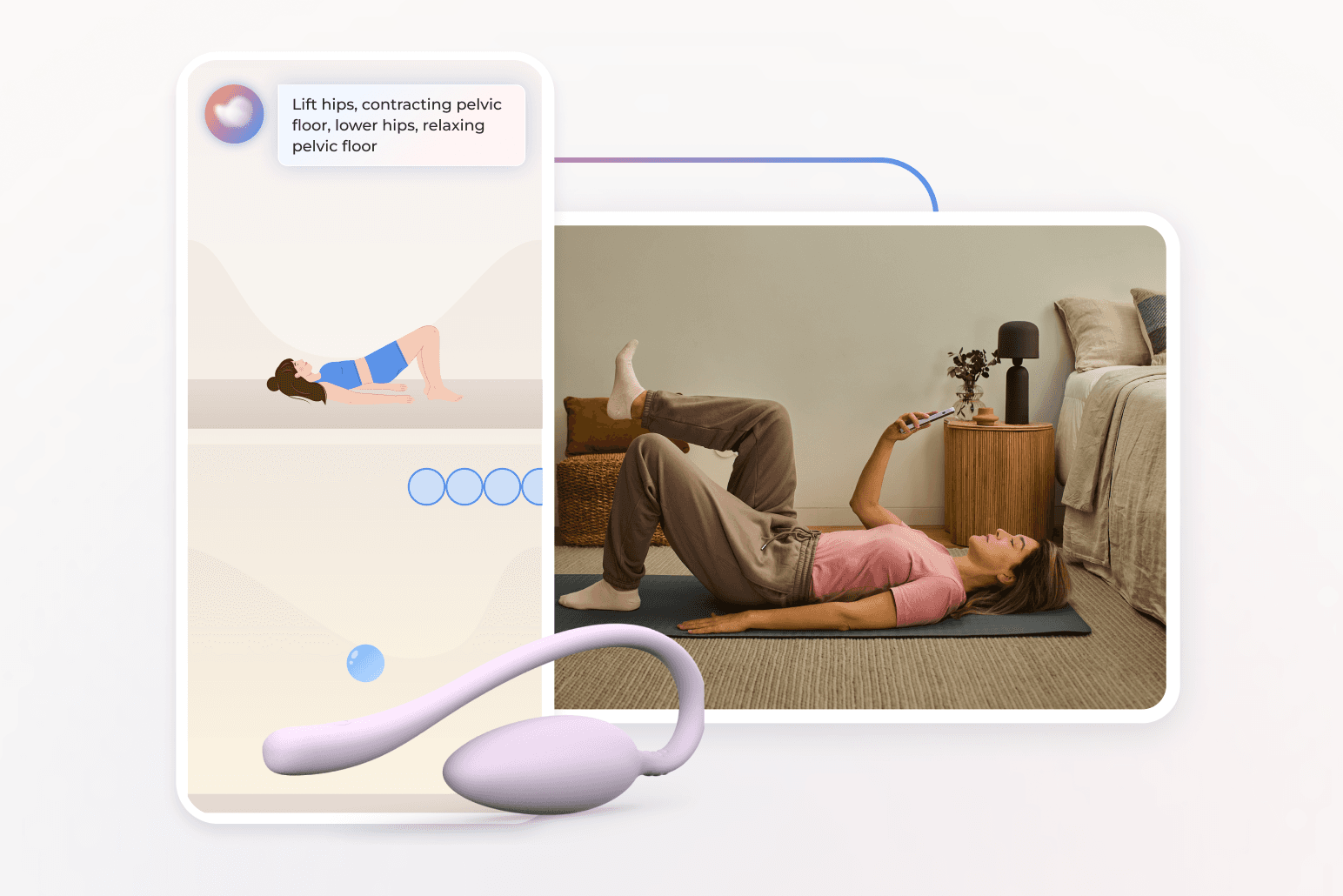
The coolest part? It’s not just apps anymore. We’re seeing a move towards truly integrated digital health solutions. Imagine an app that coects to a wearable sensor, giving you real-time feedback on your muscle activity. Or a platform that seamlessly bridges the gap between at-home exercises and occasional check-ins with your therapist via telehealth. It’s about creating a complete ecosystem for your pelvic well-being.
Source : swordhealth.com
This integrated approach takes the guesswork out of it. It provides data-driven insights for both you and your healthcare provider. It ensures you’re always on the right track and making progress. Triumph Pelvic Health, for example, uses a combination of methods to ensure you’re getting the best possible care, tailored specifically to your needs. It’s the future of pelvic care, and it’s here now.
The Takeaway: Don’t Wait, Engage!
Your pelvic floor is crucial for so many functions. Ignoring issues down there can lead to more significant problems down the line. Thankfully, you don’t have to suffer in silence or deal with inconvenient clinic visits anymore. App-based therapy and virtual consultations offer incredibly effective, accessible, and convenient ways to take charge of your pelvic health.
Whether you’re dealing with postpartum changes, post-surgical recovery, or just general weakness, there’s a digital solution that can help. Explore the options, find what works for you, and start investing in your pelvic well-being today. It’s your body, your health, and with today’s technology, you have more power than ever to make a real difference. Ready to take the first step? Check out resources like Triumph Pelvic Health’s online booking and see how easy it is to get started on your journey to a stronger pelvic floor.
Frequently Asked Questions
-
Do Kegel apps really work?
Yeah, Kegel apps can totally work, but you’ve gotta be smart about it. Don’t just download any old app. Look for ones built by actual pelvic floor physical therapists and backed by science. They provide guidance, track your progress, and help you do the exercises correctly, which is way more effective than just guessing. Studies even show they’re effective for things like stress urinary incontinence. It’s all about choosing a quality app.
-
Does virtual pelvic floor therapy work?
Absolutely. Virtual pelvic floor therapy coects you with expert therapists remotely, often through video calls or secure platforms. It offers personalized guidance and exercise plans without the hassle of in-person visits. This makes treatment accessible for so many people who might otherwise struggle to get care. Research supports its effectiveness for various pelvic floor issues, making it a legitimate treatment option.
-
How do I know if I need pelvic floor therapy?
If you’re experiencing things like leaking urine when you cough or laugh, pain during sex, constipation, or a feeling of heaviness or pressure in your pelvis, you might need it. Basically, any persistent discomfort or dysfunction ‘down there’ is a red flag. Don’t just live with it – tons of issues are treatable with the right approach, whether that’s an app or a therapist. Your pelvic health matters.
-
Are app-based pelvic floor exercises safe?
Generally, yes, if you’re using a reputable app designed by professionals. The exercises themselves are typically low-impact and focus on controlled muscle contractions and relaxations. The main ‘risk’ is doing them incorrectly, which is why choosing an app with clear instructions and potentially visual feedback is key. Stick to apps recommended by healthcare providers or those with strong scientific backing for safe exercises.
-
Can men benefit from pelvic floor apps too?
Definitely! While often discussed in the context of women’s health, pelvic floor muscles are crucial for everyone. Men can benefit significantly from pelvic floor exercises, especially after prostate surgery, for issues like erectile dysfunction, or for urinary incontinence. Many apps and virtual therapy programs cater to both men and women, offering targeted male programs.