Don’t Just Toss Them: The Real Deal on Ethically Ditching Old Lithium-Ion Batteries
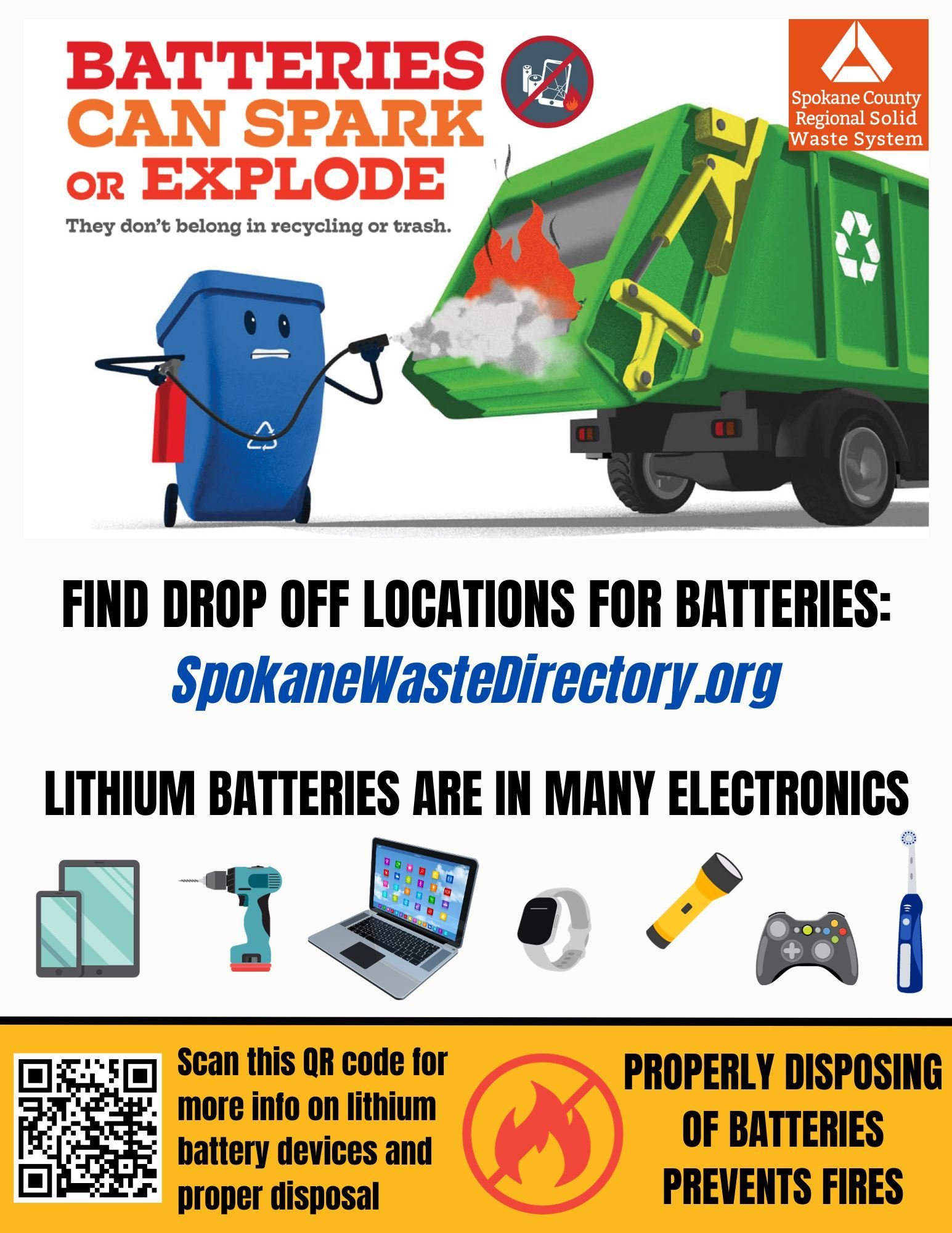
So, your phone’s battery is on its last legs, or maybe that old laptop battery is finally giving up the ghost. You’re probably thinking, “Just chuck it in the trash, right?” Wrong. Dead wrong. Tossin’ these lithium-ion batteries into the regular garbage is a recipe for disaster. Seriously, it’s like playing with fire… literally.
Source : spokanecounty.gov
The Explosive Truth: Why Your Bin Isn’t the Answer
Let’s cut to the chase. These batteries, while awesome for powering our gadgets, are packed with volatile chemicals. When they get crushed or punctured – say, by the big ol’ compactor at the landfill – they can short circuit. This leads to overheating, which can spark a fire. And not just any fire, but a nasty, hard-to-put-out blaze that can spread. Think of the sanitation workers, the landfill crews – they’re the ones most at risk. It’s a serious safety hazard, and frankly, it’s just plain irresponsible to ignore it. Landfills aren’t equipped to handle these things. They’re designed for, well, trash. Not miniature, potentially explosive power sources.
The Environmental Nightmare You’re Creating
Source : northcentralpa.com
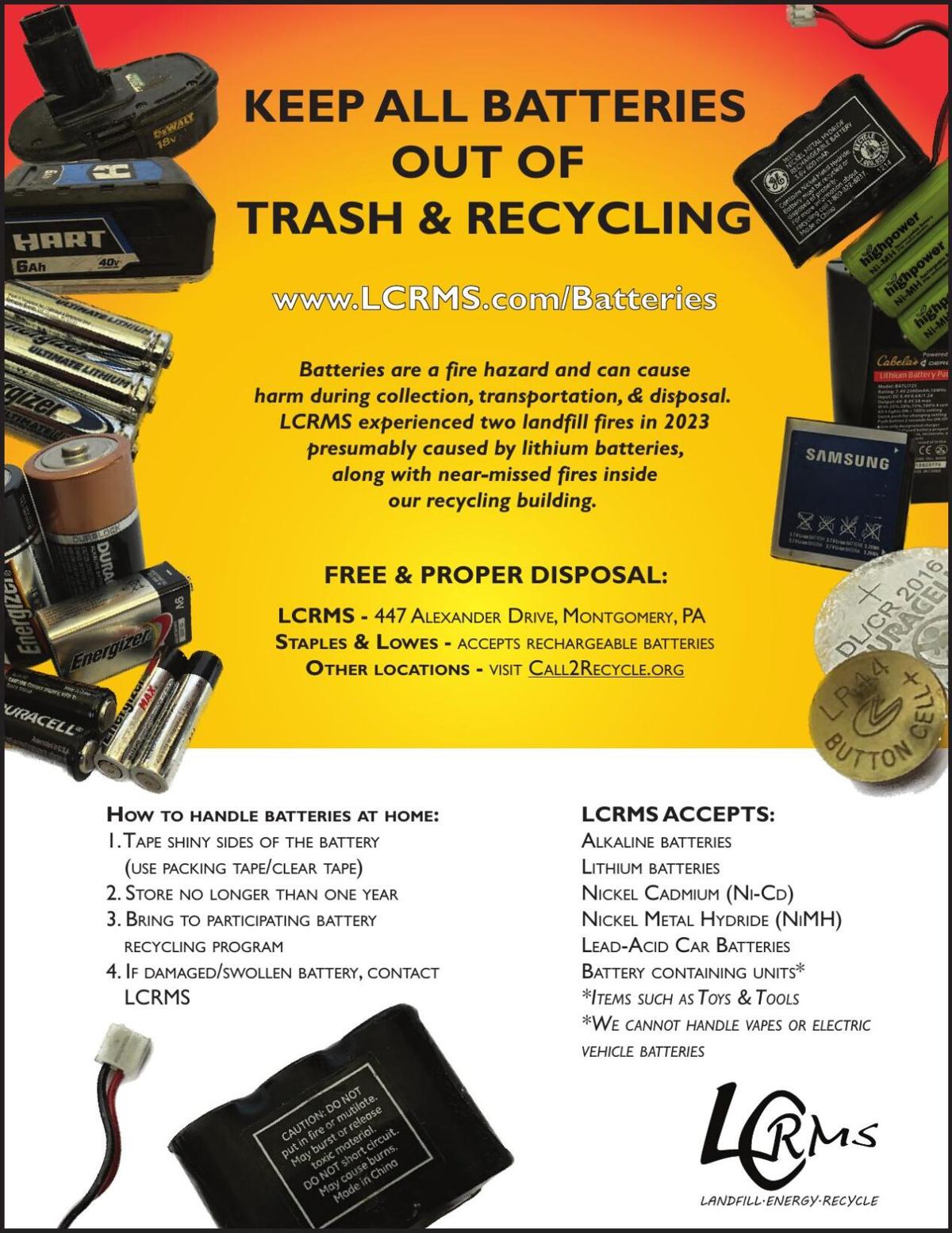
Beyond the immediate fire risk, chucking these batteries is terrible for the environment. They contain heavy metals and toxic chemicals like cobalt, nickel, and lithium salts. When these leak into the soil and groundwater from the landfill, they cause serious contamination. This isn’t just some abstract concept; it impacts drinking water, ecosystems, and human health. We’re talking about poisons seeping into the earth for decades. Doesn’t sound like a great legacy to leave behind, does it? Plus, these materials are valuable! Tossing them is like throwing away gold. We should be talking about recycling valuable materials, not burying them.
Okay, So What’s the Right Way?
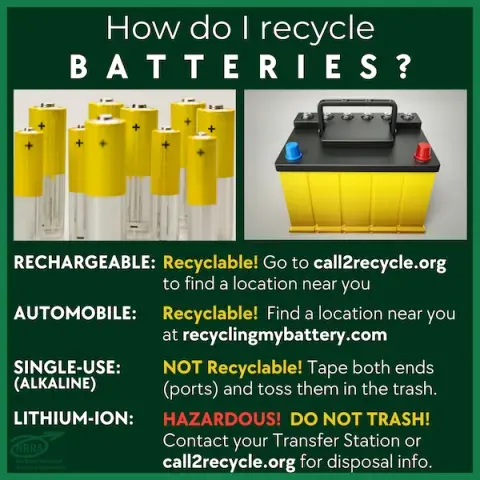
Alright, enough doom and gloom. You want to do the right thing. Good. It’s actually not that hard, once you know where to look. The key is finding a proper recycling facility or drop-off point that specifically handles lithium-ion batteries. These places have the right protocols to safely dismantle them and recover the materials.
Retail Drop-Offs: Your First Go-To
Many major retailers are stepping up. Places like The Home Depot often have battery recycling bins right there in the store. It’s super convenient. You’re already there buying stuff, so just bring your old batteries along. They usually have dedicated bins for different types of batteries, so make sure you’re putting your lithium-ion ones in the correct spot. It’s a win-win: you get rid of your old tech responsibly, and they help manage the waste stream. Always check their website or ask an employee if you’re unsure about their specific program – policies can change. You can find general info on battery disposal at Home Depot’s guide.
Source : nhrecycles.org
Community Collection Events & Local Waste Management
Keep an eye out for local hazardous waste collection events. Your town or county often hosts these periodically. It’s a great chance to offload all sorts of tricky household waste, including batteries. Your local municipal waste management website is your best friend here. They’ll have the scoop on local recycling options and schedules. For instance, places like Wasatch Integrated Waste Management District provide useful tips on their site about battery disposal. They stress safety and proper handling, which is exactly what we need. You can often find info specific to your area by searching your county’s waste management or public works department online.
Specialized E-Waste Recyclers: The Pros
For larger quantities or specialized batteries (like those from power tools or e-bikes), you might need to seek out dedicated electronic waste (e-waste) recyclers. These companies are equipped to handle a wider range of battery chemistries and sizes. They often operate on a larger scale and have more advanced processing capabilities. A quick search for “e-waste recycling near me” should give you plenty of options. These guys are the pros who really know their stuff when it comes to safely breaking down these complex devices. They ensure that valuable metals are recovered.
Mail-In Programs: Convenience Delivered
Some manufacturers and third-party services offer mail-in recycling programs. You might get a special mailer, often designed to be fire-resistant, to send your batteries back for recycling. This is super convenient if you don’t have easy access to a local drop-off point. Do a quick search for “lithium-ion battery mail-in recycling.” Just make sure you’re using a reputable service. The U.S. Environmental Protection Agency (EPA) has a wealth of information on recycling used lithium-ion batteries, including guidance on disposal options. Check out their resources on recycling these batteries.
Source : epa.gov
Safety First, Always: Handling Damaged Batteries
Now, what if your battery is damaged? Swollen, leaking, or dented? This is where you need to be extra, extra careful. A damaged lithium-ion battery is a ticking time bomb. Do NOT try to mail it. Do NOT put it in a regular recycling bin. Your best bet is to contact your local hazardous waste facility immediately. They will provide specific instructions. Often, they’ll tell you to put it in a non-flammable container (like a bucket filled with sand or kitty litter) and take it directly to them. Never attempt to repair a damaged battery yourself. It’s just not worth the risk. Handling these is serious business, and safety is paramount.
What NOT to Do (Seriously, Don’t Do This)
Let’s reinforce this because it’s crucial. I’ve seen people do dumb things. So, here’s the hard NO list:
- No regular trash bin. Ever. Not even if it’s dead dead.
- No flushing down the toilet. Seriously, who even thinks of this? It contaminates water systems.
- No burning. This releases toxic fumes and is incredibly dangerous.
- No putting loose batteries in mixed recycling. They can get crushed and cause fires in the sorting machinery.
Basically, if it’s not a designated battery recycling drop-off or a hazardous waste facility, don’t leave it there. Treat every old battery like a tiny, potent hazard.
Watch: How to Safely Dispose of Lithium-Ion Batteries (And Avoid Fires)
The Bigger Picture: Why This Matters
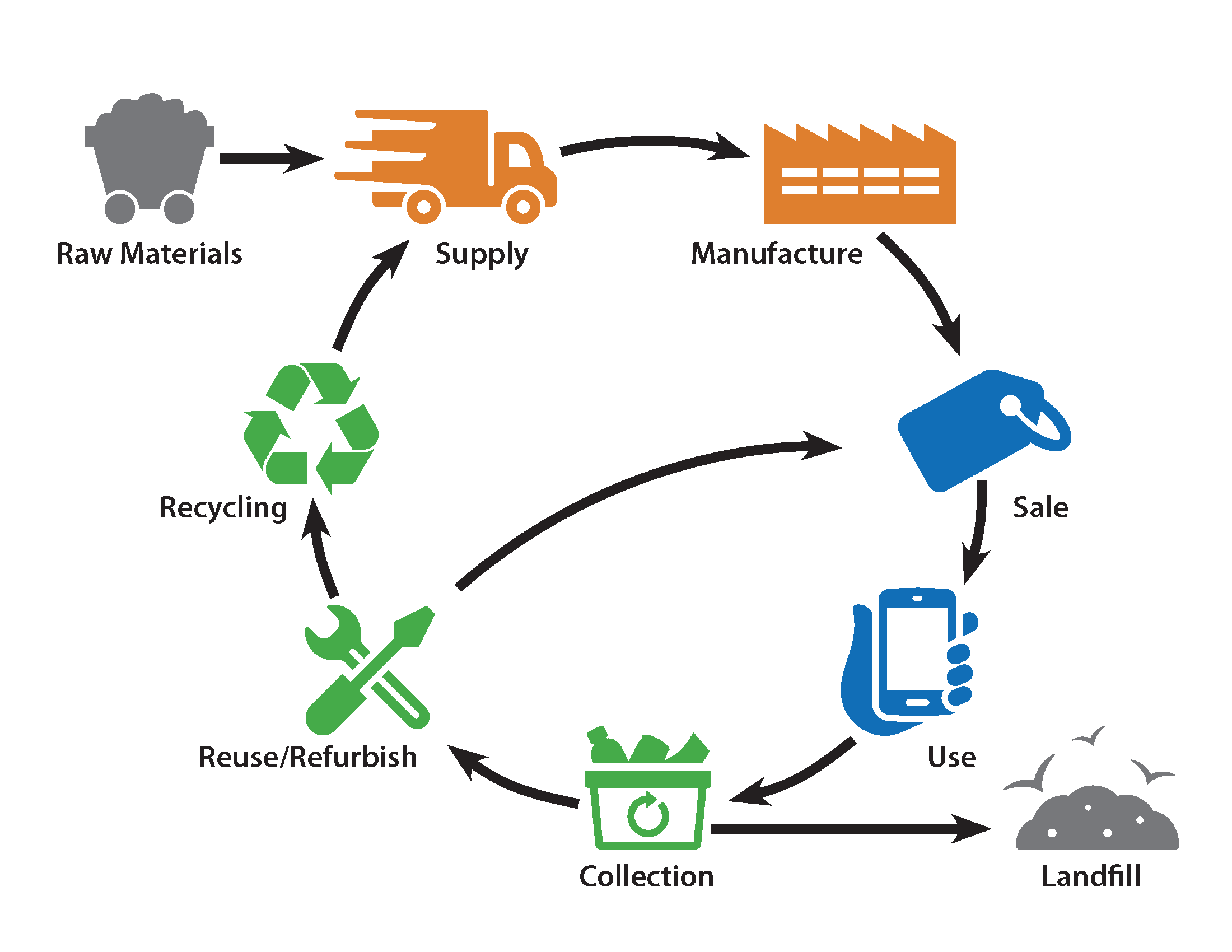
Recycling lithium-ion batteries isn’t just about avoiding fires or pollution, though those are huge reasons. It’s also about resource conservation. The materials inside these batteries are finite. Mining new ones has a significant environmental and social impact. By recycling, we reduce the need for new mining and ensure that valuable resources like lithium, cobalt, and nickel can be reused. It’s a key part of building a circular economy, where materials are kept in use for as long as possible. Think of it as urban mining – extracting valuable stuff from waste. It makes economic sense and environmental sense. Plus, it reduces our reliance on foreign sources for these critical minerals.
Making it a Habit: Your Action Plan
So, how do you make this a regular thing? It’s simple. Make it part of your routine.
- Audit your devices: Regularly check your drawers and closets for old gadgets with lithium-ion batteries.
- Designate a spot: Keep a small, sealed container in your home for collecting old batteries until you can take them to a drop-off. Make sure it’s away from heat and flammable materials.
- Plan your drop-off: Before you toss a device, know where you’ll recycle the battery. Check retailer websites or your local waste authority. Wasatch Integrated, for example, offers practical guidance on their site about managing these materials safely. Visit their helpful tips for specific advice.
- Educate others: Spread the word! Tell your friends, family, and colleagues. The more people who know, the better.
It takes a little effort upfront, but it’s a small price to pay for safety and a healthier planet. This isn’t just about responsible disposal; it’s about stewardship.
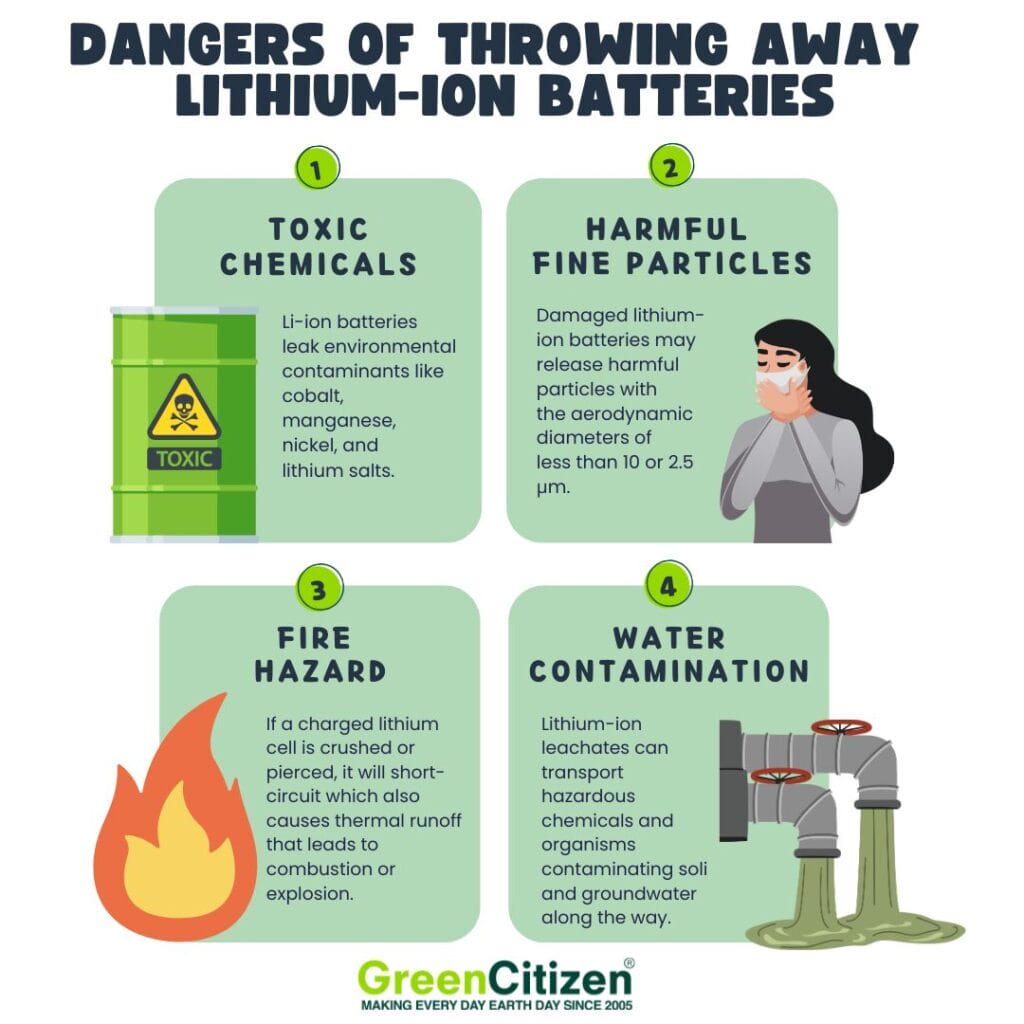
Source : greencitizen.com
The Future is Rechargeable, Let’s Keep it Safe
Lithium-ion batteries are essential to our modern lives. They power our phones, laptops, electric cars, and so much more. As we continue to rely on them, our responsibility to manage their end-of-life safely and ethically grows. By understanding the risks and knowing the proper disposal methods, you’re doing your part. You’re not just getting rid of a dead battery; you’re contributing to a safer environment and a more sustainable future. So next time you have a defunct battery, remember: don’t trash it, recycle it right. It’s the smartest choice you can make.
Frequently Asked Questions (and Straight Answers)
How do you dispose of old lithium-ion batteries?
The absolute best way is to take them to a designated battery recycling drop-off point. Many electronics stores, home improvement stores like The Home Depot, and community hazardous waste collection events accept them. Never, ever put them in your regular household trash or curbside recycling bin. They need special handling to prevent fires and environmental contamination. Check your local waste management authority’s website or look for specific recycling bins in stores.
Does Home Depot take lithium batteries for disposal?
Yes, generally The Home Depot does accept batteries for recycling, including lithium-ion types, at many of their store locations. They usually have special bins set up for this purpose. It’s always a good idea to check their website or call your local store first to confirm their current battery recycling program details, as offerings can vary by location and change over time. They’re a great option for convenient, responsible battery disposal.
Why can’t you throw away lithium-ion batteries?
You absolutely caot throw away lithium-ion batteries because they pose significant safety and environmental risks. When damaged or crushed, they can easily catch fire or explode due to their volatile chemical composition. If they end up in a landfill, the toxic materials can leak out, contaminating soil and groundwater. Fires caused by batteries in trash trucks or at landfills are dangerous and difficult to extinguish. Proper recycling ensures these risks are managed and valuable materials can be recovered.
What about batteries from electric cars?
Electric vehicle (EV) batteries are a whole different beast – much larger and more complex. While they also need special handling, they’re typically managed through automotive service centers, dealerships, or specialized EV battery recyclers. The process is highly regulated, and manufacturers often have take-back programs. These batteries contain a significant amount of valuable materials, so recycling them is crucial. Don’t try to handle these yourself!
Are there any risks associated with transporting old batteries for recycling?
Yes, absolutely. The main risk is fire. Loose batteries, especially if damaged, can short-circuit if their terminals touch each other or conductive materials. This is why it’s important to store them safely, ideally in their original packaging if possible, or tape over the terminals. For bulkier batteries or multiple smaller ones, using a fire-resistant container or bag is wise. Always transport them securely so they don’t move around and get damaged during transit. The EPA provides guidance on safe handling and transport.