At-Home Microbiome Testing Kits: Accurate or Just a Scam?
Look, let’s be real. You’ve probably seen the ads. Those slick-looking kits promising to unlock the secrets of your gut. They promise to tell you what’s thriving, what’s slacking, and how to fix it all with a few diet tweaks. Sounds great, right? But here’s the kicker: are these at-home microbiome tests actually accurate? Or are you just flushing your money down the drain (pun intended)? I’ve dug into this big time, and buckle up, because it’s not as straightforward as you might think. It’s a messy business, like trying to count every single grain of sand on a beach. We’re talking about billions of microbes, people!
Source : theconversation.com
The Allure of Knowing Your Gut
Who wouldn’t want a crystal ball for their insides? Your gut microbiome, that bustling city of bacteria, fungi, and viruses living in your digestive tract, plays a huge role in everything from your digestion to your mood, and even your immune system. For years, the only way to get a real look was through expensive lab tests or complex procedures. Then came the gut microbiome kits. Easy to use, mail-in convenience, and results delivered right to your inbox. It’s the ultimate in personalized health, or so they claim. They tap into this growing fascination with our ier ecosystem, promising insights that can lead to real health improvements. It’s the allure of understanding yourself on a deeper, microscopic level.
How These Kits Even Work (The Basic Idea)
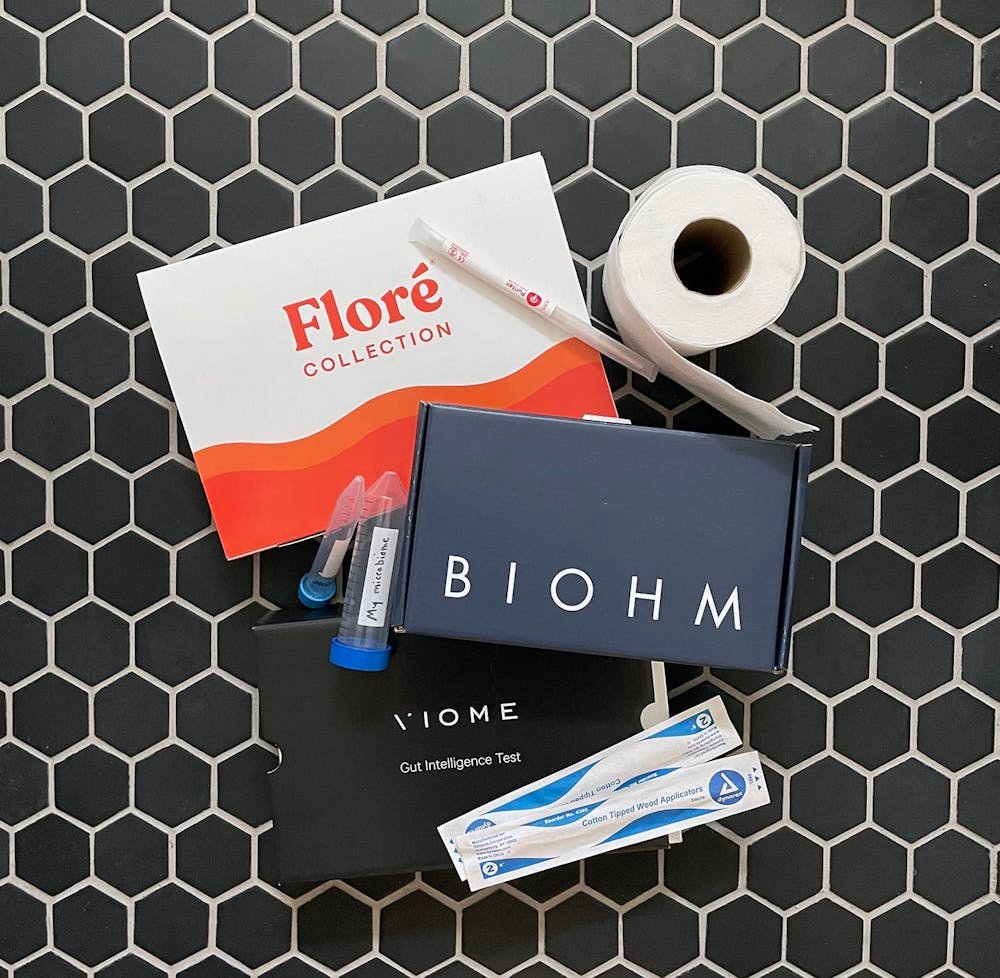
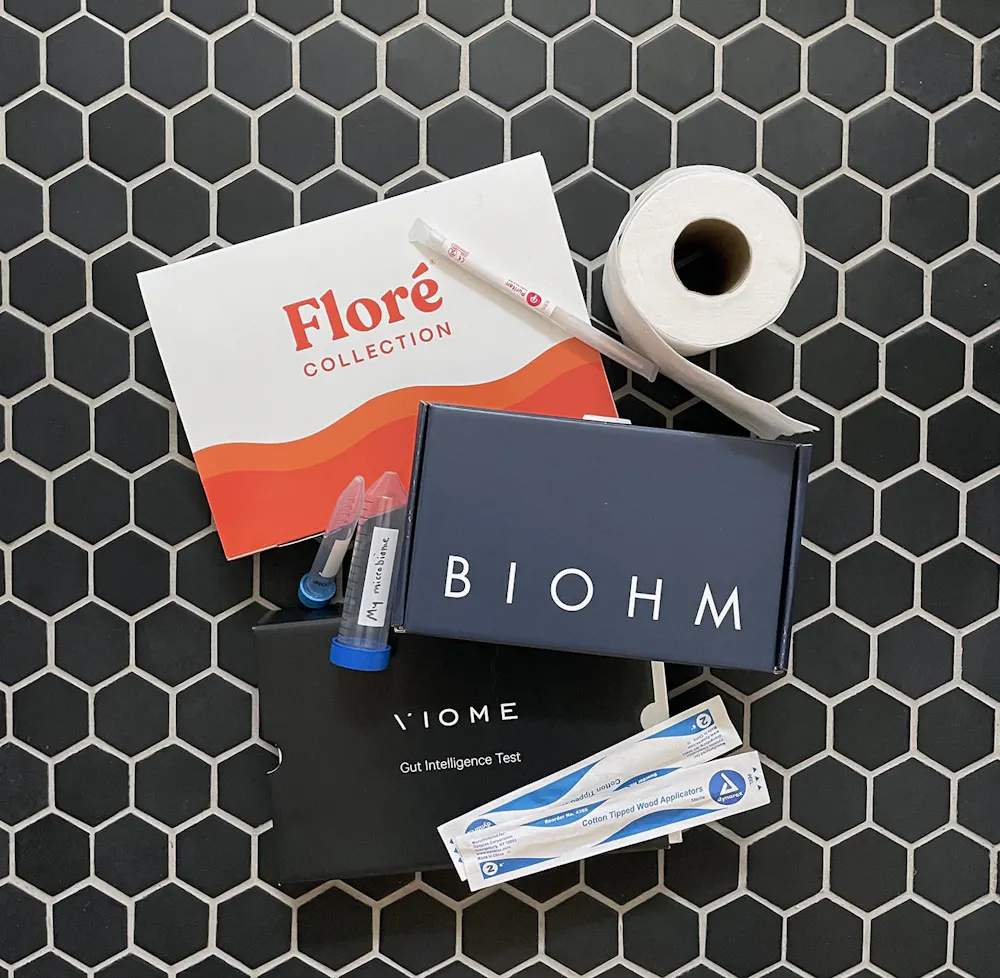
Alright, so you get a kit. Usually, it’s a little tube and a swab, or maybe a little container. You follow the instructions – which can sometimes be more confusing than assembling IKEA furniture – collect a sample (yep, usually poop), seal it up, and mail it off. Back at their lab, they use something called 16S rRNA sequencing or sometimes shotgun metagenomic sequencing. Think of it like a fingerprint for the bacteria. They analyze the DNA in your sample to figure out which types of microbes are there and how many of each. Then, they spit out a report. This report usually tells you about the diversity of your microbes, points out any potential ‘bad guys’ or ‘good guys’ that are lacking, and offers diet and lifestyle recommendations. It’s a snapshot, supposed to tell you the story of your gut.

Source : innerbody.com
The Big Question: Are They Accurate?
This is where things get… murky. The short answer? It’s complicated, and often, not very accurate. Multiple studies have shown wild variations. Scientists have sent the exact same sample to different companies, even multiple times to the same company, and gotten wildly different results. One study found that results from seven different at-home tests for the same sample varied dramatically. You could be told you have a ton of beneficial bacteria by one company, and then the next says you’re practically barren. It’s like asking five different doctors for a diagnosis and getting five completely different opinions. This lack of consistency is a massive red flag. You can read more about these findings in Scientific American.
Why the Wildly Different Results?
There are a few big reasons for this chaos. First, the technology itself is still evolving. Microbiome research is relatively new, and the standards for accuracy and reliability in these commercial tests aren’t quite there yet. Second, it’s about the lab work. Are the labs well-calibrated? Are they using the same methods? What about contamination? If the lab isn’t super sterile, your sample could get messed up. Third, the bioinformatics – the computer analysis of the data – varies hugely between companies. They might use different databases to identify bacteria, or different algorithms to interpret the numbers. It’s a complex process, and everyone’s doing it slightly (or a lot) differently. Plus, they’re often just looking at a tiny fraction of your gut, not the whole picture.
What the Companies Tell You vs. The Reality
Companies will often talk a big game. They’ll highlight the potential benefits, the personalized advice, and how their test is scientifically backed. And sure, some of them employ smart scientists. But remember, these are businesses. They’re selling a product. The marketing can sometimes overstate what the science can currently deliver. They might suggest you have a ‘dysbiosis’ – an imbalance – without concrete proof, and then sell you expensive supplements or meal plans to ‘fix’ it. This is where the snake oil accusations come in. They capitalize on people’s desire for quick health fixes. It’s a challenging market, and not everyone is playing by the same ethical rules.
The Scientific Limitations of These Tests
Here’s the hard truth from the science community. Your gut microbiome isn’t static. It changes daily based on what you eat, how stressed you are, if you took antibiotics, even where you travel. So, a snapshot from one day might not represent your gut next week. Also, just knowing which bacteria are there doesn’t always tell you what they’re doing. A particular bacteria might be considered ‘bad,’ but in your gut, it could be perfectly fine, even beneficial, depending on the context. The field is moving towards understanding the function of the microbiome, not just the species present. These kits often fall short on providing that functional insight. They’re giving you a species list, not a functional map. This is a critical point missed by many home gut tests.

Source : innerbody.com
Are They Completely Useless?
Okay, so I’ve been pretty tough on them. But are they entirely without value? Maybe not completely. For some people, the results can be a starting point. If a test flags a severe lack of fiber-digesting bacteria, it might encourage someone who eats very little fiber to start eating more fruits and vegetables. That’s a good outcome, even if the specific bacteria count was a bit off. Sometimes, seeing data, even imperfect data, can be the motivation someone needs to make positive lifestyle changes. Think of it as a nudge. But you absolutely can’t rely on them for a definitive diagnosis or a complex treatment plan. Relying solely on them could be problematic.
What Should You Do Instead?
If you’re serious about your gut health, skip the guesswork. Here’s what works:
1. Talk to a Doctor or Registered Dietitian: This is your best bet. A qualified professional can assess your symptoms, medical history, and diet. They can order more reliable tests if needed, and provide evidence-based advice. They understand the science of gut health.
2. Focus on Diet: This is huge. Eat a wide variety of plant-based foods. Think diversity in fruits, vegetables, whole grains, legumes, nuts, and seeds. Aim for a ‘rainbow’ on your plate. Fiber is your gut’s best friend. Fermented foods like yogurt, kefir, sauerkraut, and kimchi can also introduce beneficial bacteria. It’s practical, effective, and doesn’t require mailing your… well, you know.
3. Manage Stress: Chronic stress wreaks havoc on your gut. Find healthy ways to cope – meditation, yoga, deep breathing, spending time in nature. Your gut-brain coection is real, people!

Source : innerbuddies.com
4. Consider Probiotics Wisely: Not all probiotics are created equal, and they don’t work for everyone. If you’re considering them, discuss it with your doctor or dietitian. They can recommend specific strains if appropriate.
5. Read Reputable Sources: If you want to learn more about the microbiome, stick to trusted scientific journals and reputable health organizations. Don’t just trust the marketing hype. Check out resources like Stat News for balanced reporting on these topics.
The Bottom Line on Accuracy
So, back to the original question: Are at-home microbiome testing kits accurate? Generally, no. Not to the degree you should base significant health decisions on them. They can be a fun educational tool, maybe a motivator. But the science is still catching up to the marketing. The results are often inconsistent, unreliable, and can be easily misinterpreted. For true insights into your gut health, stick with qualified healthcare professionals and evidence-based lifestyle changes. Don’t let fancy marketing convince you that a mail-in test is a magic bullet. Your health is too important for that. Trust me on this one.
Frequently Asked Questions
-
Are at home gut microbiome tests accurate?
Honestly? It’s pretty hit or miss. Multiple studies show wildly different results when the same sample is sent to different companies, or even the same one twice. So, while they can be a fun educational tool or a nudge to eat better, you absolutely shouldn’t base major health decisions solely on these home gut tests. The science and the testing methods are still evolving, and consistency is a huge issue. For reliable info, stick to doctors and dietitians.
-
What is the gut microbiome and why does it matter?
Think of your gut microbiome as a bustling ecosystem inside your digestive tract, packed with trillions of bacteria, fungi, and other microbes. It’s super important because it helps you digest food, produces vitamins, trains your immune system, and even influences your mood and brain function. Keeping this microbial community healthy is key to overall well-being.
-
Can diet truly change my microbiome?
Absolutely! Your diet is one of the biggest levers you have for influencing your gut microbiome. Eating a diverse range of plant-based foods – lots of fruits, veggies, whole grains, and legumes – feeds the beneficial bacteria. Conversely, a diet high in processed foods and sugar can negatively impact your gut bugs. It’s amazing how quickly your gut can respond to dietary changes. So yes, what you eat really matters for your microbes.
-
What's the difference between a probiotic and a prebiotic?
Great question! Think of it like feeding a garden. Prebiotics are the food for your good gut bacteria – typically fibers found in foods like onions, garlic, bananas, and whole grains. They help the beneficial microbes you already have to thrive. Probiotics, on the other hand, are the live beneficial bacteria themselves, found in fermented foods like yogurt, kefir, and sauerkraut, or in supplement form. They actually add more good guys to your gut community.
-
How often should I test my microbiome if I were to use a kit?
Given the current inconsistencies and the fact that your microbiome changes daily, testing too often with these kits is probably overkill and a waste of money. Once or maybe twice a year at most, if you’re really curious and understand the limitations, might be reasonable as an educational tool. But honestly, focusing on consistent healthy habits like diet and stress management is far more valuable than frequent microbiome testing. Real, lasting change comes from lifestyle, not just data points from a kit.