The Tiny House Movement Is Back, Baby! And It’s Bigger Than Ever in 2026
Forget the McMansions. Forget the sprawling suburbs. The future, my friends, is small and mighty. We’re talking about the tiny house movement, and it’s not just a fad anymore. It’s roaring back in 2026, and honestly, it’s about time. People are finally waking up to the fact that maybe, just maybe, we don’t need 4,000 square feet to live a fulfilling life. This isn’t your grandma’s tiny house, either. We’re seeing iovation, style, and a serious push for affordability that’s shaking things up. Let’s dive in.

Source : youtube.com
Why Now? The Stars Align for Small Living
You might be asking, ‘Why the sudden surge?’ Well, it’s a perfect storm, really. First off, the economy’s been a bit wild, right? Owning a massive house with its crushing mortgage and endless upkeep? Not everyone’s cup of tea anymore. Tiny homes offer a massive financial break. Think way lower utility bills, drastically reduced property taxes (if any!), and frankly, a lot less debt. It’s about freedom, plain and simple. Plus, let’s be real, the whole ‘hustle culture’ is starting to feel exhausting. People are craving simplicity, a slower pace, and a chance to actually enjoy their lives instead of just working to pay for stuff they barely use.

Source : youtube.com
And then there’s the environmental angle. We’re all a bit more aware of our footprint these days. Smaller homes mean fewer building materials, less energy consumption, and a generally greener way of living. It’s not just about saving cash; it’s about saving the planet, too. It’s a win-win. The tech is also catching up, making off-grid living and smart home integration in tiny spaces totally feasible. We’re talking solar power, composting toilets, and super-efficient insulation. It’s not roughing it; it’s living smartly.
Tiny Houses: Not Just for Hippies Anymore
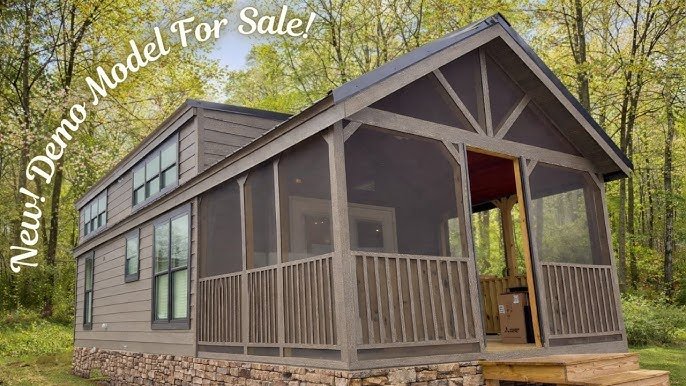
Let’s bust some myths right now. When you think ‘tiny house,’ you might picture some rickety shed on wheels. Nope. Today’s tiny homes are architectural marvels. We’re seeing sleek, modern designs, rustic cabins, and everything in between. Customization is key. People are fitting their personalities, their hobbies, and their needs into these compact spaces. We’re talking built-in bookshelves, clever Murphy beds, multi-functional furniture – it’s seriously ingenious stuff. Forget cramped and dingy. Think cozy and chic.
Builders are getting seriously creative. Companies are churning out high-quality, well-designed tiny homes that are beautiful and functional. You can get them on foundations or on wheels, ready to be towed to your dream location. The interior finishes? Top-notch. High-end appliances, stylish cabinetry, spa-like bathrooms – you name it. It’s about maximizing every square inch, and trust me, designers are nailing it. It’s proof that small spaces can feel luxurious and incredibly comfortable. You don’t have to sacrifice style for square footage.

Source : youtube.com
The Numbers Don’t Lie: Tiny Homes Mean Big Business
This isn’t just a handful of people playing house. The tiny home industry is exploding. Reports are showing massive growth. According to one industry analysis, the tiny homes market is projected to reach a staggering $17.73 billion by 2030. That’s not pocket change! We’re talking about a serious economic shift. Companies like Tiny SMART House, Boxabl, and Tumbleweed Tiny House are leading the charge, offering iovative solutions for a growing demand. This boom signals a fundamental change in how people view housing and personal finance. It’s a legitimate, rapidly expanding sector, and it’s only going to get bigger. Keep an eye on this space; it’s where the action is.
The demand for affordable housing is through the roof, and tiny homes are stepping up to the plate. They’re a practical solution for young professionals, retirees, single parents, and anyone looking to downsize their life and their expenses. The tiny homes industry report is a testament to this growing trend, showing a robust future for builders and buyers alike. This isn’t a bubble; it’s a foundational shift in the housing market. It’s driven by real needs and smart solutions, making it a sustainable growth area for years to come.
Navigating the Tiny House Landscape in 2026
So, you’re thinking about jumping on the tiny house bandwagon? Awesome! But like anything, it’s not all sunshine and roses. You’ve got to do your homework. Zoning laws can be a real headache. Some areas are super welcoming, while others… not so much. You’ll need to research where you can legally place your tiny home. Some states and even cities are creating specific regulations for Accessory Dwelling Units (ADUs) or tiny homes on wheels (THOWs). It’s a patchwork, so due diligence is key.

Source : autoevolution.com
Financing can also be a hurdle. Traditional mortgages aren’t always an option for tiny homes, especially if they’re on wheels. You might need to look into RV loans, personal loans, or specific tiny home financing options. Don’t get discouraged, though. The industry is evolving, and more lenders are recognizing the value and viability of tiny homes. Building codes and insurance are other areas to research thoroughly. Understanding these regulations upfront will save you a ton of headaches down the road. It’s crucial to be prepared.
The Future is Tiny (and Awesome!)
The return of the tiny house movement in 2026 isn’t just about saving money or the environment, though those are huge perks. It’s about a redefinition of success. It’s about prioritizing experiences over possessions, freedom over debt, and intentional living over mindless consumption. Tiny homes offer a pathway to a simpler, more sustainable, and arguably, a richer life. So, if you’ve been feeling the pull towards less stuff and more living, maybe it’s time to seriously consider going tiny. It’s a movement that’s here to stay, and it’s only getting better.
Frequently Asked Questions About Tiny Homes
What states will pay you to build a tiny home?
Okay, so ‘pay you’ might be a bit strong. It’s more like there are programs and incentives in certain states that make building or living in a tiny home easier and more affordable. For instance, some areas offer tax credits or grants for building Accessory Dwelling Units (ADUs), which tiny homes often fall under. States like Oregon and Colorado have been more progressive with zoning laws, making it simpler to get permits. Some cities might even have specific initiatives to encourage tiny home development as a solution for affordable housing shortages. It’s not direct cash, but it’s definitely financial encouragement.
Are tiny homes really cheaper in the long run?
Short answer? Usually, yes. While the upfront cost of a custom tiny home can still be significant ($30,000-$100,000+), the long-term savings are huge. Think drastically lower utility bills (electricity, water, heating/cooling), minimal property taxes, and often, no mortgage if you pay cash or finance through a personal loan. Compare that to the hundreds of thousands, or even millions, for a traditional house, plus ongoing maintenance and utilities. The cost of living in a tiny home is undeniably lower over time.
What are the biggest challenges of tiny house living?
Honestly? Storage space is the obvious one. You gotta get ruthless about decluttering. Then there’s the legal maze: zoning laws and building codes vary wildly and can be a real headache to navigate. Finding a legal place to park or build your tiny home is often the biggest hurdle. Socially, some people might find it challenging if they’re used to a lot of personal space or entertaining large groups regularly. And of course, dealing with the occasional RV-style plumbing or utility hookups can be a bit fiddly. It requires a certain mindset and willingness to adapt.
How do you get internet and utilities in a tiny house?
It totally depends on whether your tiny house is on wheels or on a foundation. If it’s on a foundation and coected to the grid, you’ll get standard utilities like any other home. If it’s a THOW (Tiny House On Wheels) or off-grid, it gets more creative. For utilities, think propane tanks for cooking/heating, solar panels for electricity, and composting toilets to handle waste. For internet, you’ve got options: mobile hotspots, satellite internet, or sometimes you can arrange for a hookup if you’re parked legally on someone’s property or in a dedicated tiny home community. It requires a bit more plaing, but it’s definitely doable.
Can you get a mortgage for a tiny house?
This is where it gets tricky. Getting a traditional mortgage like you would for a stick-built house is tough, especially for Tiny Houses on Wheels (THOWs), because they’re often classified as RVs. However, it’s not impossible! Many people finance their tiny homes through personal loans, RV loans, or specialized tiny home loans offered by a growing number of credit unions and lenders. Some companies also offer in-house financing. The key is research and understanding that the financing landscape is different from traditional housing. You might need a good chunk of cash for a down payment too.