Peptides & The Future Of Tissue Repair
Forget sci-fi. We’re talking about something real, something happening right now. Peptides. You’ve probably heard the buzzwords – ‘longevity,’ ‘muscle growth,’ ‘healing.’ But what’s the actual story behind these tiny protein fragments? Especially when it comes to fixing damaged tissues? It’s not just about looking younger or getting ripped. It’s about rebuilding what’s broken, at a molecular level. And trust me, the science is getting seriously exciting. We’re on the cusp of a major leap in how we heal.
Source : biomatik.com
Think about it. Your body is a complex machine. When parts break down – whether it’s a torn ligament, a damaged organ, or skin that just won’t heal – how does it fix itself? Mostly through proteins, right? Well, peptides are like the building blocks of those proteins. They’re short chains of amino acids, the fundamental units of life. And scientists are figuring out how to use them, or synthetic versions of them, to give our bodies a serious assist. It’s like giving your repair crew super-powered tools.
The Tiny Titans: What Exactly Are Peptides?
Okay, let’s get a little nerdy for a sec. Amino acids link up to form proteins. Peptides are just shorter links – think of them as mini-proteins. Some occur naturally in your body, doing all sorts of jobs. Others, we can synthesize in a lab. And that’s where the real magic starts for tissue repair. These lab-made peptides can be designed to do very specific things. They’re not just general repair guys; they’re specialists. Like a surgeon, not a handyman.
Why are these little guys so important? Because they act as signaling molecules. They tell your cells what to do. Need more collagen? Tell your fibroblasts. Need to reduce inflammation? Send in the calm-down peptides. They’re the messengers that keep the whole cellular operation ruing smoothly. Without them, your body’s repair systems would be pretty much clueless. It’s a complex communication network, and peptides are the VIPs.
Nature’s Blueprint: How Peptides Work Naturally
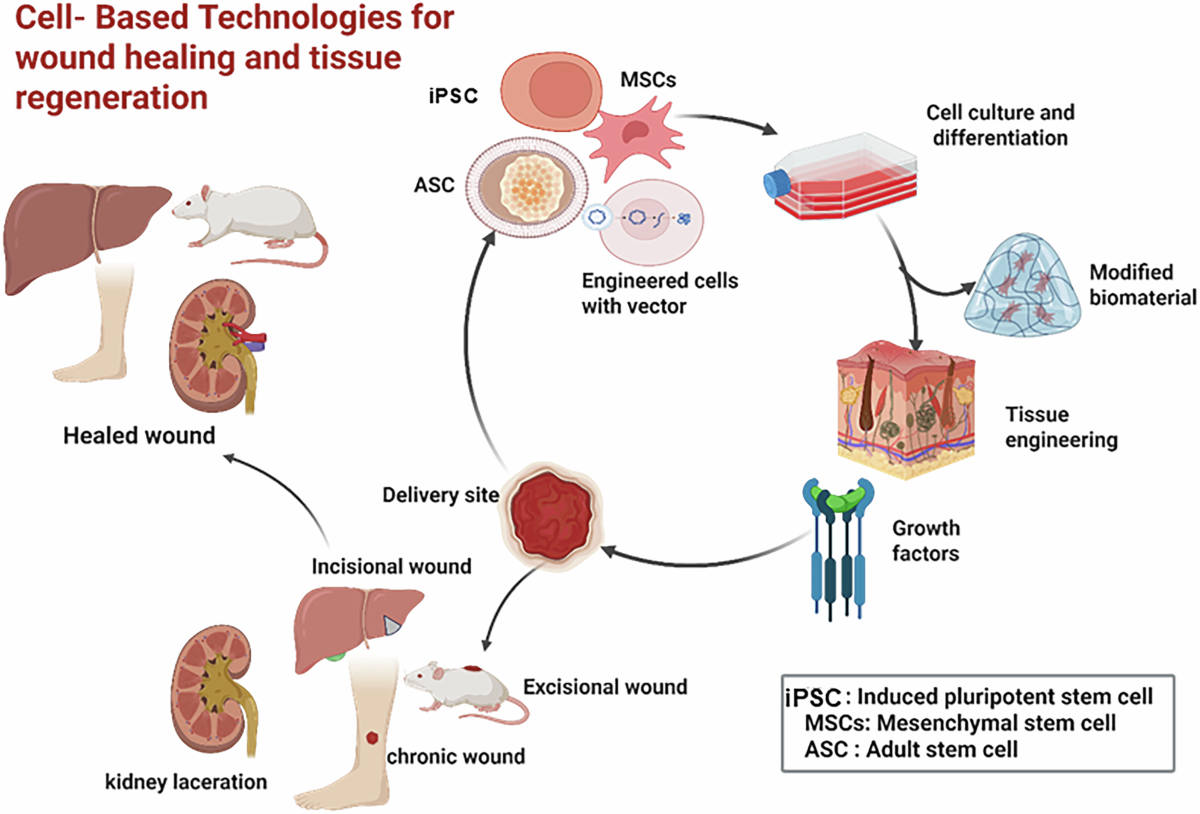
Your body is already a peptide factory. Growth factors, hormones like insulin – these are all peptides. They regulate everything from cell growth and metabolism to immune responses. When you get injured, your body kicks into high gear, releasing specific peptides to start the healing process. Think of a scraped knee. Your body sends out the signals: ‘Hey, we need to close this up! Bring on the new skin cells!’ It’s a beautifully orchestrated dance of biological signals.
Source : nature.com
These natural peptides direct cells to the injury site, tell them to multiply, and help rebuild the damaged tissue. They signal for new blood vessels to form (angiogenesis) and help clear away debris. It’s an incredibly efficient system. But sometimes, our natural supply just isn’t enough, especially with severe injuries or chronic conditions. That’s where the science intervention comes in.
The Lab Coat Revolution: Synthesizing Peptides for Repair
This is where things get really interesting for future medicine. Scientists can now design synthetic peptides that mimic or enhance the body’s natural healing signals. They can create peptides that specifically target damaged cells or tissues, telling them to repair and regenerate. It’s like having a highly targeted GPS system for healing.
One area is wound healing. Imagine a peptide that doesn’t just help close a wound, but actively tells the skin cells to regenerate perfectly, leaving minimal scarring. Or peptides that speed up the healing of burns, diabetic ulcers, or even surgical incisions. This isn’t just about faster healing; it’s about better quality healing. Less pain, less scarring, more complete restoration of function. This is the promise of peptide therapy.
Specific Peptides Making Waves in Tissue Regeneration
So, what are some of these miracle peptides? There are tons of them being researched, but a few are really standing out. You’ve got things like BPC-157 (Body Protective Compound). This one’s a real rockstar in the peptide world for healing. Originally studied for gut healing, it’s showing incredible potential for repairing muscles, tendons, ligaments, and even nerves. People report crazy recovery times with it.
Then there’s GHK-Cu, a copper peptide. This little guy is known for its wound healing and anti-inflammatory properties. It also helps with skin regeneration, boosting collagen and elastin production. Think smoother, younger-looking skin, but also faster healing of cuts and scrapes. It’s like a two-for-one deal for your tissues. It really highlights the versatility of these molecules.
And let’s not forget peptides involved in stimulating stem cell activity or directing immune responses. Research into thymosin beta-4, for instance, shows its potential in promoting tissue repair and regeneration, particularly in the heart and eyes. The key here is specificity. These peptides aren’t just throwing random signals out there; they’re sending targeted instructions. It’s precise work.
Beyond the Hype: The Science Behind the Claims
Source : medicalxpress.com
Okay, so we hear a lot of exciting stuff, but is it all legit? The reality is, while the potential is massive, much of this is still in the research and development phase. Many studies are preclinical (done in labs or on animals), and human trials are ongoing for specific applications. You can’t just inject yourself with any old peptide and expect miracles. There’s a lot of nuance here.
However, the underlying science is solid. The mechanisms by which these peptides communicate with cells are well-understood. For example, the way GHK-Cu interacts with growth factors is established science. The challenges often lie in delivery methods, dosage, and ensuring long-term safety and efficacy in humans. It’s a marathon, not a sprint, but the starting gun has fired.
We need to be discerning. Not every ‘peptide’ product on the market is created equal, and some claims are definitely overblown. But dismissing the entire field because of a few dodgy products would be a mistake. The core research, the scientific validation, is compelling. We’re seeing real biological processes being influenced in controlled ways.
The Cutting Edge: Nanotechnology and Peptide Delivery
One of the biggest hurdles in peptide therapy is getting the peptides where they need to go in the body, and making sure they survive long enough to do their job. That’s where nanotechnology is stepping in. Imagine tiny little delivery vehicles, like microscopic submarines, that can carry peptides directly to the damaged tissue. This is not science fiction anymore.
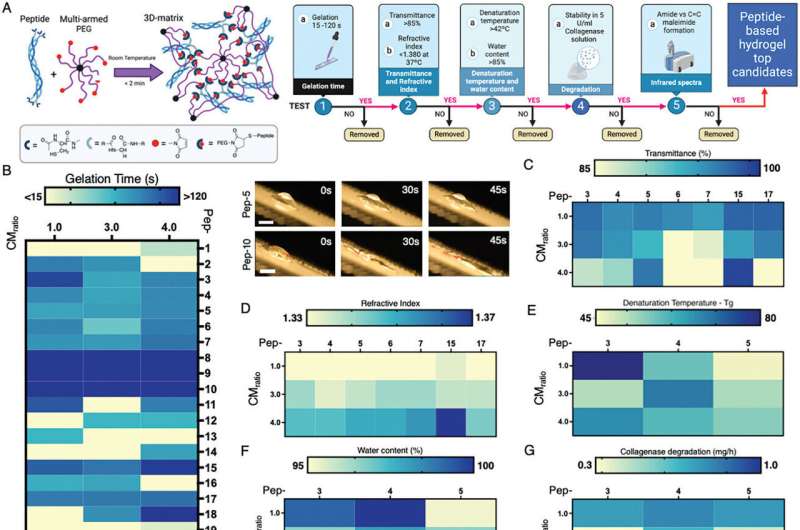
Researchers are developing peptide-based nanoparticles and hydrogels. These can be designed to release their payload of therapeutic peptides in a controlled maer, right at the site of injury. This not only increases the effectiveness of the peptide but also minimizes potential side effects elsewhere in the body. It’s about precision targeting at its finest.
Think about using these nanocarriers to deliver peptides to repair cartilage in a knee joint, or to help rebuild damaged heart muscle after a heart attack. This level of targeted delivery could revolutionize how we treat a vast range of conditions, from chronic diseases to acute injuries. The synergy between peptides and nanotechnology is truly groundbreaking.
Regenerative Medicine’s New Frontier
So, what does this all add up to? We’re looking at a future where healing isn’t just about patching things up, but about true regeneration. Replacing damaged cells and tissues with healthy new ones, guided by precisely engineered peptides. This could mean faster recovery from surgery, better outcomes for athletes with injuries, and potentially even treatments for conditions currently considered irreversible.

Source : link.springer.com
It’s a paradigm shift. Instead of just managing symptoms or trying to slow down degeneration, we’re talking about actively reversing damage. This is the essence of regenerative medicine, and peptides are poised to be a central pillar. It’s about restoring function, improving quality of life, and potentially even extending lifespan by keeping our bodies in better repair.
Consider the possibilities for degenerative diseases like arthritis or conditions affecting the nervous system. If we can use peptides to stimulate the body’s own repair mechanisms, or even introduce new healthy tissue, the impact could be profound. It’s an incredibly hopeful prospect for millions of people worldwide.
Challenges and the Road Ahead
Now, it’s not all smooth sailing. There are hurdles. Cost is a big one. Developing and manufacturing these sophisticated peptides can be expensive, potentially making treatments inaccessible to many. Then there’s the regulatory landscape. Getting new therapies approved takes time, rigorous testing, and navigating complex pathways.
And, as I mentioned, the ‘DIY peptide’ scene online? It’s a minefield. Using unregulated peptides carries risks. It’s crucial to rely on qualified medical professionals and evidence-based treatments. Self-experimentation can be dangerous. Stick to what’s proven and supervised.
We also need more large-scale, long-term human studies. While the initial results are promising, understanding the full picture of safety and efficacy is paramount. It’s about building a strong, evidence-based foundation for this exciting new field. The journey is just begiing, but the potential is undeniable.
The Human Element: What This Means for You
For the average person, what does this peptide revolution mean? It means hope. Hope for faster healing after an injury. Hope for better recovery from surgery. Hope for managing chronic conditions more effectively. It could mean less downtime, less pain, and a better quality of life as we age.
Think about athletes recovering from ACL tears in weeks instead of months. Or someone with a persistent wound finally seeing it heal completely. Or even just improving joint health to stay active longer. These are the tangible benefits we’re talking about. It’s about keeping your body ruing at its best, for longer.
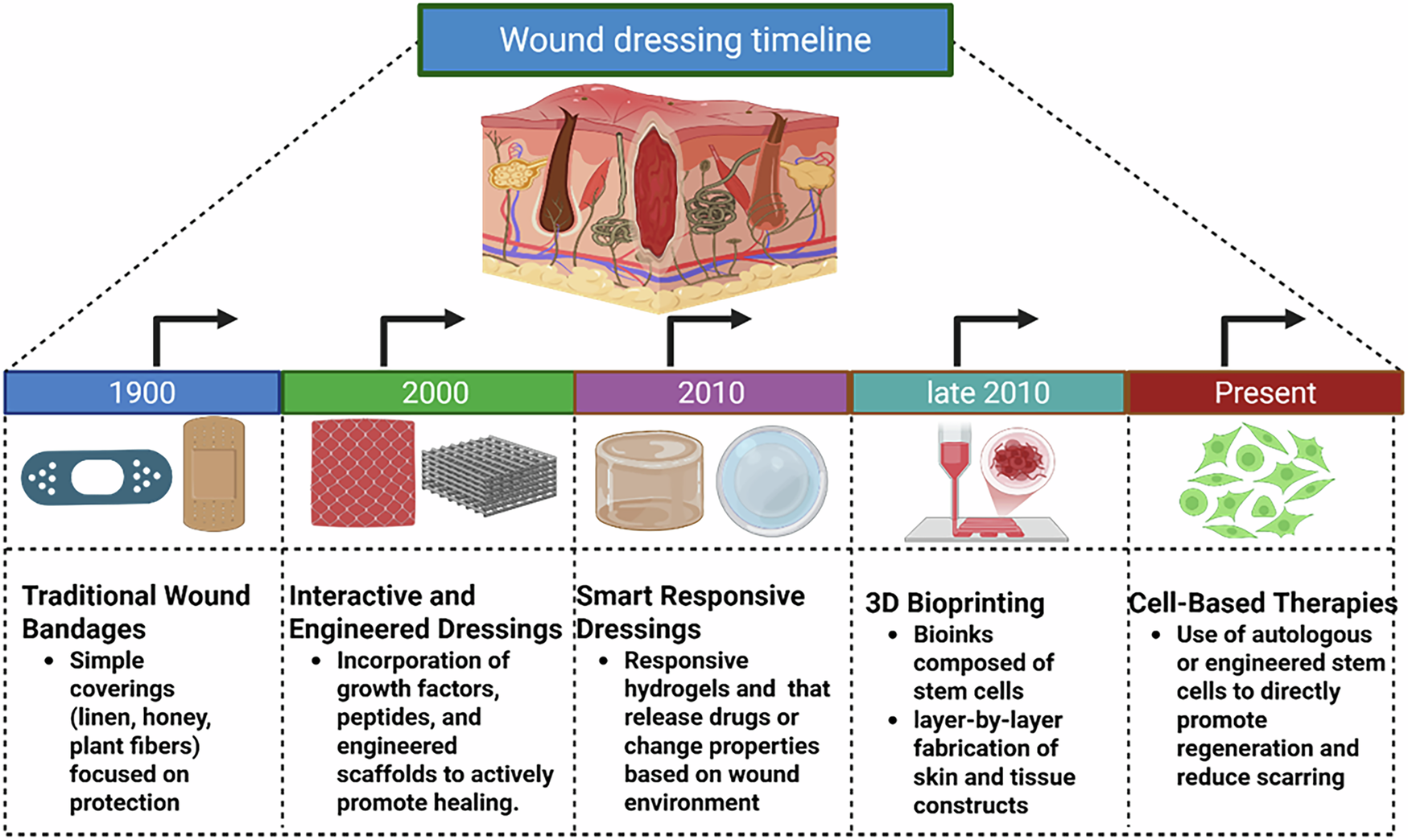
Source : nature.com
It’s crucial to stay informed, but also to be patient and critical. The field is moving fast, and what seems like science fiction today could be standard medical practice tomorrow. Keep an eye on developments, talk to your doctor about potential future therapies, and remember that advances take time.
The Final Word: A Future Built on Peptides
Peptides are no longer just a niche area of scientific research. They represent a powerful new toolkit for understanding and manipulating biological processes, especially when it comes to tissue regeneration. From encouraging cellular repair to directing complex healing cascades, their potential is immense.
We’re witnessing the dawn of an era where medicine moves beyond simply treating symptoms to actively rebuilding and restoring the body. The convergence of peptide science, nanotechnology, and regenerative medicine is setting the stage for transformative therapies. It’s an exciting time to be alive and witness these medical breakthroughs unfold.
So, while the hype needs careful navigation, the underlying science driving peptide research for tissue repair is incredibly strong. Get ready, because the future of healing is looking smaller, more precise, and unbelievably powerful. It’s all about these tiny, mighty molecules. The potential is simply staggering.
Frequently Asked Questions
What is the best peptide for tissue regeneration?
That’s the million-dollar question, and honestly, there isn’t one single ‘best’ peptide for all tissue regeneration. It really depends on what you’re trying to regenerate! For general healing, muscle, tendon, and ligament repair, BPC-157 is getting a ton of attention and showing amazing results in anecdotal reports and early studies. Then you have copper peptides like GHK-Cu, which are fantastic for skin regeneration and wound healing. For more complex issues, researchers are looking at others like Thymosin Beta-4. It’s all about specificity – different peptides signal different cells to do different jobs. You really need to work with a doctor to figure out what’s appropriate for your specific needs.
Can peptides help heal bone fractures faster?
The short answer? Potentially, yes! Bone healing is a complex process involving cell signaling and mineralization, and researchers are exploring how specific peptides can influence this. Some studies suggest peptides can promote osteoblast (bone-building cell) activity and enhance the overall healing cascade. While it’s not yet a standard treatment for bone fractures, it’s a very active area of research within regenerative bone therapies. Keep an eye on this space!
Are there peptides that help repair nerve damage?
Yes, this is another incredibly promising area for peptide research! Nerve damage, whether from injury or disease, is notoriously difficult to treat. However, peptides like BPC-157 have shown potential in animal studies to aid nerve regeneration and improve functional recovery. Other peptides are being investigated for their ability to protect neurons from damage and support the growth of new nerve coections. It’s a long road, but the potential to help people recover from things like spinal cord injuries or stroke is huge.
How are peptides different from stem cells in tissue repair?
Think of it like this: Stem cells are the ‘master cells’ that can differentiate into various cell types and are crucial for building new tissue. Peptides, on the other hand, are more like the ‘instruction manuals’ or ‘foremen’ on the construction site. They don’t necessarily become new tissue themselves, but they send critical signals that tell your body’s cells (including stem cells!) what to do, where to go, and how to build or repair tissue effectively. Often, they work together – peptides can help direct stem cell activity for optimal repair.
What are the risks of using peptides for healing?
This is super important. When you’re talking about unregulated peptides bought online, the risks are significant. You don’t know the purity, the dosage, or even if you’re getting what you think you’re getting. Contamination is a real concern. Potential side effects could range from allergic reactions to unknown long-term health impacts. That’s why it’s crucial to only consider peptides used in clinical research or prescribed by a qualified healthcare professional who understands peptide therapies. Don’t mess around with your health!