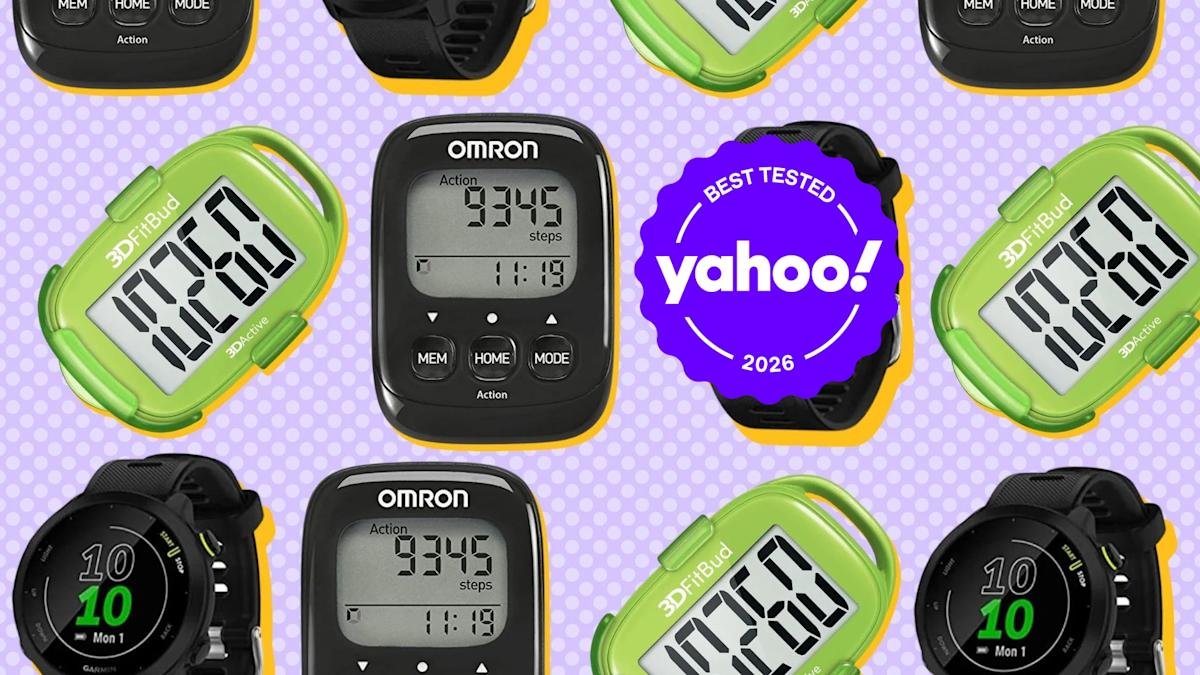
Wearable Tech in 2026: Way Past Step Counting
Remember when fitness trackers were just glorified pedometers? Yeah, me too. It feels like a lifetime ago. Now? We’re talking about devices that could practically tell you when you’re about to sneeze. The wearable tech game in 2026 is shifting gears, and honestly, it’s about time. We’re moving beyond just logging your daily stroll to some seriously sophisticated health monitoring. It’s no longer just about hitting 10,000 steps; it’s about understanding your body on a whole new level. This isn’t just a trend; it’s a fundamental change in how we interact with our own well-being.

Source : health.yahoo.com
This massive leap isn’t happening in a vacuum. It’s fueled by a growing awareness that our health is our ultimate wealth. People are sick of generic advice. They want data. They want insights. They want to know what’s actually going on inside their bodies, not just guess. And they want it accessible, right there on their wrist or wherever they decide to slap their latest gadget. This demand for personalized health intelligence is the engine driving this revolution. The future of health is personal, and wearables are leading the charge.
The Humble Beginnings: More Than Just Steps
Let’s not forget where we came from, though. Those early fitness bands, they were a start. Simple, yes, but they planted a seed. Suddenly, we were all a little more aware of our activity levels. It was the first tiny step towards taking ownership of our health through technology. Think back to the Fitbit craze. Everyone had one. Suddenly, conversations turned to step counts, active minutes, and who could out-walk whom. It was basic, but it was a hook. A tangible way to engage with health data.
But let’s be real, counting steps only gets you so far. It’s like driving a car by only looking at the odometer. You know how far you’ve gone, but not much else. The industry realized this. Consumers realized this. We craved more. We wanted to know about our sleep quality, our heart rate variability, even the stress levels bubbling beneath the surface. The demand for deeper insights was building, and the tech had to catch up. Thankfully, it did.
The Health Tech Explosion of 2026
Fast forward to today. The wearable health tech market is absolutely booming. Forget step counters; we’re talking about devices that can track blood oxygen levels, monitor ECGs, and even detect early signs of illness. It’s like having a tiny doctor strapped to your body, 24/7. The amount of data these gadgets are collecting is staggering, and its potential for revolutionizing healthcare is immense. Experts agree: the wearable tech boom is here to stay, and it’s getting smarter by the minute. You can see just how much this sector is growing by looking at the latest reports; for instance, why wearable health tech is booming.
This isn’t just about consumers chasing the latest gadget, either. Healthcare providers are starting to see the value. Imagine a doctor having real-time data on a patient’s condition instead of relying on sporadic check-ups. That’s powerful. It allows for proactive intervention, better treatment plans, and ultimately, improved patient outcomes. It’s a win-win, a true revolution in health. This shift means we’re moving from a reactive healthcare model to a more proactive and personalized one. As one health source put it, how wearables are revolutionizing health is a story still unfolding, but the impact is undeniable.
What’s Actually New on Your Wrist?
So, what exactly are these new marvels capable of? It’s a pretty wild list:
Advanced Heart Monitoring
Beyond just a simple heart rate reading, new wearables offer continuous ECG monitoring, atrial fibrillation detection, and blood pressure estimations. It’s like having a cardiologist on call, all the time. Knowing your heart’s rhythm is crucial.
Sleep Tracking That Actually Matters
Forget just knowing how long you slept. These devices analyze sleep stages (light, deep, REM), breathing patterns, and even skin temperature variations to give you a truly comprehensive picture of your sleep health. It’s more than just counting hours; it’s about sleep quality analysis.
Stress and Recovery Insights
Using metrics like heart rate variability (HRV) and electrodermal activity (EDA), wearables can now give you real-time feedback on your stress levels and guide you through calming exercises. It’s about understanding your body’s response and finding ways to manage it. This offers serious stress management tools.
Blood Glucose Monitoring (Non-Invasive)
This is the holy grail for many. While still evolving, some devices are getting closer to accurate, non-invasive blood glucose tracking, a game-changer for diabetes management. Imagine ditching the finger pricks! It’s a huge leap for diabetes care technology.
Environmental Sensors
Some high-end wearables are starting to incorporate sensors for things like UV exposure and air quality, helping you make smarter decisions about your environment and protect yourself from potential harm. Being aware of your environmental exposure is key.
Nutrition and Hydration Tracking
While not direct measurement yet, smart reminders and integrations with food logging apps are making it easier to track intake and ensure adequate hydration. It’s about building healthier habits around daily nutrition intake.
It’s a far cry from just counting steps, right? The sophistication here is what’s exciting. It’s about getting granular, personal data that you can actually use to make tangible improvements to your health and well-being. The era of the simple pedometer is over. Welcome to the age of the intelligent health companion.
Smart Rings: The Subtle Sleep Trackers Taking Over

Source : amazon.com
Forget those clunky smartwatches that scream “tech gadget!” The real action in 2026? It’s happening on your finger. Smart rings are quietly becoming the stealth weapon for understanding your body, especially your sleep. Think Oura Ring, but better, and with more options popping up faster than you can say “REM cycle.” These little gizmos pack serious sensors into a package you’ll forget you’re even wearing.
The Silent Sleep Revolution
These aren’t just fancy mood rings. They’re collecting detailed sleep data – heart rate variability, body temperature, movement. All night. Every night. It’s like having a personal sleep scientist on your hand, no appointment needed. And frankly, who wants to strap a watch on for 8 hours?
Beyond Sleep: Daily Health Insights
Sure, sleep is huge, but smart rings are stepping up. They’re starting to offer activity tracking that’s surprisingly accurate for a device that small. Plus, features like stress monitoring and readiness scores are giving users a clearer picture of their overall well-being. It’s about holistic health at a glance, or rather, at a finger-tap.
Why Rings Rule for Data Nerds
The beauty of a ring is its constant, intimate contact with your skin. This means more reliable data points. We’re talking about accurate biometric readings that older, bulkier devices struggled with. Imagine understanding your recovery day-to-day, not just guessing. That’s the power these rings are bringing to the table.
Wearable Tech for Monitoring Vital Signs in Cancer Patients
Source : zeamhealth.com
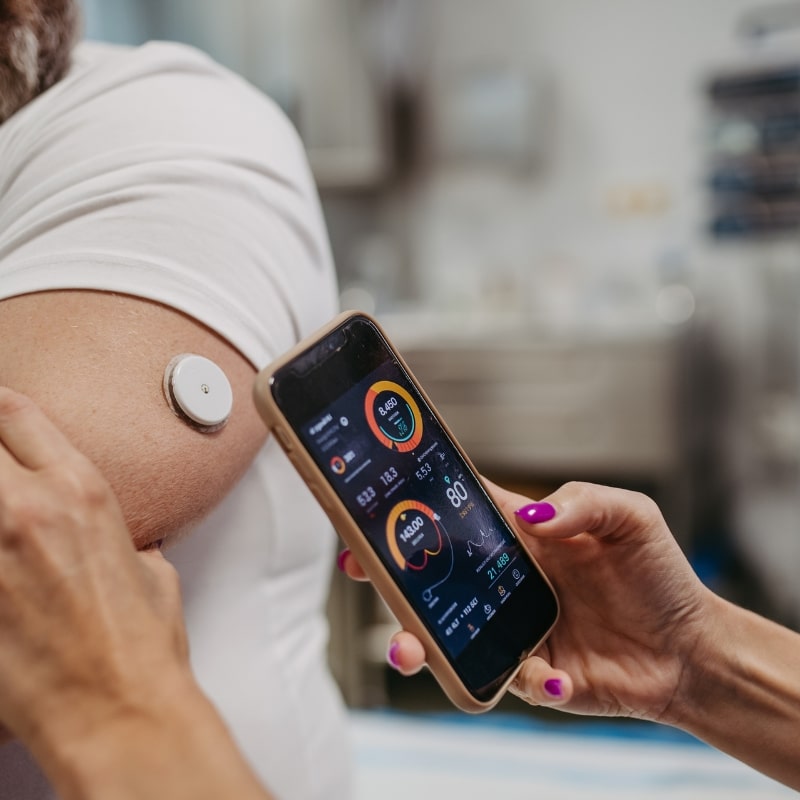
This is where wearable tech stops being a novelty and starts being a lifesaver. For cancer patients, continuous monitoring isn’t just convenient, it’s crucial. Forget clinic visits every week; imagine real-time data being sent straight to the oncology team. That’s not science fiction anymore.
Continuous Vital Sign Tracking
We’re talking about wearables that meticulously track core body temperature, blood oxygen levels, heart rate, and even respiratory rate. For someone undergoing treatment, small changes can indicate big problems. This tech flags those shifts before they become critical. It’s about proactive care.
Early Detection of Complications
Think about chemotherapy side effects. Nausea is one thing, but a sudden drop in oxygen or an irregular heartbeat? That needs immediate attention. These devices provide that real-time patient data, allowing doctors to intervene faster, potentially preventing hospitalizations.
Improving Quality of Life During Treatment
The mental load of cancer treatment is immense. Not having to constantly worry about whether you’re getting worse, or knowing that your medical team is alerted to any significant change, can be incredibly freeing. It helps patients feel more in control of their health during a chaotic time.
Smart Clothing: Biometric Fabrics of the Future
Source : vocal.media
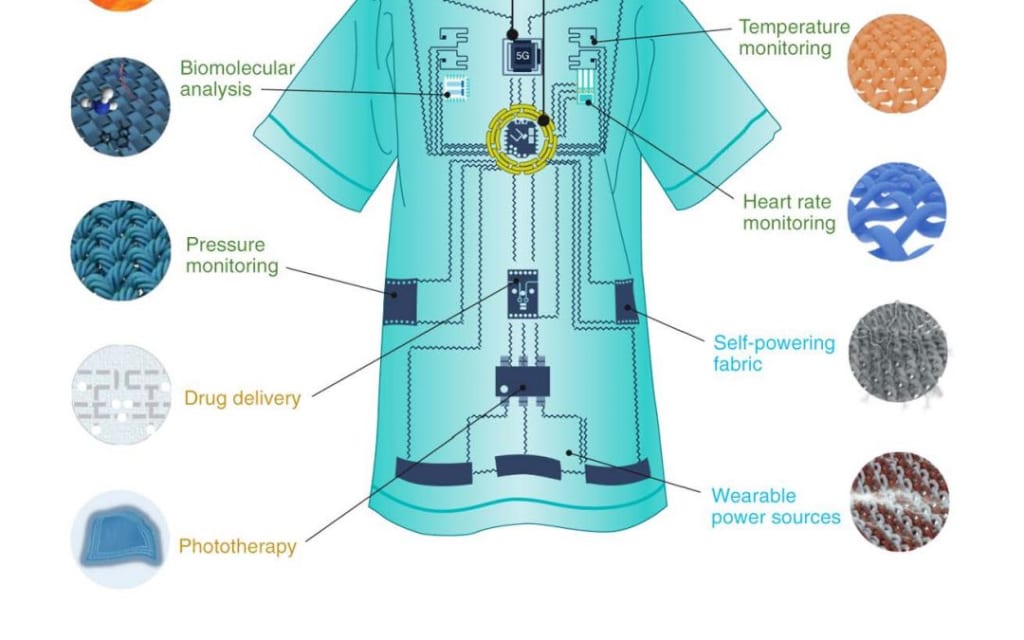
Clothes that work. Sounds crazy, right? But picture this: your workout shirt is actually monitoring your EKG, or your socks are tracking your gait. This isn’t just about comfort; it’s about embedding health-monitoring technology directly into what you wear every single day. The fabric of the future is alive with sensors.
Seamless Integration, Maximum Data
The biggest win here is the lack of extra devices. No need to remember a watch or a chest strap if your shirt does the job. These biometric fabrics use conductive threads and tiny sensors woven right in. It’s all about capturing data without you even noticing you’re doing it. Effortless tracking is the name of the game.
Performance and Health Under One Roof
For athletes, this is huge. Imagine real-time feedback on your running form, your heart rate zones, even muscle fatigue, all fed directly into an app. But it goes beyond sports. Think about elderly individuals whose clothing could alert caregivers to falls or unusual inactivity. Smart apparel means smarter living.
Challenges and the Road Ahead
Of course, it’s not all smooth sailing. Washing these clothes is a hurdle (special cycles, anyone?). And durability is key. Can these sensors last through hundreds of washes? Plus, getting consumers comfortable with the idea of their clothes collecting data is another big step. But the potential is undeniable.
The Rise of Haptic Feedback Wearables in VR
Source : nature.com
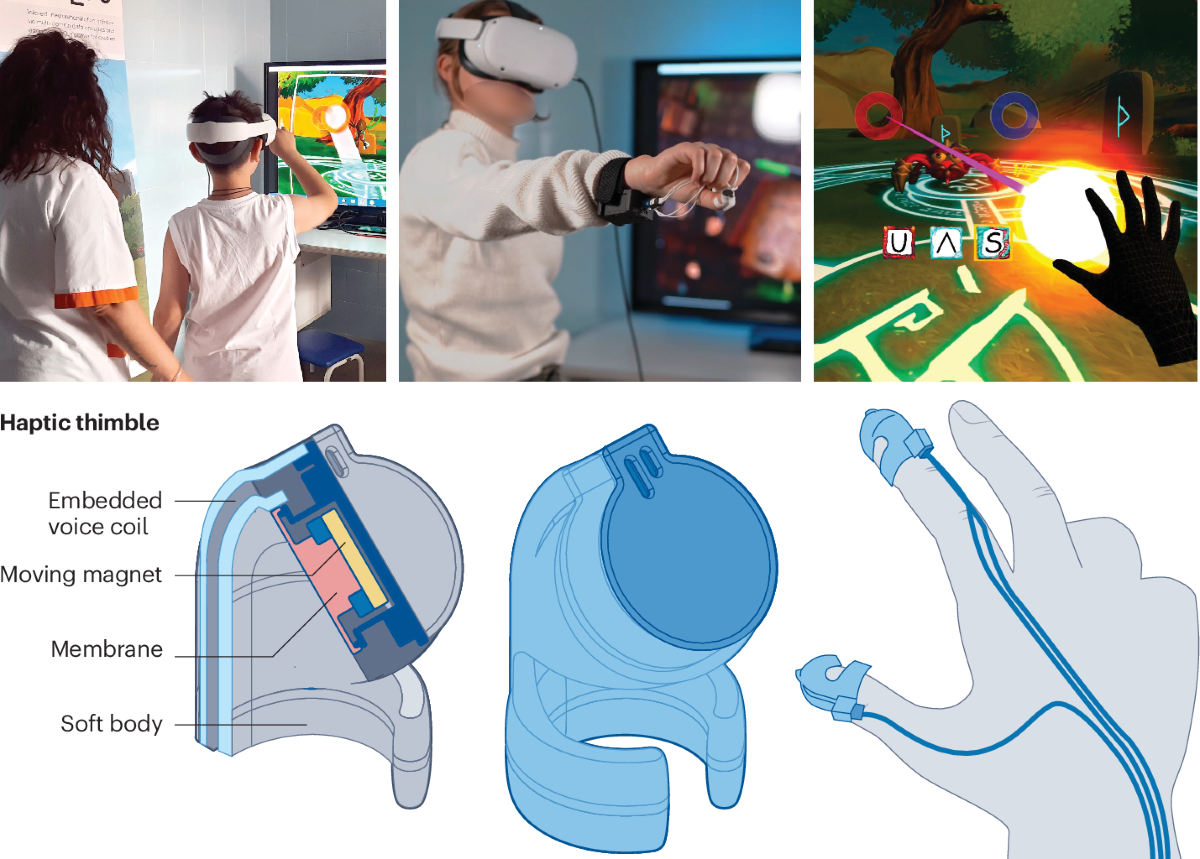
Virtual reality is cool. But it’s still missing a crucial element: touch. Or, more accurately, feeling that touch. That’s where haptic feedback wearables come in. We’re talking gloves, vests, even full-body suits that let you feel the virtual world. It’s the next frontier in immersive entertainment and training.
Feeling the Virtual World
Imagine playing a VR game where you can actually feel the recoil of a weapon, the impact of a punch, or the texture of an object you pick up. These haptic devices use a network of actuators – tiny motors or vibrators – to simulate sensations on your skin. It’s about making VR feel real.
Training and Simulation Gets Serious
Beyond gaming, this tech has massive implications for training. Surgeons can practice complex procedures with realistic tactile feedback. Engineers can “feel” the components they’re assembling. This level of immersion makes virtual training far more effective and engaging.
Beyond the Buzz: Practical Applications
While gaming gets the headlines, think about remote surgery or even social VR experiences. Being able to convey touch and texture opens up entirely new ways to interact. It’s not just about feeling a virtual high-five; it’s about creating a richer, more connected digital experience. Immersive VR is evolving.
Why Smart Patches Are the Next Big Diabetes Tech

Source : youtube.com
Managing diabetes often means constant vigilance. Needles, finger pricks, constant calculations. It’s a huge burden. But smart patches are changing the game, offering a less invasive, more integrated way to monitor glucose levels and even deliver insulin. This is a huge leap for diabetes management.
Continuous Glucose Monitoring (CGM) Evolution
Traditional CGMs are already great, but smart patches are taking it up a notch. These small, discreet devices stick to the skin and continuously measure glucose levels in interstitial fluid. No more painful finger pricks multiple times a day. It’s about unobtrusive health monitoring.
Automated Insulin Delivery
The holy grail for many diabetics is the “closed-loop system” or artificial pancreas. Smart patches are key players here. They communicate with an insulin pump, automatically delivering the right dose of insulin based on real-time glucose readings. This automated diabetes care drastically reduces the daily management burden.
Data for Better Health Decisions
These patches don’t just measure; they store data. This allows patients and their doctors to see trends, identify patterns, and make more informed decisions about diet, exercise, and medication. It puts powerful insights right at their fingertips, leading to improved diabetes outcomes.
| Wearable Type | Primary Use Case (2026) | Key Technology | User Benefit |
|---|---|---|---|
| Smart Rings | Advanced Sleep Tracking & Readiness | HRV sensors, Temp sensors, Accelerometers | Improved sleep, better energy management |
| Vital Sign Monitors (Patches/Wearables) | Chronic Disease Monitoring (e.g., Cancer, Diabetes) | ECG, SpO2 sensors, Continuous Glucose Monitors (CGMs) | Early complication detection, proactive treatment |
| Smart Clothing | Integrated Biometric Tracking (Fitness/Health) | Conductive threads, embedded micro-sensors | Effortless, continuous data collection |
| Haptic Wearables | Immersive VR/AR Experiences, Training | Actuator arrays, vibration motors | Enhanced sensory feedback, realistic simulation |
| Smart Patches | Diabetes Management (CGM & Insulin Delivery) | Electrochemical glucose sensors, micro-needles (for delivery) | Reduced burden, automated insulin dosing |
Frequently Asked Questions
-
Will my old fitness tracker still work in 2026?
Look, your trusty step tracker will probably still count steps, yeah. But the real magic? That’s happening with the new gear. Think deeper health insights, not just activity logs. Most older devices won’t catch up to the advanced sensors and AI that’ll be standard by 2026. So, it might work, but it’ll be like using a flip phone to stream 4K video – technically possible, but not exactly ideal. You’ll miss out on the cool stuff.
-
What kind of health data will wearables track in 2026?
We’re talking way beyond steps and heart rate. By 2026, expect wearables to be keeping tabs on things like continuous glucose monitoring for everyone, not just diabetics. We’ll see more sophisticated stress level analysis using biosignals, maybe even early indicators for things like dehydration or nutrient deficiencies. Some might even start tracking subtle changes in gait that could predict fall risks in older adults. It’s all about moving from basic activity to genuine health monitoring.
-
Are these advanced health trackers accurate?
That’s the million-dollar question, right? The accuracy is getting ridiculously good, especially for the big metrics. Continuous glucose monitors are already pretty solid, and heart rate tracking is near-perfect for most devices. For newer, more complex stuff like stress or hydration? It’s getting there. They’re not medical-grade diagnostic tools yet, but they’re becoming incredibly reliable for tracking trends and giving you a heads-up. Think of them as super-smart health companions, not your doctor’s primary tool.
-
What about privacy concerns with all this new data?
Yeah, privacy is a HUGE deal here. As these devices collect more sensitive health info, it’s crucial they’re locked down tight. Companies need to be upfront about how your data is stored and used. You should demand strong encryption and clear opt-out options for data sharing. Honestly, if a company isn’t transparent about their data security practices, I’d steer clear. Your health data is gold – protect it like you would your bank account.
-
How will wearable tech integrate with the healthcare system?
Big time! Doctors are already starting to look at the data from patient wearables. By 2026, I bet we’ll see more direct integrations. Imagine your doctor getting alerts if your vital signs show a worrying trend before your next appointment. It could lead to much faster diagnoses and more personalized treatment plans. Think of it as giving your doctor a constant, real-time feed of your well-being. It’s a major healthcare shift waiting to happen.