Mental Health Tactics for the Modern Age
It’s a Jungle Out There. Are You Ready?
Let’s be real. Life’s a circus these days, right? One minute you’re scrolling through Instagram, feeling okay, the next you’re drowning in a sea of news alerts and existential dread. The modern age hit us like a ton of bricks, and our mental health is paying the price. We’re bombarded, overstimulated, and frankly, exhausted. But here’s the kicker: it doesn’t have to be a constant uphill battle. We can actually build some serious resilience, tune out the noise, and start feeling like ourselves again. Ready to find out how?
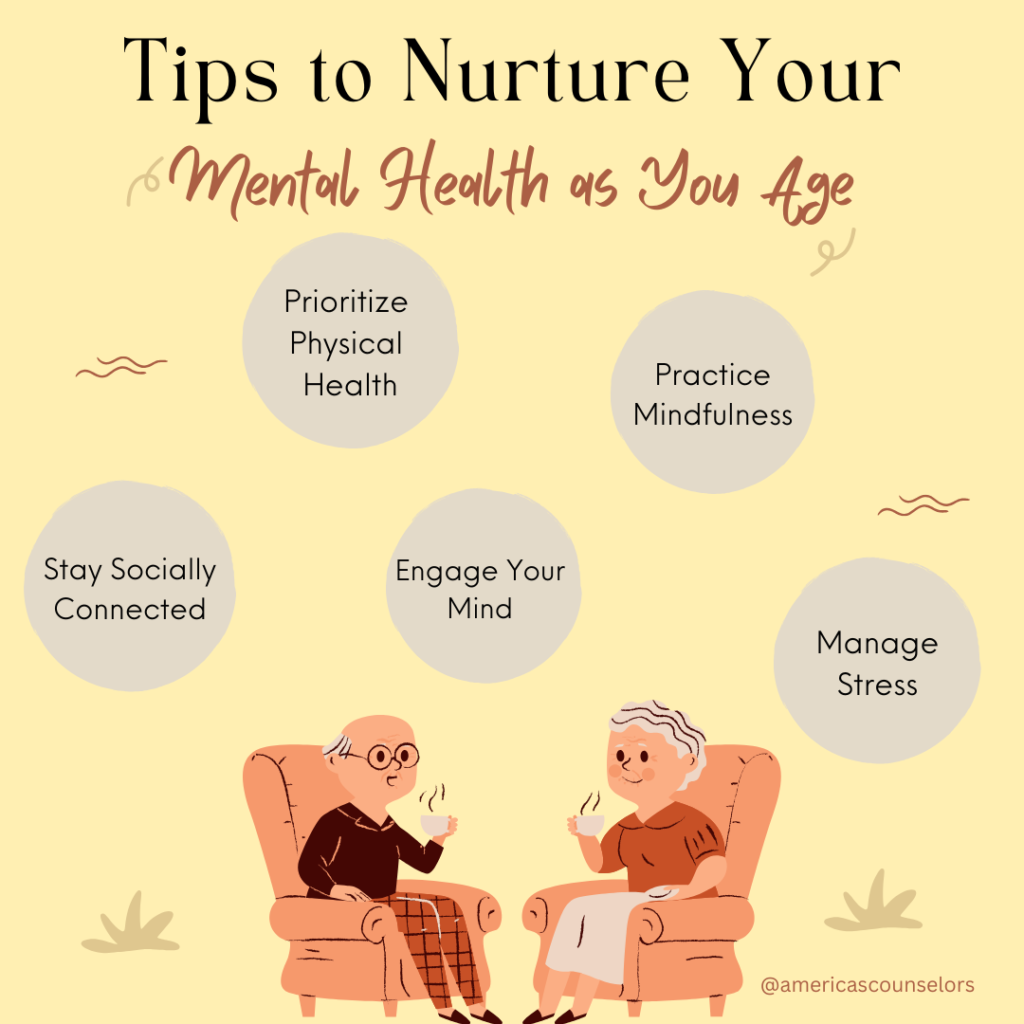
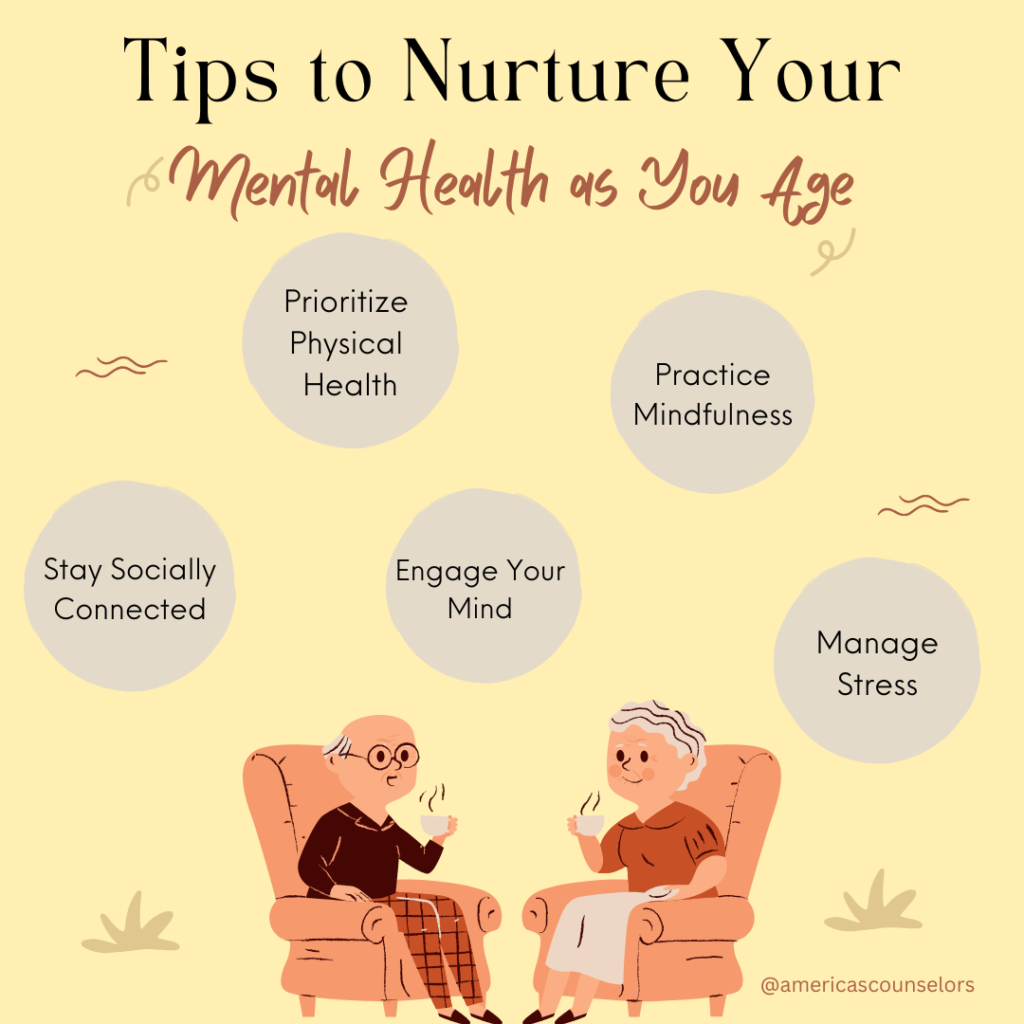
Source : americascounselors.com
The Silent Epidemic: What’s Really Going On?
It feels like everyone’s struggling, doesn’t it? Stress levels are through the roof. Anxiety? Through the dang roof. And don’t even get me started on burnout. This isn’t just a phase; it’s a full-blown epidemic. We’re living faster, pushing harder, and often forgetting that we’re not machines. The constant pressure to perform, to be “on” 24/7, it grinds you down. Burnout is real, and it’s leaving people feeling completely depleted. We’ve normalized the hustle culture so much that taking a break feels like a failure. Big mistake. Huge.
Why Are We So Fried? (Spoiler: It’s Not Just You)
Okay, so why this collective meltdown? Well, for starters, the digital world. It’s a double-edged sword, isn’t it? Amazing for connection, terrible for your sanity if you’re not careful. Endless notifications, the comparison trap on social media, the 24/7 news cycle feeding you doom and gloom. Then there’s the blurring of lines between work and life. My home office is also my kitchen table, my gym, my nap spot. It’s chaos! And let’s not forget the big-picture stuff: economic worries, global instability… it all adds up. This isn’t your grandma’s stress; this is a whole new level of mental strain.
Building Your Mental Fortress: Small Steps, Big Wins
Look, I’m not saying we can magically fix everything overnight. That’s just not how it works. But we can start building a stronger defense. Think of it like reinforcing your home before a storm hits. You don’t wait until the roof is leaking to fix it, right? The same applies to your mind. We need proactive strategies, not just reactive ones. Little tweaks can make a massive difference over time. So, let’s dive into some practical, real-world tactics that actually work. Forget the generic advice; we’re talking about stuff you can actually do, starting now.
My Go-To Mental Health Boosters
When I’m feeling swamped, I pull out my mental toolkit. It’s not fancy, but it’s effective. These are the things I swear by, the little habits that keep me from spiraling. You might have heard some of this before, but maybe hearing it from someone who’s been there, done that, and bought the t-shirt will make it click. It’s all about consistency, finding what resonates with you, and actually making time for it. Seriously, schedule it if you have to!
Move Your Body, Clear Your Head
This is non-negotiable. I don’t care if you hate exercise. You need to move. Even a 15-minute walk around the block can change your entire mood. Seriously, the physical activity is crucial. It releases endorphins, those feel-good chemicals. Plus, it gets you out of your head and into your body. I’m talking about a brisk walk, dancing in your living room, some quick yoga stretches. Anything. Just get off your butt. It’s a proven way to reduce stress and anxiety. Don’t overthink it, just do it.
Mindfulness: More Than Just a Buzzword
Okay, okay, I know. Everyone’s talking about mindfulness. But there’s a reason for that. It’s about being present, not letting your thoughts run wild. It doesn’t mean you have to sit cross-legged chanting for hours (unless you want to!). Start small. Take a few deep breaths before a stressful meeting. Pay attention to the taste of your coffee. Notice the world around you on your walk. It’s about training your brain to focus on the ‘now,’ not the endless ‘what ifs.’ It’s a skill, and like any skill, it gets better with practice. For some great tips, check out Mental Health America’s resources.
Connect With Your People
Humans are social creatures. We need connection. When you’re feeling low, it’s tempting to isolate yourself, right? Resist that urge. Call a friend. Text your sibling. Grab coffee with a colleague. Even a quick chat can make a world of difference. Sharing what you’re going through, or just talking about anything but your problems, can be incredibly therapeutic. Real, genuine connection is powerful. It reminds you that you’re not alone in this crazy world. Don’t underestimate the power of human connection.
Get Some Damn Sleep!
Seriously. If you’re not sleeping, you’re running on fumes. And when you’re running on fumes, your mental health takes a nosedive. Aim for 7-9 hours. Create a bedtime routine. Make your room a sanctuary for sleep. Put the phone away an hour before bed. I know, I know, easier said than done. But sleep deprivation messes with everything – your mood, your focus, your ability to cope. It’s foundational. Without it, all other tactics will feel like pushing a boulder uphill. Don’t neglect your nightly rest.
Journaling: Your Brain’s Dumpster
Got racing thoughts? A swirling mess of worries? Grab a notebook. Just start writing. It doesn’t have to be poetic or profound. Just get it out of your head and onto paper. It’s like decluttering your mind. You can rant, you can plan, you can doodle. The act of writing down your thoughts can help you process them, gain perspective, and even identify patterns you weren’t aware of. It’s a safe space, just for you. Researchers even point to the therapeutic benefits of writing.
Set Boundaries and Say No
This one’s a toughie for many of us. We want to be helpful, to please everyone. But you can’t pour from an empty cup. Learning to say “no” is a superpower. It’s not selfish; it’s self-preservation. Protect your time, your energy, and your mental space. It’s okay to decline extra projects, social events, or requests that you don’t have the bandwidth for. Setting clear boundaries is key to preventing emotional exhaustion and burnout. Start small, practice saying no to minor things, and build up from there.
Why Jigsaw Puzzles Are the Ultimate 2026 Stress Reliever

Source : craftplaylearn.com
The Zen of Tiny Pieces
Look, I get it. The world’s gone bonkers. But you know what’s quietly having a comeback? Jigsaw puzzles. Seriously. Forget your fancy meditation apps for a sec. There’s something almost primal about fitting those little cardboard shapes together. It’s a digital detox you can actually feel good about. You’re not scrolling; you’re doing. And when that last piece clicks into place? Pure dopamine, my friend. It’s a tiny victory in a world that often feels overwhelming. Don’t knock it ’til you’ve tried it.
Focus and Flow State
This isn’t just about pretty pictures. When you’re deep into a 1000-piece monster, your brain kinda just… switches off the noise. It’s like flow state, but with less pressure. You’re not trying to achieve anything; you’re just piecing it together. This mindfulness is incredibly effective. You’re forced to focus on the present, on the shape, on the color. It pulls you out of that endless loop of worrying about the future or regretting the past. It’s almost meditative, a quiet hum of concentration that drowns out the chaos. And yeah, the end result looks pretty cool on your coffee table too. A tangible accomplishment.
Cognitive Boost for Busy Brains
Think of your brain like a muscle. Puzzles work it out. They’re not just for kids anymore; cognitive benefits are huge for adults. You’re using problem-solving skills, spatial reasoning, memory recall. It’s a workout that doesn’t feel like a workout. Plus, it gives you something concrete to show for your effort. Unlike doomscrolling, which just leaves you feeling… drained. A good puzzle session is like hitting the reset button for your entire headspace. It’s a surprisingly effective way to combat that mental fatigue that creeps in when you’re constantly bombarded with information.
Platonic Touch Therapy Benefits of Hugging Circles
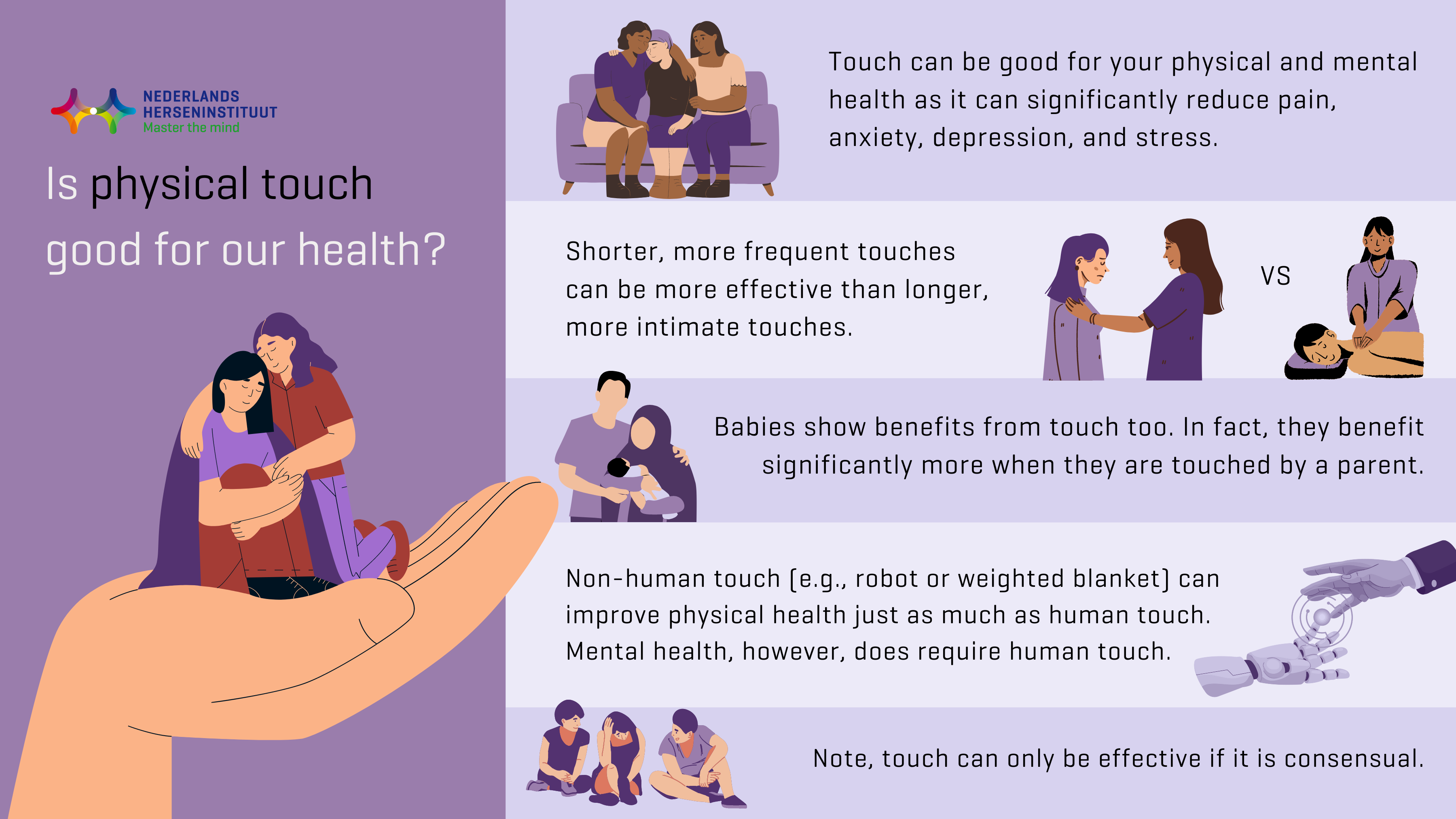
Source : nin.nl
The Power of Human Connection
Let’s be real, we’re all craving connection. Especially now. And sometimes, you just need a good hug. Not that awkward side-hug thing. I’m talking about a real, squeeze-the-life-out-of-you hug. Enter the hugging circle. It sounds a little out there, maybe even cheesy, but hear me out. This isn’t about romance; it’s about platonic touch. That simple, physical contact releases oxytocin, the “bonding hormone.” It fights stress, lowers blood pressure, and generally makes you feel… human. We evolved to be touched, and when we don’t get it, we suffer. A lot. Think of it as essential maintenance for your soul.
Building Trust and Safety
It might feel weird at first. A bunch of strangers (or friends!) hugging it out. But within these circles, a powerful sense of community often forms. Boundaries are discussed, consent is key, and everyone is there for the same reason: comfort and connection. It’s a safe space to be vulnerable, to feel supported. You learn to trust, not just others, but yourself. You realize that vulnerability isn’t weakness; it’s a pathway to deeper connections. It’s amazing what a little consensual touch can do to break down walls and build up trust.
Soothing Anxiety and Loneliness
Loneliness is a killer. And in our hyper-connected but often isolated world, it’s rampant. Platonic touch therapy, like in a structured hugging circle, offers a tangible antidote. Feeling that warmth, that pressure, that presence – it can instantly calm frayed nerves. It reminds you that you’re not alone in this. It’s a primal comfort, going back to infancy. Even a brief, comforting touch can signal safety to your nervous system. For folks struggling with anxiety or depression, this can be a genuinely life-changing experience. It’s simple, it’s profound, and it’s effective.
5 Winter Wellness Trends to Beat the January Blues
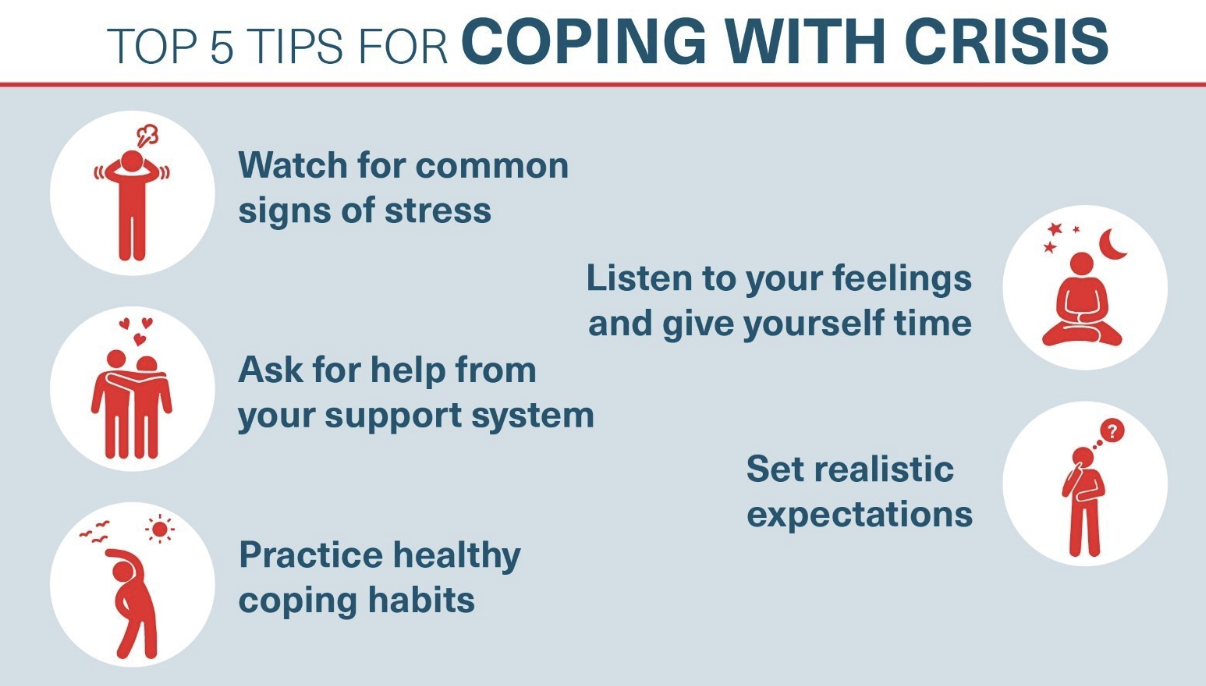
Source : redcross.ca
Embrace the Cozy
January hits different, doesn’t it? The holidays are over, the weather’s grim, and suddenly that January gloom descends. But instead of fighting it, let’s lean into it. This year, it’s all about hygge – that Danish concept of coziness and contentment. Think warm blankets, candlelight, hot cocoa, good books. It’s about creating a sanctuary indoors. Don’t force yourself to be out there if you don’t want to be. Make your home a haven. This isn’t laziness; it’s strategic winter self-care. Turning inward can be incredibly restorative.
Light Therapy Lamps Are Back
For real, if you haven’t tried a light therapy lamp, you’re missing out. Especially if you live somewhere with short, dark days. Seasonal Affective Disorder (SAD) is no joke. These lamps mimic natural sunlight, helping to regulate your circadian rhythm and boost your mood. It’s like bringing a piece of summer indoors. Just 20-30 minutes a day while you’re sipping your coffee or checking emails can make a huge difference. Don’t underestimate the power of light for your mental well-being. It’s a simple, effective way to combat the winter blues.
Mindful Movement Over Intense Workouts
Forget the pressure to hit the gym six days a week in the freezing cold. Winter is the season for gentler movement. Think yoga, Pilates, or even just long, brisk walks on crisp days. It’s about moving your body in a way that feels good, not punishing. Focus on how it makes you feel afterwards – refreshed, clear-headed, maybe a little warmer. It’s less about burning calories and more about nurturing your body and mind. This kinder approach to fitness can help you stay consistent without burnout.
Nourish with Seasonal Foods
What you eat directly impacts how you feel. Winter is the time for hearty, nourishing foods. Root vegetables, warming soups, stews packed with nutrients. Think about incorporating more immune-boosting foods like citrus fruits, garlic, and ginger. It’s not just about physical health; these comforting meals can also lift your spirits. Cooking and sharing these foods can become a mindful ritual in itself. Plus, there’s something incredibly satisfying about a steaming bowl of soup on a cold day.
Set Realistic Winter Goals
January often comes with a mountain of resolutions. Dial it back. Instead of aiming for the impossible, set achievable goals for the winter months. Maybe it’s reading one book a month, trying one new healthy recipe a week, or simply committing to a daily walk. Small, consistent actions are far more effective than grand, unsustainable plans. Focus on progress, not perfection. This approach helps you feel accomplished and motivated, rather than defeated by unrealistic expectations.
Somatic Therapy Exercises You Can Do at Home

Source : es.pinterest.com
Understanding Somatic Therapy
Okay, let’s talk about the body. Our bodies store so much – stress, trauma, emotions. Somatic therapy gets that. It’s not just about talking your problems away; it’s about feeling them, processing them, and releasing them through physical sensations. It’s about listening to what your body is trying to tell you. Think of it as checking in with your physical self, understanding the messages it sends through tension, posture, or even just a weird gut feeling. It’s a profound way to connect with yourself on a deeper level.
Grounding Techniques for Anxiety
When anxiety hits, you feel like you’re floating away, right? Grounding is your anchor. Try this: feel your feet firmly on the floor. Wiggle your toes inside your shoes. Notice the weight of your body. If you’re sitting, feel the chair beneath you. You can also try the 5-4-3-2-1 method: name 5 things you can see, 4 things you can touch, 3 things you can hear, 2 things you can smell, and 1 thing you can taste. It pulls you right back into the present moment, right into your body. Simple, but incredibly effective for cutting through panic.
Body Scan Meditation
This is a classic, and for good reason. Lie down, get comfy, and just bring your awareness to different parts of your body, one by one. Start at your toes. Notice any sensations – warmth, coolness, tingling, pressure. No judgment, just observation. Then slowly move up: your feet, your ankles, your calves, your knees… all the way to the top of your head. This practice cultivates radical self-awareness and helps you identify where you might be holding tension without even realizing it. It’s a fantastic way to release stored stress.
Mindful Movement and Embodiment
You don’t need a yoga mat for this. Just gentle, intentional movement. Think about stretching in a way that feels good. Maybe it’s slowly rolling your neck, gently swaying your hips, or extending your arms overhead. Pay attention to the feeling of the movement, the sensations in your muscles and joints. It’s about exploring your body’s range of motion and capacity, not pushing yourself. This fosters a sense of embodiment, helping you feel more connected and comfortable in your physical self. It’s like reconnecting with an old friend.
Table of Somatic Exercise Examples
| Exercise | Focus Area | Benefit | How To |
| Mindful Walking | Feet, Legs, Breath | Grounding, Stress Reduction | Focus on the sensation of each step, the rhythm of your breath. |
| Self-Massage | Tension Spots (Neck, Shoulders) | Muscle Relaxation, Body Awareness | Gently massage tense areas, noticing the release of pressure. |
| Pendulation | Varying Body Areas | Processing Traumatic Memory | Alternate between a sensation of stress and a sensation of ease/resource. |
The Rise of Slow Living Content on Social Media
Source : musingsofanartist.substack.com
Escaping the Hustle Culture
Ugh, hustle culture. It’s exhausting, right? Always “on,” always achieving, always pushing. Social media used to amplify that. But now? There’s a massive pushback. People are flooding platforms with slow living content. Think quiet mornings, mindful moments, appreciating the little things. It’s a breath of fresh air. It’s showing people that it’s okay – even good – to slow down, to be present, to just be. This shift is more than a trend; it’s a much-needed correction.
Intentionality Over Productivity
The old mantra was “more is more.” Now, it’s about “enough is enough.” Slow living content celebrates intentionality. It’s about choosing quality over quantity in everything – relationships, possessions, experiences. You see people sharing their morning routines that aren’t about crushing goals, but about savoring a cup of tea. Or tidying their space not for perfect aesthetics, but for peace of mind. It’s a beautiful reminder that our worth isn’t tied to our productivity.
Finding Joy in the Mundane
Seriously, who knew watching someone bake bread could be so therapeutic? Slow living content highlights the beauty in the everyday. Simple tasks, often overlooked, become the focus. It encourages us to find joy in the ordinary – watering plants, reading a book, taking a walk without a destination. This deliberate focus on the mundane helps us appreciate the present and reduces the constant craving for the “next big thing.” It’s about finding contentment right where you are, right now.
Redefining Success
This whole movement is basically a quiet revolution against the traditional definition of success. It’s not about climbing the corporate ladder at breakneck speed or accumulating massive wealth. It’s about building a life that feels rich in meaning, connection, and peace. It’s about having time for what truly matters. This shift towards valuing well-being over endless striving is incredibly powerful. It gives people permission to design a life that actually feels good, not just one that looks good on paper. It’s a radical act in today’s world, honestly. People are realizing that the secret to happiness might just be found in slowing down and looking around. For more on managing your mental health, check out these tips from psychologists.
Frequently Asked Questions
-
What's the biggest mental health challenge today?
Honestly? It’s the sheer constant overwhelm. We’re bombarded with info, expectations, and the pressure to always be ‘on.’ Our brains just aren’t built for this digital deluge. It’s easy to feel like you’re drowning in a sea of notifications and to-do lists. Finding genuine quiet time feels like a superpower these days.
-
How can I deal with social media anxiety?
First off, know you’re not alone. That comparison trap is brutal. My advice? Curate your feed ruthlessly. Unfollow anything that makes you feel less-than. Schedule your social media time, don’t just scroll endlessly. And remember, what you see online is usually a highlight reel, not real life. Get outside more – the real world is way more satisfying.
-
Is therapy really worth it?
Absolutely. Think of it like a gym for your mind. A good therapist gives you tools and perspective you can’t get on your own. It’s not just for when things are terrible; it’s for understanding yourself better and navigating life’s bumps before they become crises. Investing in your mental health pays dividends in every area of your life. It’s a proactive move, not just a reactive one.
-
What are simple daily habits I can start?
Start small, seriously. Five minutes of mindful breathing in the morning can make a huge difference. Drink more water. Go for a short walk, even just around the block. Write down three things you’re grateful for before bed. These aren’t revolutionary, but they build momentum. Consistency trumps intensity every time.
-
How do I avoid burnout?
Burnout is a real buzzkill. You gotta set boundaries, period. Learn to say ‘no’ without guilt. Schedule actual downtime – and I mean real downtime, not just checking emails on your ‘day off.’ Protect your sleep like it’s gold. And don’t be afraid to delegate or ask for help. Preventing burnout is way easier than recovering from it. Listen to your body; it’ll tell you when you need a break.