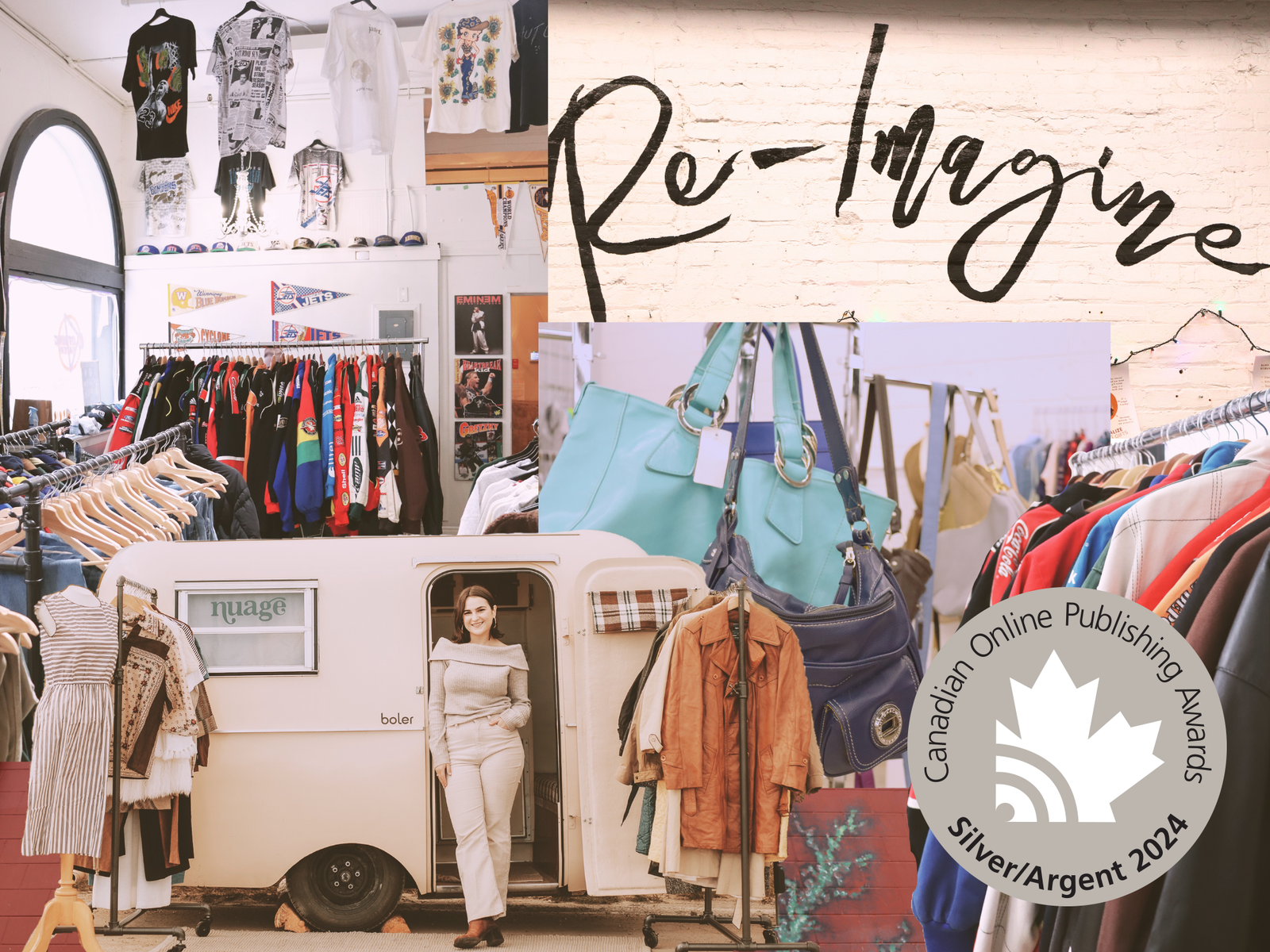
The Thrifting and Resale Revolution: Why Everyone’s Buying Used
Forget what you thought you knew about used clothes. This isn’t your grandma’s dusty attic haul anymore. We’re talking about a full-blown fashion phenomenon. It’s a whole new ballgame where snagging a killer designer piece second-hand is not just smart, it’s practically a status symbol. And guess what? It’s only getting bigger.

Source : workingdraftmagazine.com
Seriously, the numbers don’t lie. The resale market? It’s exploding. Like, faster than a champagne cork at a New Year’s Eve party. People are ditching fast fashion for good, and for some very good reasons. Let’s dig into why this whole resale revolution is happening, and why you’re probably already a part of it, even if you don’t realize it yet.
It All Started With the Hippies (and the Internet)
Okay, maybe not exactly the hippies, but the idea of giving things a second life? That’s been around forever. Think hand-me-downs, garage sales, maybe even that one uncle who swore by his vintage leather jacket. But what really kicked this thing into high gear? Two words: the internet.
Suddenly, finding that perfect vintage band tee or a barely-worn designer handbag wasn’t confined to a lucky raid on a local thrift store. Websites and apps popped up, connecting buyers and sellers across the globe. It made secondhand shopping not just accessible, but easy. Suddenly, you could hunt for specific items from the comfort of your couch. It democratized treasure hunting. Now, anyone can score big.
This accessibility really changed the game. It turned a niche hobby into a mainstream movement. And that’s before we even got to the part where everyone started caring about the planet a whole lot more. Which, let’s be honest, is a HUGE factor now.
Why You’re Buying Used (Even If You Won’t Admit It)
Let’s be real. It’s not just about snagging a bargain, though that’s definitely part of the appeal. There’s a whole lot more going on under the hood of this secondhand fashion trend. Think about it:
The Eco-Warrior Angle
This is a big one. Fast fashion is a dumpster fire for the environment. All those clothes, manufactured cheaply, worn a few times, then tossed. It’s a massive waste of resources, water, and energy. Plus, all that polyester? It’s basically plastic. By buying pre-owned, you’re directly reducing the demand for new production. You’re essentially giving that item a second life, keeping it out of the landfill. It feels good, right? Like you’re doing your part. It’s a small action with a surprisingly big impact. Many sources are calling it a major sustainability shift.
The Budget-Friendly Bonanza
Who doesn’t love saving money? Let’s face it, designer labels can cost an arm and a leg. Buying new is often out of reach for many people. But what if you could get that same designer jacket, that pair of amazing shoes, or that high-quality handbag for a fraction of the original price? That’s where resale shines. It makes luxury fashion accessible. You can build a killer wardrobe without emptying your bank account. It’s smart shopping, plain and simple. It means you can afford quality, and that’s a win-win.
The Thrill of the Hunt
There’s something undeniably exciting about finding a hidden gem. It’s like a treasure hunt, but for clothes. You never know what you’re going to find. One day you might unearth a vintage Dior scarf, the next a perfectly preserved 70s maxi dress. This element of surprise and discovery is addictive. It’s way more engaging than scrolling through endless pages of the same new arrivals online. This unique shopping experience keeps people coming back for more. It’s not just about the clothes; it’s about the thrill of the find.
Standing Out From the Crowd
In a world where everyone seems to be wearing the same mass-produced items, finding something unique is a superpower. Resale allows you to express your personal style without looking like you just walked off a mannequin. You can mix vintage pieces with modern trends to create an outfit that’s totally you. It’s a way to be fashionable and individual. Forget blending in; this is about making a statement. Being original is suddenly cool again. It’s about personal style expression.
The Big Players Are Getting Involved
This isn’t just a fringe movement anymore. Major brands and retailers are jumping on the bandwagon. They see the writing on the wall. People want sustainable options, and they want value. So, they’re launching their own resale platforms or partnering with existing ones. Think of brands offering trade-ins for store credit, or luxury retailers hosting curated vintage collections. It’s a sign that the resale market is here to stay. It’s no longer a case of if, but when and how mainstream this becomes. Brands like Nordstrom, Levi’s, and even luxury houses are getting in on the action. You can even find detailed reports on how this is reshaping industries, like this breakdown from Harvard Business Review.
This move by big players legitimizes the whole concept. It signals that secondhand isn’t just for the budget-conscious; it’s for everyone. And it means more options for consumers. The future of fashion is looking a lot more circular. It’s a positive trend that benefits everyone involved, from the consumer to the planet.
Vintage Sourcing: How to Spot Quality Fabrics

Source : youtube.com
The Fabric Feel Test
Forget the tiny tags that are impossible to read. When you’re digging through racks, your hands are your best tools. Good fabrics just feel different. Think natural fibers like cotton, linen, and wool. They have a weight and a drape that synthetics usually can’t mimic. Run your fingers over it. Does it feel smooth, or a bit stiff and plasticky? A high-quality piece often has a pleasing texture that screams durability. You’re not just looking for clothes; you’re looking for heirlooms. Seriously. That old sweater might be made of cashmere that feels like a cloud. Don’t underestimate your fingertips. They’ve seen more fabrics than most machines.
Weaving and Stitching Clues
Once you’ve got the feel down, look closer at how it’s made. Examine the weave. Is it tight and even? Or are there loose threads and gaps? For knits, check for a consistent stitch. A sweater that’s losing its shape before you even buy it? Nope. Also, pay attention to seams. Are they straight and neat, or wonky and uneven? Double-stitched seams are a good sign of quality construction. It’s the little details, right? A well-made seam isn’t just about looks; it’s about longevity. Like a well-built house, it’s meant to stand the test of time.
Brand Names Aren’t Everything
Yeah, a recognizable brand can be a good indicator, but don’t let it limit you. Some of the best finds are from brands you’ve never heard of. They just don’t have the marketing budget. Focus on the construction and fabric quality first. Sometimes, you’ll find a perfectly crafted item from a lesser-known label that blows a trendy, mass-produced piece out of the water. Think outside the label. The real gems are often hiding in plain sight, unburdened by a fancy logo. It’s about the craftsmanship, not just the name.
The Best Apps for Selling Your Used Clothes

Source : lifehacker.com
Poshmark: The Social Seller’s Dream
If you like the idea of a social shopping experience, Poshmark is your jam. It’s like Instagram for your closet. You snap pics, write descriptions, and share your listings. Buyers can “like” items, and you can send them offers. It’s super intuitive, even if you’re not super tech-savvy. Poshmark takes a flat fee for sales over $15, which is pretty standard. You’ll see a lot of trendy items here, so it’s great for fashion-forward pieces. Just be prepared to spend some time building your “closet” and engaging with other users. Community is key on Poshmark.
Depop: For the Unique and Eclectic
Depop is where you go for the truly unique stuff. Think vintage band tees, Y2K fashion, and quirky finds. The vibe is definitely more eclectic and younger. It feels less like a structured marketplace and more like a digital flea market. They also have a social element, with profiles and following. Fees are a bit higher than Poshmark, usually around 10% plus PayPal fees. If you’ve got pieces with a story or a distinct style, Depop is your spot. Sell your one-of-a-kind treasures here. You’ll find buyers who appreciate that kind of individuality.
eBay: The Old Reliable (Still Kicking)
Don’t count eBay out! It’s been around forever for a reason. It’s great for literally anything, including clothes. Its auction format can be fantastic for creating bidding wars on desirable items. Plus, its reach is massive. If you’ve got something rare or collectible, eBay is probably going to give you the widest audience. Fees vary depending on the category, but they’re generally competitive. For high-value or truly vintage items that might attract collectors, eBay is hard to beat. It’s the OG marketplace for a reason.
ThredUp: The “Send-It-In” Option
Okay, ThredUp isn’t exactly an app where you list things individually. You actually send them your clothes, and they do all the selling for you. It’s the easiest option if you just want to clear out your closet without the hassle. They give you a payout based on what they sell. It’s less profit per item, for sure, but the convenience is unmatched. Perfect for decluttering massive amounts of clothing quickly. Zero effort selling? Sign me up. It’s a different model, but it works for many.
Upcycling Tutorials: Flipping Thrifted Furniture

Source : youtube.com
The Sanding and Prep Stage: Don’t Skip This!
Alright, let’s talk furniture flipping. First rule: prep is paramount. You can’t just slap paint on dusty, old wood and expect magic. You gotta get your hands dirty. Start with a good cleaning. Get off all the grime, grease, and whatever else has accumulated over the years. Then comes the sanding. Whether you’re using an electric sander or good old elbow grease with sandpaper, you need a smooth, clean surface. This isn’t just about aesthetics; it helps your paint or stain adhere properly. Think of it like getting your skin ready for makeup. You wouldn’t just throw on foundation, right? You moisturize, prime… same difference. A solid foundation makes all the difference in the final look.
Painting Techniques for a Professional Finish
When it comes to painting, you have options. Chalk paint is super popular because it requires minimal prep and gives a lovely matte finish. Latex paint is also a good choice, but you’ll likely need a primer. For a more “modern farmhouse” look, think about two-tone finishes or distressing techniques. A little bit of dark wax rubbed into the edges can give an antique feel. Or go bold with a bright, unexpected color. Painting furniture can completely transform a piece. You can turn a dated dresser into a statement piece with just a few cans of paint and some imagination. Seriously, the possibilities are endless.
Hardware Upgrades: Small Changes, Big Impact
Never underestimate the power of new hardware. Those old, tarnished knobs or pulls can really date a piece. Swapping them out for something modern, vintage-inspired, or even a pop of color can instantly update the entire look. You can find amazing deals on hardware at craft stores, online marketplaces, or even at other thrift stores. It’s a relatively inexpensive way to make a significant difference. New drawer pulls can feel like new jewelry for your furniture. It’s the finishing touch that really ties everything together. Don’t be afraid to experiment!
Creative Solutions for Damaged Pieces
Got a table with a wobbly leg? A chair with a torn cushion? Don’t toss it! These are often fixable. For wobbly legs, it might just be a matter of tightening screws or adding some wood glue. Torn upholstery can sometimes be repaired or replaced with a cool new fabric. You can even use wood filler to patch up small gouges or cracks. Think about adding decorative elements too, like stencils or new trim. Giving old furniture new life is incredibly rewarding. It’s about seeing potential where others see junk.
Why Fast Fashion is Finally Losing its Appeal
Source : theatlantic.com
The Environmental Nightmare
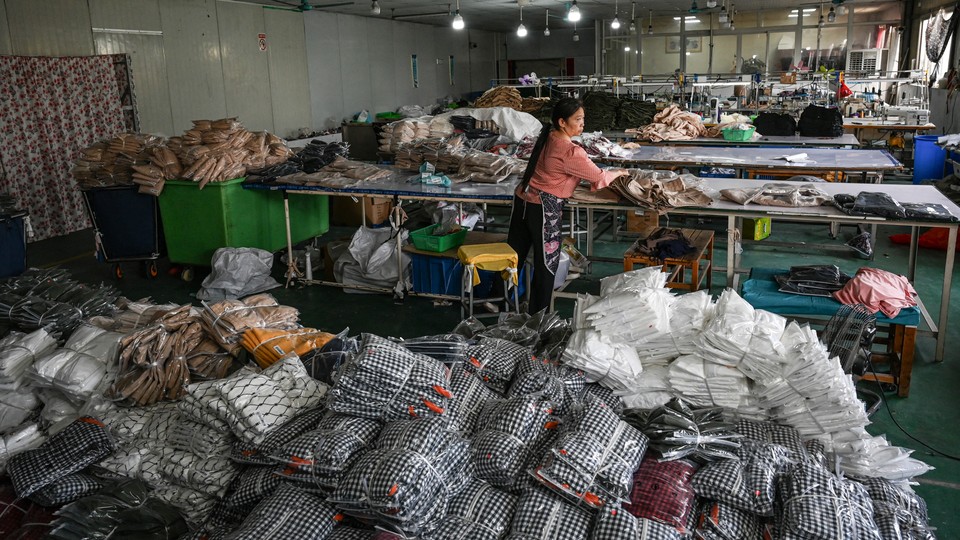
Let’s be real. The amount of waste generated by fast fashion is staggering. We’re talking mountains of discarded clothing piling up in landfills, polluting waterways with dyes and microplastics. The production itself consumes insane amounts of water and energy. Think about how many times you’ve bought a cheap top, worn it twice, and then tossed it. That cycle is destroying our planet. Brands churn out new collections weekly, encouraging a culture of disposability. It’s unsustainable, plain and simple. We can’t keep consuming at this rate and expect our environment to cope. This is where the resale revolution really shines.
Ethical Concerns and Exploitative Labor
Beyond the environmental cost, there’s a huge human cost. Fast fashion often relies on cheap labor in developing countries, where workers face long hours, unsafe conditions, and incredibly low wages. It’s basically modern-day slavery disguised as affordable clothing. Do you really want that trendy $10 shirt to be a result of someone else’s suffering? Exploitative labor practices are deeply embedded in the industry. Consumers are starting to wake up to this reality and demand better. It’s not just about the clothes; it’s about the people who make them.
The Rise of Conscious Consumerism
Thankfully, people are getting smarter. There’s a growing movement towards conscious consumerism. We’re starting to ask questions: Where does this come from? Who made it? What’s the environmental impact? This awareness is driving demand for sustainable and ethical brands. It’s also fueling the growth of the secondhand market. Why buy new and contribute to the problem when you can buy pre-loved, save money, and reduce waste? It’s a win-win-win situation. People are realizing their purchasing power matters. Choosing quality over quantity is becoming the new cool.
Quality and Durability Stand the Test of Time
Let’s face it, fast fashion items rarely last. They fade, pill, and fall apart after a few washes. Meanwhile, that vintage jacket or well-made secondhand dress can last for years, even decades. Investing in fewer, higher-quality pieces (whether new or secondhand) is often more economical in the long run. You end up with a wardrobe you love, that lasts, and that doesn’t trash the planet. Durable clothing is the future. It’s about building a wardrobe that tells a story, not just a collection of disposable trends.
Restoring Vintage Electronics for a Nostalgic Vibe

Source : youtube.com
The Charm of Analog Sound
There’s just something about the warmth and character of analog audio that digital can’t quite replicate. Old turntables, reel-to-reel players, vintage receivers – they don’t just play music; they deliver an experience. The crackle of vinyl, the subtle imperfections, it all adds to the charm. Restoring these pieces isn’t just about making them work; it’s about preserving a piece of audio history. Think about that classic Marantz receiver your dad used to have. Bringing one back to life is like bringing back a memory. The sound quality? Pure magic.
Finding and Repairing Turntables
Turntables are probably the most popular vintage electronics to restore. They can be found everywhere, from thrift stores to online marketplaces. The most common issues are often a worn-out stylus (needle), a belt that needs replacing, or dirty internal components. For the more adventurous, you might tackle motor issues or tonearm adjustments. A properly restored turntable can sound incredible, and let’s be honest, spinning vinyl is just cool. It’s a tactile experience in a digital world. Just be careful – some older models are quite complex!
Bringing Old TVs Back to Life (with Caution!)
Okay, I have to preface this: restoring old CRT TVs can be dangerous if you don’t know what you’re doing. They contain high-voltage components that can pack a serious punch. However, for the retro gaming enthusiast, the appeal is undeniable. Getting that authentic CRT look for playing classic games is the holy grail for some. If you’re going this route, PLEASE research extensively, wear safety gear, and understand the risks involved. A lot of people opt for simpler restorations, like cleaning up the exterior or fixing minor cosmetic issues. For the truly dedicated, it’s a challenging but rewarding project. Just remember: safety first, always.
Audio Amplifiers and Receivers: The Heart of the System
Vintage amplifiers and receivers are often the unsung heroes of a retro audio setup. They provide that rich, warm sound and have that fantastic aesthetic with all the knobs and VU meters. Common restoration tasks include replacing aging capacitors (they dry out over time), cleaning potentiometers to get rid of crackling, and biasing the amplifier correctly. A well-restored vintage amp can easily compete with modern high-end gear, often at a fraction of the price. Plus, let’s be honest, they just look undeniably cool sitting in your entertainment center. It’s a whole vibe.
| Platform | Best For | Typical Fees | Ease of Use | Vibe |
|---|---|---|---|---|
| Poshmark | Trendy & Designer Clothes | Flat fee ($2.95 under $15, 20% over $15) | High (Social features) | Social Marketplace |
| Depop | Vintage, Streetwear, Unique Items | ~10% + Payment Processing Fee | Medium (Social + Listing) | Eclectic, Youthful |
| eBay | Anything Collectible, High-Value Items | Variable (depends on category, ~13% average) | Medium (Auction/Listing variety) | Vast, Auction-Driven |
| ThredUp | Decluttering Large Volumes Quickly | Variable (based on payout, they take a cut) | Very High (Send-in service) | Convenience-Focused |
Frequently Asked Questions
-
What is the 3-3-3 rule for clothes?
So, this ‘3-3-3 rule‘ is basically a super simple way to declutter your closet. The idea is you take 33 items of clothing, and for 33 days, you only wear those. After 33 days, you decide what to keep, what to donate, or what to sell. It’s a pretty neat way to figure out what you actually wear and what’s just taking up space. Cuts down on decision fatigue, too!
-
Why does Gen Z like thrifting?
Honestly, it’s a few things. For starters, secondhand clothing is way cheaper, and let’s be real, most folks in Gen Z aren’t exactly rolling in dough. Plus, there’s a huge focus on sustainability and fighting fast fashion waste. They want unique pieces that aren’t mass-produced, and thrifting is the ultimate way to get that cool, vintage vibe. It’s about individuality and being eco-conscious, which totally resonates.
-
What is the thrifting capital of the US?
That’s a tough one, because so many cities have amazing thrift scenes. But if I had to pick, Los Angeles often gets called the thrifting capital. They’ve got everything from high-end vintage boutiques to massive charity shops, and the sheer volume of clothes available is insane. You’ll find some serious gems there if you put in the work.
-
How do I find the best thrift stores near me?
Easy! Start with Google Maps and search ‘thrift stores.’ Then, check out the reviews – people usually spill the tea on which ones have the best selection or the weirdest finds. Also, don’t underestimate word-of-mouth! Ask friends where they score their cool stuff. Sometimes the most unassuming little shops hide the biggest treasures. And hey, follow local thrift influencers on Instagram; they often drop hints about great spots.
-
Is buying used clothes really more sustainable?
Absolutely. Think about it: every time you buy secondhand, you’re keeping an item out of a landfill. That’s huge! Plus, you’re reducing the demand for new clothing production, which uses tons of water, energy, and often creates pollution. So yeah, buying used is a direct way to lessen your environmental footprint. It’s a no-brainer for the planet.