Ditch the Drama, Grab a Pen: Hand-Lettering and Calligraphy as Your New Stress Busters
Feeling wound tighter than a drum? Yeah, me too sometimes. The constant barrage of notifications, the endless to-do lists, the sheer noise of modern life – it can really get to you. You’re not alone if you find yourself searching for an escape, a little pocket of calm in the chaos. I’ve found mine, and honestly, it’s surprisingly simple. It involves ink, paper, and a whole lot of focus. We’re talking about hand-lettering and calligraphy. Forget those fancy apps and expensive retreats for a minute. Sometimes, the most powerful stress relief comes from the most analog of activities. It’s about slowing down, getting intentional, and creating something beautiful with your own two hands. And trust me, it feels good.

Source : amazon.com
The Sweet, Sweet Escape of the Stroke
Think about it. When was the last time you truly discoected? Not just put your phone on silent, but really switched off the mental chatter? That’s where the magic of the pen comes in. The moment you start forming letters, something shifts. Your brain, usually buzzing with a million things, zeroes in on the curve of an ‘S’, the flick of a ‘t’. It’s like a mini-meditation, but with tangible results. You’re not just zoning out; you’re actively engaging your mind in a focused, repetitive, and ultimately calming task. This isn’t just some fluffy wellness trend; it’s a genuine pathway to peace. The physical act of creating these beautiful forms literally rewires your brain, pushing those stress hormones to take a backseat.
Why Your Brain Loves a Good Letter
Our brains are wired for patterns and creation. When you sit down with a pen and paper, you’re tapping into that iate desire. It’s the same reason people find joy in knitting, woodworking, or even just doodling. Hand-lettering and calligraphy offer a unique blend of precision and artistry. You have the structure of letterforms, yes, but within that structure lies an infinite universe of style and expression. You can experiment with different nibs, inks, and papers. You can play with flourishes, shadows, and colors. Each decision you make, from the pressure of the pen to the angle of the stroke, requires your full attention. This intense focus is what pulls you out of your worries and grounds you in the present moment. It’s a workout for your attention span, and the reward is sweet, sweet relief.
:quality(85):extract_cover()/2020/07/06/735/n/1922729/e0ca702e5f035399daa694.51608755_.jpg)
Source : popsugar.com
More Than Just Pretty Words: The Science Bit
There’s actual science behind why repetitive, creative tasks are so good for us. When you’re engaged in activities like calligraphy, your brain releases dopamine, the feel-good chemical. It can also help lower cortisol levels, the primary stress hormone. It’s like hitting a reset button for your nervous system. You’re moving from that fight-or-flight response to a more relaxed, creative state. This is why many therapists recommend art-based activities for managing anxiety and depression. It provides a non-verbal way to process emotions and offers a sense of accomplishment that can be incredibly uplifting. Think of it as active mindfulness; you’re not just passively observing your breath, you’re actively doing something calming and rewarding. It’s a form of active stress reduction that feels less like a chore and more like a treat.
Getting Started: No Picasso Needed
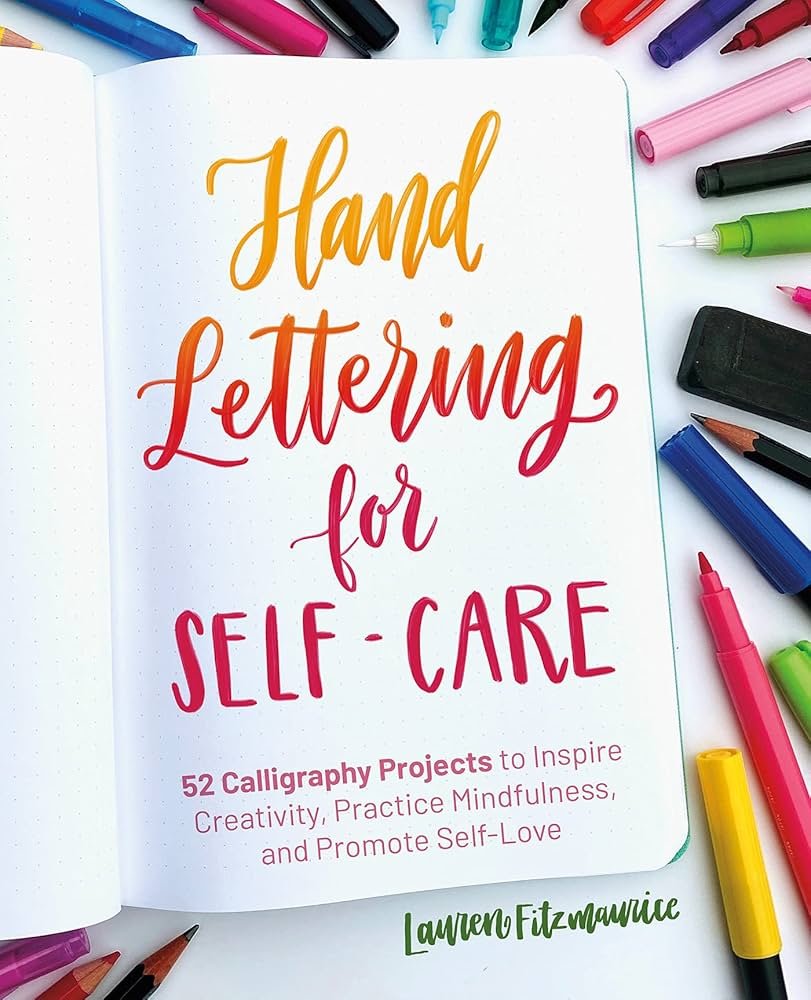
Okay, so you’re intrigued. You’re thinking, “But I can’t even draw a straight line!” First off, relax. You don’t need to be a master artist to enjoy the benefits of hand-lettering or calligraphy. Honestly, most of us start out looking like we’re writing prescription notes. The beauty is in the process, not immediate perfection. You need surprisingly little to get started. A basic set of pens – maybe a few brush pens and a fine liner – and some decent paper will do the trick. Forget the fancy stuff for now. The goal is to get ink on paper and experience that meditative flow. There are tons of free tutorials online, or you could grab a begier-friendly guide. Many books out there focus specifically on using lettering for self-care, like the fantastic resource found at Hand Lettering for Self-Care. It breaks down the techniques in a really accessible way, perfect for easing you into the practice. It’s all about taking that first step, however small.
Finding Your Flow State
That ‘flow state’ I mentioned? It’s that feeling where time just melts away. You’re completely absorbed in what you’re doing, losing yourself in the task. Calligraphy is brilliant for inducing this. It requires concentration, but it’s not stressful concentration. It’s the kind that’s almost… enjoyable. You’re focused on the curves, the lines, the space between the letters. You’re not thinking about that awkward email you need to send or the bills piling up. You’re just present. This deep engagement is incredibly therapeutic. It pulls you away from rumination and grounds you in the physical act of creation. It’s a mental vacation, and the best part? You can take it anytime, anywhere, with just a pen and some paper. It’s a true mental escape.
Source : handlettereddesign.com
Beyond the Basics: Deeper Dives
Once you get comfortable with the fundamentals, there are endless avenues to explore. You can delve into different calligraphy styles – Copperplate, Spencerian, modern calligraphy. Each has its own unique rhythm and feel. You can experiment with pointed pen work, broad-edge lettering, or even digital lettering if you want to bring it into the modern age. But even sticking to the basics, the stress-relieving benefits remain. The key is consistency. Making this a regular part of your routine, even just for 10-15 minutes a day, can have a profound impact on your overall well-being. It’s not about becoming a calligraphy master overnight; it’s about carving out that space for yourself, consistently. It’s about making your well-being a priority.
The Community Coection
While calligraphy can be a solitary, meditative practice, it also has a vibrant online community. Platforms like Instagram are filled with incredibly talented artists sharing their work, tips, and encouragement. Following these artists, joining challenges, or even just sharing your own progress can foster a sense of coection and belonging. It’s great to see others on the same journey, facing similar challenges and celebrating small victories. You might find yourself inspired by their creativity, and it can be incredibly motivating to see what’s possible. This shared passion can transform a personal stress-relief activity into a social one, adding another layer of enjoyment and support. Being part of a supportive community can amplify the positive effects.
A Word on Tools: Keep it Simple, Stupid (KISS)
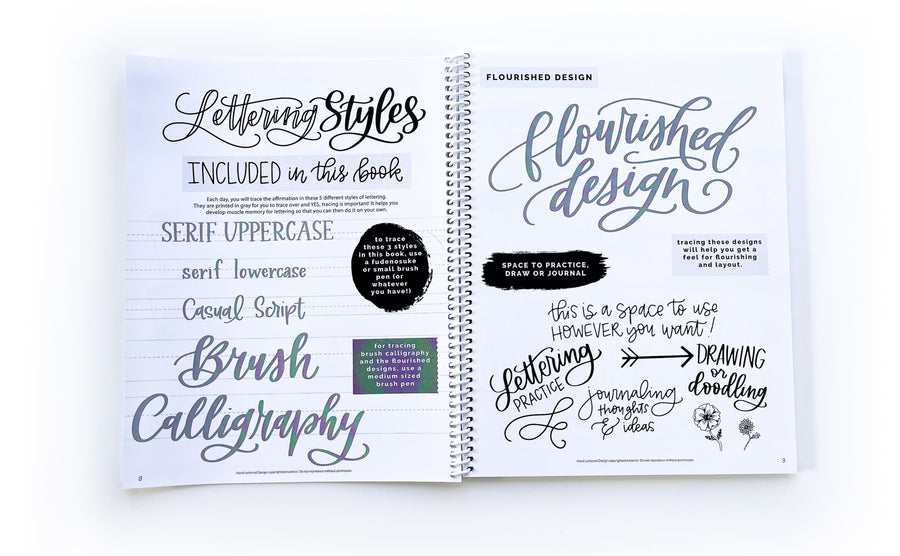
Look, I know the temptation. You see all the fancy nibs, the expensive inks, the artisanal paper. And yeah, they’re beautiful. But for stress relief? You don’t need any of that. Start with what’s accessible. A simple brush pen like a Tombow Fudenosuke or a Pilot Parallel Pen is fantastic. Some printer paper or a cheap sketchbook will suffice initially. Resist the urge to spend a fortune before you even know if you like it. The tactile experience is what matters. The feel of the pen on paper, the sound it makes – that’s where the magic happens. Overspending can actually add a layer of pressure, which is the opposite of what we’re going for here. Focus on the simple joy of making marks, not on acquiring the most expensive gear.
Calligraphy vs. Hand-Lettering: What’s the Diff for Stress?
Source : flamingotoes.com
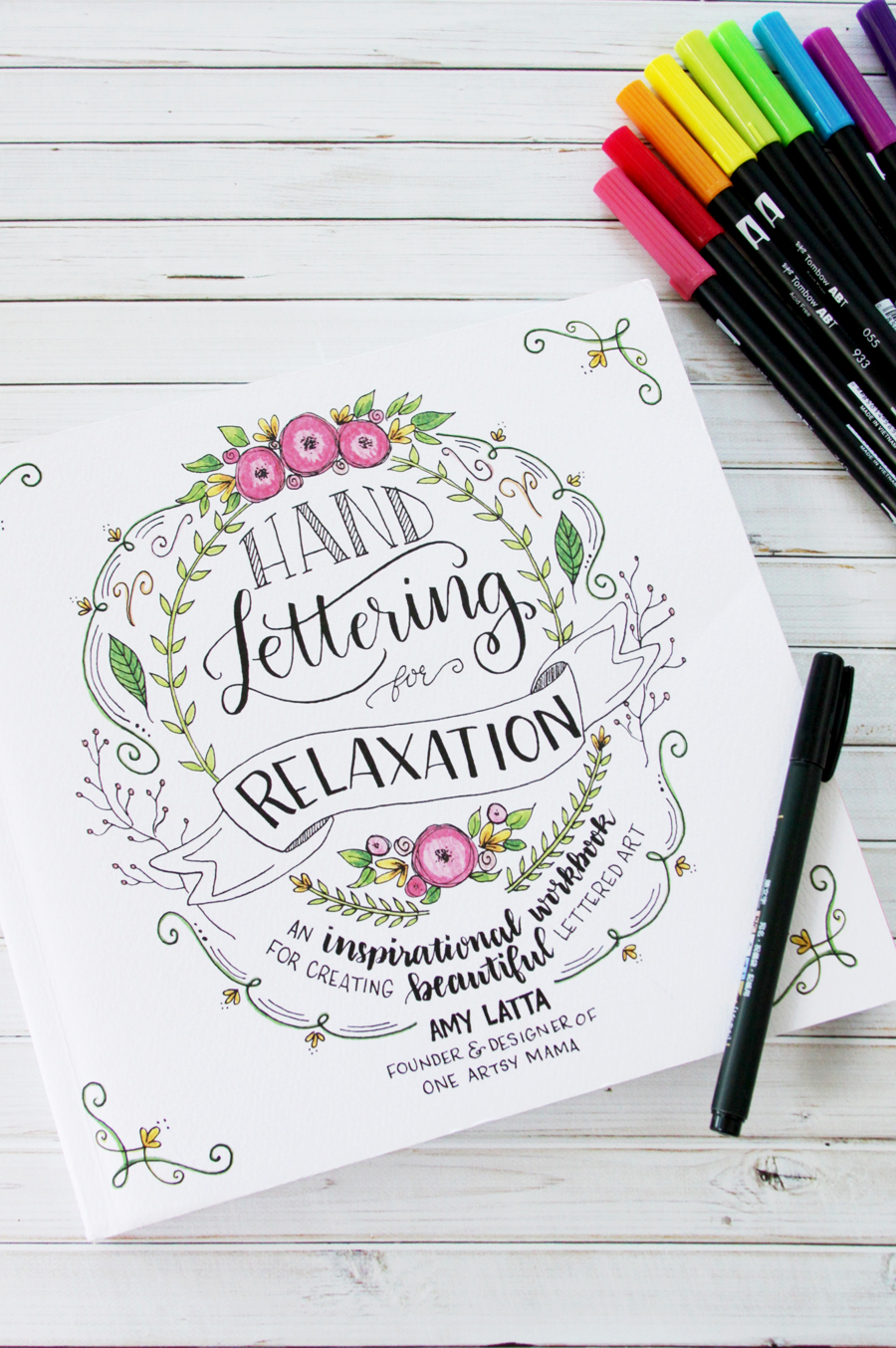
So, what’s the actual difference between hand-lettering and calligraphy, and does it matter for stress relief? Calligraphy is more about the formal art of beautiful writing, often using specific tools like dip pens to create variations in line width. Think elegant, flowing scripts. Hand-lettering, on the other hand, is more like drawing letters. You can use any tool, and it’s all about the artistic composition. You can sketch out letterforms, add embellishments, and create unique designs. For stress relief? Honestly, both are fantastic. Calligraphy demands a certain precision that can be very centering. Hand-lettering offers more freedom for playful creativity. Choose whichever feels more intuitive or exciting to you. The core benefit – focused, mindful creation – is present in both. Don’t get bogged down in the technicalities; just pick up a pen and start!
The Takeaway: Your Pen is Your Peacekeeper
Life’s going to throw curveballs. Deadlines will loom, responsibilities will mount, and stress will inevitably creep in. But you now have a powerful, accessible tool in your arsenal. Hand-lettering and calligraphy aren’t just hobbies; they’re acts of self-care. They’re moments stolen back from the chaos, dedicated to calm, focus, and creation. They offer a tangible way to discoect from the noise and recoect with yourself. So, the next time you feel the pressure building, reach for a pen. Make some beautiful marks. Breathe. You’ve got this. And who knows? You might just discover a lifelong passion that keeps you grounded, one letter at a time. It’s a simple, effective way to cultivate ier peace and calm.
Frequently Asked Questions
Is calligraphy good for mental health?
Absolutely! Think of it as active meditation. The focused concentration required helps quiet a racing mind, lowers stress hormones like cortisol, and releases feel-good chemicals like dopamine. It gives you a sense of accomplishment and provides a creative outlet, which are both huge wins for mental well-being. Plus, it’s a great way to discoect from screens and recoect with a tangible, calming activity.
What to write to relieve stress?
Anything that brings you joy or requires focus! You could practice writing affirmations like “I am calm” or “I can handle this.” Or, simply write out favorite quotes or song lyrics. Even just practicing basic strokes – loops, swirls, straight lines – can be incredibly therapeutic. The key isn’t what you write, but the mindful act of writing it beautifully and intentionally.
Can drawing be a stress reliever?
Definitely. Drawing, just like hand-lettering and calligraphy, falls into the category of creative, repetitive activities that are proven stress relievers. When you’re drawing, you enter a state of ‘flow,’ where your focus sharpens, and the outside world fades away. This immersion is incredibly powerful for calming the nervous system and reducing feelings of anxiety. It allows for creative expression and focus, which are key components of stress management.
What are the basic tools needed for begier calligraphy?
You don’t need much to start! Grab a begier-friendly calligraphy pen (like a Tombow Fudenosuke or a Pilot Parallel Pen), some smooth paper (printer paper is fine to start), and maybe an ink cartridge if your pen requires it. Resist the urge to buy a huge, expensive kit right away. Focus on the fundamental tools to get a feel for the practice.
How often should I practice calligraphy for stress relief?
Consistency is key, but don’t overdo it. Even 10-15 minutes a day can make a significant difference. Find a time that works for you – maybe first thing in the morning to set a calm tone, or in the evening to wind down. The goal is to make it a relaxing ritual, not another obligation. Regular, short sessions promote lasting stress reduction more effectively than infrequent marathon sessions.