Look, we all love the easy way out, right? Grabbing that takeout container, tossing the Amazon box. It’s just… simpler. But is it costing us more than we think? I’m talking about the planet, man. This whole “convenience culture” thing we’ve built? It’s creating a mountain of trash, and frankly, it’s getting ridiculous.
Source : girlpowertalk.com
The Mess We’ve Made

Source : amazon.com
Let’s be real. We live in a world where single-use is king. Need a coffee? Here’s a cup, lid, and stirrer – all plastic, all designed to be used for maybe 20 minutes. Then poof, into the bin. And where does that bin lead? Usually, to a landfill. A giant, stinking monument to our “throwaway” habits. It’s easy to just not think about it, to assume someone else will handle it. But that’s the trap. That’s the whole darn problem.
Think about your last week. How many plastic bags did you end up with? How many disposable water bottles? Chances are, it’s more than you’d like to admit. This isn’t about shaming anyone. It’s about waking up. Because the truth is, our planet can’t keep up with this level of consumption. The resources are finite. The landfills are overflowing. We’re literally drowning in our own convenience.
What Even IS Zero-Waste Living?

Source : simplygreenrebekah.com
So, what’s the alternative to this madness? Zero-waste living. Sounds intense, right? Like you have to live in a yurt and milk your own almond milk. Nah. At its core, it’s about making conscious choices. It’s about drastically reducing what you throw away. Think less trash, more intention. It’s not about perfection; it’s about progress. Moving away from that constant cycle of buy, use, discard.
It’s a philosophy, really. A way of looking at consumption differently. Instead of asking “how can I make this easier?”, you start asking “how can I avoid creating waste in the first place?”. It’s a big shift, I get it. We’re conditioned to grab and go. But there are simple swaps. Tiny changes that add up. Big ones too, if you’re feeling bold.
Getting Started: Easy Wins for Less Trash
Okay, so you’re thinking, “Alright, I’m in. But where do I even start?” Good question. The trick is not to overhaul your entire life overnight. That’s a recipe for burnout. Instead, pick a few simple things. Little habits you can build on. These are the low-hanging fruit, the stuff that makes a difference without making you want to move to a cave.
The Reusable Water Bottle Hustle
This is basically rule number one. Seriously. That plastic water bottle industry? It’s massive. And totally unnecessary for most of us. Invest in a good reusable bottle. Keep it with you. At your desk, in your car, in your bag. You’ll save money and save a ton of plastic. It’s a no-brainer, and honestly, some of them look pretty cool these days.
Say NO to Plastic Bags
Another easy one. Keep a few reusable shopping bags in your car or by your door. That feeling when the cashier starts bagging your groceries in plastic? Just politely say, “No thank you, I have my own.” Most people are cool with it. It might feel awkward at first, but it becomes second nature. Think of it as your own little rebellion against plastic. A conscious consumer choice.
The Coffee Cup Conundrum
You’re a coffee drinker? Or tea? That daily disposable cup adds up. Fast. Many coffee shops will even give you a discount if you bring your own mug. Seriously! Find a travel mug you like. Keep it clean. Make it part of your morning routine. It’s way better than that flimsy paper cup anyway. Plus, your drink stays hotter longer. It’s a win-win. This really shows how zero-waste living works.
Lunchbox Love
Packing your lunch is a double win. You save cash, and you control the packaging. Ditch the plastic wrap and Ziploc bags. Get some nice reusable containers. Beeswax wraps are cool too. It forces you to think about what you’re eating and how you’re storing it. No more sad desk lunches from a greasy paper bag, either.
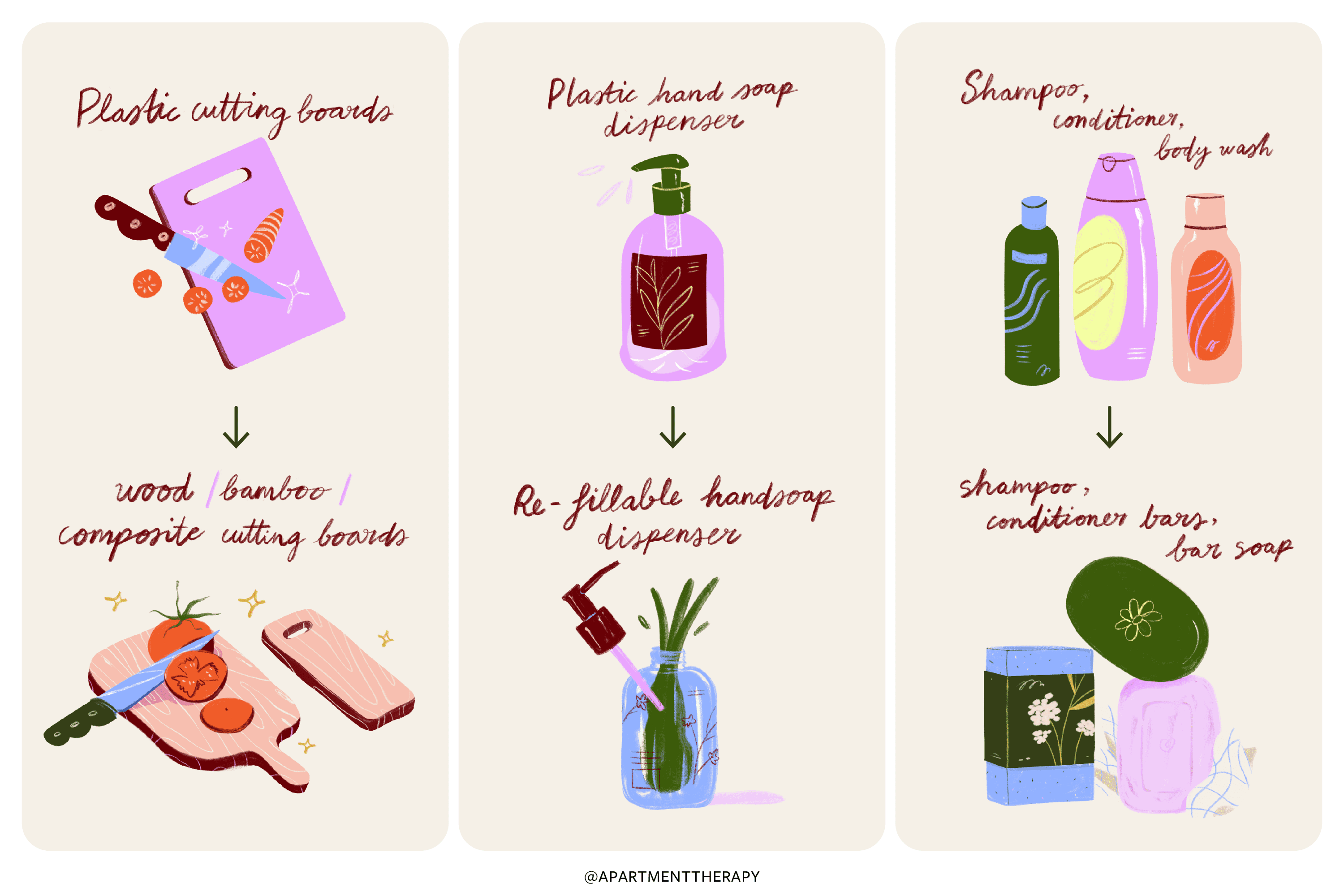
5 Easy Swaps to Reduce Microplastics in Your Home
Source : apartmenttherapy.com
Ditching the Plastic Bottle Habit
Seriously, this is the low-hanging fruit. That plastic water bottle you use once? It’s probably made of PET, which breaks down over time, leaching chemicals and shedding tiny plastic fragments. Think about how many of those you go through in a week, a month, a year. Now multiply that by everyone else. Yikes. A good quality reusable water bottle, like stainless steel or glass, is your first line of defense. Keep it with you. In your car, in your bag, on your desk. Make it a reflex. It’s not rocket science, but it’s a hell of a lot better than filling the oceans with more plastic.
Switching Your Laundry Game
This one sneaks up on you. Every time you wash synthetic clothes – polyester, nylon, acrylic – those fabrics shed microfibers. They go right down the drain and into our waterways. It’s like a silent killer for the environment. But there’s a fix! Get yourself a microplastic filter for your washing machine, or toss a guppyfriend washing bag in with your synthetics. It catches a surprising amount. And hey, maybe embrace more natural fibers like cotton or wool when you can. Your clothes will thank you, and so will the fish.
Kitchen Essentials: Beyond Plastic Wrap
Okay, plastic wrap is convenient, I get it. But it’s a one-and-done disaster for the planet. Plus, who wants their food touching plastic that might be leaching stuff? Ditch it. For covering bowls and leftovers, grab some beeswax wraps. They’re washable, reusable, and mold beautifully around food. Or invest in a set of glass food storage containers. They last forever, don’t stain, and look way nicer in the fridge. Sponges, too. Those colorful plastic ones? They’re full of plastic. Swap ’em for natural loofahs or compostable scrubbers.
Personal Care: Small Changes, Big Impact
Your bathroom cabinet is probably a microplastic minefield. Think about your toothbrush. Plastic. Your face scrubs with those little beads? Yep, plastic. Even some shampoos and conditioners have microbeads. It’s everywhere! Switch to a bamboo toothbrush – the handle composts. Look for skincare products without microbeads (most reputable brands are phasing them out anyway). And for cleaning yourself, try a natural sea sponge or a konjac sponge instead of synthetic loofahs. Tiny changes, but they add up fast.
The Resurgence of Refillable Grocery Stores
Source : savemoneycutcarbon.com
Why Refill Stores Are Making a Comeback
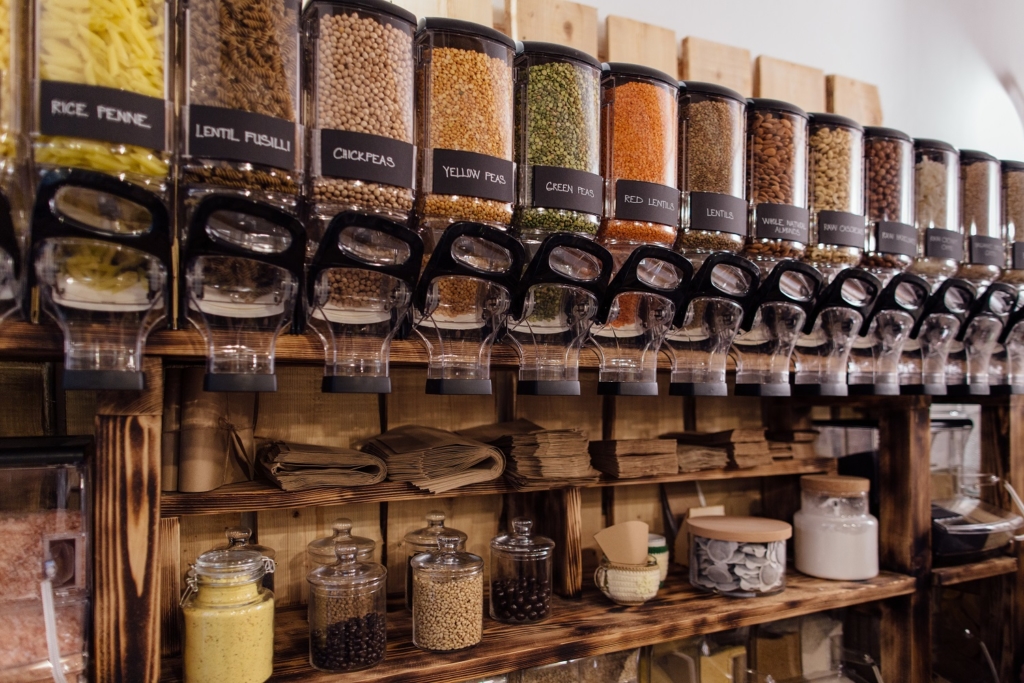
Remember grandma’s era? You brought your own jars to the store. Well, that’s coming back, big time. These aren’t your dusty old health food shops anymore. Think sleek, modern spaces where you can fill up on everything from pantry staples like rice and pasta to cleaning supplies and personal care items. You weigh your container, fill it up, weigh it again, and pay for what you take. Zero packaging waste. It’s brilliant. Plus, you often get higher quality ingredients because they aren’t sitting on shelves in plastic for months.
Navigating the Refill Process: A Step-by-Step Guide
It’s actually super simple. First, bring your own containers. Jars, cloth bags, old plastic tubs – whatever works. Clean them out! Then, head to the bulk section. Find the bin for what you need – maybe some organic quinoa or some eco-friendly laundry detergent. Place your container on the scale and tare it (that means zeroing out the weight). Fill ‘er up! Then take it to the register. They’ll weigh it again, deduct the container’s weight, and charge you by the pound or ounce. Easy peasy.
Finding a Refill Store Near You
This used to be the hard part, but not anymore. There are apps and websites dedicated to mapping out zero-waste stores in your area. A quick Google search for “refill store near me” or “bulk grocery store” will likely turn up several options. Some bigger chains are even starting to offer bulk sections now. Don’t be afraid to ask your local grocery store if they plan to expand their bulk offerings. The more demand there is, the more likely they are to listen!
Composting in an Apartment: Odorless Systems
:max_bytes(150000):strip_icc()/how-to-compost-in-an-apartment-5216891-hero-e4835a7820a547448f351ee386ac60cd.jpg)
Source : thespruce.com
The Myth: Composting Stinks (Literally)
This is the biggest hurdle for apartment dwellers. Everyone thinks composting means a giant, smelly pile in the backyard. Nope. Not even close. Modern apartment composting systems are designed to be compact and, crucially, odorless. Think sleek bins that fit under your sink or on a small balcony. The magic is in the balance: the right mix of “greens” (food scraps) and “browns” (carbon-rich materials like shredded paper or sawdust) and proper aeration. Get it right, and you won’t notice a thing besides maybe a faint earthy smell when you open the lid.
Worm Composting (Vermicomposting) for Small Spaces
Seriously, if you can have a houseplant, you can have a worm bin. These are the ultimate odorless composting machines. You get a special bin, add bedding (like shredded newspaper), and introduce some red wiggler worms. They eat your kitchen scraps – fruit peels, coffee grounds, veggie scraps – and turn it into nutrient-rich worm castings, which are pure gold for plants. The worms are contained, the bin is sealed (mostly), and there’s virtually no smell. Plus, it’s kind of fascinating to watch.
Bokashi: The Fermenting Solution
This is another killer option for small spaces. Bokashi isn’t technically “composting” in the traditional sense; it’s a fermentation process. You use a special airtight bin and sprinkle in an “effective microorganism” bran mixture with your food scraps. This pickles everything. It breaks down virtually all food waste, including meat and dairy (which most composts can’t handle). Once the bin is full, you let it sit for a couple of weeks, and then you bury the fermented material in a planter or community garden. It disappears quickly and without odor.
Electric Composters: The High-Tech Fix
If you want the absolute easiest, most foolproof (and admittedly, less eco-friendly due to energy use) method, check out an electric composter. These countertop gadgets use heat and grinding to break down food scraps in a matter of hours. You end up with a dry, soil-like material that’s great for your plants. It’s super fast, completely odorless, and handles almost anything. Downsides? They cost a bit upfront and use electricity. But for sheer convenience? Hard to beat.
Upcycled Fashion Brands Turning Trash into Couture

Source : dw.com
The Rise of the Conscious Consumer
People are finally waking up. We’re not just buying clothes to wear them once and toss them. We’re looking at where they come from, who made them, and what impact they have. This shift in consciousness is fueling a whole new wave of fashion: upcycled clothing. Instead of just recycling old textiles into lower-grade materials, upcycling takes discarded items – think old jeans, deadstock fabrics, even industrial waste – and transforms them into something better, something high-fashion. It’s creative, it’s sustainable, and it’s seriously cool.
Brands Doing It Right: Examples You Need to Know
There are so many amazing designers out there proving that “trash” can be trés chic. Take Reformation; they’re huge on using deadstock fabrics and recycled materials. Then there’s Eileen Fisher, known for their circular design philosophy and take-back programs. For something edgier, check out Zero Waste Daniel in Brooklyn – he literally makes clothing from 100% post-consumer waste, all meticulously sorted by hand. And don’t forget the smaller artisans creating one-of-a-kind pieces from vintage finds. It’s a movement.
How to Spot Genuine Upcycled Fashion
Be wary of brands slapping “sustainable” on everything. True upcycled fashion isn’t just about using recycled materials; it’s about the transformation. Look for brands that are transparent about their sourcing and their process. Do they clearly state what materials they’re using and where they come from? Do they show off the innovative ways they’re redesigning garments or using waste materials? Often, these pieces will have unique details or a story behind them. That’s the good stuff.
Beyond Brands: DIY Upcycling Projects
You don’t need a fancy studio to get in on the upcycling action. Got a pile of old t-shirts? Cut them into rags or braid them into a rug. Those old jeans? Turn them into shorts or a denim skirt. Even scraps can become patches for other garments or part of a quilt. Pinterest and YouTube are your best friends here. It’s a fantastic way to save money, express your creativity, and keep textiles out of landfills. Think of it as giving your clothes a second life.
How to Throw a Zero-Waste Dinner Party
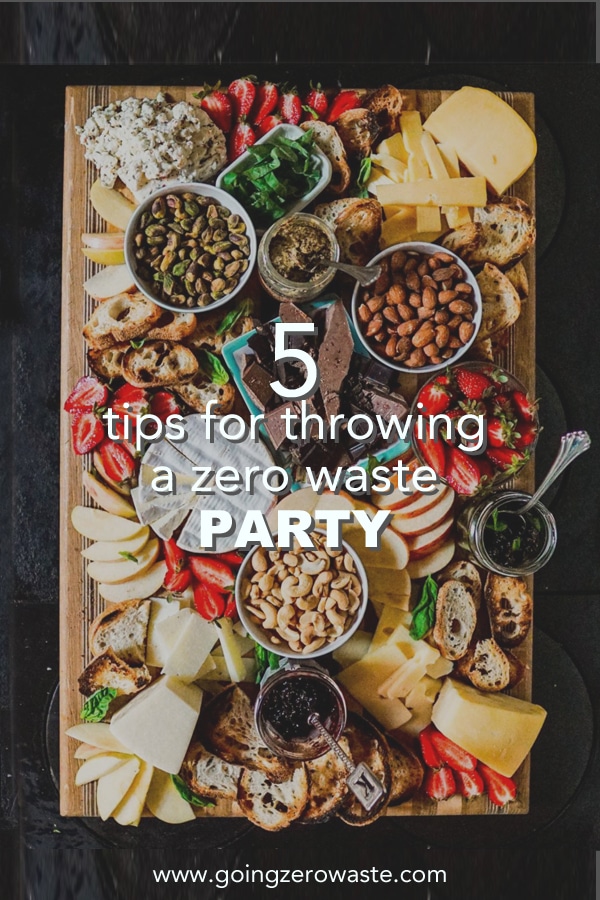
Source : goingzerowaste.com
The Invitation: Setting the Green Tone
Start with the invites. Go digital! Evite, Paperless Post, even a simple email chain works. No paper, no wasted resources. If you must send something physical, use recycled paper and soy-based inks. But honestly, digital is the way to go. Also, subtly mention your zero-waste goal. “We’re trying to keep this party as green as possible, so feel free to bring a reusable container if you want leftovers!” People are more receptive than you think.
The Menu: Sourcing Sustainably and Minimizing Waste
This is key. Plan your menu around seasonal, local produce. Hit up your local farmer’s market – often, vendors will let you bring your own bags or containers. Avoid pre-packaged ingredients whenever possible. Buy whole vegetables, not bagged salads. Consider a vegetarian or vegan main course; meat production has a huge environmental footprint. And for leftovers? Plan for them! Make dishes that reheat well, or have guests bring their own containers for a zero-waste party favor.
Decorations: Natural and Reusable
Ditch the balloons and single-use plastic banners. Seriously. They’re terrible. Instead, opt for natural elements. Use a nice tablecloth (cloth, not paper). Centerpieces can be beautiful arrangements of seasonal flowers from your garden or a local florist (ask them to skip the plastic wrap!), or even just a bowl of fruit. For lighting, use real candles or LED strings you already own. Anything you use for decor should be something you already have or can reuse for future events.
Tableware: Ditch the Disposables, Embrace the Reusables
This is non-negotiable. NO disposable plates, cups, cutlery, or napkins. Use your regular dishes, glasses, and silverware. If you don’t have enough for your guest count, borrow from friends or family. Thrift stores are also amazing places to find cheap, mismatched plates and glasses that add character. For napkins, use cloth. If you’re really stuck on disposables for a large crowd, look for compostable plates and cutlery made from bamboo or sugarcane, but make sure you have a way to actually compost them afterward.
Waste Management: The Bin System
Set up clear stations for your guests. You need:
| Bin Label | What Goes In | Where It Goes |
| Compost | Food scraps (veggie peels, plate scrapings – no meat if using home compost) | Your compost bin or local collection |
| Recycling | Glass bottles, aluminum cans, clean paper products | Your local recycling bin |
| Landfill (Trash) | Anything else that can’t be composted or recycled | Your regular trash bin |
Make the signs clear and big. People generally want to do the right thing; just make it easy for them. And have a plan for the compost afterward – maybe a neighbor with a garden, or a local drop-off point.
Frequently Asked Questions
-
Is going zero-waste even possible when everything is designed for single-use?
Yeah, it’s a massive pain, honestly. Everything from grocery store packaging to takeout containers screams ‘use it once and toss it.’ But ‘impossible’ isn’t really in the zero-waste playbook. It’s more about being ridiculously stubborn and finding workarounds. Think reusable bags, your own coffee cup (every single time), and packing your own snacks. It takes effort, sure, but seeing less trash pile up is a serious win. You just gotta commit to the grind.
-
What are the biggest challenges people face when trying to live with less waste?
Honestly? The sheer inconvenience. It’s like swimming upstream when the world’s built for a lazy float. You’re the weirdo bringing Tupperware to the deli, the one saying ‘no straw, thanks.’ Finding bulk stores isn’t always easy, and sometimes, frankly, it’s just cheaper and faster to grab the pre-packaged junk. Plus, social pressure – nobody wants to be that person holding up the line. But the biggest hurdle? Breaking old habits is tough.
-
How can I realistically reduce waste without making my life overly complicated?
Start small, dude. Don’t try to be a perfect eco-warrior overnight. Focus on one thing. Maybe it’s ditching paper towels for cloths, or committing to reusable water bottles. Hit up your local farmers market – way less packaging. Pack your lunch. These are small tweaks that add up without turning your life upside down. It’s about making conscious choices, not performing a circus act.
-
Does living zero-waste actually save money?
Over time? Absolutely. Buying in bulk is often cheaper than those tiny single-serving packages. You stop buying disposables – think paper plates, plastic wrap, bottled water – which adds up fast. Plus, you tend to cook more at home when you’re avoiding pre-packaged meals. So yeah, while some reusable items have an upfront cost (like a good water filter or stainless steel containers), you’re saving cash in the long run. It’s an investment.
-
What's the deal with composting when you live in an apartment?
Okay, so apartment composting can feel like a logistical nightmare, right? Soggy banana peels in your tiny kitchen? No thanks. But there are actually some slick solutions. Bokashi systems are great – they ferment your food waste and don’t stink. Countertop electric composters are pricey but quick. Or, look for local community composting drop-off points. Many cities have them now. It’s not as impossible as you think, and it’s a great way to reduce food waste.