Holistic Pet Care Is No Longer Niche
Forget what you think you know about pampering your pets. This isn’t about designer sweaters or gourmet kibble anymore, though those still have their place. We’re talking about a seismic shift in how we view our furry (or scaly, or feathered) family members. Holistic pet care trends are exploding, and honestly, it’s about time.
Source : gingrapp.com
For years, vets focused on vaccines and treating sickness. That was it. Now? We’re looking at the whole picture. Wellness for pets means considering their mental state, their diet down to the molecular level, and even their spiritual well-being (yes, you read that right). It’s a huge change.
Think about it. Your dog isn’t just an animal; he’s your confidant, your shadow, your furry alarm clock. Your cat isn’t just a rodent-catcher; she’s a tiny tiger demanding respect and naps. They have complex needs, and ignoring them is, frankly, lazy. This new wave of pet parenting digs deeper.
We’re moving beyond just “sick care” and into genuine preventative pet health. It’s proactive, it’s personal, and it’s frankly way more rewarding. So, grab a coffee, pull up a chair. Let’s dig into what’s really happening in the world of holistic pet care.
Why the Big Shift to Holistic Pet Wellness?
Honestly, it’s a mix of things. For starters, people are finally treating pets like actual family. Our pets are no longer just ‘animals’; they’re our kids, our confidantes, the furry heart of our homes. This emotional connection naturally leads to wanting the absolute best for them, beyond just basic survival.
Plus, let’s be real, the internet has made information about everything accessible. People are doing their own research, questioning the old ways. They see traditional approaches sometimes fall short, especially with chronic issues or behavioral problems. So, they start looking for alternatives, for something more complete.
And the science? It’s catching up. We’re learning more about the gut microbiome’s impact on everything from immunity to mood (yes, pets have moods!). We’re understanding how stress affects animals and what we can do about it. This new knowledge is fueling the demand for better pet nutrition and mental well-being.
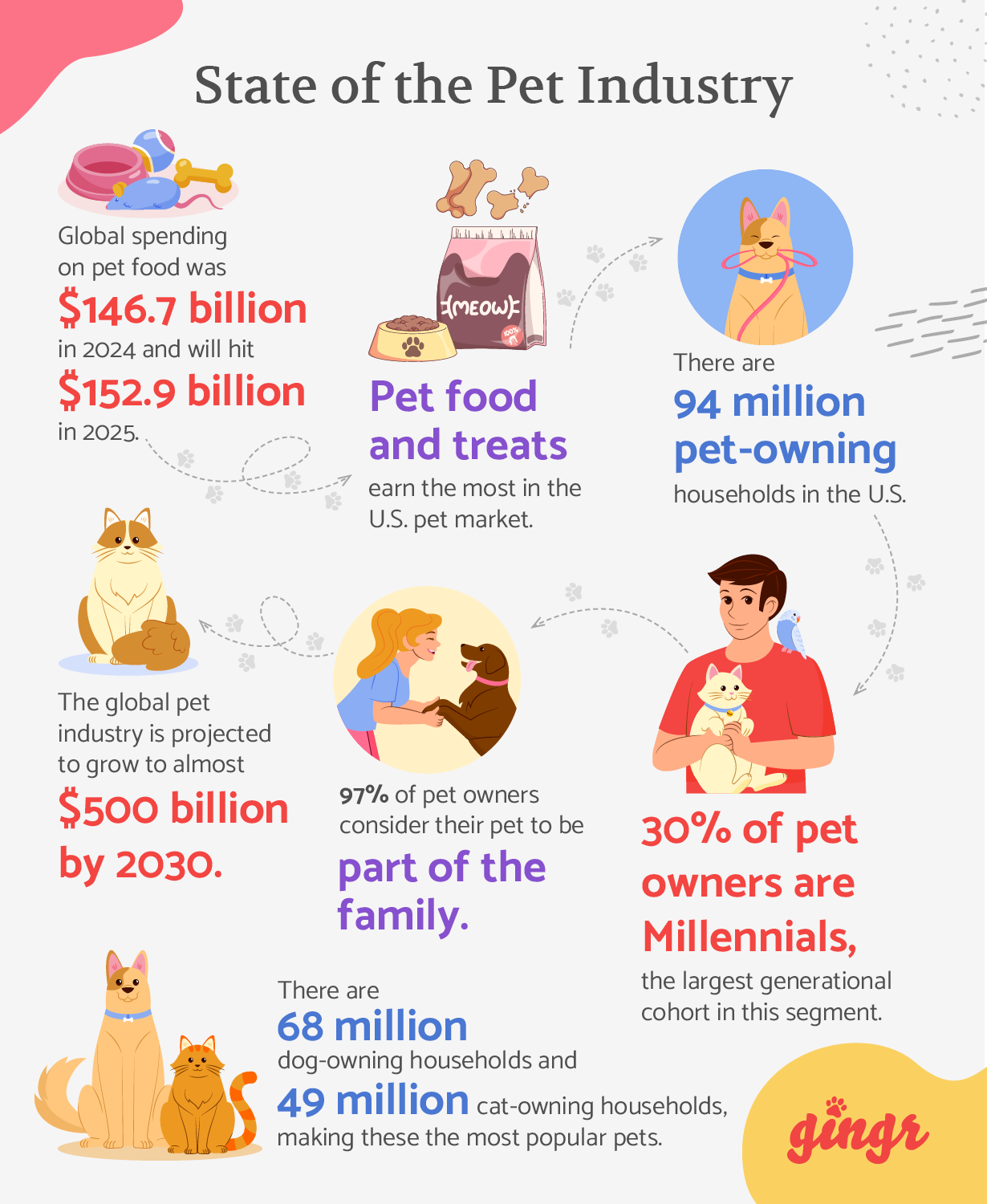
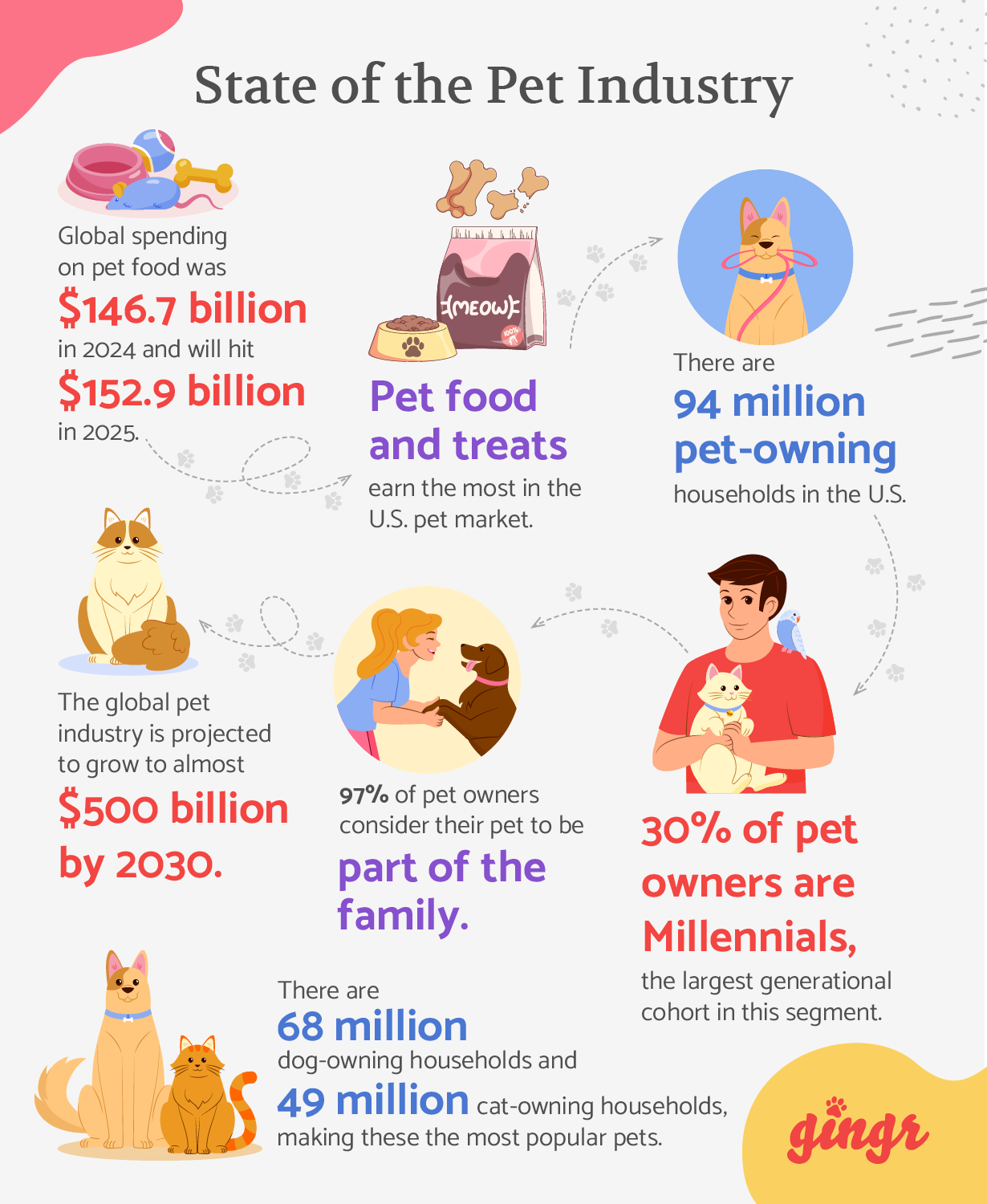
Think about the stats: The pet industry is booming, and a huge chunk of that growth is in premium products and services focused on health and wellness. People are willing to spend serious money to ensure their pets live long, happy, and healthy lives. This isn’t a fad; it’s a fundamental change in our relationship with animals.
Consider the growing awareness around specific ingredients in pet food, the rise of pet anxiety medications, or even the popularity of doggie daycare and specialized training. All these point to a deeper understanding that our pets need more than just food and shelter. They need a comprehensive approach to their entire well-being.
The Pillars of Holistic Pet Care
So, what does this “holistic” approach actually look like in practice? It’s not one single thing, but a combination of factors working together. Think of it like building a strong house; you need a solid foundation and several key supports. Here are the main pillars:
Top-Tier Pet Nutrition
This is non-negotiable. Forget those bags of generic kibble filled with fillers and mystery meats. We’re talking high-quality, species-appropriate food. Many owners are opting for fresh pet food, raw diets, or carefully selected commercially prepared foods with transparent ingredient lists. It’s about giving your pet the fuel they need to thrive, not just survive. It’s like choosing organic, farm-fresh produce for yourself instead of processed junk. Your pet’s gut health, energy levels, and even skin and coat quality directly depend on this. Many owners are seeing incredible results, from reduced allergies to brighter eyes. It’s a fundamental change that makes a massive difference.
Mindful Mental and Emotional Health
Our pets feel things, folks. They get bored, anxious, stressed, and happy. A holistic approach recognizes this and prioritizes their mental state. This means enrichment activities, like puzzle toys that challenge their brains, consistent training using positive reinforcement (no more shock collars, please!), and ensuring they have plenty of social interaction – with you, and sometimes with other pets. Think about your own mental health: you need stimulation, connection, and downtime. Your dog or cat is no different. Ignoring their mental well-being is like leaving half the equation out. A stressed pet is often an unhealthy pet, leading to behavioral issues or even physical ailments.
Preventative Veterinary Care
This isn’t about ditching your vet; it’s about working with them more proactively. Holistic vets often look beyond just symptoms to find root causes. They might incorporate things like acupuncture, chiropractic care, or herbal supplements alongside conventional treatments. The goal is to strengthen the pet’s body and immune system to prevent illness before it starts. Think of it as regular maintenance for your car; you get the oil changed, tires rotated, to avoid major breakdowns later. This proactive pet health philosophy saves money and heartache in the long run. It’s a partnership for your pet’s longevity.
Environmental Well-being
The spaces our pets inhabit matter. This pillar focuses on creating a safe, non-toxic environment. It includes using natural cleaning products, choosing pet-safe toys, and being mindful of the plants in your home (some are toxic!). It also extends to ensuring their sleeping areas are comfortable and their exercise needs are met. A calm, clean, and stimulating environment contributes significantly to a pet’s overall health and happiness. For example, simply switching to a natural flea shampoo can make a huge difference for a sensitive pet. It’s about minimizing their exposure to harmful chemicals and maximizing their comfort.
Movement and Physical Fitness
Just like us, pets need to move! Regular exercise is crucial for maintaining a healthy weight, strong muscles and bones, and a happy cardiovascular system. This pillar is about tailored physical activity. For a young, energetic dog, it might be long hikes and agility training. For an older cat, gentle play sessions and climbing structures might be more appropriate. It’s about understanding your specific pet’s breed, age, and physical condition to provide the right kind of movement. Overweight pets are becoming a serious problem, leading to diabetes and joint issues. Getting them moving is key. It’s not just about burning energy; it’s about promoting a healthy body.
Wearable GPS and Health Monitors for Dogs

Source : mashable.com
Honestly, who hasn’t lost their dog for a heart-stopping minute? It’s a nightmare scenario. But now, we’ve got tech that’s practically a superhero cape for your pup. These dog GPS trackers aren’t just for finding Fido when he decides to go on an unauthorized sniff-venture. They’re packed with sensors that can tell you if your dog’s heart rate is off the charts or if he’s suddenly gone totally sedentary. Think of it like a Fitbit, but for your furry best friend. It’s the ultimate peace of mind, wrapped around their neck.
Always Know Where Your Pup Is
Never again will you have to panic-search your neighborhood. These devices give you real-time location updates right on your phone. It’s a lifesaver, especially if your dog is a known escape artist or you live near a busy road.
Monitoring Your Dog’s Vital Signs
Beyond just location, these gadgets are getting seriously smart. They track activity levels, sleep patterns, and even potential health anomalies. Catching a problem early can make all the difference.
The Latest Smart Collar Features
Forget basic trackers. We’re talking temperature alerts, fall detection, and even remote training assistance features. It’s like having a tiny, highly attentive vet and security guard rolled into one.
The Raw Diet Debate for Felines in 2026

Source : purina-arabia.com
Okay, let’s talk cats. These aren’t dogs; they’re picky little overlords. And the raw food diet? It’s a hot-button issue. Proponents swear it’s the closest thing to what cats evolved to eat, packed with nutrients and moisture. Skeptics? They worry about bacteria and nutritional imbalances. In 2026, the debate is still raging, but the quality and accessibility of raw cat food options are miles ahead of where they were just a few years ago.
What Exactly is a Raw Diet for Cats?
It’s pretty much what it sounds like: uncooked meat, bones, and organs. Think chicken thighs, beef hearts, maybe some fish. The idea is to mimic a cat’s natural prey.
Potential Benefits of Feeding Raw
Fans report shinier coats, better digestion, and more energy in their cats. Some vets even see improvements in dental health. It’s a significant shift from kibble, that’s for sure.
Risks and How to Mitigate Them
Salmonella. E. coli. Those are the big scary words. But careful sourcing, proper handling, and sometimes, commercial freeze-dried raw options can seriously reduce these risks.
Is It Right for Your Specific Cat?
Age, health conditions, and even your cat’s personality play a role. It’s not a one-size-fits-all solution. You’ve gotta do your homework and probably chat with your vet.
Pet Acupuncture and Alternative Therapies

Source : wvcvet.com
My old golden retriever, Buster, used to limp something fierce after long walks. Regular vet visits helped, but it was the acupuncture sessions that really turned things around. He’d practically ask to go. Seriously. It sounds a bit out there, I know, but there’s a growing movement for holistic pet care that’s proving surprisingly effective. Beyond needles, we’re seeing more interest in things like chiropractic adjustments and herbal remedies.
Acupuncture for Pain and Mobility
This ancient practice targets specific points to stimulate healing and relieve pain. It’s often used for arthritis, back issues, and general discomfort in pets. Buster certainly felt the difference.
Chiropractic Care for Spinal Health
Just like humans, pets can benefit from spinal alignment. This can help with nerve function and overall physical well-being, especially for active or working dogs.
Herbal Remedies and Supplements
From calming teas to joint-support tinctures, plant-based solutions are gaining traction. It’s about using nature’s pharmacy to support your pet’s health.
When to Consider Alternative Treatments
If your pet isn’t responding to conventional methods, or if you’re looking for a gentler approach to manage chronic conditions, these therapies are definitely worth exploring.
CBD Treats for Pet Anxiety Dosage and Safety

Source : austinandkat.com
Look, we all get stressed. And our pets? They’re not immune. Loud noises, separation, vet visits – it all takes a toll. CBD has exploded onto the scene as a potential way to help our furry friends chill out. But here’s the kicker: dosing and safety are HUGE. You can’t just wing it. Finding the right CBD treats for dogs that are specifically formulated for them is key. They’re not getting high; they’re potentially getting relief from anxiety.
Understanding How CBD Works for Pets
It interacts with their endocannabinoid system, which helps regulate things like mood, sleep, and pain. It’s about bringing things back into balance.
Dosage Guidelines: It’s Not One-Size-Fits-All
This is critical. Factors like weight, breed, and the severity of anxiety play a massive role. Start low and go slow is the mantra here.
What to Look for in Quality CBD Products
Third-party lab testing is non-negotiable. You want to see certificates of analysis (COAs) that confirm purity and potency. Avoid products with THC.
Potential Side Effects and Precautions
While generally safe, some pets might experience drowsiness or an upset stomach. Always consult your vet before starting any new supplement.
Eco-Friendly Pet Toys and Biodegradable Waste Bags

Source : walmart.com
We love our pets, but let’s be real: they can be walking, wagging, pooping environmental hazards. All those plastic toys piling up? And don’t even get me started on the sheer volume of waste bags we go through. Thankfully, the market is finally catching up. Companies are stepping up with eco-friendly pet products that let us spoil our pals without trashing the planet. Think toys made from recycled materials and compostable poop bags that actually break down.
The Impact of Pet Products on the Environment
Plastic toys that end up in landfills, non-biodegradable waste bags… it all adds up. Our furry companions deserve a clean planet too, right?
Materials Matter: Recycled and Natural Options
We’re seeing awesome toys made from recycled plastic bottles, natural rubber, and hemp. They’re durable, safe, and way better for the earth.
Biodegradable vs. Compostable: What’s the Difference?
Big difference! Biodegradable just means it’ll break down eventually. Compostable means it’ll break down under specific conditions, ideally in a commercial compost facility. Look for certifications.
Making the Switch: Small Changes, Big Impact
Choosing a compostable poop bag or a toy made from recycled materials might seem small, but collectively, it makes a massive difference. It’s about conscious consumption.
| Product Category | Eco-Friendly Material Examples | Environmental Benefit | Considerations |
|---|---|---|---|
| Pet Toys | Recycled plastic, natural rubber, hemp, organic cotton | Reduces landfill waste, uses fewer virgin resources | Durability, non-toxicity, pet safety |
| Waste Bags | Compostable PLA, plant-based starches, recycled materials | Breaks down naturally, reduces plastic pollution | Certification (e.g., ASTM D6400), proper disposal |
| Bedding & Furniture | Organic cotton, recycled polyester fill, bamboo fabric | Lower water usage, fewer pesticides, diverts waste | Washability, pet comfort |
| Food Bowls | Bamboo, stainless steel, recycled plastic | Long-lasting, reduces single-use plastic, uses recycled content | Ease of cleaning, durability |
Frequently Asked Questions
-
What exactly is holistic pet care?
Look, holistic pet care is basically about treating your furry buddy as a whole package, not just their symptoms. Think less about just a pill for a cough and more about why they’re coughing. It covers everything – their food, their environment, their mental state, and yes, sometimes traditional vet stuff too. It’s about finding what makes your pet truly thrive, inside and out. We’re talking about a big picture approach to keeping them healthy and happy for the long haul.
-
Is holistic pet care more expensive?
It can be, sometimes. High-quality, organic food costs more than the cheap stuff, and specialized therapies like acupuncture or massage aren’t always covered by insurance. But here’s the thing: if it keeps your pet healthier and prevents big, expensive vet bills down the road? It might actually save you money in the long run. Plus, a happy, healthy pet is priceless, right?
-
What are some easy ways to start with holistic care at home?
You don’t have to go full-on guru overnight! Start simple. Switch to a better quality pet food – read the labels, avoid fillers. Add some safe, fresh veggies to their meals. Make sure they get enough exercise and mental stimulation – puzzle toys are great for this. And just pay closer attention to their behavior. You know your pet best, so tune into what they’re telling you. A calm home environment also makes a huge difference.
-
Are there natural remedies for common pet issues?
Absolutely. For things like mild anxiety, chamomile or lavender can be calming. For upset stomachs, plain pumpkin puree is a lifesaver. Coconut oil is great for skin and coat health. But seriously, always check with your vet before trying any new remedy, especially if your pet has existing health conditions. What works for one might not work for another, and we don’t want to make things worse. It’s about smart, natural solutions, not guesswork.
-
How do I find a holistic vet or practitioner?
Word of mouth is huge here. Ask other pet owners in your community, especially those who are also into holistic approaches. Check online directories for certified veterinary acupuncturists, chiropractors, or nutritionists. Look for vets who are open to integrating conventional and alternative therapies – they’re often called integrative vets. Don’t be afraid to interview a few before settling on one. You want someone who listens and truly cares about your pet’s overall well-being.