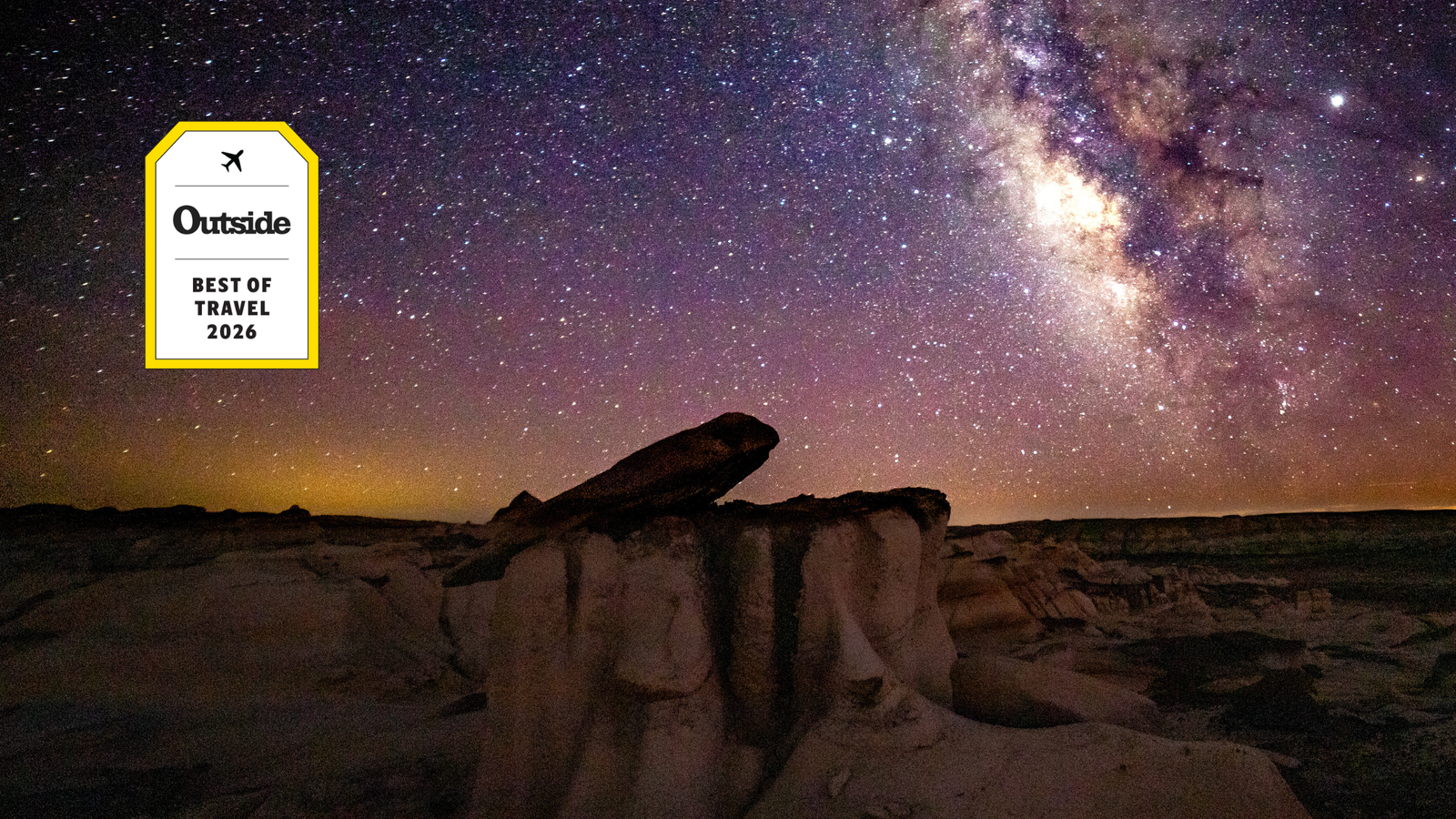
Astrotourism: Your Ticket to the Cosmos
Ever looked up at a clear night sky, felt that little tug of wonder, and thought, “Man, I wish I could see that better?” Yeah, me too. For ages, we’ve been content with squinting at the heavens, maybe catching a fleeting meteor. But what if I told you there’s a whole universe of travel dedicated to getting you up close and personal with the cosmos? Welcome to the wild, starry world of astrotourism.
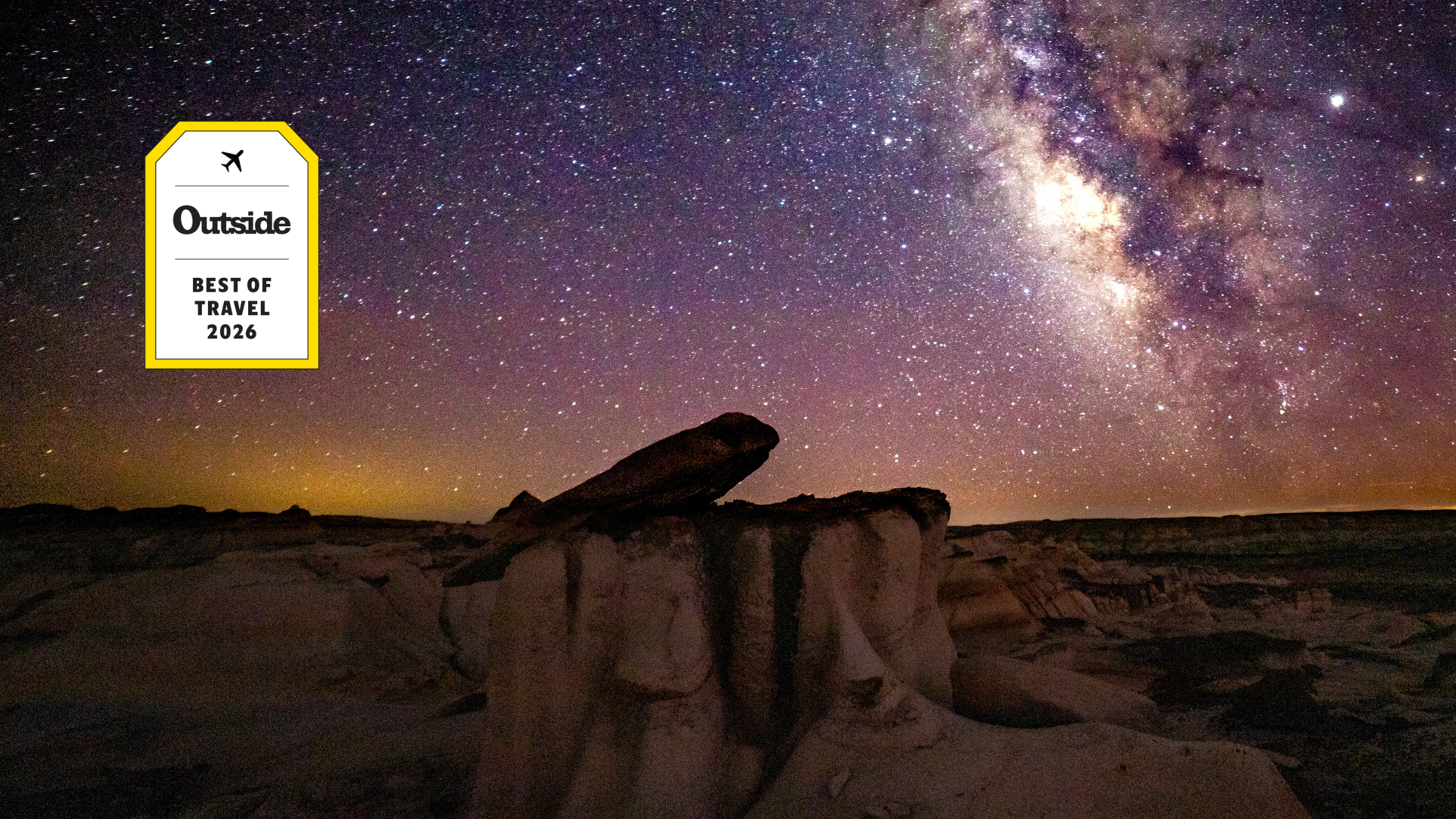
Source : outsideonline.com
This isn’t just about finding a dark spot away from city lights. Oh no. This is about planning trips, booking accommodations, and sometimes even joining tours specifically designed to give you a front-row seat to celestial shows. Think chasing the Northern Lights in Iceland, exploring ancient observatories in Chile, or camping out under the darkest skies in the American Southwest. It’s travel with a cosmic twist, and honestly, it’s becoming one of the coolest ways to see the world—and beyond.
What Exactly is Astrotourism?
Alright, let’s break it down. Astrotourism, or space tourism for the earthbound, is essentially traveling to places with exceptional astronomical viewing opportunities. This could mean heading to a designated Dark Sky Park where light pollution is virtually nonexistent, or perhaps a region known for its clear skies and lack of atmospheric interference. It’s about intentionally seeking out places that offer the best possible views of the stars, planets, and other celestial phenomena.
It’s a booming industry, and for good reason. We’re living in an era where people are rediscovering the awe of the night sky. After generations spent living under increasingly bright city lights, there’s a genuine hunger to reconnect with the universe. Astrotourism feeds that hunger, offering experiences that are both educational and incredibly humbling. You’re not just a tourist; you’re an explorer, gazing out at the same wonders humans have marveled at for millennia. It’s a pretty profound connection, if you ask me.
Many destinations are actively promoting themselves as astrotourism hotspots. They’re investing in observatories, dark-sky-friendly lighting, and educational programs. It’s smart business, sure, but it also highlights a growing appreciation for the night sky as a valuable natural resource. Places like Astrotourism.com are trying to map out these spots and share the passion. Pretty neat, right?
Why Now? The Rise of the Stargazers
So, why all the buzz around looking up now? Several factors are at play. For starters, we’re more connected than ever, and information about celestial events spreads like wildfire. Think about that total solar eclipse a few years back—everyone was talking about it! Social media plays a huge role, too. People share these breathtaking shots of the Milky Way, and suddenly, your average Joe wants to capture that magic for themselves. It’s aspirational travel at its finest.
Then there’s the growing awareness about light pollution. Many people simply don’t realize how much they’re missing out on. Once they experience a truly dark sky, it’s a revelation. It’s like going from watching a fuzzy black-and-white TV to a giant, crisp 4K screen. You suddenly see the depth, the detail, the sheer immensity of it all. This growing awareness has led to more conservation efforts, like the International Dark-Sky Association, protecting these precious dark skies.
Plus, let’s be honest, escaping the everyday grind is a massive draw. Staring at the stars is inherently calming. It puts our daily worries into perspective. When you’re contemplating galaxies billions of light-years away, that overflowing email inbox seems a little less daunting. It’s a form of mindfulness, a way to reconnect with something bigger than ourselves. This deep sense of peace is a huge selling point for stargazing travel.
Top Spots for Astrotourism Adventures
Ready to pack your bags? Deciding where to go is half the fun. You’ve got options, from remote desert landscapes to mountain peaks. It really depends on what you want to see and experience. Are you hoping for a glimpse of the Aurora Borealis, or is the Milky Way your main target? Do you prefer rugged camping or a cozy lodge with a telescope on the roof?
Some places are legendary for a reason. Places like the Atacama Desert in Chile are practically tailor-made for astronomy. Its high altitude, dry air, and minimal light pollution make it one of the best places on Earth to observe the night sky. Then you have national parks in the U.S. and Canada that have earned International Dark Sky Park status, working hard to preserve their starry nights. It’s becoming a whole travel niche. This guide from Road Scholar gives a good overview of some fantastic destinations.
Desert Dreams: Dark Skies Aplenty
Deserts are often the go-to for serious stargazing. Think vast, open spaces with minimal obstructions and incredibly low humidity. Places like the American Southwest are famous for this. You can find designated dark sky parks like Natural Bridges National Monument in Utah, which was the world’s first. Or head to Death Valley National Park for an equally stunning, albeit hotter, experience. These locations often have ranger-led programs, making them super accessible for beginners.
Australia also boasts some incredible dark sky reserves, like the Warrumbungle National Park. It’s a place where you can truly lose yourself in the cosmos. The sheer clarity of the stars there is mind-blowing. It makes you feel tiny, in the best possible way. Plus, you get to explore unique landscapes during the day. Talk about a win-win.
Mountain Majesty: Closer to the Stars
If deserts aren’t your vibe, mountains offer a fantastic alternative. Higher altitudes mean you’re literally closer to space, above much of the atmosphere’s haze. Hawaii’s Mauna Kea is a prime example, home to some of the world’s most advanced astronomical observatories. While access to the summit might be restricted, the visitor center offers incredible stargazing programs. It’s a seriously cool place to visit, even if you’re not a science buff.
Other mountainous regions worldwide also offer brilliant night skies. Consider the Alps or the Himalayas. While these might be more challenging destinations, the reward of seeing the Milky Way arching over snow-capped peaks is, well, unforgettable. Many mountain lodges are now catering to stargazers, offering telescopes and guided tours. It’s a growing trend that combines adventure with cosmic wonder.
Polar Pursuits: Chasing the Lights
And then there are the poles, the ultimate frontier for a specific kind of astrotourism: chasing the Aurora Borealis (and Australis!). Seeing the Northern Lights dance across the sky is a bucket-list item for so many people. Places like Iceland, Norway, and Alaska offer prime viewing opportunities. You’re not just looking up; you’re witnessing one of nature’s most spectacular light shows.
It’s not just about the lights, though. These regions offer unique adventures during the day, from glacier hiking to dog sledding. It’s a full Arctic (or Antarctic) experience. Just remember to pack warm! Seriously, it gets cold out there, but the memories are worth every shiver.
The Best Certified Dark Sky Parks in the US
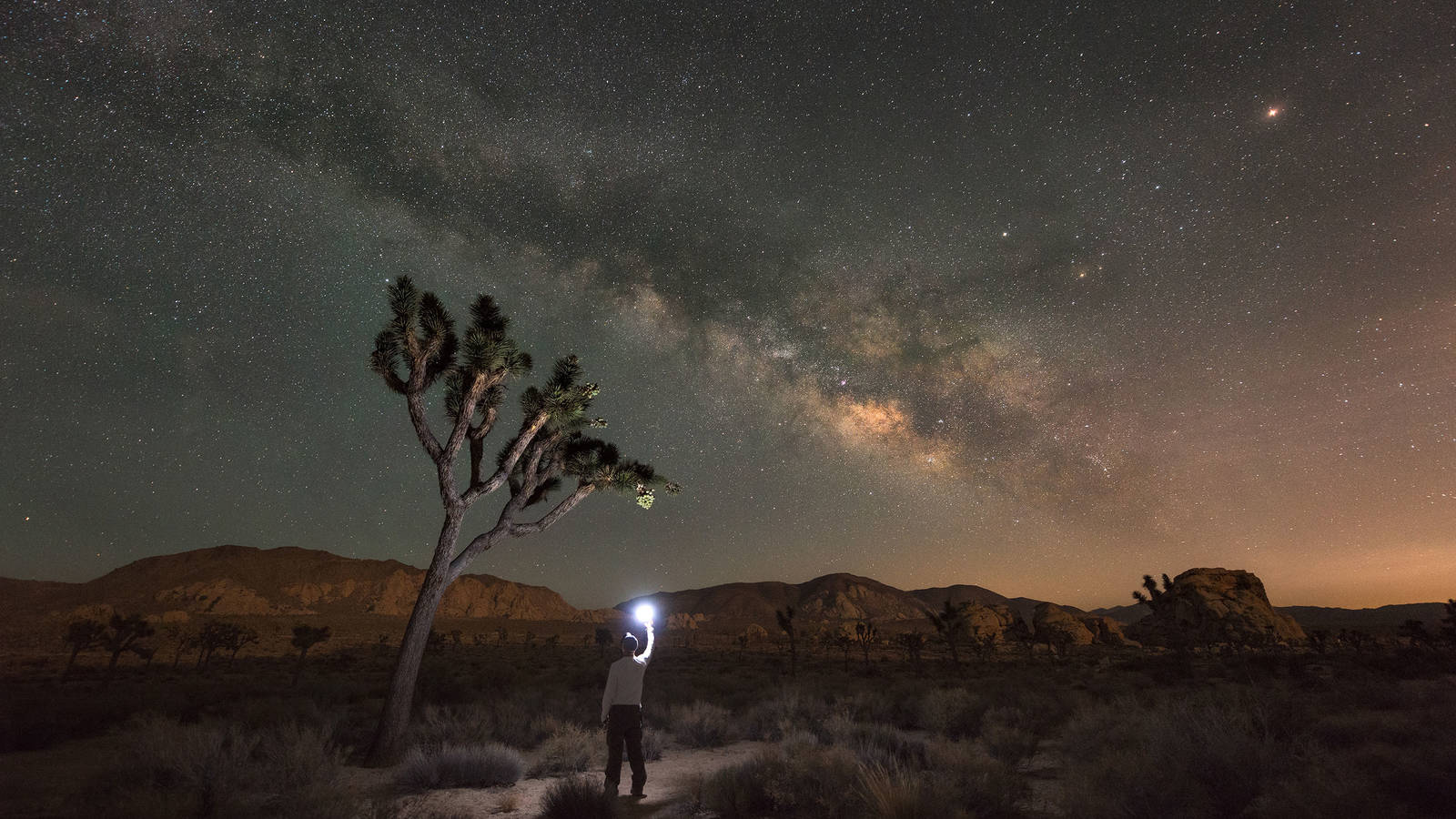
Source : npca.org
Forget those grainy photos and fuzzy blobs you call constellations. Real stargazing? It’s a whole different ballgame. And to truly experience it, you need to get away from the glow. Thankfully, the International Dark-Sky Association (IDA) has got our backs, certifying spots where the night sky is, well, actually dark. We’re talking about places where you can see the Milky Way arching overhead like a spilled bag of glitter. Seriously, it’s that good. These parks aren’t just dark; they’re actively protecting that darkness. It’s a big deal for everything from wildlife to our own sense of wonder. So, if you’re itching for a celestial spectacle, here’s where you need to point your car.
Grand Canyon National Park: A Desert Jewel
Yeah, the Grand Canyon is famous for its jaw-dropping daytime views. But trust me, when that sun dips below the horizon, it transforms. This place is an International Dark Sky Park, and it earns that title every single night. You’re miles from any major city, so the air is crisp and the sky is thick with stars. Imagine looking up from the rim, seeing a million pinpricks of light, and then realizing that’s just a fraction of what’s really out there. The vastness of it all? Humbling. It’s one of those sights that stays with you long after you’ve left. A truly epic dark sky experience.
Big Bend National Park: Texas After Dark
Don’t let anyone tell you Texas is all tumbleweeds and rodeos. Big Bend, way out in West Texas, is a bona fide stargazing paradise. It’s HUGE, and seriously remote. That isolation is its superpower. The park boasts one of the darkest, clearest night skies in the entire United States. We’re talking Milky Way visibility that’ll make your jaw hit the dusty ground. They even host an annual Night Sky Festival. Plus, the desert landscape under the stars? Unbeatable. Pack your warmest jacket; desert nights get chilly, but the celestial show is worth every shiver.
Death Valley National Park: More Than Just Heat
Most folks think Death Valley and picture scorching temperatures and endless sand. And yeah, it’s hot. But when night falls, this extreme environment reveals its other, more magical side. It’s a designated International Dark Sky Park, and it’s seriously impressive. The sheer scale of the place means you can find incredibly dark spots away from even the park’s limited visitor centers. The stark beauty of the desert floor, with mountains silhouetted against a sky bursting with stars, is something else. It’s a stark reminder of how small we are, in the best possible way. Perfect for a unique stargazing trip.
Astrophotography Tips for Beginners

Source : optcorp.com
So, you’ve seen those mind-blowing photos of nebulae and galaxies online, right? Makes you want to grab your camera and try to capture that magic yourself. Good news: you can! It’s not as complicated as it looks, though it definitely takes patience. Forget just pointing your phone up; you’ll need a little more gear and a few tricks. But even with a decent DSLR and a little know-how, you can start bringing home some truly stunning shots of the cosmos. It’s about more than just taking a picture; it’s about preserving that awe-inspiring moment when you looked up and felt connected to something bigger. Ready to capture the night sky?
Gear Up: What You Actually Need
Okay, let’s talk equipment. You don’t need to drop your life savings on a telescope right away. A good entry-level DSLR or mirrorless camera is your best friend here. The key is manual control. You’ll also need a sturdy tripod. No exceptions. Trying to take long-exposure shots handheld is like trying to build a house on a trampoline – pure frustration. A remote shutter release or using your camera’s timer helps too, so you don’t shake the camera when you press the button. Seriously, a solid tripod makes all the difference. And maybe a wide-angle lens with a fast aperture (like f/2.8 or lower) to let in as much light as possible. That’s your starting kit.
Master the Settings: Beyond Auto
This is where the magic happens. Forget “Auto” mode. You need to go manual. Crank your ISO up – maybe 1600, 3200, or even higher, depending on your camera’s noise performance. You’re looking for light, after all. Then, get your shutter speed working for you. Try 15-30 seconds. This captures more light than a quick snapshot. Focus? Infinity. But here’s the trick: manual focus to infinity on your lens often isn’t perfect. Focus on a bright star or distant light manually until it’s a sharp pinpoint. It’s a bit of trial and error, but manual focus is crucial.
Compose and Capture: Storytelling in the Dark
What makes a great astrophoto? It’s not just a sea of stars. Think about adding foreground elements. A silhouette of a tree, a mountain range, or even a cool rock formation can add depth and context. It tells a story. Remember to take multiple shots! You might need to adjust your ISO or shutter speed based on the conditions. And editing? Oh yeah. Post-processing is key. You’ll want to bring out the details, adjust contrast, and maybe reduce noise. Software like Adobe Lightroom or even free options like Darktable can work wonders. Don’t be afraid to experiment; post-processing enhances detail.
Upcoming Meteor Showers to Plan Your Travel Around

Source : rochesterfirst.com
Everyone loves a good meteor shower. It’s like nature’s fireworks display, totally free and way more profound. But here’s the secret: you can plan trips around them. Instead of just hoping you catch a few stray shooting stars, why not aim for the peak? We’re talking about nights where the sky could be lit up with dozens, even hundreds, of meteors per hour. That requires a little planning – finding a dark sky location (see the last section, wink wink) and timing it right. So, let’s look at the big events coming up that are absolutely worth packing your bags for.
The Perseids: Summer’s Celestial Spectacle
Okay, the Perseids in August? This is the rockstar of meteor showers. Usually hits peak around August 11th-13th. Why’s it so popular? Reliability. It’s consistently one of the most active showers of the year, often producing 50-100 meteors per hour under ideal conditions. Plus, August weather is usually pretty decent in many places. Just imagine: warm summer night, lying back on a blanket, and watching streaks of light blaze across the sky. It’s pure magic. Find a spot away from city lights, preferably somewhere like a certified dark sky park, and prepare to be amazed.
The Geminids: A December Surprise Party
Don’t let the cold fool you. The Geminids, peaking around December 13th-14th, are often the BEST meteor shower of the year. Seriously. They can be incredibly bright and numerous, sometimes exceeding 100-150 meteors per hour. The parent body is an asteroid, 3200 Phaethon, which is unusual. Meteors from the Geminids can be slow-moving and often yellow, and sometimes even produce fireballs. Just bundle up like you’re going on an arctic expedition. A clear, cold December night, far from light pollution, with a sky full of Geminids? Unforgettable. It’s a must-see meteor event.
The Quadrantids: A January Blaze
Want to kick off the new year with a bang? The Quadrantids, peaking in early January (usually around the 3rd or 4th), can be surprisingly intense. While the shower itself is active for a while, the peak is relatively short and sharp, sometimes delivering 80-120 meteors per hour. Like the Geminids, they can be bright and fast. The catch? January can be cloudy in many regions. But if you get a clear night, especially in the Northern Hemisphere where it’s best viewed, it’s absolutely worth staying up for. A real treat for dedicated stargazers.
High-Tech Telescopes for the Amateur Astronomer
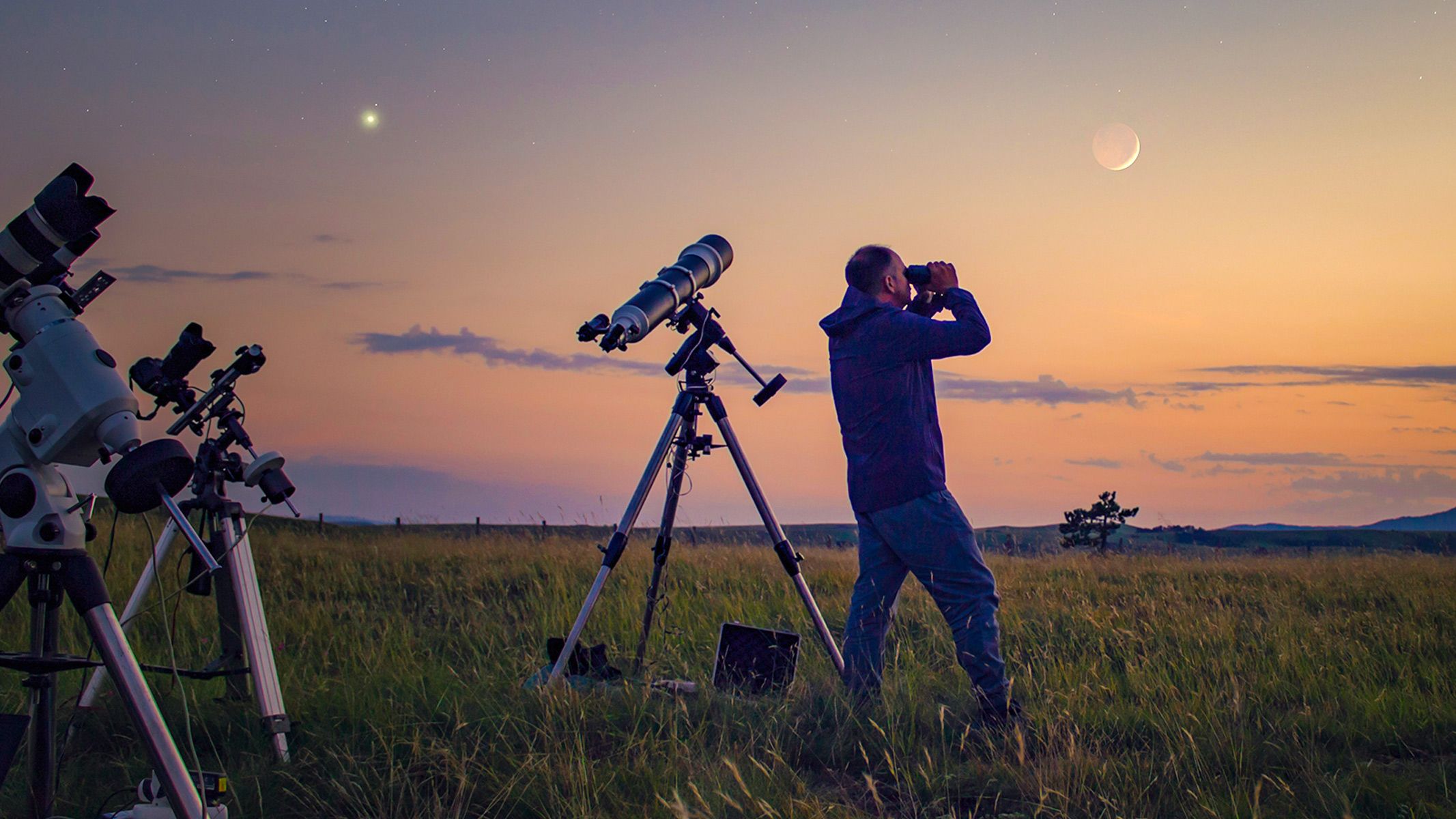
Source : space.com
So, you’ve seen the planets through binoculars, maybe even your first basic telescope. It’s cool, but you crave more. You want to see those rings of Saturn with clarity, resolve the craters on the Moon, maybe even glimpse distant galaxies. That’s where the serious hobbyist gear comes in. We’re talking about telescopes that use advanced tech to make finding and viewing celestial objects easier and more detailed than ever before. These aren’t your grandpa’s reflectors (though those are great too!). These are sophisticated instruments designed for the curious mind ready to explore the universe. It’s an investment, sure, but the payoff? Seeing the cosmos like never before.
Go-To Mounts: Finding Objects is a Breeze
The biggest hurdle for new astronomers? Finding things. The sky is vast, and even planets can be tricky to locate if you’re not skilled with star charts. Enter the “Go-To” mount. This is a computerized mount that connects to your telescope. You input the object you want to see (say, Jupiter), and the mount automatically slews the telescope right to it. It uses a built-in database and often a hand controller or even smartphone app. It’s like having a robotic assistant guiding your celestial tour. Makes exploring galaxies and nebulae incredibly accessible. Absolutely essential for many beginners.
Smart Telescopes: The Future of Viewing
Now, let’s talk about the bleeding edge: smart telescopes. These combine optics with powerful processing and often Wi-Fi connectivity. Many have built-in cameras that help them automatically align themselves and even identify celestial objects. Some even let you stream what the telescope sees directly to your phone or tablet. Imagine pointing your telescope at the sky, and seeing a live feed of the Orion Nebula on your device, automatically tracked and enhanced. Companies like Unistellar and Vaonis are leading the charge here. It’s technology making deep-sky observation incredibly user-friendly.
Dobsonians: Pure Aperture Power
For those who prioritize sheer viewing power without breaking the bank on complex electronics, the Dobsonian telescope is king. It’s a type of reflector telescope mounted on a simple, sturdy base. The beauty lies in its simplicity and the fact that you get a lot of aperture (the diameter of the main mirror, which determines light-gathering ability) for your money. Larger Dobsonians (10 inches and up) can reveal incredible detail in planets, nebulae, and even galaxies that smaller or more expensive computerized scopes might miss. They require manual pointing, but the views are often spectacular. Pure, unadulterated light collection.
| Telescope Type | Pros | Cons | Best For |
|---|---|---|---|
| Refractor | Sharp, high-contrast images; low maintenance. | Expensive for large apertures; can be heavy. | Planetary viewing, terrestrial use. |
| Reflector (Newtonian) | Excellent value for aperture; great light-gathering. | Requires collimation (mirror alignment); secondary mirror obstruction. | Deep-sky objects, galaxies, nebulae. |
| Catadioptric (Schmidt-Cassegrain, Maksutov-Cassegrain) | Compact design; combines mirror and lens; good for planets and deep-sky. | More expensive; image quality can vary. | Versatile, portable astronomy. |
| Dobsonian | Largest aperture for the price; simple to use (alt-azimuth mount). | Bulky; manual tracking. | Serious deep-sky observing on a budget. |
| Smart Telescope | Automated setup and tracking; user-friendly; often includes camera. | Limited aperture; can be costly; reliant on software. | Beginners wanting immediate results with minimal fuss. |
The Push to Reduce Urban Light Pollution

Source : archdaily.com
Ever been in a city on a clear night and looked up? Pretty underwhelming, right? All those streetlights, building lights, billboards… they drown out the stars. This is light pollution, and it’s a growing problem. It’s not just ruining stargazing; it messes with wildlife, wastes energy, and honestly, it disconnects us from the night sky that humans have looked at for millennia. Thankfully, more and more people are waking up to this. There’s a real movement happening to dial back the unnecessary glare and bring back the night. It’s about reclaiming the darkness, one smart lighting choice at a time. And it’s a lot more achievable than you might think.
Why Darkness Matters: Beyond the Stars
Look, sure, we astronomers and astrotourists are bummed about not seeing the Milky Way. But light pollution affects way more than just our hobby. Nocturnal animals get messed up – think migrating birds getting disoriented, or sea turtles hatching and heading towards the nearest light instead of the ocean. It disrupts ecosystems. Plus, think about all that wasted energy. We’re literally shining lights straight up into space when they could be directed downwards where needed. Reducing light pollution is also about energy conservation and protecting natural habitats. It’s a no-brainer, really.
Smart Lighting Solutions: Brighter Isn’t Always Better
The good news? Fixing this isn’t about plunging cities into total darkness. It’s about using light smarter. This means using shielded light fixtures that direct light downwards, where it’s actually needed, instead of scattering it all over the place. It means using warmer color temperatures (less blue light, which is more disruptive) and turning lights off or dimming them when they aren’t necessary. Motion sensors and timers are your friends here. Cities are starting to adopt these principles, realizing that well-designed lighting improves safety and quality of life without contributing to the sky glow. It’s about efficiency and thoughtful design.
Advocacy and Awareness: Your Role
So, what can you do? Get informed! Organizations like the International Dark-Sky Association (IDA) are doing incredible work lobbying for better lighting ordinances and certifying dark sky places. Spread the word. Talk to your neighbors, your local officials. Simple things matter, like choosing down-facing porch lights for your own home. Advocate for better lighting policies in your community. Supporting businesses that use responsible lighting practices also sends a message. It’s a collective effort. We all benefit when we protect the night sky. Let’s bring back the stars for everyone.
Frequently Asked Questions
-
What exactly IS astrotourism?
Think of it as travel with a celestial twist. It’s all about plaing trips specifically to see the night sky, whether that’s chasing the Northern Lights or visiting a dark sky park for incredible stargazing. It’s not just about seeing stars; it’s an experience – often in remote, breathtaking locations.
-
Do I need fancy gear to go stargazing?
Nah, you don’t need to drop a fortune. Your own two eyes are your best starting point! A good pair of binoculars can really step things up, letting you see craters on the moon or even some of Jupiter’s moons. If you get really hooked, then maybe consider a telescope, but it’s totally optional for casual trips.
-
Where are the best places for astrotourism?
Honestly, anywhere away from city lights works! But for a truly epic experience, look for designated Dark Sky Reserves. Places like Atacama Desert in Chile, the Scottish Highlands, or even parts of the American Southwest are world-renowned for their crystal-clear skies. Chase the aurora in Iceland or Norway, too!
-
How can I find out when to see specific celestial events?
There are tons of apps and websites for that! Apps like SkyView or Star Walk let you point your phone at the sky and identify constellations. For specific events like meteor showers or eclipses, check out sites like NASA’s astronomy calendar or Time and Date. Plaing is key for catching those special celestial moments.
-
Is astrotourism safe?
Generally, yeah, it’s super safe. The main thing is to be aware of your surroundings, especially if you’re in a remote area at night. Stick to designated parks or tours where possible. Dressing warmly is also a must – nights get cold, even in warmer climates! Just use common sense, and you’ll have an amazing time under the vast night sky.